All Articles

Atalanti Nature Trail

Atalanti Nature Trail

The Atalanti Nature Trail wraps around Mount Olympus at an altitude where black pines grow thick, and views stretch across the entire island of Cyprus. This 14-kilometer circular route offers a longer alternative to the more popular Artemis Trail, with the same mountain setting but fewer crowds. The path combines ecological education with genuine wilderness experience, complete with an abandoned chromite mine and an 800-year-old juniper tree. The Atalanti Nature Trail sits at 1,700 to 1,750 meters above sea level in the Troodos National Forest Park. The route starts and ends at Troodos Square, the main gathering point in the Troodos Mountains. Despite its 14-kilometer length, the trail maintains a relatively flat profile throughout most of its course, with only…

Read more
Avakas Gorge Hiking Trail

Avakas Gorge Hiking Trail

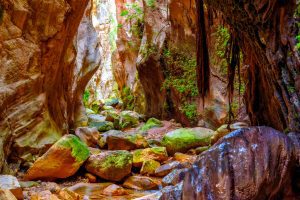
Avakas Gorge sits within Pegeia State Forest at the southwestern edge of the Akamas Peninsula, approximately 20 kilometers west of Paphos. The gorge follows the course of the Avgas River, which gave the canyon its name. Constant erosive activity on sloping limestone rocks created this dramatic formation. The rocks consist of loams, chalks, reef limestone, grain limestone, and bentonitic clays that erode at different rates. The gorge area holds protected status as a Natura 2000 site and was designated a Plant Micro-Reserve under the Cyprus Forest Law in 2013. Historical Background Geologists believe Avakas Gorge emerged from the sea when tectonic forces lifted the entire region. The Avgas River began its work of erosion millions of years ago. Water flowing…

Read more
Besparmak Mountains

Besparmak Mountains

The Besparmak Mountains stretch like a limestone backbone along the northern coast of Cyprus, parallel to the Mediterranean for approximately 160 kilometers. Known also as the Kyrenia Mountains or Pentadaktylos, this narrow ridge rises abruptly from the coastal plain to create one of the island's most dramatic landscapes. The name Besparmak translates to five fingers in Turkish, referring to a distinctive peak that resembles an outstretched hand. Ancient Limestone from the Mesozoic Era The range consists primarily of hard crystalline limestone with some dolomite and marble formations dating to the Mesozoic period, formed between 250 and 65 million years ago beneath ancient seas. Unlike the volcanic Troodos Mountains in southern Cyprus, this northern range represents sedimentary formations from the Permian…

Read more
Bread Village Baking Traditions

Bread Village Baking Traditions

In Cypriot villages, bread has never been just food. It is routine, ritual, and social glue, baked in wood-fired ovens that anchor neighbourhood life. From ancient grain cultivation to communal baking days, village bread and pies reflect how Cypriots learned to survive drought, celebrate faith, and care for one another. This article explores how village baking worked, why it mattered, and how these traditions continue to shape Cyprus today. Where Daily Life Began: Wheat, Fire, and the Village Hearth For centuries, village life in Cyprus revolved around three constants: wheat, fire, and community. Bread was baked not occasionally, but rhythmically, setting the pace of domestic and social life. In rural areas, meals, hospitality, and even religious observance were structured around…

Read more
Archangelos Michael Church

Archangelos Michael Church

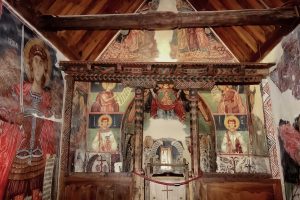
The Church of Archangelos Michael stands in the mountain village of Pedoulas in the Troodos region of Cyprus and forms part of the UNESCO World Heritage group known as the Painted Churches of the Troodos Region. Dated to 1474 by an inscription inside the building, the church belongs to the late Byzantine period, a time when Cyprus had passed through political change yet retained strong Orthodox artistic traditions. Unlike earlier monuments that reflect close ties to Constantinopolitan styles, this church is celebrated for its vivid and more rustic wall paintings, which represent a local interpretation of Byzantine artistic language. The monument therefore offers valuable insight into how artistic traditions continued to evolve in rural settings during the later medieval centuries.…

Read more
Paphos Ancient Heart of Goddess Worship

Paphos Ancient Heart of Goddess Worship

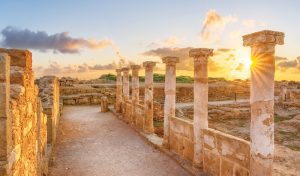
Paphos, the ancient city on Cyprus's southwest coast, stood as the unrivaled heart of goddess worship in the Mediterranean, where Aphrodite's cult drew pilgrims from afar to honor her as the embodiment of love, beauty, and fertility. This wasn't just a local shrine; it became a global beacon, blending myth, ritual, and power in a place believed to be her earthly birthplace. Exploring its story reveals how a coastal spot turned into a sacred powerhouse that still captivates imaginations today. Picture Paphos as more than ruins – it's where ancient worlds collided in devotion to a goddess who symbolized life's spark. Tucked on Cyprus's edge, with waves lapping at rocky shores and fertile fields stretching inland, the city grew around…

Read more
Panigyria Cyprus Villages Festivals

Panigyria Cyprus Villages Festivals

Across Cyprus, every village has at least one night each year when the roads feel a little busier, the air smells faintly of smoke and grilled meat, and familiar voices reappear as if they never left. The panigyri, the traditional village festival, is that moment: a lived ritual shaped by faith, agriculture, and the island's instinct for togetherness, turning quiet communities into crowded, luminous meeting places where memory and belonging become tangible again. A Gathering of Everyone The word panigyri carries its meaning in its roots. It comes from the ancient Greek panēguris, built from pan ("all") and agora ("gathering" or "marketplace"), and it points to an older world where people came together for religious, political, and cultural life in…

Read more
Village Loom Weaving Fythkiotika

Village Loom Weaving Fythkiotika

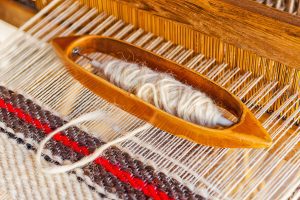
Village Loom Weaving (Fythkiotika & Regional Variants) is a home-based textile production tradition in Cyprus, combining wool and cotton to create symbolic fabrics that preserve ancient patterns linked to identity and status. Originating in rural villages, this craft involves intricate loom work by women, producing items like bedcovers and rugs with geometric designs that carry meanings of protection, fertility, and heritage. Recognized as part of Cyprus's intangible cultural heritage, it reflects the island's agrarian past and women's role in sustaining cultural continuity through generations. A Timeless Craft of Thread and Tradition Village loom weaving in Cyprus represents a cornerstone of the island's folk artistry, where domestic looms produce textiles that blend functionality with profound symbolism. Known as Fythkiotika in regions…

Read more
Folk Traditions Shaping New Cypriot Identity

Folk Traditions Shaping New Cypriot Identity

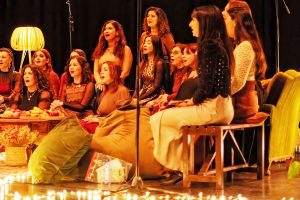
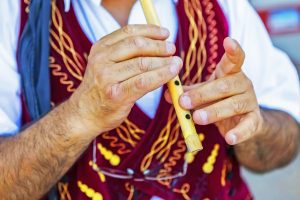
Cyprus's contemporary music scene is not driven by nostalgia, nor by imitation of global trends. Instead, it is shaped by a quiet but deliberate return to local sound. Over the past two decades, musicians across the island have begun reworking traditional Cypriot music into modern forms, blending ancient instruments, irregular rhythms, and modal melodies with rock, jazz, and electronic influences. The result is not a revival of folklore, but a living musical language that reflects modern Cypriot identity while remaining deeply rooted in place, memory, and shared experience. This evolving folk-fusion movement explains how Cyprus sounds today. It also reveals how music has become one of the island's most powerful tools for cultural continuity and dialogue. Not a Revival, but…

Read more