All Articles

​​Historic Cyprus Churches in Rural Landscapes

​​Historic Cyprus Churches in Rural Landscapes

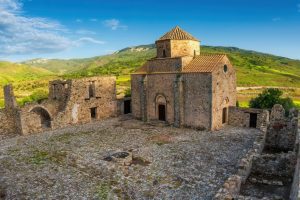
Historic churches scattered across Cyprus’s Troodos Mountains preserve medieval mural painting traditions within modest rural buildings, creating a strong contrast between simple exterior architecture and richly decorated interiors. UNESCO recognized ten of these structures as part of the Painted Churches in the Troodos Region in 1985 and 2001, highlighting their importance as surviving examples of rural architectural and artistic heritage. These buildings range from small village chapels to larger monastic complexes such as the Saint John Lampadistis site. They date from the 11th to the 16th centuries, covering roughly 500 years of artistic development shaped by regional traditions and broader Mediterranean influences, including Byzantine, Frankish, Venetian, and local Cypriot styles. A defining feature of these structures is their adaptation to…

Read more
Haunted Mills and Ruins Across Cyprus

Haunted Mills and Ruins Across Cyprus

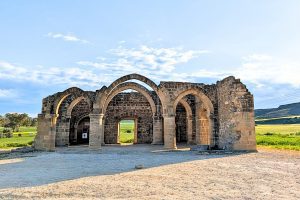
Cyprus holds a collection of abandoned places that attract visitors interested in supernatural tales and historical mysteries. These locations range from ghost towns frozen in time to mountain hotels shrouded in dark legends and villages deserted by their residents. The island's troubled 20th century history, particularly the 1974 division, created numerous abandoned settlements that locals and visitors now associate with paranormal activity. These sites blend documented historical events with folklore, creating spaces where reality and supernatural stories overlap. Historical Context The modern haunted landscape of Cyprus emerged primarily from two sources. The 1974 Turkish invasion created instant ghost towns when residents fled their homes. Varosha in Famagusta represents the most dramatic example, a once glamorous resort sealed off by military…

Read more
Isolated Cyprus Villages with Scenic Views

Isolated Cyprus Villages with Scenic Views

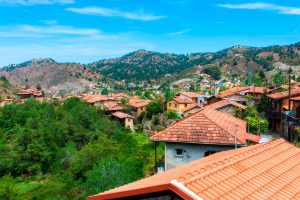
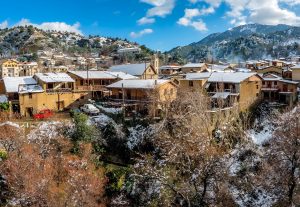
Isolated villages scattered across the Cypriot mountains offer some of the most dramatic views on the island. These remote settlements cling to hillsides and nestle in valleys, far from coastal tourist centers and modern development. The villages sit at elevations ranging from 900 to 1,380 meters above sea level. Their geographic isolation preserved traditional architecture and ways of life that disappeared elsewhere. Stone houses with wooden balconies, cobblestone streets, and terraced hillsides create scenes that seem frozen in time. Panoramic vistas stretch in every direction from these mountain perches. Visitors can see across valleys thick with pine forests, down to distant coastlines, and toward other villages dotting the landscape. The clean mountain air and reduced light pollution make these locations…

Read more
Kakopetria Gorge Cyprus

Kakopetria Gorge Cyprus

Kakopetria Gorge forms around the meeting point of two permanent mountain streams in the Troodos range. The Karkotis and Garillis rivers converge in this valley at 667 meters elevation, creating the Klarios River that flows 24.75 kilometers to Morphou Bay. The gorge sits in the heart of the Solea Valley, 55 kilometers from both Nicosia and Limassol, surrounded by dense pine forests and traditional stone villages that have preserved their character for centuries. The gorge takes form along the banks of two rivers that maintain year-round flow, unusual for Cyprus where most streams run dry during summer. The Karkotis originates from the northwestern slopes of Papoutsa peak, while the Garillis flows from the northeastern slopes of Mount Troodos. Hundreds of…

Read more
Karpasia Peninsula Route Cyprus

Karpasia Peninsula Route Cyprus

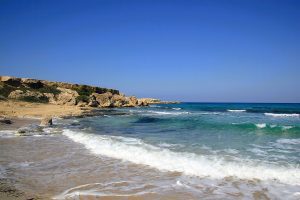
The Karpasia Peninsula extends like a long finger into the Mediterranean from northeastern Cyprus, reaching 75 kilometers toward Turkey and Syria. This narrow landmass, also known as the Panhandle, represents Cyprus's most remote and undeveloped region. The peninsula covers 898 square kilometers with a population density of just 26 people per square kilometer, making it one of the least inhabited parts of the island. The main route runs from Trikomo, considered the gateway town, through small villages to Cape Apostolos Andreas at the very tip. This wild coastline hosts more than 46 sandy beaches, ancient ruins, and rare wildlife that make the journey one of Cyprus's most rewarding drives. Historical Background The Karpasia Peninsula has supported human settlement since the…

Read more
Kaledonia Waterfall Trail

Kaledonia Waterfall Trail

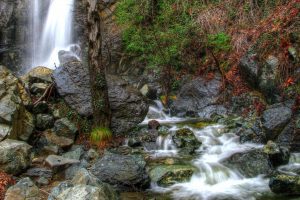
The Kaledonia Waterfall Trail offers one of Cyprus's most scenic forest hikes. This 3-kilometer nature trail follows the Kryos Potamos River through dense pine and oak forests in the Troodos Mountains, leading to a spectacular 12-meter waterfall at 1,330 meters elevation. The trail takes its name from the Kaledonia waterfall at its center point, though many maps also spell it Caledonia. The path maintains a mostly shaded route under tall pine trees along the riverbank, creating a cool microclimate even during Cyprus's hot summer months. The sound of rushing water accompanies hikers throughout the journey as they cross the Kryos Potamos River six to seven times before reaching the main cascade. The trail sits within Troodos National Forest Park, a…

Read more
Cyprus Kleftiko Dish

Cyprus Kleftiko Dish

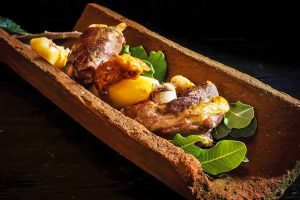
Kleftiko is one of the most recognisable dishes in Cyprus, yet its importance has little to do with flavour alone. This slow-cooked lamb, sealed away from air and fire, tells a story of survival, patience, and rural ingenuity. More than a recipe, Kleftiko reflects how Cypriots adapted to hardship and turned necessity into tradition. Understanding it means understanding why time, restraint, and shared meals still matter deeply on the island. A Dish Built on Secrecy and Time At its core, Kleftiko is lamb or goat cooked slowly in a sealed environment. The defining feature is not the meat itself, but the method. By trapping steam and heat, the meat softens gradually, breaking down until it can be pulled apart with…

Read more
Halloumi and Festival Foods of Cyprus

Halloumi and Festival Foods of Cyprus

Cyprus is a culinary treasure trove where traditional flavors meet modern tastes, and nowhere is this more evident than in its cheese and festival foods. Halloumi, the island’s most famous export, embodies the island’s culture, history, and social life. Beyond its grillable texture and unique flavor, halloumi represents centuries of agricultural tradition, village cooperatives, and community heritage. Cyprus’s festival foods, from grape harvest sweets to carnival pastries, highlight seasonal cycles, religious celebrations, and communal joy. For locals and visitors alike, tasting halloumi with a slice of watermelon, sampling fresh loukoumades, or savoring grape must treats is a journey into the island’s heart. These foods are not just meals, they are symbols of hospitality, identity, and Cypriot tradition. Halloumi - Cyprus’s…

Read more
Kataklysmos Festival

Kataklysmos Festival

Kataklysmos, the Festival of the Flood, represents one of Cyprus's most distinctive cultural celebrations combining ancient pagan rituals with Orthodox Christian observance. The festival occurs 50 days after Easter, coinciding with Pentecost, when Orthodox Christians commemorate the descent of the Holy Spirit upon the apostles. The name derives from the Greek word for flood, referencing both Noah's biblical deluge and ancient water ceremonies honoring Aphrodite and Apollo. Water plays the central role, with coastal towns hosting elaborate festivities where locals and visitors engage in water fights, attend cross-throwing ceremonies, and participate in swimming competitions. Larnaca holds the largest celebration, with events spanning six days along Foinikoudes promenade. The festival earned UNESCO recognition as part of Cyprus's Intangible Cultural Heritage, acknowledging…

Read more