
Cyprus is a culinary treasure trove where traditional flavors meet modern tastes, and nowhere is this more evident than in its cheese and festival foods. Halloumi, the island’s most famous export, embodies the island’s culture, history, and social life. Beyond its grillable texture and unique flavor, halloumi represents centuries of agricultural tradition, village cooperatives, and community heritage.
Cyprus’s festival foods, from grape harvest sweets to carnival pastries, highlight seasonal cycles, religious celebrations, and communal joy. For locals and visitors alike, tasting halloumi with a slice of watermelon, sampling fresh loukoumades, or savoring grape must treats is a journey into the island’s heart. These foods are not just meals, they are symbols of hospitality, identity, and Cypriot tradition.
Halloumi – Cyprus’s Culinary Icon
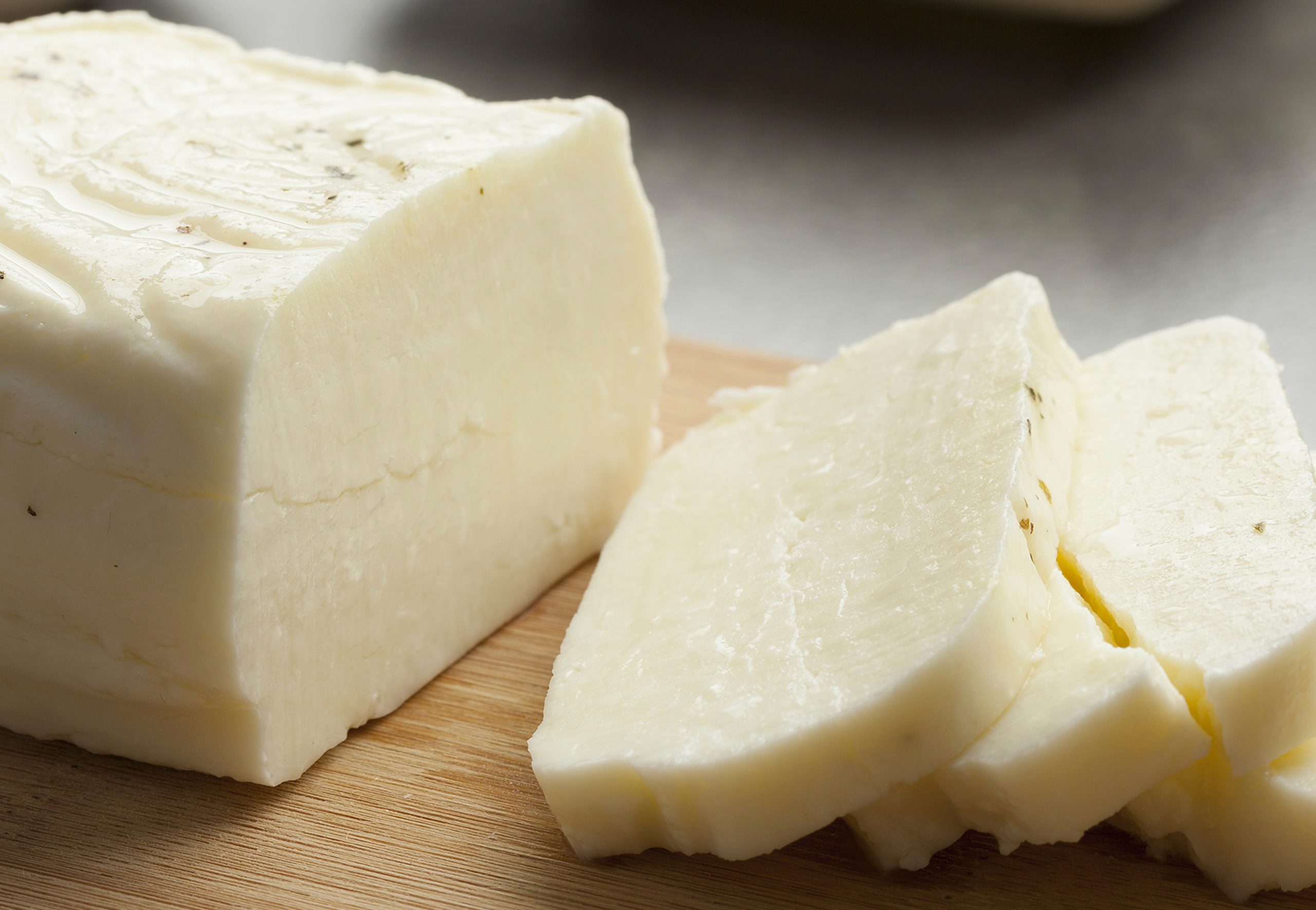
Halloumi is a semi-hard, white cheese with a high melting point, allowing it to be fried or grilled without losing shape. In 2021, it received Protected Designation of Origin (PDO) status, meaning only cheese produced in Cyprus according to traditional methods can bear the name “halloumi.” Traditionally made from goat and sheep milk, PDO regulations require at least 25% of these milks during peak seasons, increasing annually to reach 50% by 2029. Modern production sometimes incorporates cow’s milk, especially for export, but true Cypriot halloumi remains rooted in traditional dairy practices.
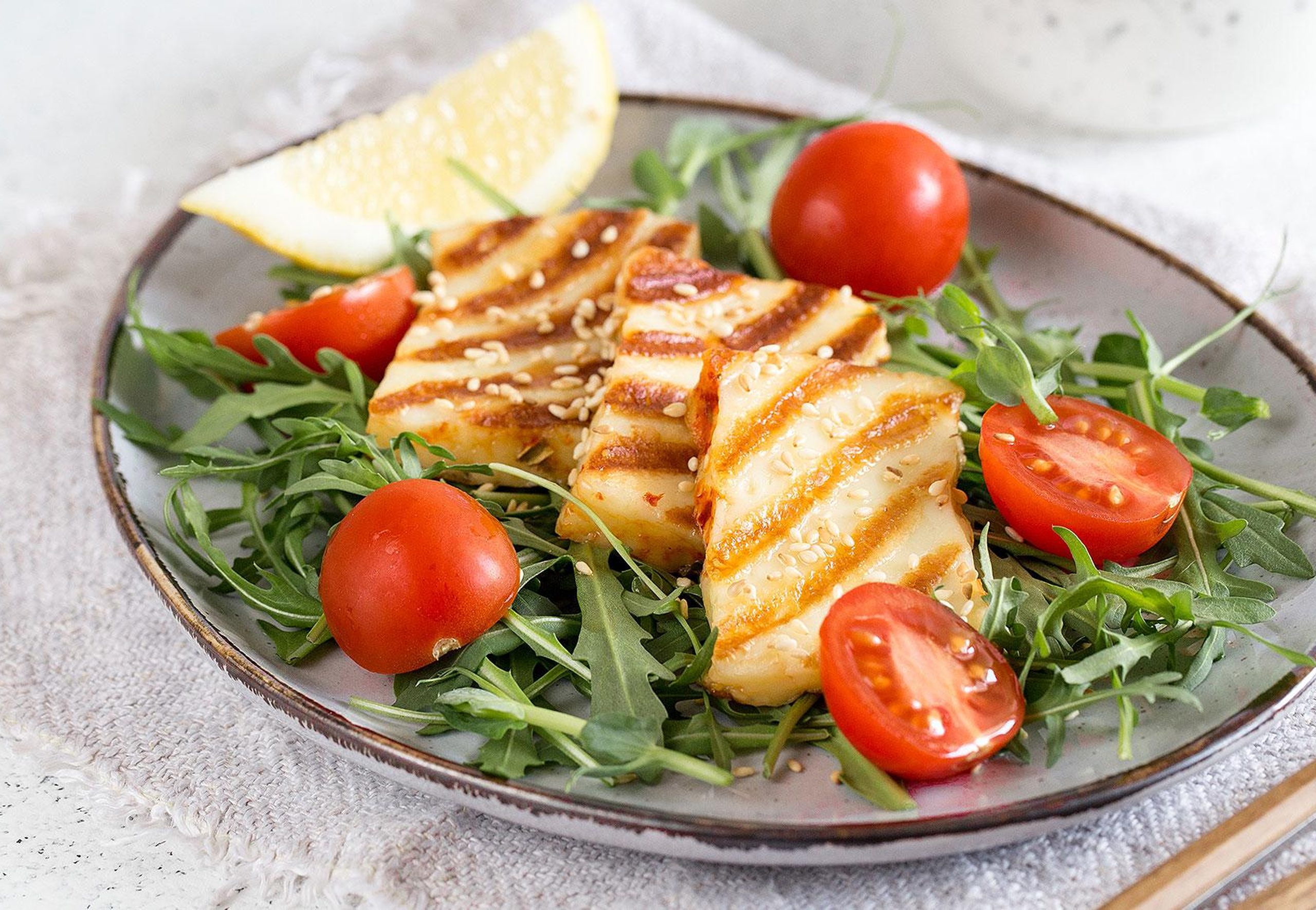
Interestingly, Cypriots enjoy halloumi in ways that may surprise outsiders. Many eat it raw alongside watermelon or melon during the scorching summer months, creating a refreshing contrast of salty and sweet. Others enjoy halloumi pan-fried with a drizzle of olive oil for breakfast or chopped into trahanas soup for a hearty, comforting meal. It also pairs beautifully with eggs, grilled vegetables, or as a topping for pasta dishes. Halloumi’s versatility and long shelf life historically made it a vital protein source in rural villages, supporting families in mountainous and agricultural communities.
Traditional Halloumi Production
Historically, halloumi production was a communal activity in Cypriot villages. Cooperatives of 10–15 women would pool milk from their goats and sheep, with the most experienced woman leading the process. Milk was heated over fire and coagulated using rennet, traditionally derived from lamb stomachs. The curds were separated from the whey, pressed into molds, and often enhanced with fresh mint, which acted as both a flavoring and a preservative.
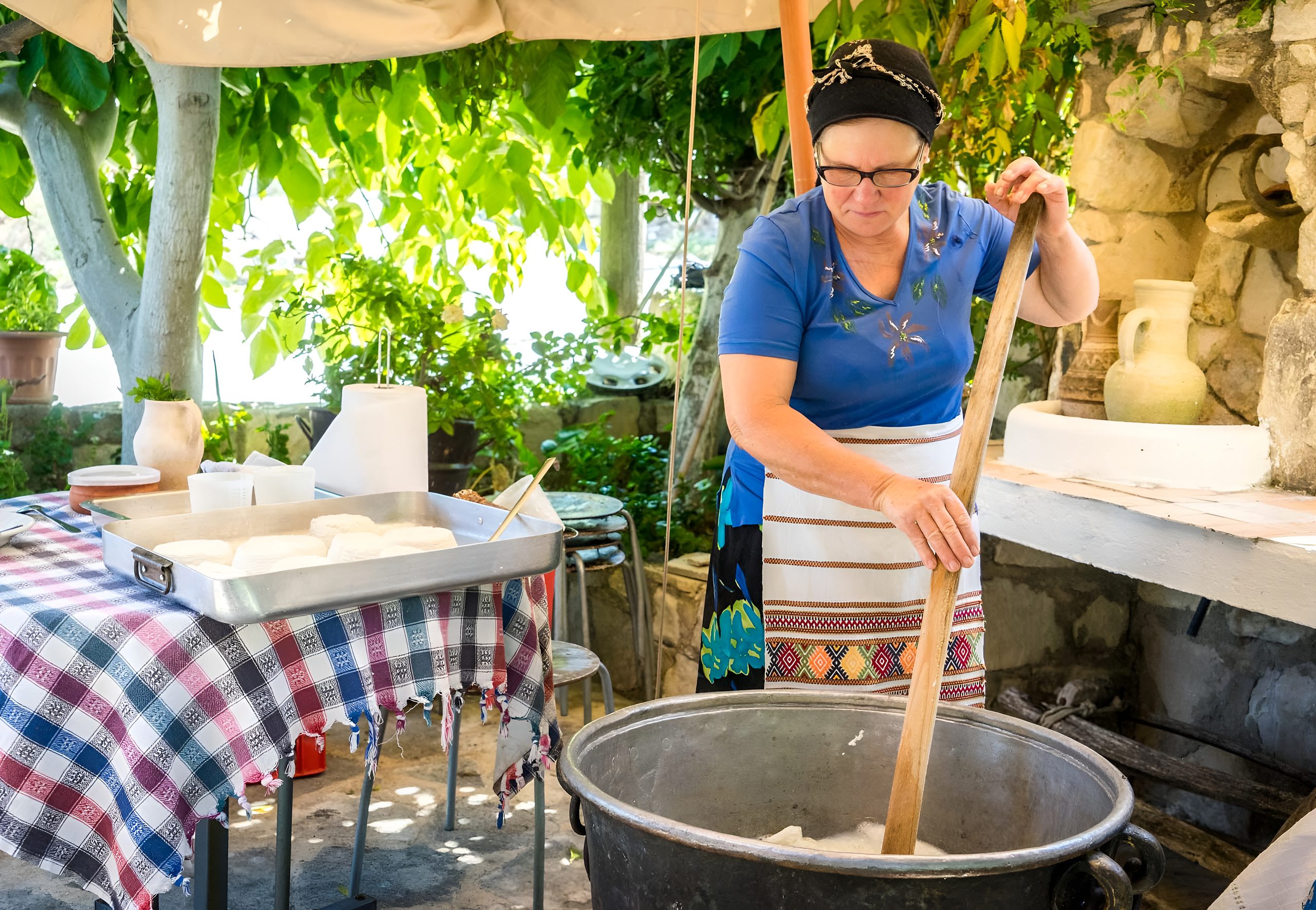
This artisanal approach gave each batch a distinct village flavor, and many of these traditions continue today in small-scale farms. In modern households, halloumi is just as central, appearing in daily breakfasts, lunch salads, and evening barbecues.
Anari and Other Traditional Cheeses
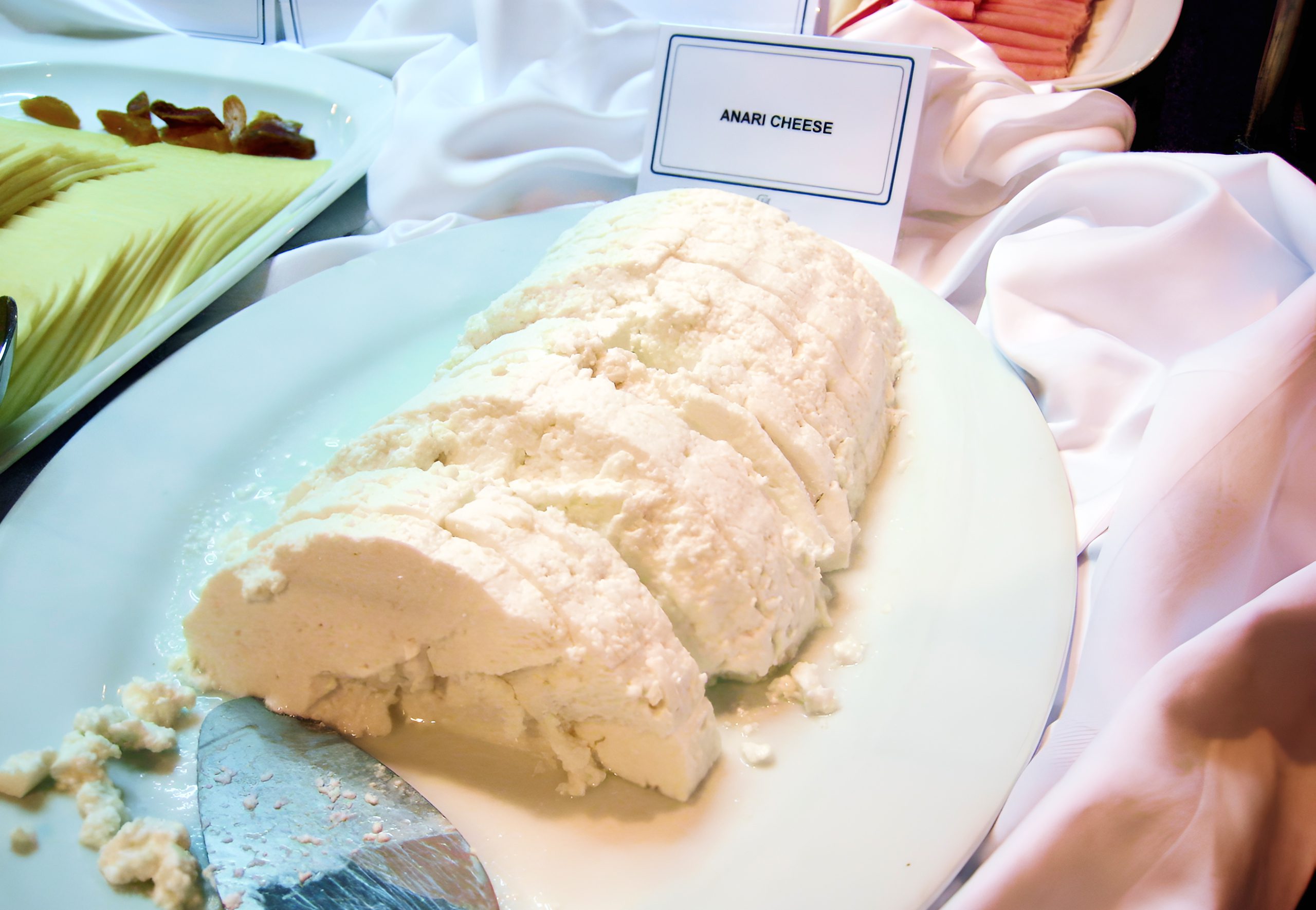
Anari is a by-product of halloumi production, created from leftover whey. Fresh anari is soft, creamy, and slightly sweet, often eaten with honey, carob syrup, or fresh fruit. It also appears in bourekia, small pastries filled with anari and cinnamon, a staple during festivals. Dried anari, salted and firm, is perfect for grating over pasta or soups, reminiscent of Italian ricotta usage.
Other traditional cheeses include kefalotyri, a hard, salty cheese ideal for grating, kaskavali, a mild table cheese, and pourota, halloumi made solely from goat milk with a more pronounced flavor. Together, these cheeses illustrate Cyprus’s diverse dairy heritage, linking culinary practice to rural life and seasonal livestock cycles.
Traditional Grape Harvest Sweets
Cyprus’s grape harvest, typically in September and October, inspires a range of sweets using freshly pressed grape must (moustos). Palouzes is a grape jelly-like dessert thickened with flour and flavored with geranium, vanilla, or mastiha resin, enjoyed warm or cold.
Soutzoukos, a chewy treat, is made by repeatedly dipping strings of almonds or walnuts in thickened grape must, forming sweet, sausage-shaped confections. Kiofterka, another harvest favorite, involves leaving palouzes in flat pans to dry, creating a textured, chewy sweet. These foods are seasonal highlights, celebrated during festivals and shared with friends, family, and visitors alike.
Festival Foods Across the Year
Cyprus’s festivals bring culinary traditions to life. Loukoumades, small fried dough balls, are drizzled with honey or carob syrup, sprinkled with cinnamon, and sometimes topped with pistachios or chocolate. These treats are ubiquitous during Epiphany (January 6) and other local celebrations.

During Kataklysmos, the water festival 50 days after Easter, coastal towns host stalls selling loukoumades, soutzoukos, and porika (nut-based sweets). Limassol’s carnival, two weeks before Lent, features bourekia pastries with mint-flavored cheese, ravioli, and sticky sweets like daktyla and kandaifi. Cheese-focused celebrations, such as village halloumi festivals in the Troodos Mountains or Paphos region, draw tourists and locals alike, celebrating Cyprus’s dairy heritage and culinary identity.
Interesting Halloumi Facts
- Halloumi has ancient roots, with references dating back to the 14th century.
- The cheese’s high melting point makes it ideal for grilling, frying, or even barbecuing.
- Mint in halloumi not only adds flavor but was traditionally used as a preservative.
- Halloumi is often eaten cold with watermelon or melon, especially during summer festivals.
- It can be incorporated into sweet dishes—paired with honey or fruit—and savory dishes like pies and salads.
- Despite global popularity, true PDO halloumi must be made in Cyprus, preserving its authenticity.
- Villages in the Troodos Mountains host annual halloumi festivals, combining tasting, music, and local crafts.
Culinary Traditions That Shape Cyprus
Halloumi and festival foods are more than just meals—they represent community, tradition, and heritage. The production of cheese historically required collective effort, fostering social cohesion in rural areas. Festival sweets link Cypriots to seasonal rhythms and religious observances, creating a culinary calendar that celebrates harvests, saints’ days, and cultural milestones.

Today, halloumi contributes significantly to the Cypriot economy, accounting for 13.4% of exports, valued at over €250 million annually. The UK is the largest importer, followed by Greece, Sweden, Germany, Australia, and the United States. Cheese tourism, particularly in rural villages, provides a cultural and gastronomic experience that connects visitors to authentic Cypriot life.
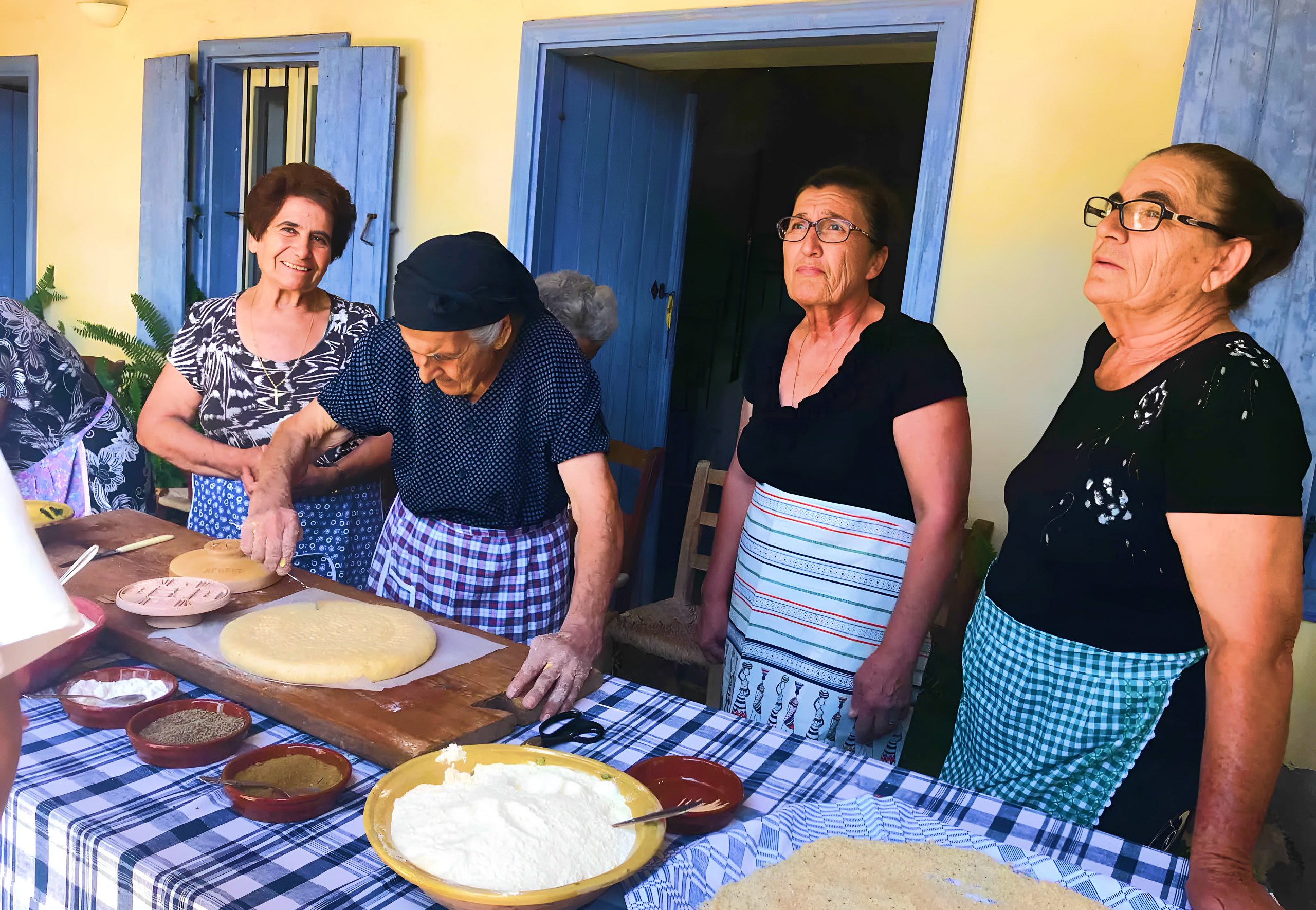
Sharing halloumi, anari, or festive sweets is central to Cypriot hospitality. Guests are welcomed with small portions of cheese and traditional coffee or zivania, highlighting a culture where food embodies friendship, celebration, and identity.