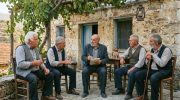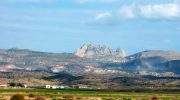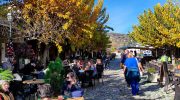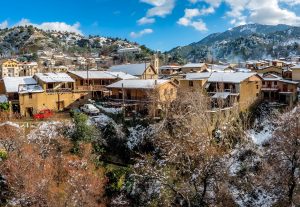
Isolated villages scattered across the Cypriot mountains offer some of the most dramatic views on the island. These remote settlements cling to hillsides and nestle in valleys, far from coastal tourist centers and modern development.
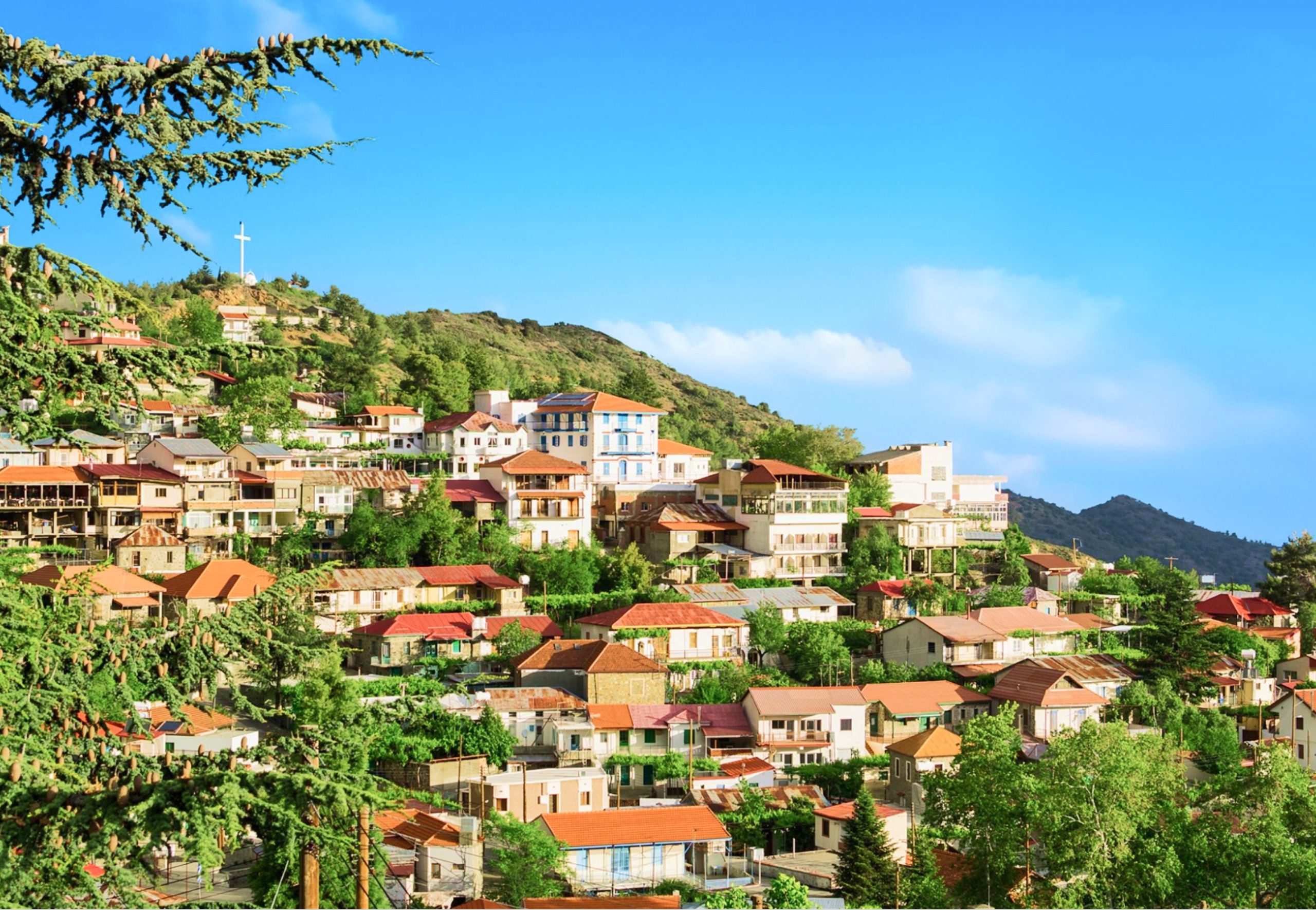
The villages sit at elevations ranging from 900 to 1,380 meters above sea level. Their geographic isolation preserved traditional architecture and ways of life that disappeared elsewhere. Stone houses with wooden balconies, cobblestone streets, and terraced hillsides create scenes that seem frozen in time.
Panoramic vistas stretch in every direction from these mountain perches. Visitors can see across valleys thick with pine forests, down to distant coastlines, and toward other villages dotting the landscape. The clean mountain air and reduced light pollution make these locations ideal for photography and stargazing.
Centuries of Mountain Settlement
People have inhabited Cyprus mountains for thousands of years, though many current villages date from medieval times. During periods when coastal areas faced invasion threats, communities moved inland to the protection of mountain terrain.
The Troodos Mountains became a refuge during Byzantine rule. Monasteries appeared first, followed by villages that supported religious communities. The mountains offered natural defense and cooler temperatures during scorching summers.
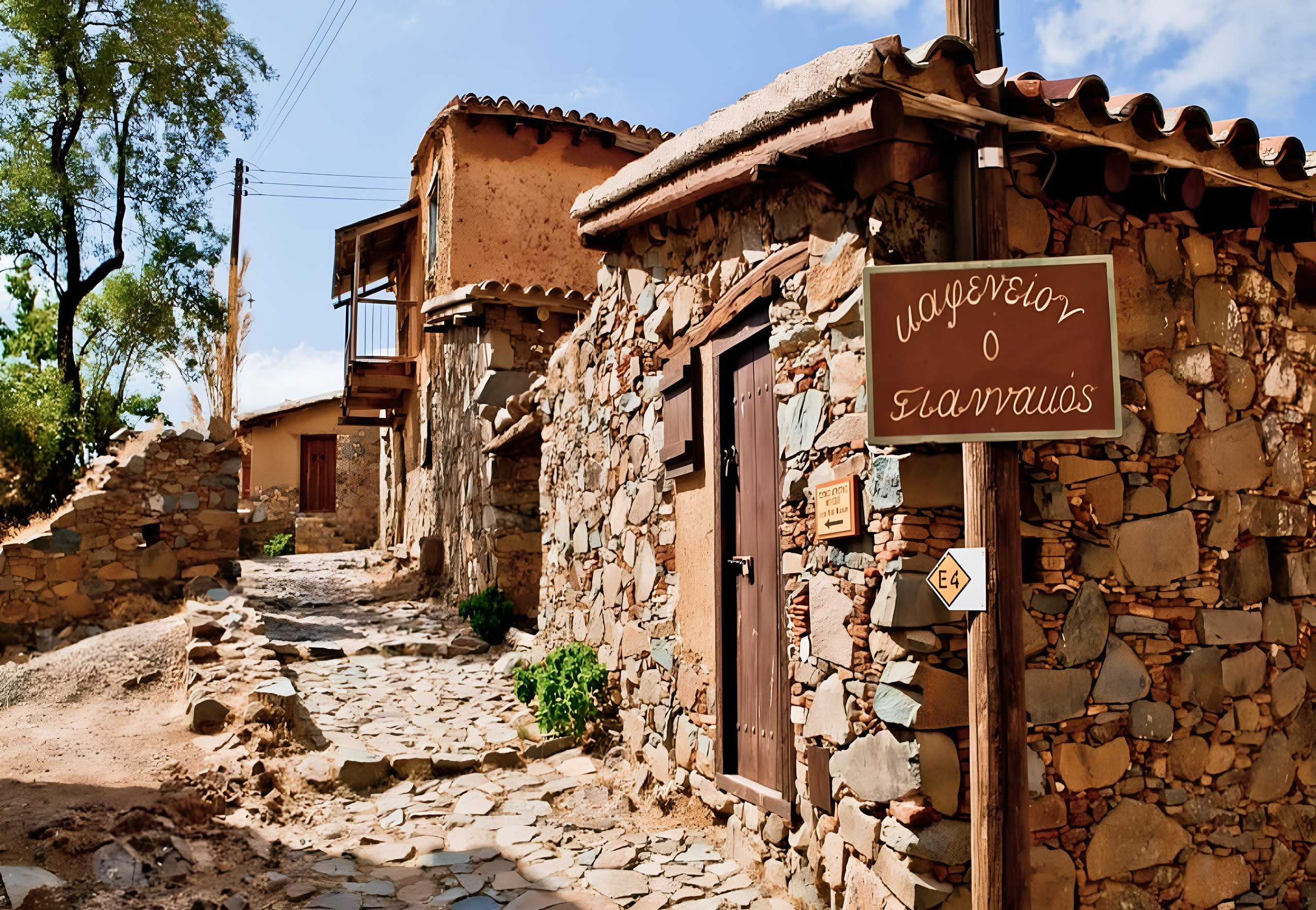
Village names often trace back to feudal families or geographic features. Fikardou possibly derives from the phrase “den of fugitives” or from the noble Ficardo family. Sir Thomas Ficardo served as Chancellor to King James II and Queen Catherine Cornaro in the 15th century.
Between the 18th and early 20th centuries, these villages reached their peak populations. Residents survived through agriculture, wine production, and small-scale mining. The challenging terrain required resourcefulness. Families terraced slopes for crops and constructed irrigation systems to capture scarce rainwater.
Villages Perched Above the World
Prodromos claims the title of Cyprus’s highest village at 1,380 meters altitude. The settlement sits surrounded by apple orchards and pine forests. Views from Prodromos extend across the entire Troodos range toward the Mediterranean Sea.
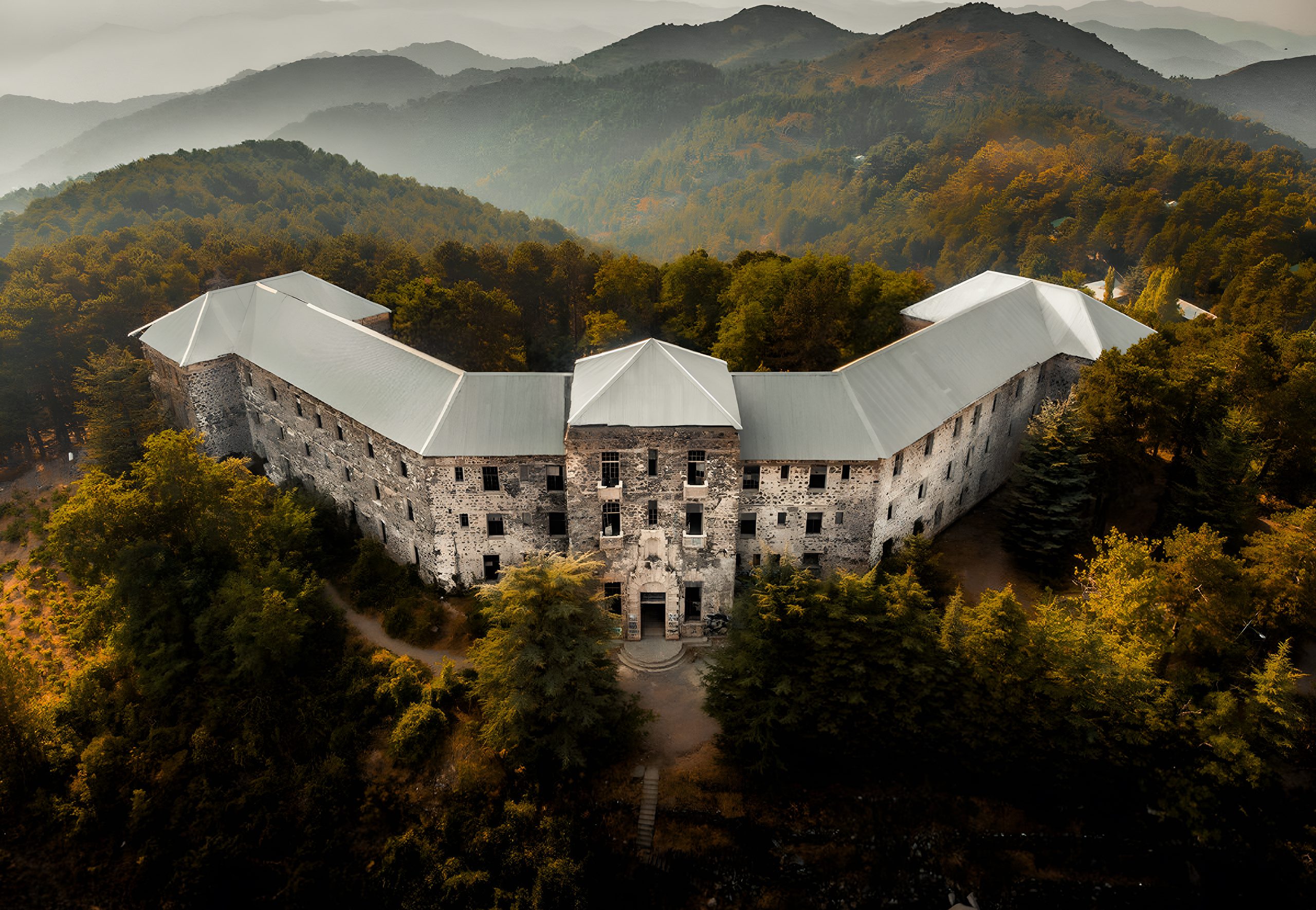
The now-abandoned Berengaria Hotel stands as a testament to Prodromos’s former status as an elite mountain resort. Built in the early 20th century, it hosted the King of Egypt and the President of Israel. The stone building remains frozen in time, furniture still inside, hidden within dense pine forest.
Fikardou represents a different type of isolation. The village was declared an Ancient Monument in 1978 and won the Europa Nostra award in 1987. Officially, it has no permanent residents, though a taverna, coffee shop, and two house museums operate regularly.
The Department of Antiquities carefully restored 18th century houses in Fikardou. Two converted into museums display rural tools, weaving workshops, and agricultural implements. The village serves as a living museum where visitors walk cobblestone paths between perfectly preserved stone structures.
Lofou experienced complete abandonment between 1946 and 1986. The buildings remained intact during these decades. Recent restoration transformed Lofou into one of Cyprus’s most charming mountain destinations. Only 100 residents live there permanently, maintaining the peaceful atmosphere.
Remarkable Geographic Features
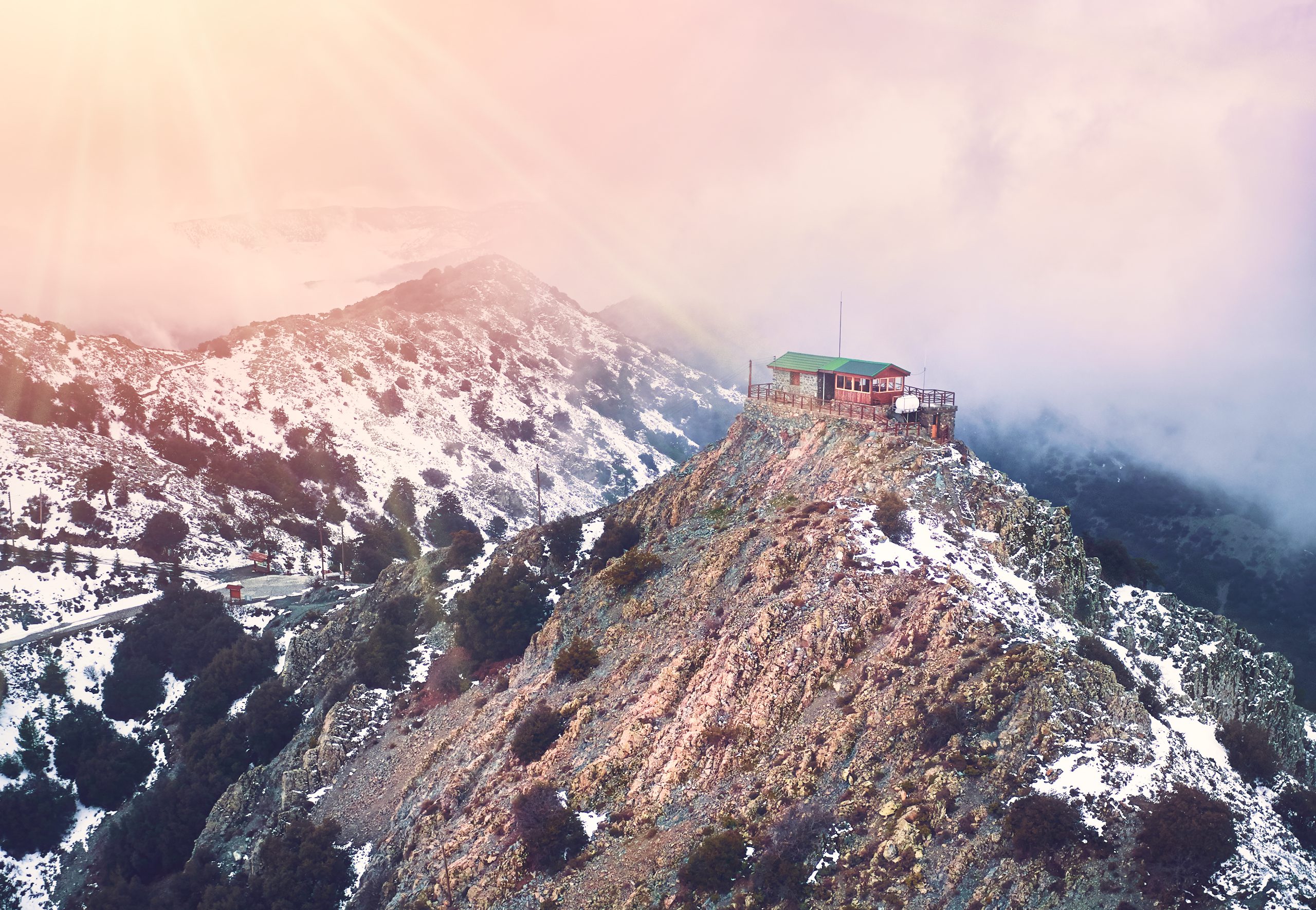
The Madari Fire Station sits at 1,613 meters above sea level. Despite the crowds this accessible viewpoint attracts, the panoramic views justify the popularity. The road leads directly to the mountaintop, allowing even casual visitors to experience breathtaking vistas.
Kalopanayiotis spreads amphitheatrically down a hillside. The upper village offers stunning mountain panoramas while the lower section features a peaceful river and medieval bridge. Natural sulfur springs at the bridge have provided healing waters since ancient times.
Pedoulas in the Marathasa Valley sits at 1,200 meters elevation. The village staggers down the mountainside with views extending to the Mediterranean in the distance. Cherry trees and pine woods fill spaces between houses with bright orange-painted rooftops.
The village of Agros resembles an amphitheater built among mountains. About 700 residents live in this Limassol region village, famous for cultivating Damascus roses. The surrounding landscape offers views of rose fields, vineyards, and forested slopes.
Moutoullas provides relatively few tourist attractions, which preserves its authentic character. Loop walks through upper and lower village sections reveal gorgeous mountain views, a medieval bridge, and the Church of the Virgin Mary of Moutoullas, one of the oldest in Troodos.
Surprising Facts About Remote Villages
Several isolated villages maintain remarkable traditions despite their small populations. Foini, at 920 meters altitude, gained fame for pottery and furniture production rather than agriculture. Traditional craftsmen continue these practices today.
The Lazanias-Fikardou Nature Trail connects multiple villages through a 2-kilometer path offering panoramic views. The trail features rich flora and fauna while linking to other paths near Machairas Monastery.
Pano Platres transforms dramatically with seasons. The permanent population hovers around 300 residents, but summer brings up to 10,000 visitors seeking mountain coolness. Winter brings skiing to the nearby slopes of Mount Olympus.
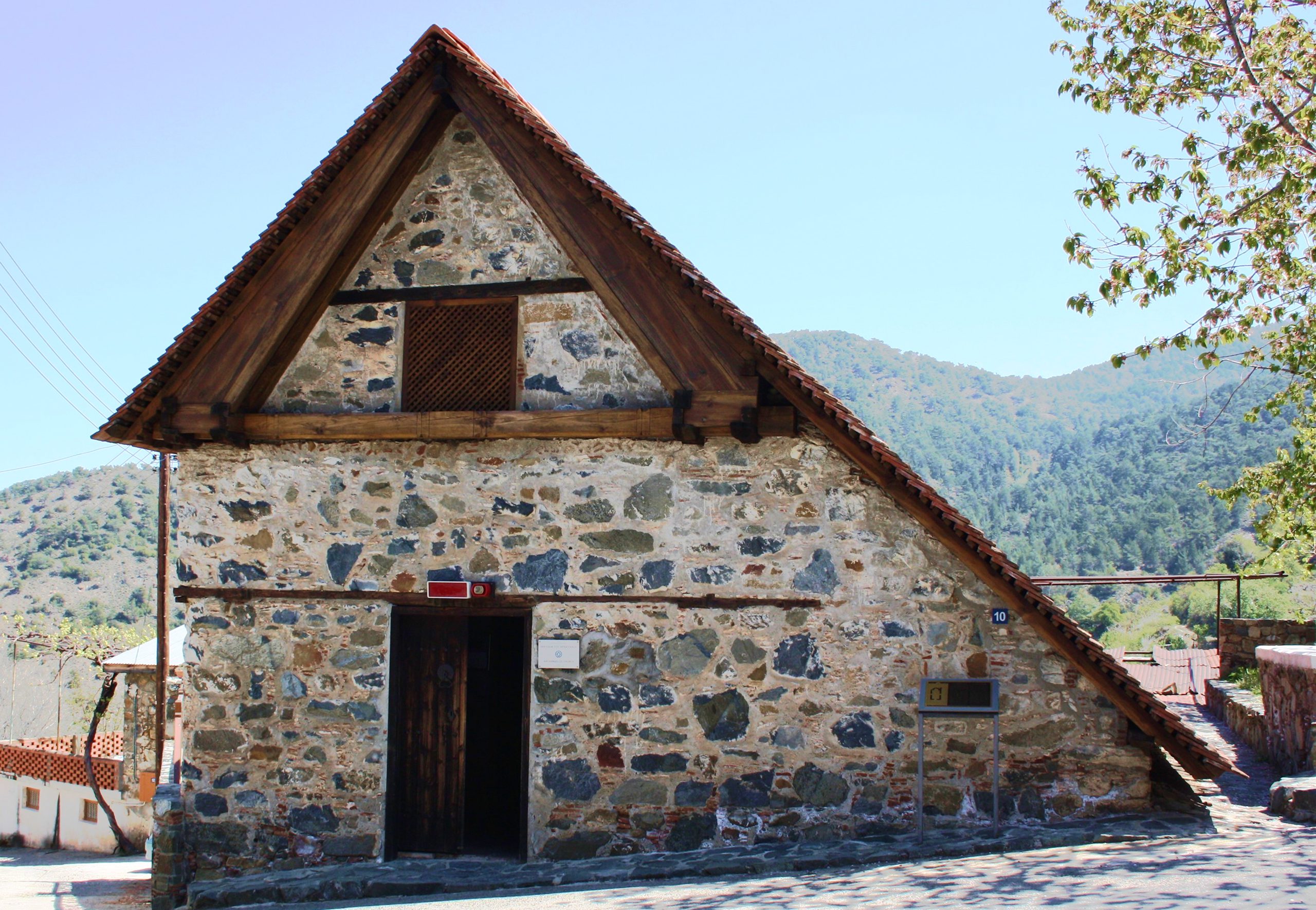
The Church of Archangelos Michael in Pedoulas holds UNESCO World Heritage status. Built in 1474, its interior preserves Byzantine and post-Byzantine frescoes from the 11th to 19th centuries. The unassuming exterior conceals remarkable artistic treasures.
Cyprus University of Technology completed full 2D and 3D digitization of Fikardou village. This work created an e-museum allowing people with physical disabilities to virtually experience the village. The narrow streets cannot accommodate wheelchairs or large tour groups.
Traditional Life and Modern Challenges
Mountain villages maintain agricultural traditions despite economic pressures. Residents grow apples, cherries, pears, plums, grapes, and other fruits depending on altitude and microclimate. Prodromos produces exceptional quality apples.
Wine production remains central to several village economies. Omodos, Vouni, and Koilani form part of the Krasochoria wine region. Local wineries produce varieties like Commandaria, one of the oldest named wines still in production globally.
Traditional architecture requires constant maintenance. Stone walls, wooden balconies, and tile roofs demand specialized skills that younger generations often lack. The Department of Antiquities coordinates restoration efforts in protected villages.
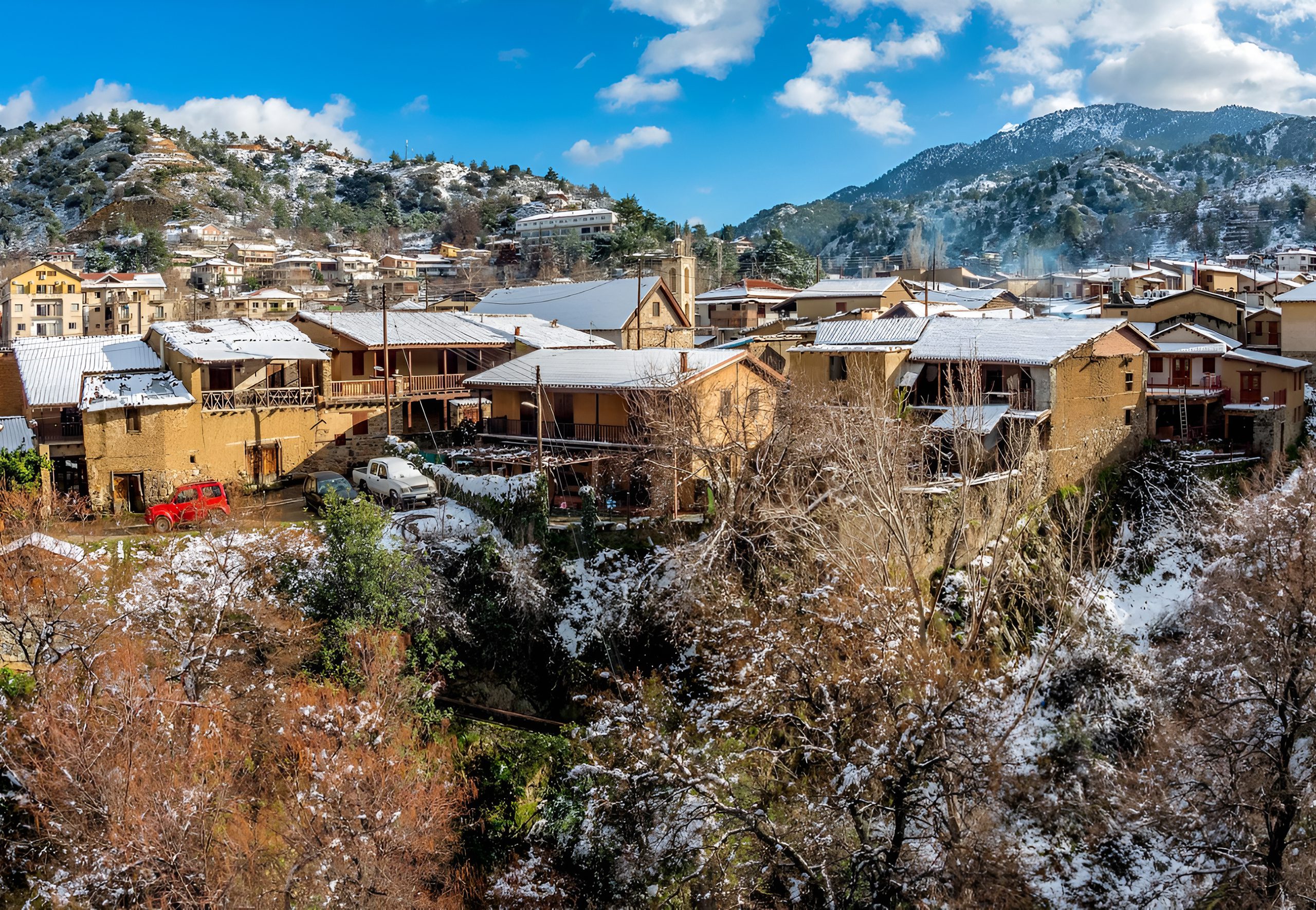
Population decline threatens many isolated settlements. Young people move to cities for education and employment opportunities. Some villages now count residents on one hand despite having housed hundreds historically.
Tourism offers economic opportunity but also challenges. Villages must balance preservation with visitor facilities. Successful examples like Lofou maintain authentic character while providing restaurants, guesthouses, and craft shops.
Planning Your Mountain Village Visit
The best access requires private transportation. Mountain roads wind through forests with limited public bus service. Rental cars provide freedom to explore multiple villages and stop at scenic viewpoints along routes.
Spring from March to May offers wildflowers and comfortable temperatures. Summer provides escape from coastal heat. Autumn brings grape harvests and colorful foliage. Winter features snow at higher elevations with opportunities for skiing near Troodos Square.
Comfortable walking shoes prove essential. Cobblestone streets and steep village paths challenge those in casual footwear. Many villages require uphill walking to reach viewpoints and churches.
Restaurants in isolated villages typically serve traditional Cypriot food. Expect meze platters, grilled meats, locally produced wine, and seasonal vegetables. Many establishments use ingredients from their own gardens and nearby farms.
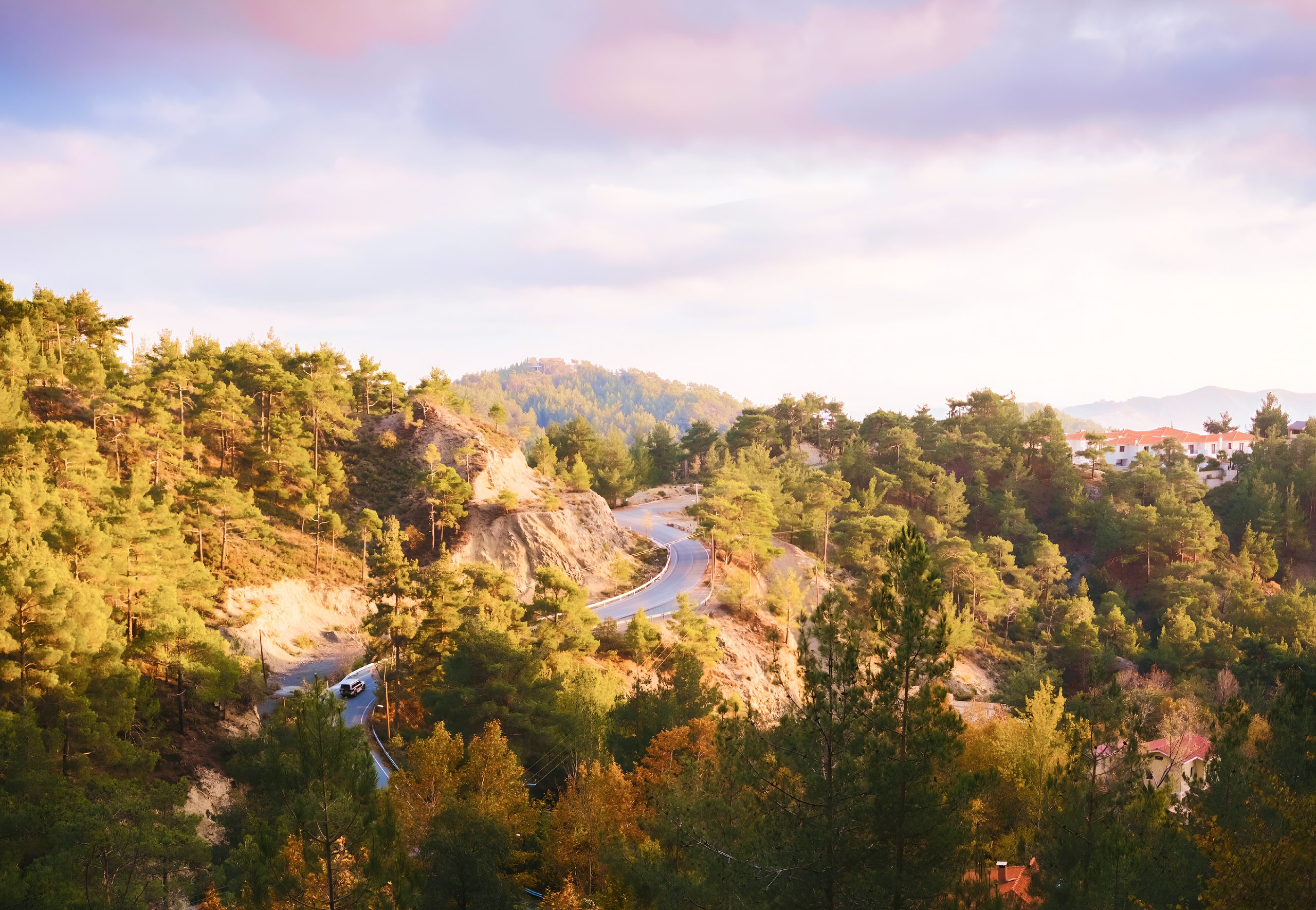
Photography enthusiasts should plan for early morning or late afternoon light. The golden hours dramatically enhance mountain landscapes and stone architecture. Sunrise and sunset from high-elevation viewpoints create unforgettable images.
Several villages offer accommodation in restored traditional houses. Boutique guesthouses provide authentic experiences with modern amenities. Advance booking helps, especially during peak seasons.
Remote Beauty Worth the Journey
Isolated Cyprus villages preserve ways of life that urbanization swept away elsewhere. Their survival depends on finding sustainable futures that respect traditions while adapting to modern realities.
The spectacular views these villages command remind visitors why people chose to build communities in such challenging terrain. The vistas provided both practical advantages for security and aesthetic rewards that continue drawing people upward from the coast.
Each village maintains distinct character despite similarities in architecture and agricultural heritage. Visiting multiple settlements reveals subtle differences in traditions, local products, and community dynamics.
The combination of natural beauty, historical significance, and living culture makes these isolated villages unique destinations. They offer counterpoint to beach resorts, showing a different Cyprus that mountain communities have inhabited for centuries.
The peaceful atmosphere, clean air, and dramatic scenery provide genuine escape from contemporary pressures. Time moves differently in these elevated places, allowing visitors to slow down and appreciate simpler rhythms of life.