All Articles

Cyprus Wine Harvest Festivals

Cyprus Wine Harvest Festivals

The Cyprus Tourism Organisation created seven designated wine routes between 2004 and 2013 with funding from European Union structural programs. These routes include over 60 wineries, traditional restaurants, museums, churches, and cultural attractions spread across wine-producing regions. Each route showcases different indigenous grape varieties and unique terroir characteristics based on altitude, soil composition, and microclimate. The Krasochoria Wine Villages Route The Krasochoria Wine Villages route in the Limassol district represents the heart of Cyprus wine production. This area contains 20 picturesque villages with the highest concentration of wineries on the island. Villages like Omodos and Koilani alone house 10 wineries between them. The dry climate and unique limestone geology create ideal conditions for cultivating both indigenous varieties like Xynisteri and…

Read more

Orthodox Churches in Cyprus Villages

Orthodox Churches in Cyprus Villages

Orthodox churches are among the most defining architectural features of Cypriot villages, often placed at the center of settlements where they function as key reference points for community structure and local identity. In many traditional villages, the main square and surrounding public life historically developed around these buildings, making them both spatial and symbolic anchors of rural organization. These structures range from small rural chapels in remote mountain areas to larger, more elaborate complexes in towns. Their architectural variety reflects centuries of historical development shaped by local needs, available materials, and regional building traditions. Over time, these buildings became closely tied to village identity, marking important points in the social and physical landscape. Early Development and Historical Background The presence…

Read more
Maa-Palaikastro

Maa-Palaikastro

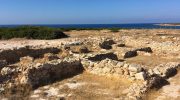
Maa-Palaikastro is a fortified Bronze Age settlement on the west coast of Cyprus, built during a time of major upheaval in the ancient Mediterranean. Strategically positioned and strongly defended, it played an important role in early settlement, copper production, and trade, and is closely linked to the arrival of Greek-speaking populations on the island. What remains today tells the story of resilience, planning, and cultural change at a crucial moment in Cyprus’s history. A Rocky Peninsula with a Big Story Perched on a narrow rocky peninsula on the Coral Bay coast of western Cyprus, Maa-Palaikastro (often simply called Maa) may look quiet and unassuming today. Yet beneath its surface lies the story of one of the island’s most important early…

Read more
Cyprus Slow-Cooked Vegetable Recipes

Cyprus Slow-Cooked Vegetable Recipes

Slow-cooked vegetable dishes form a core part of traditional Cypriot cuisine, particularly preparations called yiahni or lathera. The term yiahni means steamy and refers to vegetables braised slowly with olive oil, tomatoes, and herbs in a tightly sealed vessel. Lathera refers to a style of cooking where vegetables braise in olive oil, often with tomatoes and herbs, until they become very tender and the sauce thickens. These dishes include fasolada, a white bean soup, louvi made with black-eyed beans and greens, gemista or stuffed vegetables, and fasolakia yiahni with green beans. The cooking method produces tender vegetables that absorb the flavors of olive oil, lemon, and fresh herbs while maintaining their nutritional value. Ancient Traditions and Religious Influence Fasolada has…

Read more
Cyprus as a Business Hub

Cyprus as a Business Hub

The island sits at the intersection of Europe, Asia, and Africa. This location provides companies with access to multiple markets within a single business day. Cyprus operates in a timezone that allows simultaneous communication with both European and Middle Eastern partners during standard working hours. The country joined the European Union in 2004 and adopted the euro in 2008. These milestones secured access to the EU single market with its 450 million consumers. Companies established in Cyprus can operate freely across member states while maintaining connections to rapidly growing markets in North Africa and the Gulf region. Two international airports in Larnaca and Paphos connect Cyprus to major global cities. Modern ports in Limassol and Larnaca facilitate efficient maritime trade.…

Read more
Cyprus Clay Pots Ceramics

Cyprus Clay Pots Ceramics

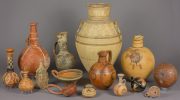
Cyprus has been shaping clay into beautiful vessels for over 7,000 years. The pottery tradition on this Mediterranean island represents one of the longest continuous craft practices in human history. From ancient times to modern workshops, Cypriot ceramics tell a story of skilled hands, local materials, and cultural exchange. The distinctive red clay pots, elegant jugs, and decorative vessels created here have become symbols of the island's creative spirit and its role as a crossroads between civilizations. Historical Context The ceramic story in Cyprus begins during the Neolithic period around 4400 BCE, when early settlers started working with the island's abundant clay deposits. These first potters created simple vessels with red and white decorations that were surprisingly uniform across the…

Read more
Cyprus Healthcare System Services

Cyprus Healthcare System Services

Cyprus introduced a comprehensive General Healthcare System known as GHS or GeSY in June 2019, providing universal healthcare coverage to all citizens and residents based on residency. The system represents a major transformation from the previous fragmented approach where public and private sectors operated separately with high out-of-pocket costs for patients. GESY provides all medical services for citizens and residents of Cyprus, from a standard medical check to complex surgeries. Every person registered in GESY has a personal doctor or general practitioner who serves as the first point of contact for healthcare needs. The implementation occurred in phases, with outpatient care beginning in June 2019 and inpatient hospital care starting in June 2020. By April 2023, approximately 933,000 beneficiaries were…

Read more
Epiphany Water Blessings Cyprus

Epiphany Water Blessings Cyprus

Epiphany in Cyprus marks the conclusion of the 12-day Christmas period on January 6, commemorating Christ's baptism in the Jordan River by John the Baptist. Known as Theophania or Ta Fota meaning Feast of Lights, the celebration centers on water blessing ceremonies that purify homes, drive away evil spirits, and renew communities for the coming year. The most dramatic ritual involves priests throwing a wooden cross into the sea, rivers, or lakes while brave swimmers dive into cold winter waters to retrieve it. The person who successfully recovers the cross receives blessings and good fortune for the entire year ahead. Beyond the cross diving spectacle, Epiphany includes church services, home blessings, distribution of holy water, children's caroling, and traditional sweets.…

Read more
Cyprus Driving – Cities vs Mountains vs Village Roads

Cyprus Driving – Cities vs Mountains vs Village Roads

Cyprus offers drivers dramatically different experiences depending on where they travel. City streets demand alertness for roundabouts and parking challenges, mountain roads require careful handling on steep grades, and village lanes test patience with narrow passages. Understanding these differences helps drivers navigate the island safely and confidently. Major cities like Nicosia, Limassol, and Paphos feature modern infrastructure with well-maintained roads, but they also present unique obstacles. Roundabouts appear frequently, especially at highway exits and major intersections. Traffic already on the roundabout has the right of way, so drivers must yield before entering. Local drivers move quickly through these circles, which can intimidate newcomers. Parking in city centers presents significant difficulties. Limassol has metered street parking along the seafront Molos promenade…

Read more