Slow-cooked vegetable dishes form a core part of traditional Cypriot cuisine, particularly preparations called yiahni or lathera. The term yiahni means steamy and refers to vegetables braised slowly with olive oil, tomatoes, and herbs in a tightly sealed vessel.
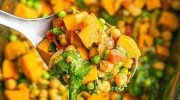
Lathera refers to a style of cooking where vegetables braise in olive oil, often with tomatoes and herbs, until they become very tender and the sauce thickens.
These dishes include fasolada, a white bean soup, louvi made with black-eyed beans and greens, gemista or stuffed vegetables, and fasolakia yiahni with green beans. The cooking method produces tender vegetables that absorb the flavors of olive oil, lemon, and fresh herbs while maintaining their nutritional value.
Ancient Traditions and Religious Influence
Fasolada has origins in Ancient Greece and was a traditional soup dedicated to the Greek God Apollo, cooked especially for the Pyanopsia Festival. According to myth, the tradition began when Theseus sailed from Athens to Crete to kill the Minotaur and stopped on the island of Delos to make a sacrifice to Apollo, promising to offer decorated olive branches if he won the battle.

Orthodox Christian fasting periods shaped Cypriot vegetable cooking significantly. During the Great Lent period called Saracosti, the faithful fast for 48 days, and the Christmas fasting period runs from November 15 to December 24.
All Wednesdays and Fridays throughout the year are fasting days when meat and animal products must be avoided.
This religious practice created a need for satisfying plant-based meals, which led to the development of sophisticated vegetable recipes that could sustain families through extended periods without meat or dairy.
How These Dishes Are Made
The slow-cooking technique requires patience and attention to basic principles. Braising combines two cooking methods by beginning with sautéing, then finishing by adding liquid and simmering until tender.

Vegetables start in olive oil with onions and garlic. Tomatoes, fresh or paste, provide acidity and moisture. The pot gets covered tightly to trap steam. Cooking continues on low heat for 90 minutes to two hours. Louvi, the black-eyed bean dish, serves as a Cyprus staple because it can be eaten on religious fast days as a meat substitute and during hard times was appreciated as a protein replacement for meat.
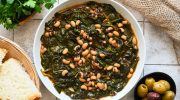
Louvi is a traditional Cypriot dish of black-eyed beans with onions, garlic, parsley and silverbeet or Swiss chard, seasoned with salt and pepper and served with extra virgin olive oil and lemon juice. The beans soak overnight, cook separately, then finish in the pot with the greens.
What Makes Each Dish Special
Gemista literally means stuffed or filled in Greek and traditionally uses tomatoes, bell peppers, zucchini, and eggplants hollowed out and filled with a mixture of rice, fresh herbs, and sometimes minced meat.

The most traditional and common version of gemista is naturally vegan and was born from the Greek Orthodox tradition of fasting periods like Lent, during which meat, dairy, and eggs are avoided. Fresh parsley provides a clean base, fresh mint adds a bright counterpoint to the richness of olive oil and sweetness of tomatoes, and fresh dill offers a slightly tangy Mediterranean flavor.
Fasolakia yiahni features green beans cooked with potatoes, tomatoes, onions, and herbs. The beans must be prepared properly by cutting off the pointy ends and breaking them in the middle. The dish tastes better the next day and can be served cold or at room temperature, making it practical for meal preparation.
The Role of Olive Oil and Lemon
Olive oil, when consumed raw, seems to keep all its precious virtues, which is why Greeks often add it at the end of cooking or during the meal to make a thicker and creamier soup. Fasolada traditionally receives generous olive oil both during cooking and at the table. The oil enriches the broth and creates the characteristic creamy texture associated with this soup. Lemon juice appears at the final stage, added just before serving or placed on the table for individual preference.
The combination of olive oil and lemon defines the finishing touch for nearly all Cypriot slow-cooked vegetables. This practice stems from both taste preference and nutritional awareness. The raw olive oil preserves vitamins and beneficial compounds that high heat might destroy. The lemon brightens the rich flavors and helps the body absorb nutrients from the vegetables.
Where These Dishes Appear Today
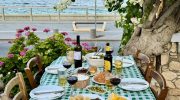
Traditional Cypriot cuisine includes many naturally plant-based dishes such as louvi, fasolada, and gemista, with vegetarian options widely available and delicious even in small village tavernas.
Restaurants serve these dishes year-round, though they become particularly prominent during Lent when demand increases from fasting Orthodox Christians. Many establishments feature a rotating menu of slow-cooked vegetables as daily specials. Home cooking maintains these traditions most strongly. Families prepare large pots on Sundays or for celebrations.
The dishes freeze well and reheat without losing quality. Village gatherings and religious festivals always include several slow-cooked vegetable options alongside meat dishes. The communal aspect remains important. Multiple generations often gather in kitchens to prepare gemista, with each person assigned a task like hollowing vegetables, mixing filling, or arranging the baking pan.
Why This Cooking Style Matters
Slow-cooked vegetable dishes represent the intersection of religious practice, agricultural cycles, and practical nutrition in Cyprus. Fasolada is traditionally made without meat, which makes it an important dish for Lent.
The necessity of creating satisfying meals during fasting periods led to techniques that maximize flavor from simple ingredients. These dishes connect modern Cypriots to ancient Greek festivals, Byzantine food traditions, and centuries of Orthodox Christian practice. They demonstrate how limitations, whether religious fasting or economic hardship, can produce culinary innovation rather than deprivation.
The continuing popularity of these dishes, despite the availability of meat year-round and the decline in strict fasting observance, shows their value beyond religious obligation. They offer healthy, affordable, seasonal eating that aligns with contemporary interest in Mediterranean diets while maintaining authentic cultural connections that stretch back thousands of years.