Cyprus has been shaping clay into beautiful vessels for over 7,000 years. The pottery tradition on this Mediterranean island represents one of the longest continuous craft practices in human history.

From ancient times to modern workshops, Cypriot ceramics tell a story of skilled hands, local materials, and cultural exchange. The distinctive red clay pots, elegant jugs, and decorative vessels created here have become symbols of the island’s creative spirit and its role as a crossroads between civilizations.
Historical Context
The ceramic story in Cyprus begins during the Neolithic period around 4400 BCE, when early settlers started working with the island’s abundant clay deposits. These first potters created simple vessels with red and white decorations that were surprisingly uniform across the island. Unlike mainland pottery of the same era which showed regional variations, Cypriot ceramics developed a consistent style that hinted at shared cultural practices.
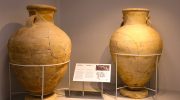
The real transformation came during the Bronze Age, starting around 2600 BCE. Cyprus sat at a strategic location between Egypt, the Hittite empire, and Mycenaean Greece, which turned the island into a vital trading hub. Cypriot potters continued to handcraft their vessels even after the pottery wheel had been invented elsewhere. This traditional approach lasted until about 1500 BCE and produced ceramics of such high quality that they became sought-after commodities throughout the Mediterranean. Red Polished Ware, characterized by burnished surfaces and incised decorations, became particularly famous and spread across ancient trade routes.
What Makes Cypriot Ceramics Special
Cypriot pottery stands out for several distinctive features. The clay itself comes from the island’s red soil, which gives finished pieces their characteristic warm coloring. Ancient potters created an impressive variety of forms. Jugs were the most common vessels, produced in all sizes from tiny juglets under 10 centimeters tall to massive containers reaching half a meter. These jugs served practical purposes but often featured elaborate spouts and decorative elements.
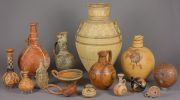
Flask shapes were notably different, with their sideways-flattened bodies designed to hold perfumes and oils. Some Bronze Age juglets called bilbils had unique shapes that researchers believe resembled opium poppies, complete with decorative stripes mimicking the cuts made to extract sap. Tests on some vessels have revealed trace amounts of opium inside, suggesting they may have transported this valuable substance.
Base Ring Ware represents another distinctive type, recognizable by its thin, metallic-looking fabric and colors ranging from red-orange to black. White Slip Ware featured pale surfaces that provided perfect backgrounds for painted decorations. Each pottery style reflected both local creativity and influences absorbed from trading partners across the Mediterranean.
Fascinating Details Worth Knowing
Ancient Cypriots created pottery shaped like animals, demonstrating their playful creativity alongside practical needs. These zoomorphic vessels served functional purposes while doubling as decorative pieces. The island’s potters developed such refined techniques that their work rivaled metal vessels in quality and appearance.
In medieval times, particularly during the Byzantine period, glazed vessels with engraved decorations became widespread. Local ceramicists used distinctive green paint and developed a unique technique of dipping parts of pots in light creamy solutions made from pure white clay. This created beautiful contrasting effects that made Cypriot pottery recognizable across the region.
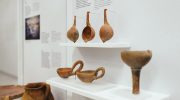
Legend credits King Kiniras of Paphos, founder of the Aphrodite cult, with inventing the art of pottery in Cyprus. While this mythological origin story cannot be verified, it reflects how deeply pottery became woven into Cypriot cultural identity.
Traditional Methods and Regional Variations
Cyprus developed several regional pottery centers, each with distinct characteristics. Lapithos gained fame for its characteristic “patanas” coating, incised decorations, and colorless glaze. Italian priest Giovanni Mariti described Lapithos as the center of traditional ceramics in 1769, confirming its long-standing reputation. Medieval furnaces from the 16th century found in this area provide archaeological evidence of sustained pottery production for about 500 years.
The villages of Kornos and Phini in the Troodos mountain region became particularly important centers. Kornos potters worked entirely by hand using low, foot-powered wheels that turned slowly, allowing precise control. They decorated pots with simple carved strips just below the neck, using three techniques: stikti involved pressing a comb piece into the spinning pot’s surface, harakti meant dragging the comb to create lines, and charagmeni combined pressing and dragging movements.
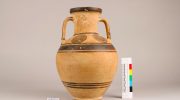
Phini developed its own distinctive tradition, with women known as mastorisses serving as master potters. These skilled craftswomen passed techniques from generation to generation, maintaining ancient methods. They shaped vessels on small pottery wheels just 30 centimeters high, manually turning them while using wooden knives to smooth and shape the clay. The process involved creating the main body, then adding rolled clay “sausages” to form decorative convex rims at the neck.
Living Tradition in Modern Cyprus
Traditional red clay pottery earned recognition on UNESCO’s Intangible Cultural Heritage List in 2016, acknowledging its importance to Cypriot identity. Today, pottery continues in several villages despite modernization pressures. Kornos remains particularly active, with potters still creating vessels using hand methods and foot-powered wheels, though modern electric or gas ovens have replaced traditional furnaces.
Phini maintains its pottery heritage through community efforts. The Phini Community Centre and Phini Diaspora Association support a pottery workshop where traditional techniques survive. Women continue working in small cooperatives and home workshops, keeping ancient skills alive while adapting to contemporary markets.
Modern Cypriot potters have elevated the craft beyond utilitarian objects to fine art. Contemporary ceramicists combine traditional methods with innovative designs, creating pieces that honor heritage while expressing modern artistic visions. Galleries throughout Cyprus showcase these works, demonstrating how pottery remains a vibrant part of the island’s cultural expression.

Experiencing Cyprus Pottery Heritage
Visitors can engage with pottery traditions in several ways. The Cyprus Museum in Lefkosia displays extensive collections showing pottery evolution from the Middle Bronze Age through the Roman period. Names like Krateras, Oinochoe, and Amphora become familiar as you explore vessels designed for specific purposes like storing wine, mixing water, pouring, drinking, and holding oils or perfumes.
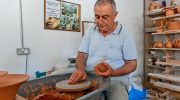
Walking through Kornos village allows direct observation of potters at work. The sound of foot-powered wheels and the sight of skilled hands shaping red clay connect visitors to millennia of tradition. Many workshops welcome guests to try their hand at pottery, providing tactile understanding of the skill required. Phini offers similar experiences in the scenic Troodos Mountains, where pottery workshops sit among stone houses and winding cobbled streets.
Several museums and archaeological sites across Cyprus display remarkable pottery collections. The pieces show everything from simple cooking vessels to elaborate ceremonial wares, revealing how pottery served practical, economic, and artistic functions throughout history.
Contemporary Pottery Practices in Cyprus
Today, pottery in Cyprus continues as both an art form and a reflection of cultural heritage. Modern artisans blend traditional techniques with innovative designs, creating pieces that appeal to both locals and visitors. Workshops and studios in towns like Lefkara and Limassol often produce distinct ceramics, including decorative plates and household items. These pieces frequently incorporate motifs inspired by ancient Cypriot pottery, such as geometric patterns and natural elements, preserving a connection to the past.
The industry also supports the local economy by attracting tourists interested in purchasing handcrafted items or participating in pottery-making sessions. Events like art fairs and exhibitions across the island often showcase contemporary works, offering opportunities for artists to gain recognition. This blend of tradition and modernity ensures that the craft remains relevant while continuing to celebrate its rich history. Visitors to Cyprus can find pottery not only as souvenirs but as pieces of the island’s story.