All Articles

Easter Traditions in Cyprus

Easter Traditions in Cyprus

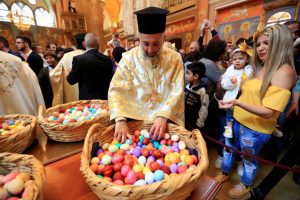
The spring season in Cyprus brings one of the most important annual cultural periods, marking a nationwide break in routine and a time of shared community observance. Known locally as Pascha, this period follows the Julian calendar and is widely recognized as a major social and cultural transition point in the year. Across the island, villages and cities organize a sequence of evening gatherings, public walks, symbolic night events, and large family meals that bring people together from near and far. The celebrations combine medieval Byzantine-era customs with local Cypriot practices that have evolved over centuries. A defining feature of this period is the midnight gathering in town squares and village courtyards, where bells ring and fireworks illuminate the sky.…

Read more
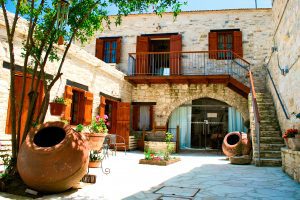

Traditional Village Homes of Cyprus

Traditional Village Homes of Cyprus

Traditional Cyprus village homes centered on extended family units living together across multiple generations within shared compounds. These stone-built structures featured the dikhoro or double room arrangement as the main living space, surrounded by courtyards where families conducted agricultural work, food processing, and daily domestic tasks. The architecture reflected social organization where newly married couples built homes adjacent to parents' property, creating family clusters that expanded outward from original settlement cores. Children grew up surrounded by grandparents, aunts, uncles, and cousins who shared courtyard spaces and participated in collective economic activities including olive pressing, wine making, and textile production. The extended family functioned as an economic unit that pooled labor and resources while providing social security through mutual support. This…

Read more
Waterfront Streets of Cyprus

Waterfront Streets of Cyprus

Cyprus waterfront streets stand as living examples of Mediterranean coastal architecture. These narrow lanes wind between stone homes and harbors where fishing boats bob in the water. The combination creates a picture that has defined Cypriot coastal life for centuries. The architecture reflects practical needs adapted over generations, with thick stone walls built to withstand salt air and coastal weather. Fishermen positioned their homes steps from the water, creating communities where daily life revolved around the sea. Today these streets preserve traditional building methods and materials while continuing to function as active neighborhoods. The stone structures, colorful boats, and winding pathways offer a direct connection to Cyprus's maritime heritage. Waterfront Architecture in Cyprus The relationship between Cyprus and the sea…

Read more
Cyprus Ports and Maritime Trade

Cyprus Ports and Maritime Trade

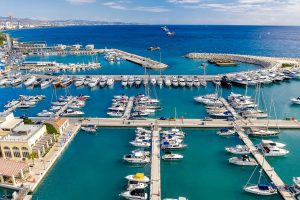
Cyprus operates as one of the Mediterranean's most important maritime hubs, with ports handling approximately 4.7 million tonnes of cargo annually and the island controlling the third largest merchant fleet in the European Union. The strategic location at the crossroads of Europe, Asia, and Africa has made Cyprus a natural transhipment center for European-Far East trade routes. Limassol serves as the main port, processing around 90 percent of the island's exports and imports with capacity for 500,000 twenty-foot equivalent units. The Cyprus ship registry ranks eleventh globally with over 2,200 ocean vessels totaling more than 25 million gross tons. Limassol city has evolved into Europe's largest third-party ship management center, with over 200 shipping companies managing approximately 20 percent of…

Read more
Cyprus Metal Crafts Through Ages

Cyprus Metal Crafts Through Ages

Cyprus holds a unique position in metalworking history. The island gave its name to copper itself, with the Latin term "cuprum" deriving from "Cyprus." For over 6,000 years, Cypriot artisans have shaped metals into tools, weapons, jewelry, and decorative objects. The tradition spans from simple Chalcolithic copper tools around 4000 BCE to Byzantine gold treasures and modern handcrafted silver jewelry. This heritage connects ancient mining operations in the Troodos Mountains with contemporary workshops where craftspeople maintain techniques passed down through generations. Historical Background The metal story in Cyprus begins during the Chalcolithic period when early settlers discovered native copper deposits. By 3000 BCE, Cypriots were already working copper to create artifacts of high quality that circulated throughout the Mediterranean. Archaeological…

Read more
Cyprus Mouflon Wildlife and Habitat

Cyprus Mouflon Wildlife and Habitat

The Cyprus mouflon represents the only wild sheep endemic to Cyprus and the largest wild land mammal on the island. This subspecies stands about one meter tall at the shoulder and exhibits the classic features of mouflon: reddish to dark brown coats with distinctive black dorsal stripes and lighter saddle patches. The name "mouflon" comes from the Corsican words "mufro" for males and "mufra" for females. In Cyprus, locals call this animal "agrino," derived from the Greek word "Αγρινό." Adult males weigh up to 50 kilograms, while females typically reach around 35 kilograms. Males develop spectacular curved horns that grow in nearly complete circles, reaching lengths up to 85 centimeters. Most females do not develop horns, though some carry small…

Read more
Cyprus Local Markets

Cyprus Local Markets

Cyprus local markets, known as laiki agora or people's markets, represent living institutions where agricultural producers sell directly to consumers while maintaining social networks that define community identity. These weekly open-air markets operate across cities, towns, and villages, with vendors displaying fresh produce, dairy products, preserved foods, and household goods on temporary stalls that appear each market day then disappear until the following week. The markets trace their origins to ancient agora traditions where commerce, politics, and social interaction converged in designated public spaces. For centuries, these gatherings functioned as primary venues for villagers to exchange surplus crops, acquire goods unavailable locally, and share information before modern retail and communication technologies transformed commerce. Despite supermarkets and online shopping, traditional markets…

Read more
Cyprus Farming Rhythms and Seasonal Traditions

Cyprus Farming Rhythms and Seasonal Traditions

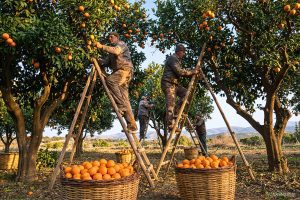
Cyprus agriculture follows ancient patterns shaped by Mediterranean climate and generations of farming wisdom. The island produces diverse crops throughout the year, from citrus fruits and potatoes to grapes and olives. Over 320 sunny days annually create ideal conditions for cultivation, though water scarcity challenges farmers who consume 70% of the island's resources for irrigation. Small family farms dominate the landscape despite modernization. Agriculture contributes roughly 2% to GDP while employing 7% of the workforce. The sector supports rural communities and preserves village life across mountainous terrain. Traditional methods blend with contemporary techniques as Cyprus maintains its reputation for quality Mediterranean produce. Ancient Roots Shape Modern Agriculture Farming traditions in Cyprus stretch back to the 2nd millennium BC, with archaeological…

Read more
Cyprus Folk Dances and Festivals

Cyprus Folk Dances and Festivals

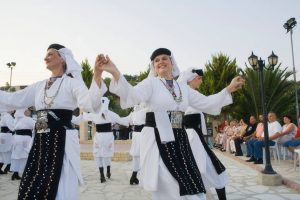
Cyprus folk dances represent living traditions that connect modern Cypriots to Byzantine heritage through choreographed movements, traditional costumes, and communal participation. These dances appear at weddings, religious festivals, harvest celebrations, and family gatherings, serving social functions beyond entertainment by reinforcing community bonds, facilitating courtship under supervision, and displaying cultural identity. The basic repertoire includes syrtos and kartzilaumas, performed as paired confrontational dances or circle formations, alongside specialty performances like tatsia where dancers balance wine-filled glasses on sieves, and drepani, the sickle dance demonstrating agricultural skills. Men and women traditionally danced separately, with social conventions restricting female dancing primarily to weddings while men performed at coffee shops, threshing floors, and festivals. The movements emphasize improvisation within communal constraints, with dancers competing…

Read more