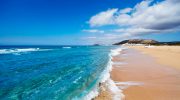
Alykes Beach is a quiet coastal area located near the town of Neapolis in the Famagusta district of southeastern Cyprus. The beach stretches approximately 400 meters along the Mediterranean coast, positioned about 1.8 kilometers from the center of Neapolis.
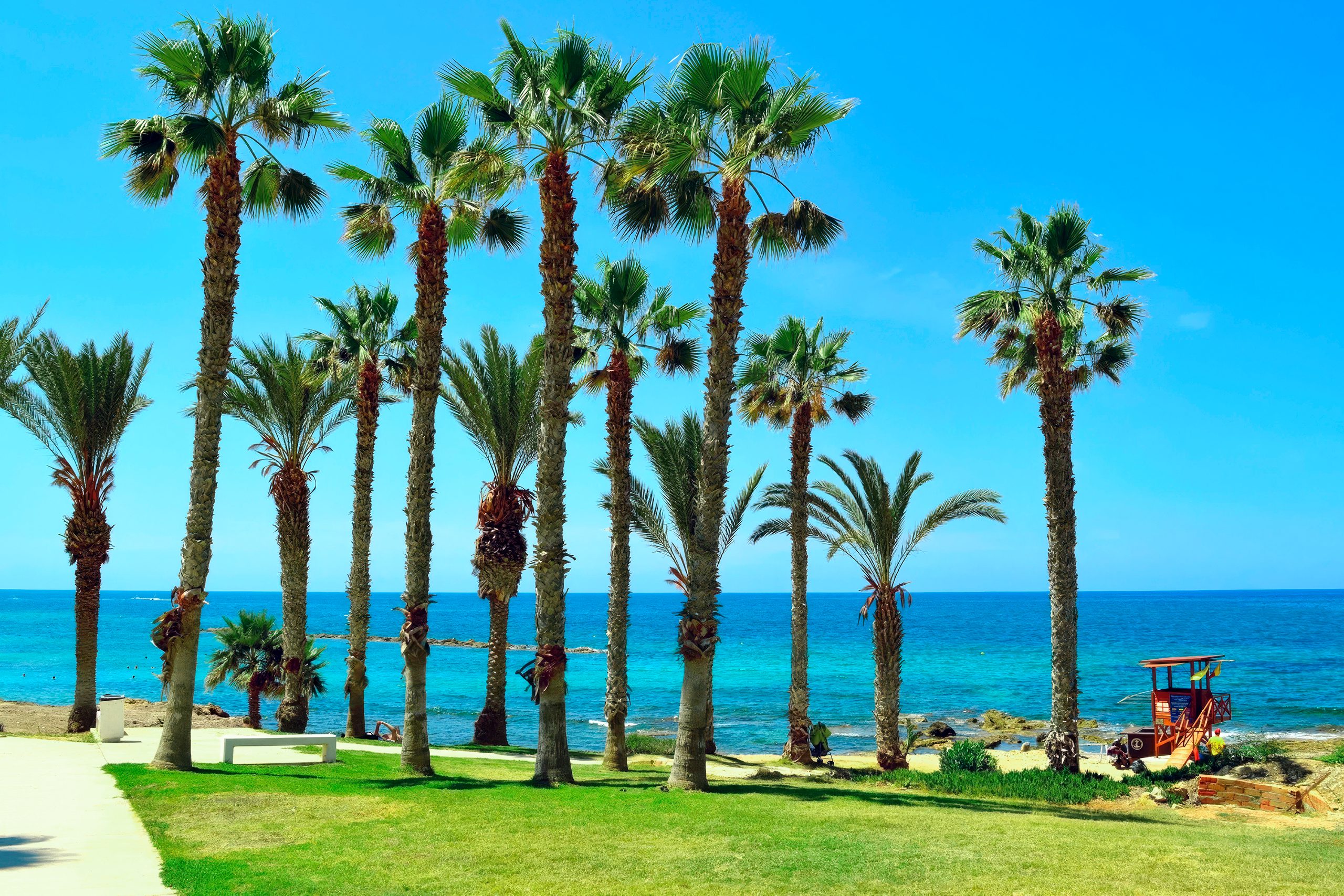
Unlike the busier tourist beaches found in major resort areas, Alykes maintains a more tranquil atmosphere that appeals to visitors seeking a relaxed seaside experience. The beach consists of small coves covered with sand, with portions privately owned by local beach resorts while maintaining a spacious public access area.
Development of the Coastal Area
The Neapolis area developed gradually as a coastal settlement, with the beach remaining relatively undeveloped compared to major tourist zones in Cyprus. The name Alykes likely refers to salt pans or saline areas that historically existed along Mediterranean coastlines, though the modern beach area shows no obvious traces of such features.
The beach gained its current character through modest development that balanced tourism needs with preserving the natural coastal environment. Local authorities maintained regulations that prevented excessive construction and kept much of the surrounding landscape in its natural state.
The beach infrastructure developed primarily during the expansion of Cyprus tourism in recent decades, yet growth remained controlled compared to areas like Ayia Napa or Protaras just a few kilometers away. This slower development pattern helped Alykes retain characteristics that attract visitors specifically looking for quieter beach experiences. The proximity to Neapolis provides convenient access to services while the beach itself avoids the density found in major resort strips. The area represents a middle ground between completely undeveloped natural beaches and heavily commercialized tourist zones.
Characteristics of the Beach and Coastline
The beach features fine sand that extends along the shoreline, creating comfortable areas for sunbathing and beach activities. The seabed slopes gradually into the Mediterranean, making entry into the water straightforward without sharp drops or difficult rocky sections. Water depth increases slowly, allowing swimmers to wade out comfortably and providing safe conditions for children. The clear water offers good visibility for observing the sandy bottom and occasional marine life near the shore. Gentle waves characterize most days, though wind conditions can create moderate surf during certain weather patterns.
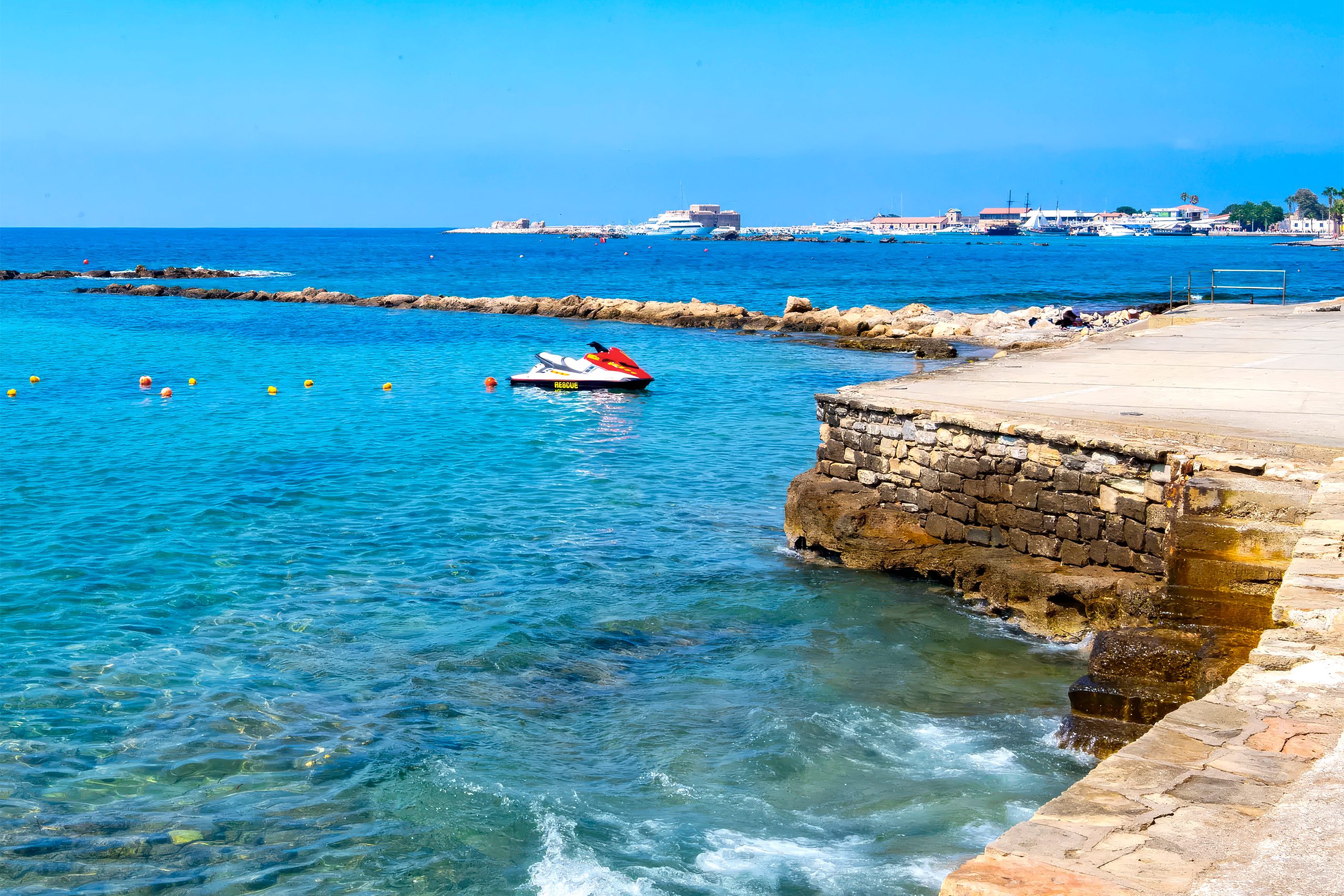
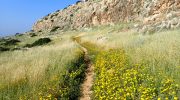
The beach width varies along its length, with some sections offering more generous sand areas while others narrow where rocky outcrops approach the waterline. Natural vegetation grows in areas behind the beach where development has not occurred, including typical Mediterranean coastal plants adapted to sandy soils and salt spray. The overall setting combines the beach itself with views across the sea toward the horizon, unobstructed by major development. The coastal landscape maintains a natural appearance despite the presence of tourist facilities in designated areas.
Facilities and Beach Services
Alykes Beach provides essential facilities that ensure comfortable visits without overwhelming the natural setting. Sunbeds and umbrellas are available for rent in organized sections of the beach, allowing visitors to secure shade and comfortable seating. Changing cabins and shower facilities enable beachgoers to rinse off salt water and change clothes. Public restrooms serve beach users throughout the day. Lifeguards patrol designated swimming areas during the tourist season, providing safety monitoring and emergency response capabilities if needed.
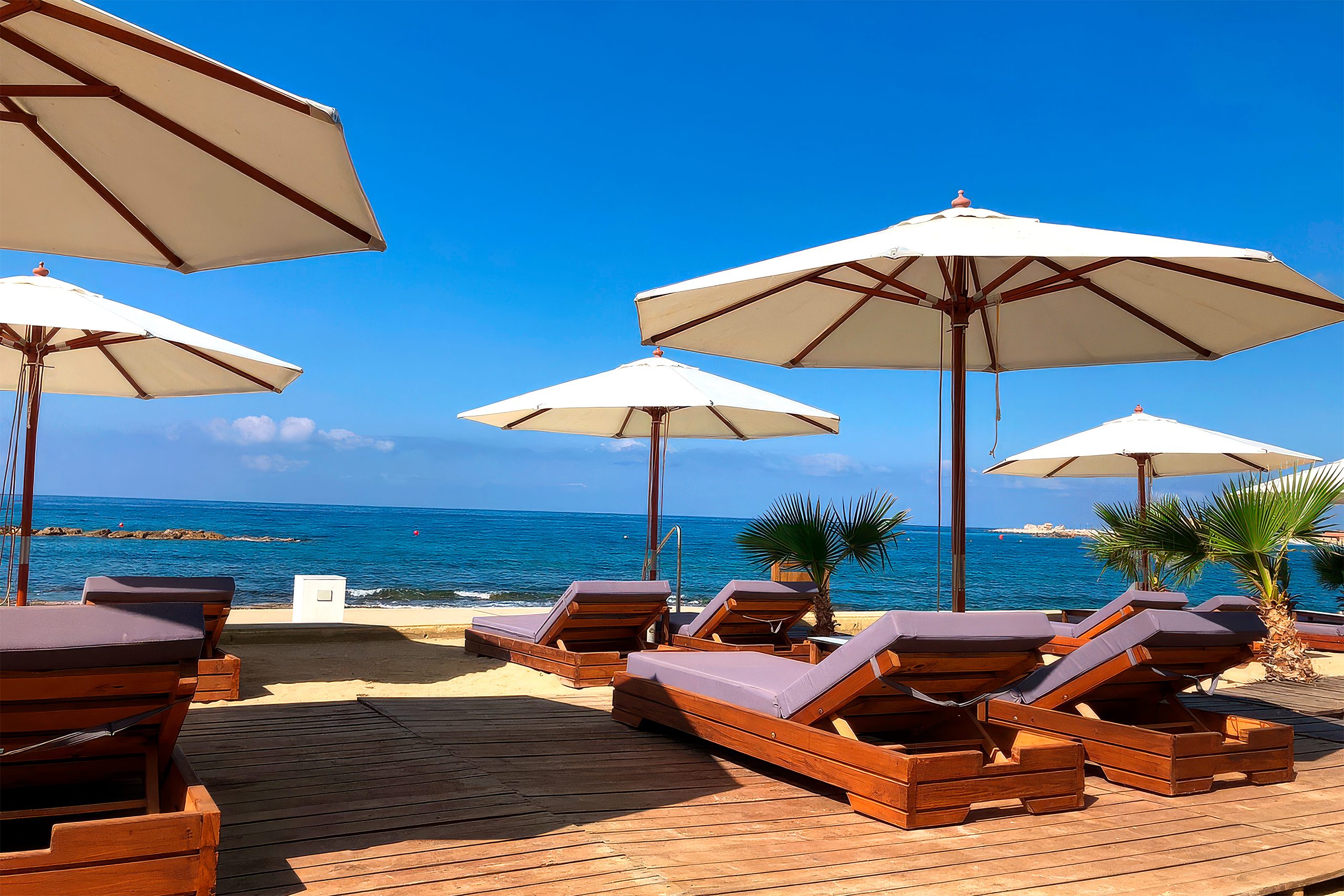
Several cafes and restaurants operate near the beach, with the nearest establishment located approximately 90 meters from the sand. These dining options offer refreshments, snacks, and full meals without requiring visitors to leave the beach area. A Pizza Hut branch serves as one recognized food option nearby.
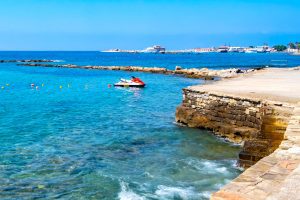
The beach facilities maintain cleanliness standards appropriate for a public beach, with regular maintenance to remove debris and maintain sanitary conditions. Water sports equipment is available in certain sections, including kayaks for exploring the coastline. The organized facilities occupy specific zones, leaving other beach sections more natural for those who prefer minimal infrastructure.
Notable Features and Natural Aspects
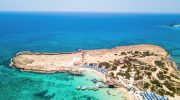
The beach structure includes a series of small coves rather than one continuous straight shoreline. This cove formation creates slightly different environments along the beach length, with some coves offering more protection from waves and wind than others. The natural topography provides variety in beach experiences depending on which section visitors choose. Rocky areas separate some coves, creating natural divisions in the beach landscape. These rock formations add visual interest and provide platforms for observing the sea.
Marine life typical of the Mediterranean coast inhabits the waters around Alykes. Small fish species can be spotted near the shore, particularly around rocky areas where they find shelter and food sources. The sandy bottom supports various invertebrates and creates habitat for species adapted to this substrate. Seabirds occasionally visit the beach area, particularly gulls that patrol for food opportunities. The coastal environment remains relatively healthy due to controlled development and regular maintenance. Water quality meets standards for safe swimming, contributing to the beach’s appeal for families.
Location Within the Regional Context
Alykes Beach sits in the Famagusta district, approximately 98 kilometers from Nicosia, the island’s capital. The beach location places it within reach of several major tourist destinations while maintaining its quieter character. Ayia Napa, one of Cyprus’s most famous resort areas, lies a short drive away, yet Alykes attracts visitors specifically seeking alternatives to busy party beaches. Protaras, another major resort town, is similarly close. This positioning allows visitors to stay in quieter accommodation near Alykes while accessing livelier entertainment options when desired.
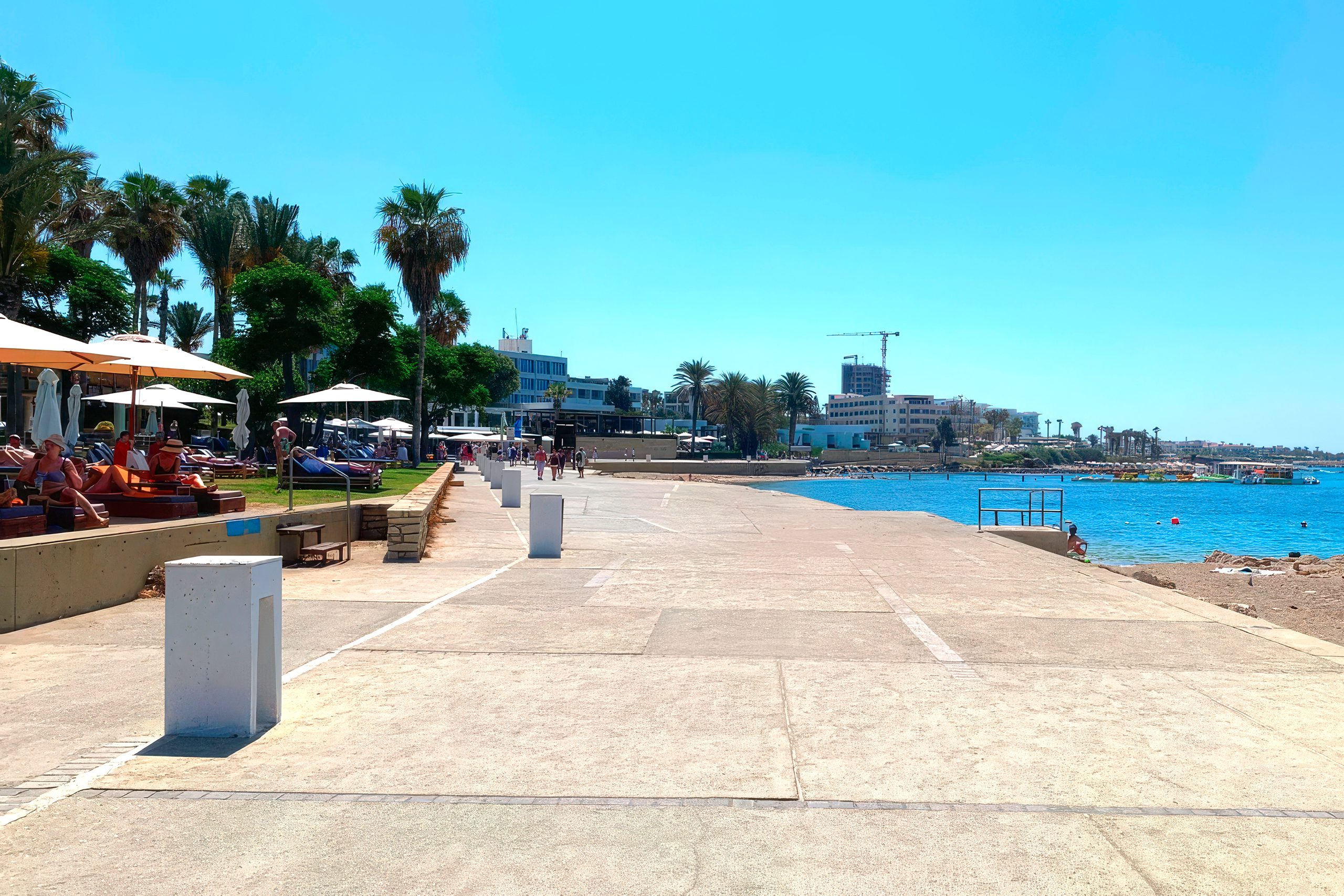
The Neapolis area itself provides local services including shops, markets, and additional dining beyond the immediate beach restaurants. The town maintains a traditional Cypriot character that contrasts with purpose-built resort areas. Visitors staying near Alykes Beach can experience both beach relaxation and authentic local town life. The region around Famagusta district includes significant historical sites, natural areas, and cultural attractions that complement beach visits. The beach serves as a base for exploring southeastern Cyprus while offering daily opportunities for seaside leisure.
Current Appeal and Visitor Experience
Alykes Beach ranks 131st among 195 beaches in the Cyprus region according to some beach guides, indicating it falls in the middle range rather than being a top-tier destination. This positioning reflects its quieter nature and more modest facilities compared to famous beaches, while still offering good quality experiences.
The beach particularly appeals to visitors who prioritize tranquility over extensive amenities or entertainment options. Families appreciate the safe swimming conditions and adequate facilities without overwhelming crowds. People seeking authentic experiences rather than manufactured resort environments find value in the setting.
Approximately 513 accommodation options exist within four kilometers of the beach, with the closest located just 90 meters away. This range of nearby lodging provides flexibility for visitors planning beach-focused stays. The beach attracts people who appreciate straightforward seaside experiences, swimming in clean water, and relaxing without constant activity around them.
The natural beauty comes from the coastal setting itself rather than dramatic geological features or unique characteristics. This simplicity appeals to visitors tired of overstimulation who want basic pleasures of sun, sand, and sea.
Planning a Visit to Alykes
Access to Alykes Beach is straightforward by car, with parking available near the beach area. Public transportation options serve the Neapolis area, though specific beach access may require some walking. The beach is open year-round with no entrance fee for the public sections. Peak visitor numbers occur during summer months from June through September when water temperatures reach their warmest and weather conditions are most reliable. Spring and autumn offer pleasant conditions with fewer visitors, though water temperatures are cooler than midsummer.
Visitors should bring standard beach supplies including sunscreen, towels, and water. Water shoes are not essential given the sandy bottom, though some may prefer them for rocky sections between coves. Swimming ability appropriate to open water is recommended, though shallow areas accommodate less confident swimmers.
Modest attire is acceptable at the beach with typical swimwear permitted. Restaurants and cafes accept cash and cards. The beach setting works well for half-day or full-day visits, with nearby accommodation allowing multi-day stays focused on beach relaxation and regional exploration.
A Beach for Those Seeking Simplicity
Alykes Beach offers what many visitors increasingly value, a genuine beach experience without excessive commercialization or crowds. The location demonstrates that Cyprus provides beach options beyond its famous party zones and luxury resorts. For travelers who measure beach quality by peace and natural beauty rather than amenities and activities, Alykes delivers satisfying experiences.
The beach proves that sometimes the best coastal destinations are those that remain relatively undiscovered, maintaining their authentic character while providing essential comforts. Visitors to southeastern Cyprus seeking quiet alternatives to busy tourist beaches will find Alykes worth exploring as part of discovering the island’s diverse coastal offerings.