All Articles

Louvi Cyprus Dish

Louvi Cyprus Dish

Louvi is one of Cyprus’s most familiar meals, yet it is rarely described in grand terms. Made from black-eyed peas cooked with seasonal greens and finished with olive oil and lemon, it belongs to a category of food that does not seek attention. Louvi exists to nourish, to repeat, and to sustain. More than any celebratory dish, it reflects how Cypriots have cooked for themselves over generations, adapting to land, climate, and routine rather than occasion. This is not festival food. It is a daily food. And in that quiet repetition, Louvi reveals more about Cypriot home cooking than any elaborate recipe ever could. A Meal Built Around Necessity, Not Display At its core, Louvi is simple. Black-eyed peas are…

Read more
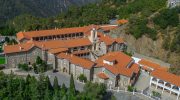
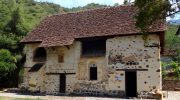
Sacred Rhythms of Cyprus

Sacred Rhythms of Cyprus

Religious celebrations in Cyprus are not confined to church interiors or specific dates. They shape the pace of the year, the movement of villages, and the shared memory of communities across the island. Rooted primarily in the traditions of the Orthodox Church, these celebrations blend formal liturgy with local customs, seasonal rhythms, and deeply human moments of gathering, mourning, and joy. To understand Cyprus is to understand how sacred time is lived here, not as an abstraction, but as part of everyday life. Time measured in faith, not months In Cyprus, time has long been understood through a sacred rhythm rather than a purely civil one. The Orthodox liturgical calendar does not simply mark holidays; it structures the year around…

Read more
Sacred Groves of Ancient Cyprus

Sacred Groves of Ancient Cyprus

In ancient Mediterranean belief systems, the natural world was not viewed as separate from the divine but as one of its primary expressions. Mountains, springs, caves, and especially groves of trees were often regarded as places where divine presence could be felt most directly. In Cyprus, this understanding took a distinctive form through the preservation and veneration of sacred groves. These spaces were not heavily built environments but living landscapes set apart from ordinary use. They represented an early form of ecological sacredness, where nature itself functioned as a sanctuary and the boundary between human and divine realms was marked by respect rather than construction. Sacred groves on the island reflect a worldview in which divinity resided in the rhythms…

Read more
Night Culture in Cyprus – Dining and Events

Night Culture in Cyprus – Dining and Events

Cyprus transforms dramatically when the sun sets over the Mediterranean. The island's night culture combines traditional tavernas, modern beach clubs, live music venues, and cultural events that operate well past midnight. Government regulations require all nightlife establishments to close by 3:00 AM, with restaurants and bars shutting at 1:00 AM. A noise curfew from 10:00 PM protects residential areas, ensuring entertainment zones remain distinct from living quarters. This structure creates concentrated nightlife hubs in coastal cities and tourist areas where locals and visitors gather for evening entertainment. Historical Context Traditional Cypriot evening culture centered on family gatherings and village celebrations for centuries. The taverna, a cornerstone of social life, provided spaces where communities shared meals, stories, and music. After Cyprus…

Read more
Music and Identity in the Cyprus National Anthem

Music and Identity in the Cyprus National Anthem

Cyprus and Greece share the same national anthem, the Hymn to Liberty, making them the only two countries in the world to use the same musical composition for their national anthems. On November 16, 1966, it was unilaterally decided by the Greek members of government that the Greek anthem would be used by Cyprus as well. The Turkish members had already boycotted the government by this point. This decision reflected the cultural and historical ties between Greece and Cyprus, both of which share language, traditions, and a sense of common identity, though it also revealed the deep division between the island's two communities. The Revolutionary Poem Behind the Music Dionysios Solomos wrote Hymn to Liberty in 1823 in Zakynthos during…

Read more
Cyprus Scenic Mountain Passes

Cyprus Scenic Mountain Passes

Cyprus mountain roads offer some of the Mediterranean's most spectacular drives, with routes that climb from sea level to nearly 2,000 meters through ancient forests, traditional villages, and panoramic viewpoints. These roads showcase the island's dramatic geography while connecting travelers to centuries of history and natural beauty. Mount Olympus Road The road to Mount Olympus climbs to 1,952 meters above sea level, making it the highest point on the island. Two military bases occupy the summit, one British and one Cypriot, limiting public access to the very top. However, roads leading toward the peak provide stunning views of surrounding valleys and forests. The journey starts from several possible directions, with routes from Limassol through Platres being among the most popular.…

Read more
Pentozali Cyprus Dance

Pentozali Cyprus Dance

The Pentozali is one of the most powerful dances ever to cross the sea between Crete and Cyprus. Born in the mountains of western Crete as a dance of resistance and endurance, it later became part of Cyprus’s festival life, folk education, and stage tradition. When performed on Cypriot soil today, the Pentozali is not treated as a foreign import, but as a shared expression of strength, memory, and collective identity within the wider Hellenic world. This is not a dance meant to decorate an evening. It is meant to command attention. A Dance Built on Movement, Not Decoration Pentozali belongs to the family of pidichtos dances, a term that refers to leaping, high-impact movement rather than flowing steps. The…

Read more
Sanctuary of Opaon Melanthios

Sanctuary of Opaon Melanthios

A rural shrine dedicated to a local healing deity (Melanthios), illustrating the existence of indigenous Cypriot gods worshipped alongside the Greek pantheon. The Sanctuary of Opaon Melanthios stands as a profound example of Cyprus's religious syncretism, where an indigenous deity associated with shepherds and rural healing was venerated in harmony with Greek gods like Pan and Apollo. Situated on the 'Petros Anthropos' hill north of Amargeti in the Paphos district, this rural shrine highlights the island's unique spiritual landscape, blending local Cypriot traditions with Hellenistic influences. As a healing deity, Opaon Melanthios, whose name translates to "Dark Shepherd", was invoked for protection over flocks, health, and fertility, reflecting the agrarian society's reliance on divine intervention for well-being and prosperity. This…

Read more
Scenic Routes Across Cyprus

Scenic Routes Across Cyprus

Cyprus offers some of the Mediterranean's most spectacular driving routes, where every turn reveals new landscapes. The island combines rugged mountain roads with sweeping coastal highways, creating opportunities for unforgettable journeys. These routes connect ancient monasteries, traditional villages, archaeological sites, and pristine beaches through landscapes that shift dramatically within short distances. Whether winding through pine-covered mountains or following cliff-edge roads above turquoise waters, Cyprus's scenic routes provide access to the island's diverse natural beauty and cultural heritage. The Mountain Heart of Cyprus The Troodos Mountains, the largest mountain range in Cyprus, offer some of the island's most scenic drives. This area is known for its picturesque villages, dense forests, and cool mountain air. The drive from Limassol to the heart…

Read more