Cyprus transforms dramatically when the sun sets over the Mediterranean. The island’s night culture combines traditional tavernas, modern beach clubs, live music venues, and cultural events that operate well past midnight. Government regulations require all nightlife establishments to close by 3:00 AM, with restaurants and bars shutting at 1:00 AM.
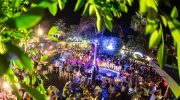
A noise curfew from 10:00 PM protects residential areas, ensuring entertainment zones remain distinct from living quarters. This structure creates concentrated nightlife hubs in coastal cities and tourist areas where locals and visitors gather for evening entertainment.
Historical Context
Traditional Cypriot evening culture centered on family gatherings and village celebrations for centuries. The taverna, a cornerstone of social life, provided spaces where communities shared meals, stories, and music. After Cyprus gained independence in 1960, urbanization and tourism development gradually transformed these customs into more diverse offerings.
The 1970s and 1980s saw coastal areas develop tourism infrastructure, particularly in Ayia Napa, Limassol, and Paphos. International visitors brought demand for nightclubs, cocktail bars, and entertainment that extended beyond traditional dinner hours. By the 1990s, Ayia Napa had emerged as a major party destination, attracting European clubbers with its concentration of venues and world-class DJs.
The 2000s brought sophistication to Cyprus nightlife. Limassol developed upscale marina restaurants and rooftop bars that catered to a more affluent demographic. Paphos Harbor became a refined alternative to high-energy clubs, offering waterfront dining with views of the medieval castle. Nicosia’s Old Town preserved traditional tavernas while adding modern cocktail bars in renovated historic buildings.
What Makes Cyprus Night Culture Distinctive
Several characteristics set Cyprus apart from other Mediterranean destinations. Dinner service typically begins around 7:00 PM and continues until 10:00 PM or later. Cypriots tend to dine later than Northern Europeans, with peak restaurant hours between 8:00 PM and 10:00 PM. Weekend dining extends even later, with families and groups occupying tables for hours over multiple courses.
Traditional tavernas still observe customs that date back generations. Live bouzouki music accompanies meals on weekend evenings, with the stringed instrument creating authentic Mediterranean atmosphere. The tsifteteli dance often follows, inviting diners to join regardless of experience. Plate smashing, though less common than decades past, still occurs at some establishments as a form of celebration and expression of joy.

Ayia Napa operates as Cyprus’s undisputed party capital. Castle Club, the largest nightclub on the island with multiple dance floors and 14 bars, ranks among the top 100 nightclubs worldwide. The club’s medieval fortress design blends historical elements with modern lighting and sound systems. Aqua Club attracts crowds with VIP areas and vibrant electronic music, while Senior Frog’s offers live entertainment and party games.
Fascinating Facts About Evening Entertainment
The legal drinking age in Cyprus is 17, though many clubs and bars enforce stricter policies requiring patrons to be 18 or 21. This creates varying age demographics across different venue types. Beach clubs and international DJ events attract younger crowds, while traditional tavernas and harbor restaurants draw families and older patrons.

The bouzouki tradition permeates Cypriot nightlife. This four-paired string instrument features prominently in traditional music venues across all major cities. Musicians play with passion, creating Middle Eastern-influenced melodies that define the island’s musical heritage. Rembetiko, known as Greek blues, emerged following the Greco-Turkish conflict of 1923 when ethnic Greeks brought their musical culture to Cyprus.
Meze dining dominates traditional evening experiences. This meal structure involves ordering a series of small plates that arrive in succession, creating social dining that spans hours. Full meze platters can include 20 to 30 different dishes ranging from grilled halloumi and loukaniko sausage to fresh seafood and slow-cooked lamb. The cost averages 20 to 25 euros per person for unlimited courses.
How Dining Hours Shape Evening Life
Restaurant meal timing follows Mediterranean patterns distinct from Northern European habits. Breakfast service runs 7:00 AM to 10:00 AM, lunch occupies 12:00 PM to 3:00 PM, and dinner begins at 7:00 PM with no fixed closing time at many establishments. Most restaurants close between 10:30 PM and 11:30 PM on weekdays, extending later on weekends.
Traditional tavernas in villages and smaller towns often stay open until midnight, particularly during summer months. These establishments maintain authentic Cypriot atmosphere with locally sourced ingredients and family recipes passed through generations. Booking tables in advance becomes essential on weekends when locals and tourists fill available seats.

Beach cafes and clubs operate different schedules. Many open mid-morning for coffee and light meals, then transition to lunch service before transforming into evening venues. The atmosphere shifts dramatically as sun loungers give way to cocktail tables and DJ booths. Music volume increases after sunset, creating party environments that peak around midnight.
How Night Culture Connects to Modern Cyprus
Evening entertainment drives significant economic activity. The tourism industry relies on nightlife to attract visitors, particularly the 18 to 35 demographic that seeks beach holidays combined with active social scenes. Hotels in party destinations staff 24-hour reception desks and offer late check-ins to accommodate guests arriving from evening flights.
The hospitality sector employs thousands in bars, restaurants, and clubs with flexible schedules that accommodate peak evening hours. Weekend shifts command premium wages, and experienced bartenders and servers can earn substantial income through tips. Summer months see employment spike as seasonal workers from across Europe arrive to staff tourist venues.
Cultural preservation occurs through traditional music venues that maintain bouzouki performances and folk dancing. These establishments serve as living museums where younger generations learn customs from elders. The Pharos Arts Foundation organizes open-air concerts in Nicosia’s Cultural Center gardens, featuring classical music and jazz that attract cultured audiences.
Experiencing Cyprus Nights Today
Visitors find accessible entry points to Cypriot night culture. Beach bars provide relaxed introductions with cocktails served on sand as waves crash nearby. Live bands perform ranging from smooth jazz to local groups that encourage dancing. Finikoudes Promenade in Larnaca offers palm-lined waterfront packed with cafes and bars where people stroll while enjoying sea breezes.
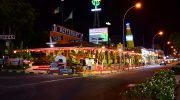
Traditional taverna experiences require some preparation. Arriving around 8:00 PM ensures seating before peak crowds. Ordering meze gives the full culinary journey through Cypriot cuisine. Participating in dancing when invited connects visitors with local culture in welcoming, non-judgmental environments. Musicians often play requests, creating interactive experiences.
How a Thriving Nightlife is Reshaping Cyprus
Evening entertainment preserves and evolves Cypriot identity. Traditional tavernas maintain connections to agricultural past and village life, while modern venues demonstrate how the island adapts to globalization. This balance allows Cyprus to offer authentic experiences alongside international standards that appeal to diverse visitors.

The late dining culture reinforces family and community bonds central to Mediterranean lifestyle. Spending hours over shared meals creates space for conversation, relationship building, and stress relief that rushed modern life often eliminates. This cultural practice contributes to wellbeing and social cohesion that benefits mental and physical health.
For an island economy heavily dependent on tourism, nightlife represents crucial competitive advantage. Visitors choose Cyprus over alternative destinations partly because of vibrant evening options. The government’s strict 3:00 AM closing and noise regulations balance economic benefits with quality of life for residents, creating sustainable nightlife that serves multiple stakeholders.