All Articles

Sotira-Teppes, Cyprus

Sotira-Teppes, Cyprus

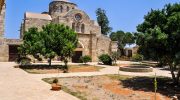
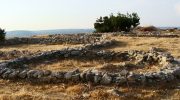
On a hilltop in southern Cyprus, approximately 6.5 kilometers from the coast, archaeologists discovered one of the most important Neolithic settlements in the Mediterranean. Sotira-Teppes stands as the defining site for the Ceramic Neolithic or Sotira Culture, which flourished between 4500 and 3800 BCE. Discovered in 1934 by Porphyrios Dikaios, curator of the Cyprus Museum, the site was excavated during the late 1940s and 1950s. The material culture found here was so distinctive that it gave its name to an entire phase of Cypriot prehistory, marking when island communities embraced pottery production and established new settlement patterns. The Hilltop Settlement The inhabitants chose their location strategically. The hill rises to approximately 330 meters above sea level and offers commanding views…

Read more

Cyprus Slow Village Life

Cyprus Slow Village Life

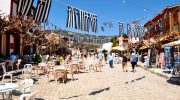
Cyprus supports a unique lifestyle where professionals maintain village homes while commuting to urban jobs. Improved roads connecting mountain villages to coastal cities allow thousands to work in Nicosia, Limassol, Larnaca, or Paphos while living in traditional settlements. The B8 road links Paphos with mountain villages in just 25 to 35 minutes. The new highway from Limassol reaches Troodos foothills quickly. This pattern creates dual identities, with weekday mornings spent in offices and evenings returned to slow village rhythms. The trend reflects both economic and cultural factors, as rising urban property costs push buyers toward villages while nostalgia for traditional life draws those seeking authenticity. Villages expand with new homes while maintaining historic cores, creating hybrid communities of longtime residents…

Read more
St Basil Day Cyprus

St Basil Day Cyprus

Saint Basil Day on January 1 serves as Cyprus's primary gift-giving occasion rather than Christmas Day, honoring the fourth-century bishop known for his charity and liturgical contributions to Orthodox Christianity. Cypriots call the celebration Protochronia, meaning first day of the year, combining religious observance with New Year festivities. The centerpiece tradition involves cutting vasilopita, a special cake containing a hidden coin that brings good luck to whoever finds it in their slice. Families gather at midnight on New Year's Eve or the morning of January 1 to perform the ceremonial cake cutting, with slices allocated to Christ, Saint Basil, the house, absent family members, and each person present. The day also features the renewal of waters ritual, where all water…

Read more
Sousta (Cypriot Style)

Sousta (Cypriot Style)

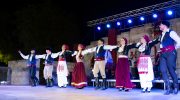
Sousta (Cypriot Style) is a dynamic folk dance from Cyprus that emphasizes balance, agility, and gender dialogue, traditionally performed in social gatherings rather than formal stages. Characterized by intricate footwork, playful interactions between partners, and rhythmic accompaniment, it reflects the island's cultural blend of Greek, Ottoman, and local influences. This dance serves as a living expression of community and courtship, preserving ancient movement patterns while adapting to contemporary celebrations. A Dynamic Expression of Cypriot Culture Sousta in its Cypriot form stands as one of the island's most energetic and interactive folk dances, where pairs or groups move in synchronized steps that highlight physical coordination and social connection. Originating from communal events like weddings and festivals, it involves men and women…

Read more
Enkomi Bronze Figurines: Gods of Copper

Enkomi Bronze Figurines: Gods of Copper

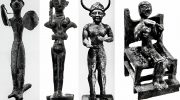
Enkomi’s bronze figurines show how Late Bronze Age Cyprus fused religion with copper production, turning its key resource into divine protection and political legitimacy. The Horned God and the Ingot God were not decorative art but intentional symbols, linking sanctuaries, workshops, and administrative control inside one civic system. This article explains Enkomi’s trade position as Alashiya, what each figure was designed to communicate, and why their burial and survival still shape how we understand “sacred industry” on Cyprus. A City Between Mine and Sea Enkomi rose on a rocky plateau near a sheltered inlet that once opened to the sea. This position allowed it to function as both a port and a processing centre, linking the copper-rich Troodos Mountains to…

Read more
Kamares Ware: Cyprus Joins Bronze Trade

Kamares Ware: Cyprus Joins Bronze Trade

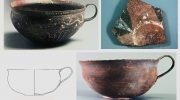
Kamares ware is luxury pottery made in Minoan Crete that reached Cyprus nearly 4,000 years ago, proving the island was already tied into long-distance Mediterranean exchange. Thin “eggshell” vessels and high-control firing techniques turned these cups and jugs into prestige objects, appearing mainly in elite burials and high-status contexts rather than everyday homes. This article explains how Kamares travelled through Cypriot ports, what it signalled about copper-era trade, and how imported styles helped reshape local ceramic traditions over time. Aegean Luxury Arrives in Cyprus During the early second millennium BCE, Cyprus was not an isolated island on the edge of history. Its copper resources made it valuable to societies that lacked metal of their own, especially Minoan Crete. At the…

Read more
Khirokitia Figurines: Stone Ancestors at Home

Khirokitia Figurines: Stone Ancestors at Home

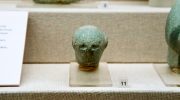
The stone figurines of Khirokitia are among Cyprus’s earliest human representations, carved over 9,000 years ago within one of the island’s first permanent farming settlements. Found in domestic and burial contexts, they were not decoration but durable objects that helped households maintain identity, lineage, and a living relationship with ancestors buried beneath the home. This article explains why the figures are intentionally abstract, why hard stone was chosen despite the labour, and what their placement reveals about memory and belonging at the dawn of settled life in Cyprus. Khirokitia Above the Maroni River The Neolithic settlement of Khirokitia lies on a steep hillside above the Maroni River in southern Cyprus. Occupied during the Aceramic Neolithic period, it represents the island’s…

Read more
Saint Barnabas Gospels

Saint Barnabas Gospels

The “Saint Barnabas Gospels” refer to a tradition that helped secure the Church of Cyprus’s independence after a late fifth-century discovery near Salamis, where a Gospel of Matthew was said to rest on Saint Barnabas’s chest. Presented to Emperor Zeno, the manuscript functioned as proof of apostolic origin and was used to confirm Cyprus’s autocephaly in a jurisdictional dispute. This article explains the discovery story, why the original book matters even though it is lost, and how later Cypriot Gospel manuscripts carried the same claim through art, script, and ritual display. A Fifth-Century Power Dispute In the late fifth century, Cyprus stood at the centre of a quiet but serious dispute. Powerful church authorities on the mainland sought control over…

Read more
Tips of settling in Cyprus

Tips of settling in Cyprus

Moving to a new country brings excitement mixed with practical challenges. Cyprus welcomes thousands of newcomers annually, from retirees seeking Mediterranean sunshine to professionals building international careers. The island nation offers a comfortable climate with over 320 sunny days yearly, affordable living costs compared to Western Europe, and a welcoming expat community. English speakers find integration particularly smooth, as the language remains widely spoken due to Cyprus's British colonial history lasting until 1960. Understanding the essential steps before arrival transforms what could be an overwhelming process into a manageable transition. This guide covers the practical elements of settling in Cyprus successfully. Finding Housing That Fits Your Budget Housing costs vary dramatically by location and proximity to coastlines. Limassol and Nicosia…

Read more