In ancient Mediterranean belief systems, the natural world was not viewed as separate from the divine but as one of its primary expressions. Mountains, springs, caves, and especially groves of trees were often regarded as places where divine presence could be felt most directly. In Cyprus, this understanding took a distinctive form through the preservation and veneration of sacred groves. These spaces were not heavily built environments but living landscapes set apart from ordinary use. They represented an early form of ecological sacredness, where nature itself functioned as a sanctuary and the boundary between human and divine realms was marked by respect rather than construction.
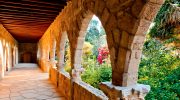
Sacred groves on the island reflect a worldview in which divinity resided in the rhythms of growth, fertility, and renewal. Trees symbolized endurance and life cycles, making wooded areas especially suitable for ritual activity connected to fertility, seasonal change, and divine blessing. By leaving these areas relatively untouched, communities expressed reverence not only for the gods but also for the natural environment believed to host them. This practice linked spiritual devotion with environmental awareness in a way that modern perspectives often describe as sacred ecology.
The Grove as a Form of Sanctuary
Unlike monumental temples that defined sacred space through architecture, groves created sacredness through preservation. A boundary—sometimes marked by stones, walls, or natural features—separated the grove from everyday land use. Within this space, cutting trees, hunting, or farming might be restricted, reinforcing the idea that the area belonged to the gods. The act of setting land apart was itself a religious gesture, transforming ordinary forest into a place of divine residence.
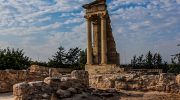
In Cyprus, archaeological and literary evidence suggests that groves functioned as early centers of worship before large temples were built. Offerings might be placed at the base of trees, near springs, or beside simple altars. The absence of elaborate structures did not diminish the importance of these sites; rather, it emphasized a direct relationship between nature and divinity. The grove became a living sanctuary where ritual practice acknowledged the sacred qualities of the environment itself.
Association with Fertility and Growth
Sacred groves in Cyprus were closely linked to deities associated with fertility, particularly Aphrodite and other figures connected to generative power. The presence of lush vegetation and natural water sources reinforced the symbolism of growth and renewal. Rituals conducted in these spaces often focused on ensuring agricultural success, human reproduction, and the health of animals. The grove provided a setting where the cycles of nature were visibly present, making it an ideal environment for ceremonies tied to seasonal rhythms.
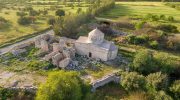
The connection between fertility rites and sacred trees reflects broader Mediterranean traditions in which vegetation symbolized life’s persistence. The grove embodied both stability and change, as trees endured across generations while leaves and fruit followed annual cycles. This duality mirrored ancient conceptions of divine order, where continuity and transformation were intertwined.
Cultural Exchange and Mediterranean Parallels
The practice of venerating sacred groves was not unique to Cyprus but part of a wider Mediterranean pattern. From Greece to the Near East, wooded sanctuaries served as places of worship long before stone temples became dominant. Cyprus’s groves participated in this shared religious vocabulary while developing distinctive local features. The island’s position at the crossroads of cultural exchange allowed religious ideas to circulate, blending indigenous traditions with influences from surrounding regions.
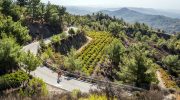
This cultural interaction reinforced the importance of natural sanctuaries. As foreign visitors encountered Cypriot groves, they recognized familiar patterns of sacred landscape, strengthening the island’s reputation as a place where divine presence was deeply rooted in nature. The continuity of grove worship across cultures highlights the widespread ancient belief that untouched natural spaces were especially suitable for divine habitation.
Ritual Practice in Natural Settings
Rituals performed in sacred groves differed in atmosphere from those conducted in built temples. The sounds of wind through leaves, the scent of vegetation, and the presence of wildlife contributed to a sensory experience that emphasized the immediacy of the natural world. Offerings of flowers, fruits, and incense aligned with the environment’s organic character. The absence of heavy architecture allowed participants to feel immersed in a living sacred space.
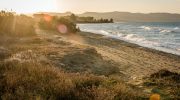
Such practices reflect an understanding of worship as an interaction with the environment rather than a separation from it. The grove itself was not merely a backdrop but an active participant in ritual life. This perspective underscores the depth of ancient ecological awareness, where religious respect extended to the preservation of specific natural areas.
Transition from Groves to Temples
Over time, some sacred groves in Cyprus evolved into sites of more permanent architectural development. Temples and altars were constructed near or within wooded areas, integrating built and natural elements. This transition did not eliminate the sacredness of the grove but reframed it within changing religious practices. The coexistence of trees and architecture illustrates how older traditions persisted even as new forms emerged.
The transformation of groves into temple complexes demonstrates the continuity of sacred geography. Even when stone structures replaced open spaces as focal points of worship, the original association with natural landscape often remained part of the site’s identity.
Ecological Sacredness and Social Values
The preservation of sacred groves required communal agreement and respect. By limiting exploitation of these areas, ancient societies demonstrated an early form of environmental stewardship rooted in religious belief. Protecting sacred trees and landscapes reinforced social cohesion, as shared values about divine presence guided collective behavior. This practice shows how spiritual conviction could support sustainable interaction with the environment.
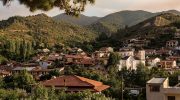
The idea that certain places were too sacred for ordinary use fostered a sense of balance between human needs and natural preservation. While not environmentalism in the modern sense, this approach reflects a worldview in which nature held intrinsic spiritual value.
Archaeological Traces and Interpretation
Because groves consisted largely of living vegetation, their physical traces are harder to identify than stone temples. However, archaeological evidence such as boundary markers, altars, votive deposits, and ancient texts helps scholars reconstruct their presence. These clues reveal how sacred landscapes functioned as important religious centers even without monumental architecture.
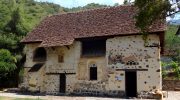
The study of sacred groves expands understanding of ancient religion beyond built structures, highlighting the role of landscape in shaping spiritual life.
Conclusion
The sacred groves of ancient Cyprus represent a powerful example of early ecological sacredness within a broader Mediterranean belief system. These preserved natural spaces served as sanctuaries where divine presence was felt through the living environment rather than monumental construction. Associated with fertility, seasonal renewal, and communal identity, the groves embodied a worldview in which nature and spirituality were inseparable. Their legacy reminds us that ancient religious traditions often expressed reverence for the environment in ways that continue to resonate in modern discussions of sacred landscapes and cultural heritage.