All Articles

Cyprus Travel Safety And Awareness

Cyprus Travel Safety And Awareness

Cyprus is a safe Mediterranean destination with a crime rate lower than many European countries. The island ranks 70th globally on the Global Peace Index and has a homicide rate of just 0.4 per 100,000 inhabitants, one of the lowest in Europe.  Violent crime is extremely rare, and most safety concerns for visitors involve traffic accidents and petty theft. Understanding the local driving culture, transport options, and basic precautions helps ensure a smooth trip.  Cyprus offers excellent road infrastructure and modern public services, but some unique challenges require attention, particularly for first-time visitors. The Reality of Road Safety in Cyprus Cyprus has a concerning road safety record. The country records 54 road fatalities per million inhabitants, which exceeds the EU…

Read more
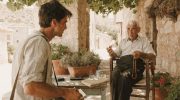

Cypriot Legends Academic Research

Cypriot Legends Academic Research

Academic research into Cypriot legends represents a systematic effort to collect, preserve, and analyze the island's oral traditions and cultural narratives. Researchers use established methodologies from folklore studies and ethnography to document stories that have passed through generations primarily by word of mouth. This work involves recording interviews, observing cultural practices, transcribing oral narratives, and archiving materials for future study. The goal is to preserve these legends before they disappear and to understand what they reveal about Cypriot culture, history, and identity. The development of folklore documentation in Cyprus Formal folklore research in Cyprus began in the mid 20th century. The Cyprus Research Centre established its Folklore Archive in 1962 specifically to collect and record Cypriot linguistic and folklore materials.…

Read more
Cyprus State Gallery of Contemporary Art

Cyprus State Gallery of Contemporary Art

The State Gallery of Contemporary Art operates from two main locations in Nicosia as Cyprus's premier institution for modern and contemporary art. The original building sits at the corner of Stasinou Avenue and Kritis Street in a beautifully restored colonial-style structure.  The second branch, known as SPEL, opened to the public for the first time on January 31, 2019, following extensive renovations of a modernist building on Ammochostou Street near the historic Famagusta Gate. Both galleries house paintings and sculptures by 20th and 21st century Cypriot artists. The institution falls under the management of the Cultural Services of the Ministry of Education and Culture and is expected to form part of the planned Cyprus Museum of Contemporary Art, known as…

Read more
Cyprus Property Tips for First-Time Buyers

Cyprus Property Tips for First-Time Buyers

Buying property in Cyprus offers access to Mediterranean lifestyle combined with EU legal protections and favorable tax conditions. The island attracts first-time buyers with property prices lower than Spain, Portugal, or France, while maintaining modern infrastructure and English language accessibility. However, the Cyprus property market operates differently from other European countries, with specific procedures that require understanding before making purchase decisions. The market recorded 23,900 sales in 2024 with total property value of 5.7 billion euros, showing consistent activity. Apartment prices grew 4.8 percent year over year in the first quarter of 2025, demonstrating steady demand. First-time buyers face choices between coastal cities like Limassol and Paphos or inland areas around Nicosia, each offering different price points and lifestyle characteristics.…

Read more
Cyprus Oral Tradition & Values

Cyprus Oral Tradition & Values

Oral tradition in Cyprus represents the ancient practice of passing knowledge, history, and cultural values through spoken words rather than written records. This method of communication shaped Cypriot society for thousands of years, preserving stories, customs, and wisdom from generation to generation. The island's oral heritage includes folk songs, legends about Byzantine warriors, myths featuring gods and heroes, and improvised poetry competitions that continue today. Cyprus developed its oral traditions through centuries of cultural exchange, influenced by Greek, Byzantine, Ottoman, and other Mediterranean civilizations. These spoken narratives served multiple purposes in village life, from entertaining communities during festivals to teaching moral lessons to children. Unlike written texts that remained fixed, oral stories adapted to each telling, allowing narrators to emphasize…

Read more
Cyprus Kalinikta Winter Rituals

Cyprus Kalinikta Winter Rituals

Winter evenings in Cyprus transform villages into centers of warmth and community as families and neighbors gather after sunset. The word Kalinikta means good night in Greek, and it represents more than just a farewell. It marks the beginning of evening rituals that have defined Cypriot winter life for generations.  As temperatures drop and darkness arrives early, the traditional kafeneio becomes the heart of village social life, with fireplaces glowing and the sounds of conversation, laughter, and backgammon pieces clicking on wooden boards. These evening gatherings preserve customs that connect modern Cypriots to their grandparents and great grandparents, maintaining traditions that might otherwise disappear.  Winter brings a slower rhythm to island life, with agricultural work reduced and more time available…

Read more
Cyprus Driving Rules Car Ownership

Cyprus Driving Rules Car Ownership

Cyprus follows left-hand traffic, a legacy of British colonial rule that makes it one of only three EU nations where vehicles drive on the left side of the road. This characteristic stems from over 40 years of British administration, which shaped the island's road infrastructure before independence in 1960. The country has developed a comprehensive set of driving regulations that blend European standards with local requirements. With 658 cars per 1,000 inhabitants, Cyprus ranks fourth highest in the European Union for car ownership, significantly exceeding the EU average of 560 vehicles per 1,000 people. This extraordinary car dependency reflects limited public transportation options, dispersed settlement patterns, and cultural factors where car ownership is often viewed as a status symbol. The…

Read more
Cyprus Island Identity as a Cultural Crossroads

Cyprus Island Identity as a Cultural Crossroads

Cyprus stands at a cultural, linguistic, and historic crossroads between Europe and Asia. Situated at the crossroads of Europe, Asia, and Africa, the island has been shaped by Greeks, Romans, Byzantines, Venetians, Ottomans, and the British. This strategic location has resulted in Cyprus being contested and occupied by several empires throughout history, including the Assyrians, Egyptians, Persians, and many others. As early as 370 BC, the island was inhabited and considered to be the crossroads between the east and west. The eastern Mediterranean island of Cyprus has long been a cultural thoroughfare. It was the starting, stopping, and midway hot spot for many ancient seafaring cultures including the Myceneans, the Minoans, the Phoenicians, the Greeks, and the Romans. The Bronze…

Read more
Chancel Screens Cyprus Carved Art

Chancel Screens Cyprus Carved Art

Early Christian chancel screens in Cyprus were low stone barriers that shaped worship by separating the sanctuary from the nave without fully blocking sight, sound, or movement. Built mainly between the 4th and 7th centuries, they used carved marble or limestone, symbolic motifs, and sometimes curtains to control what the congregation could see and when. This article explains why the screens emerged, how they were constructed and decorated, and what surviving fragments reveal about Cypriot liturgy, trade links, and sacred space design. A Boundary That Stayed Open Early Christian chancel screens were designed to mark a boundary without fully closing it. Positioned between the nave and the sanctuary, they created a sense of separation while allowing sound, light, and movement…

Read more