All Articles

Cyprus Identity Shaped by Resilience and Survival

Cyprus Identity Shaped by Resilience and Survival

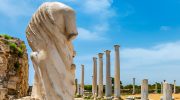
Cyprus stands at the crossroads of three continents, creating an identity forged through centuries of conquest and adaptation. The Mediterranean island has witnessed rule by Egyptians, Phoenicians, Greeks, Romans, Byzantines, Ottomans, and British forces. Each civilization left cultural marks while the native population absorbed and transformed these influences. Today, Cyprus maintains distinct traditions despite modern pressures. The island's geographic position made it strategically valuable, attracting empires seeking control of eastern Mediterranean trade routes. This constant cycle of foreign rule created a population skilled at cultural preservation under external pressure. Cypriots developed resilience as a survival mechanism, maintaining core traditions while adapting to successive rulers. The ability to endure without surrendering identity became central to the Cypriot character. Ancient Foundations Built…

Read more
Cyprus Hero Digenis Akritas

Cyprus Hero Digenis Akritas

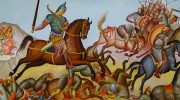
Digenis Akritas stands as the most famous epic hero to emerge from the Byzantine Empire, celebrated in folk ballads and a lengthy epic poem that originated in the 10th century and developed further in the 12th century. The name Digenis means "two-blood" or "of two peoples," referring to his mixed Byzantine Greek and Arab heritage.  Akritas translates to "borderer" or "frontier guard," identifying his role defending Byzantine territory. The protagonist became the archetype of the ideal medieval Greek hero, frequently appearing in traditional folk songs particularly popular in Crete, Cyprus, and Asia Minor. For Cypriots specifically, Digenis Akritas represents more than legend, symbolizing bravery, strength, and the eternal fight for freedom against foreign invaders. The Epic Story and Family Origins…

Read more
Cyprus Sustainable Tourism Standards

Cyprus Sustainable Tourism Standards

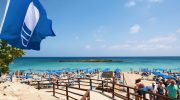
Cyprus operates one of the Mediterranean's most comprehensive eco-certification systems for tourism businesses and beaches. These certifications verify environmental performance, safety standards, and sustainable practices through strict criteria and regular audits. The island participates in internationally recognized programs managed by the Foundation for Environmental Education, the Global Sustainable Tourism Council, and independent certification bodies. Hotels, restaurants, beaches, and marinas pursue certification to demonstrate environmental responsibility, reduce operational costs, and meet growing consumer demand for sustainable tourism. The certification process requires documentation, training, operational changes, and annual verification. Cyprus currently maintains 66 Blue Flag certifications for beaches and marinas, while Green Key certification gains momentum among hospitality businesses. Building Certification Systems from the Ground Up The Blue Flag program arrived in…

Read more
Cyprus Harvest Fairs And Seasonal Community Life

Cyprus Harvest Fairs And Seasonal Community Life

Cyprus villages maintain a rich tradition of harvest festivals that mark seasonal agricultural cycles and bring communities together in celebration. These fairs occur throughout the year, each timed to specific crop harvests from strawberries in spring to grapes in autumn. The Troodos Mountain villages and lowland agricultural communities organize events that transform quiet settlements into bustling centers of food, music, dance, and traditional crafts. These gatherings serve purposes beyond simple celebration, functioning as economic opportunities for producers, educational experiences for younger generations, and cultural affirmations of village identity centered on agricultural heritage. Spring Festivals of Early Harvests The agricultural year begins in May with strawberry festivals in villages like Deryneia, the island's largest strawberry producer. The fertile red soil favors…

Read more
Eco-Tourism in Cyprus Protected Areas

Eco-Tourism in Cyprus Protected Areas

Eco-tourism in Cyprus has emerged as a significant alternative to traditional beach-centered tourism, with the Akamas Peninsula and Troodos National Forest Park serving as the island's two premier protected natural areas. These regions represent Cyprus's commitment to balancing environmental conservation with responsible tourism development. Together, they encompass diverse ecosystems ranging from coastal landscapes to mountain forests, each offering visitors opportunities to experience the island's biodiversity while supporting preservation efforts. Cyprus ranks among the top five European Union countries in terms of land area covered by the Natura 2000 network, with 28.8% of the island designated as protected territory. This extensive network includes 63 marine and terrestrial sites covering approximately 1,789 square kilometers. The Akamas Peninsula and Troodos National Forest Park…

Read more
Cyprus Grape Harvest Festivals

Cyprus Grape Harvest Festivals

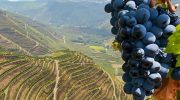
Cyprus grape harvest festivals represent one of the island's most enduring cultural traditions, celebrating the annual grape collection that has sustained Cypriot agriculture for over 6,000 years. These festivals occur primarily in September and October across wine-producing villages in the Troodos Mountains and Limassol district.  The celebrations combine ancient rituals honoring Dionysus, the Greek god of wine and fertility, with Orthodox Christian customs marking the agricultural cycle's completion. Communities gather to participate in traditional grape stomping, wine tastings, folk music performances, and the preparation of grape-based delicacies like palouzes and soutzoukos.  The festivals serve multiple functions, preserving winemaking knowledge across generations, strengthening village social bonds, and attracting tourism that supports rural economies. Villages including Pissouri, Vouni, Vasa Koilaniou, and Omodos…

Read more
Education System in Cyprus

Education System in Cyprus

Cyprus offers a diverse and well-structured education system that reflects the island’s blend of European academic standards and strong local cultural identity. From early childhood through upper secondary education, students move through clearly defined stages, with options that include public Greek schools and private international institutions offering British, American, or International Baccalaureate pathways. What matters most for families is not enrollment statistics, but how schools teach at each level, how students gain admission, and what extracurricular opportunities shape a child’s development. Whether planning long-term settlement or a temporary relocation, understanding how education works in Cyprus helps parents choose a pathway that supports both academic success and personal growth. Early Years Education (Ages 3–6) Early childhood education in Cyprus focuses on…

Read more
Walking and Seaside Visits in Cyprus

Walking and Seaside Visits in Cyprus

Cyprus life revolves around the Mediterranean Sea and the simple pleasure of walking. The island's 650 kilometers of coastline and 326 days of annual sunshine create perfect conditions for daily seaside visits that locals consider essential rather than optional.  Walking serves multiple purposes in Cypriot culture, from exercise and social connection to mental relaxation and community participation. The coastal promenades and beaches function as outdoor living rooms where families gather, friends meet, and strangers become acquaintances through repeated casual encounters. The History of Coastal Walking Traditions The tradition of evening coastal walks, known as the volta, traces back to ancient Greek and Roman practices of gathering in public spaces. During Byzantine times, promenades along harbor areas served as meeting points…

Read more
Cyprus Elders Traditional Stories

Cyprus Elders Traditional Stories

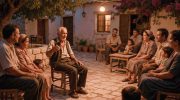
Elders in traditional Cyprus villages functioned as living libraries, preserving centuries of accumulated knowledge through oral storytelling that connected younger generations to their ancestral past. Before widespread literacy and mass media, grandparents and respected community members transmitted cultural values, agricultural techniques, folk remedies, historical events, and moral lessons through stories told at family gatherings, village squares, and during communal work sessions. These narratives included heroic legends about local resistance to invaders, cautionary tales about supernatural beings like Kalikantzari goblins, romantic folklore explaining natural features, and family histories documenting migrations and hardships. The oral tradition maintained linguistic creativity through forms like tsiattista improvised poetry and paramythia fairytales that combined entertainment with instruction. When Cypriots speak to elders who remember life before…

Read more