Winter evenings in Cyprus transform villages into centers of warmth and community as families and neighbors gather after sunset. The word Kalinikta means good night in Greek, and it represents more than just a farewell. It marks the beginning of evening rituals that have defined Cypriot winter life for generations.
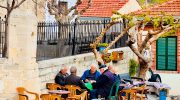
As temperatures drop and darkness arrives early, the traditional kafeneio becomes the heart of village social life, with fireplaces glowing and the sounds of conversation, laughter, and backgammon pieces clicking on wooden boards. These evening gatherings preserve customs that connect modern Cypriots to their grandparents and great grandparents, maintaining traditions that might otherwise disappear.
Winter brings a slower rhythm to island life, with agricultural work reduced and more time available for storytelling, music, and shared meals that strengthen family and community bonds.
The kafeneio as winter’s social heart
The traditional Cypriot coffee shop or kafeneio serves as the primary gathering place during winter months when outdoor work ceases early and darkness arrives by 5 PM. Men traditionally dominate these spaces, spending hours playing tavli, a form of backgammon, or pilota, a local card game. Customary bets determine who pays for the coffee, and spectators gather around tables to watch games and offer advice, often becoming as emotionally invested as the players themselves.
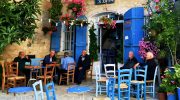
The aroma of Cyprus coffee fills the air, served in small cups alongside traditional sweets like machalepi pudding made with cornflour and rose water, or glyko tou koutaliou, fruits preserved in syrup. The kafeneio functions as an information center where villagers discuss politics, current affairs, agricultural concerns, and village gossip.

Hospitality remains paramount, with strangers welcomed and immediately engaged in conversation about their background, profession, and family. During winter evenings, some kafeneio gather around fireplaces, creating an atmosphere of warmth and comfort that contrasts with the cold night air outside.
Christmas villages revive ancient winter festivals
Since 2020, the Cyprus Deputy Ministry of Tourism has organized official Christmas villages that run from late November through January 6 in selected traditional settlements across the island. The 2025 to 2026 season features eight villages: Agros, Deryneia, Kalopanayiotis, Kyperounta, Lefkara, Fikardou, Kakopetria, and Statos Agios Fotios. These villages operate on weekends until December 22, then daily through January 6, transforming village squares and historic streets into centers of holiday activity.
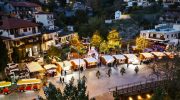
Wooden cottages sell local products including wine, honey, jams, cheeses, and handmade crafts. Workshops teach traditional skills like basket weaving, pottery, and preparation of Christmas sweets. Live music concerts feature local and visiting artists, while nature walks and cycling routes combine festive activities with outdoor recreation.

Each village highlights its unique strengths, with Agros known for rose products, Deryneia for strawberries, and Kalopanayiotis for sulfur springs and Byzantine monasteries. The initiative promotes winter tourism while preserving local traditions and supporting rural economies dependent on vineyards, smokehouses, and cheese production.
The twelve days of Christmas superstitions
Traditional Cypriot belief holds that the twelve days between Christmas and Epiphany on January 6 represent a dangerous period when mischievous creatures called kalikantzaroi emerge from underground. Six days belong to the ending year and six to the new year, together symbolizing the twelve months. Folk wisdom advised against going out after dark during this period to avoid encounters with these troublesome beings who appeared with evil intentions. Cypriots protected themselves and their homes by decorating extensively with wreaths, garlands, and abundant lights to ward off supernatural threats.

On Christmas Eve, families gather for festive meals featuring fish, typically lauraki, as the main course, with kourabiedes, almond sugar cookies, and melomakarona, honey soaked cookies, served for dessert. Children and sometimes adults go from house to house singing Christmas carols called calandas, receiving candy, money, or treats in return. Special bread called Christopsomo, often decorated with crosses and religious symbols, is baked on Christmas Day and consecrated in church before consumption. The tradition of breaking a pomegranate on the doorstep on January 1 by the luckiest family member brings good fortune for the new year.
Storytelling and oral tradition during long nights
Winter’s extended darkness created ideal conditions for storytelling that preserved folklore, legends, and family histories across generations. Elderly women traditionally told fairy tales called mesel to children, either as relatives or guests of parents. These stories featured surrealistic events in foreign palaces with exotic plants, or jinns engaged in traditional sports, but usually depicted themes from daily life including love, ambition, family roles, relationship dynamics, and behavioral conflicts. The tales used specific phrases and patterns to mark beginnings and endings, creating ritualistic quality.
Coffeehouses hosted professional storytellers who entertained audiences with epic narratives and local legends. The Heartland of Legends route in Cyprus promotes villages known for their storytelling traditions, with illustrated postcards sharing famous local tales. The Fairytale Museum in Nicosia works to preserve the island’s literary and oral culture. Contemporary folklore evenings continue this tradition, with storyteller performances during the Christmas season that revive old Cypriot customs and legends for modern audiences, particularly families with children eager to learn about their heritage.
Winter feasts strengthen family bonds
Cypriot winter centers around shared meals that bring extended families together during the agricultural off season. Sunday gatherings typically feature mezze, the traditional way of eating where plate after plate of dips, grilled meats, vegetables, cheeses, and breads cover the table until no space remains. Halloumi from local dairies appears especially fresh during winter, served grilled with herbs or folded into pies.
Families roast meat on spits in backyards, with lamb particularly popular during Easter preparations that begin during late winter. The slow pace of winter allows for elaborate meal preparation, with grandmothers teaching younger generations to make traditional sweets and preserves. Wine accompanies virtually every meal, with families visiting nearby village wineries for tastings. Winter vegetables including artichokes, broad beans, and wild asparagus appear in seasonal dishes.
The communal aspect of eating holds particular importance, with invitations extended casually and guests expected to arrive without formal notice. These gatherings serve multiple functions, reinforcing family hierarchies, arranging potential marriages, settling disputes, and maintaining connections between urban dwelling family members and their village roots.
Modern winter brings new traditions
Contemporary Cyprus balances ancient customs with new practices that reflect changing lifestyles and international influences. The Christmas village initiative represents government efforts to promote rural winter tourism while preserving traditions. The Limassol Wine Festival, carnival celebrations, and various cultural events now structure the winter calendar alongside religious observances.

Village squares transform with festive lights and decorations that would have been impossible in earlier generations lacking electricity. Social media allows younger Cypriots to share winter experiences, creating renewed interest in traditional practices among those who might otherwise abandon them. Urban residents increasingly use winter weekends to visit mountain villages, combining heritage tourism with escape from coastal city congestion.
The designation of villages as official Christmas destinations brings infrastructure improvements including better roads, restored traditional architecture, and modern amenities that make rural winter life more comfortable. Yet core elements remain unchanged: the importance of gathering, the centrality of food and drink, the value placed on conversation and storytelling, and the use of winter’s slower pace to strengthen social bonds that sustain communities through the busy summer season.
Why winter rituals still matter
Winter traditions in Cyprus serve essential social functions that transcend mere entertainment or cultural preservation. The kafeneio gatherings maintain information networks in villages where formal communication channels remain limited. The exchange of news, advice, and opinions creates collective decision making that affects village life. Storytelling preserves historical memory and transmits cultural values to younger generations who might otherwise lose connection to their heritage.
Shared meals reinforce family hierarchies and obligations that structure Cypriot society. Religious observances provide rhythm and meaning to the annual cycle, marking time through feast days rather than commercial calendars. The hospitality extended to strangers in winter kafeneio and family homes maintains Cyprus’s reputation for warmth despite political divisions and economic challenges.
For modern Cypriots balancing traditional village identity with participation in global culture, winter rituals offer anchor points that define what it means to be Cypriot. The evening greeting of Kalinikta represents not just good night but recognition that darkness brings communities together rather than isolating individuals, that winter creates space for human connection that summer’s busy agricultural and tourism seasons cannot provide.