All Articles

Best Cyprus Cultural Sites for Photography

Best Cyprus Cultural Sites for Photography

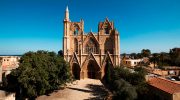
Cyprus holds a vast array of cultural sites that serve as perfect subjects for professional photography. These locations reflect thousands of years of human history and architectural evolution. Photographers find a wealth of visual material in the ancient stone structures and narrow streets. The island possesses a unique light that enhances the textures of historical masonry and marble. Each site offers a different perspective on the past through its ruins and preserved buildings. This guide provides a detailed look at the most significant cultural locations for high-quality imagery. A professional approach to these sites requires an understanding of their historical context and physical layout. Precise angles and careful timing lead to the best photographic results. This article explores seven key…

Read more


Landscape Driven Villages of Cyprus

Landscape Driven Villages of Cyprus

Cyprus villages evolved through intimate relationship between human settlement and natural terrain, creating communities shaped by mountains, valleys, water sources, and agricultural land. The island's dramatic geography, dominated by the Troodos Mountains rising to 1,952 meters and the northern Kyrenia Range reaching 1,024 meters, determined where people built homes and how they organized village life. Between these ranges lies the Mesaoria Plain, Cyprus's agricultural heartland where lowland villages spread across fertile flatlands. Mountain villages cling to steep slopes, terraced into hillsides at multiple elevations with buildings accessible from streets at different heights. This landscape adaptation created sustainable settlement patterns that persisted for millennia, balancing human needs with environmental constraints while maintaining agricultural productivity. The terracing, water management, and compact building…

Read more
Leventis Gallery Cyprus Art Heritage

Leventis Gallery Cyprus Art Heritage

The Leventis Gallery is an art gallery in Nicosia, Cyprus. Opened in 2014, it houses a collection of over 800 paintings from Cypriot, Greek, and European artists. The institution operates under the A. G. Leventis Foundation and represents the fulfillment of a vision conceived more than fifty years earlier. The building sits a few steps from Nicosia's old city center and was designed by Feilden Clegg Bradley Studios through an international architectural competition launched by RIBA Competitions. The architects created a modern cultural center embodying the personality of the family collection while contributing to urban regeneration. The building was conceived as a monolithic stone sculpture cut away to create courtyards, terraces, and roof gardens. The gallery features minimized energy use,…

Read more
Limassol as a Financial & Maritime Center

Limassol as a Financial & Maritime Center

Cyprus operates the third largest merchant fleet in the European Union and ranks 11th globally, with over 25 million gross tons registered. From 2023 to 2024 alone, the fleet expanded by 18%, adding 198 newly registered vessels. What makes this particularly impressive is that Limassol manages more than just the flag registry. The city functions as Europe's largest third-party ship management center and ranks among the top three worldwide. More than 200 shipping and maritime-related companies operate from Limassol, handling approximately 20% of the world's third-party ship management market. This fleet consists of 2,200 vessels representing 50 million gross tons under management. The numbers extend beyond ships. These companies employ nearly 40,000 seafarers, of whom 5,000 are EU nationals. The…

Read more
Limassol Art Gallery

Limassol Art Gallery

vThe Limassol Municipal Art Gallery stands as one of the most significant cultural institutions in Cyprus. This gallery houses over 600 works of modern Cypriot art, with pieces that span painting, sculpture, pottery, and mixed media. Located on the seafront of Limassol, the gallery offers visitors a comprehensive view of how Cypriot art developed throughout the 20th century and continues to evolve today. The collection represents the artistic journey of Cyprus from early naturalistic trends to contemporary approaches. The gallery features both the foundational works that shaped Cypriot modern art and the innovative pieces created by emerging artists who continue to push boundaries. Historical Background The story of the Limassol Municipal Art Gallery begins with a beautiful building designed by…

Read more
Loggerhead Sea Turtle in Cyprus

Loggerhead Sea Turtle in Cyprus

The loggerhead sea turtle represents one of the oldest living species on Earth. This marine reptile has survived for millions of years, adapting to changing oceans while maintaining its essential form and behaviors. The species gets its common name from its remarkably large head, which houses powerful jaw muscles capable of crushing hard-shelled prey like whelks, conchs, and horseshoe crabs. Cyprus holds special significance for loggerhead turtles in the Mediterranean. The island's beaches serve as critical nesting sites where female turtles return every two to four years to lay their eggs. These ancient creatures navigate across vast ocean distances to find the exact beaches where they were born, using mechanisms that scientists believe involve magnetic fields, water chemistry, and possibly…

Read more
National Flag of Cyprus and Its Meaning

National Flag of Cyprus and Its Meaning

The national flag of Cyprus came into use on August 16, 1960, when the island gained independence from British colonial rule under the Zürich and London Agreements. Turkish Cypriot artist İsmet Güney designed the flag following constitutional requirements that it employ neutral symbols without incorporating blue or red, colors associated with the Greek and Turkish flags. The design deliberately avoided religious symbols including crosses or crescents to indicate harmony between the Greek and Turkish Cypriot communities. The white background represents peace and purity, while the copper-orange silhouette of the entire island references Cyprus's famous copper deposits from which the island's name derives. Two green olive branches positioned below the map symbolize peace and reconciliation between the two ethnic communities. Until…

Read more
Cyprus Religion & Everyday Moral Values

Cyprus Religion & Everyday Moral Values

Religion in Cyprus functions less as private ideology and more as a shared moral framework that shapes hospitality, honour, family rituals, and the annual rhythm of life. Orthodox Christianity, Islam, and smaller communities such as Armenians and Maronites developed side by side, turning belief into a social structure that often outlasted shifting rulers and institutions. This article explains how faith became intertwined with identity, how it still guides everyday behaviour, and how modern Cyprus is reshaping religious practice without erasing its moral centre. Faith as Daily Social Order Cyprus has always sat at a crossroads between continents, cultures, and empires. Christianity and Islam did not simply arrive here as belief systems. They became organising principles for society itself. Rather than…

Read more
Natural Gas Exploration in Cyprus

Natural Gas Exploration in Cyprus

Cyprus entered the offshore natural gas industry in 2011 with the discovery of the Aphrodite field, approximately 160 kilometers south of Limassol. This finding marked a turning point for the small island nation, which had relied entirely on imported energy. The discovery sparked interest from major international energy companies and positioned Cyprus as a potential gas producer in the Eastern Mediterranean. Since then, multiple fields have been discovered across Cyprus's Exclusive Economic Zone, with reserves estimated at over 20 trillion cubic feet. However, transforming these underground discoveries into actual production has proven far more complex than initially expected, with technical challenges, political disputes, and commercial uncertainties creating substantial delays. The Journey From First Discovery to Development Plans American company Noble…

Read more