Imagine a rugged mountainside in Cyprus, where ancient cedars cling to rocky slopes and the air carries the distant call of a hidden survivor. This is the realm of the Cyprus mouflon, a wild sheep that has roamed the island’s mountains for thousands of years, embodying the untamed spirit of the Mediterranean wilderness. Let us explore this elusive creature, a living link to Cyprus’s prehistoric past that still graces its landscapes today. Sadly, this endemic mammal is classified as endangered on the IUCN Red List.
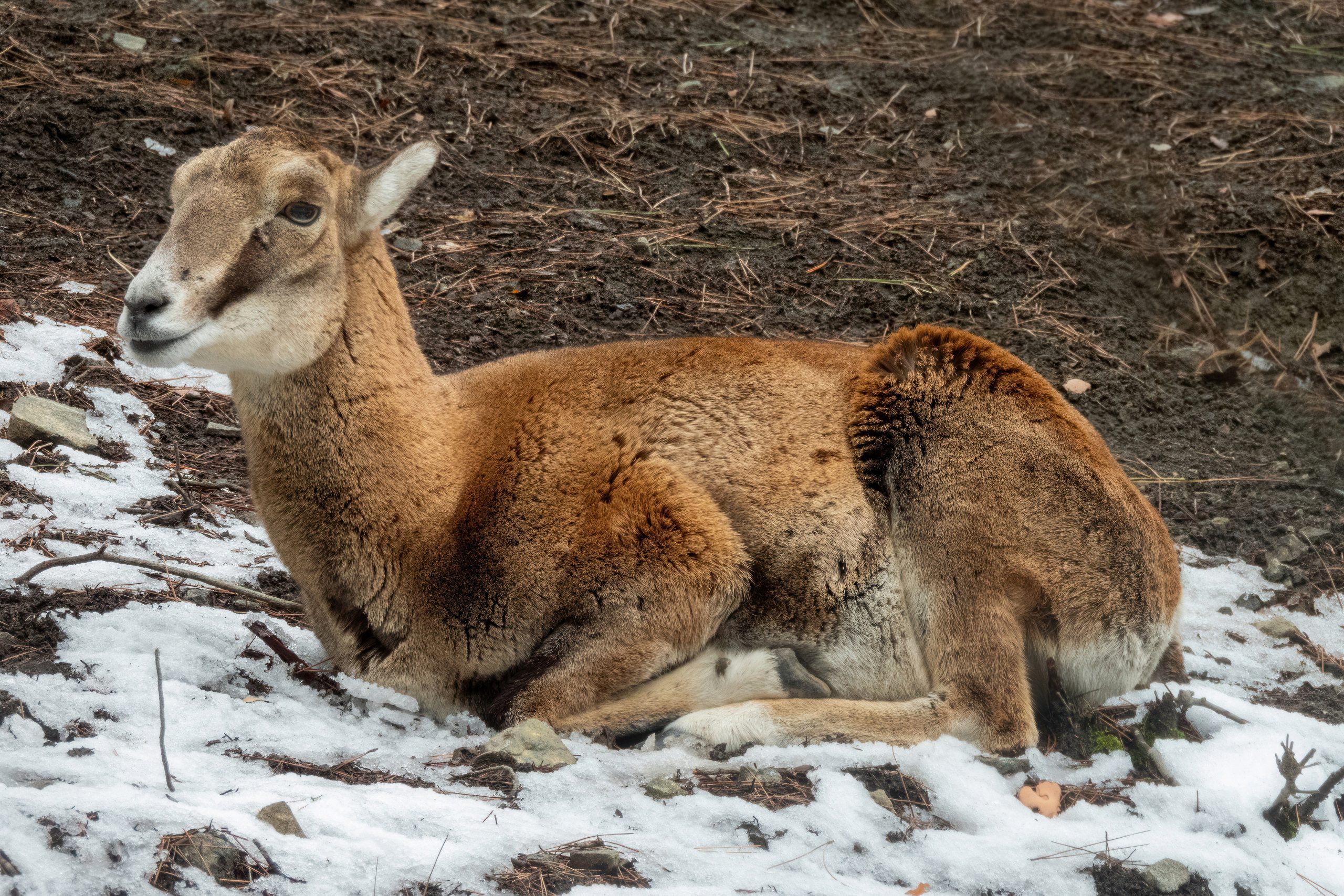
A Gentle Giant of the Hills
The Cyprus mouflon, scientifically known as Ovis gmelini ophion, is a subspecies of wild sheep belonging to the large Bovidae family, which also includes goats, antelopes and cattle. These animals are ungulates — hoofed herbivores adapted to rugged landscapes across Europe, Asia and Africa — and all modern sheep breeds descend from them.
Zoologically, the Cyprus mouflon belongs to the Caprinae subfamily and shares characteristics with ibexes and wild goats, but differs through its non-shedding wool and seasonal breeding cycles. Genetic studies show close relationships with Anatolian and Iranian mouflons, with mitochondrial DNA pointing to an ancestral lineage originating in early escapes from domestication. In Cyprus, the mouflon is an endemic treasure, perfectly adapted to the island’s dry, mountainous environments, where it grazes and climbs steep cliffs with effortless grace.
Echoes of Ancient Migrations
The story of the Cyprus mouflon begins in the misty depths of geological time, as the Mediterranean underwent dramatic changes. Around 10,000 years ago, during the early Neolithic period, people probably brought mouflon ancestors to Cyprus from the Anatolian mainland, as archaeological findings suggest. These early settlers, attracted by the island’s fertile soils and strategic position, brought sheep for sustenance, but some escaped or were released and evolved in isolation.
Over the centuries, the mouflon became intertwined with Cypriot folklore — ancient myths whisper of sacred rams guarding mountain spirits — and even influenced religious practices, symbolising resilience in early Christian and pagan rituals. Geologically, Cyprus’s rise from the seabed during the Miocene created the Troodos Mountains, providing the perfect cradle for this species’ adaptation amid changing climates and island isolation.
Graceful Shapes in the Mist
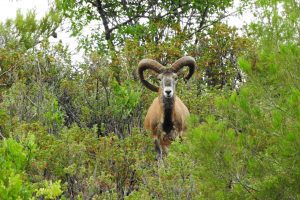
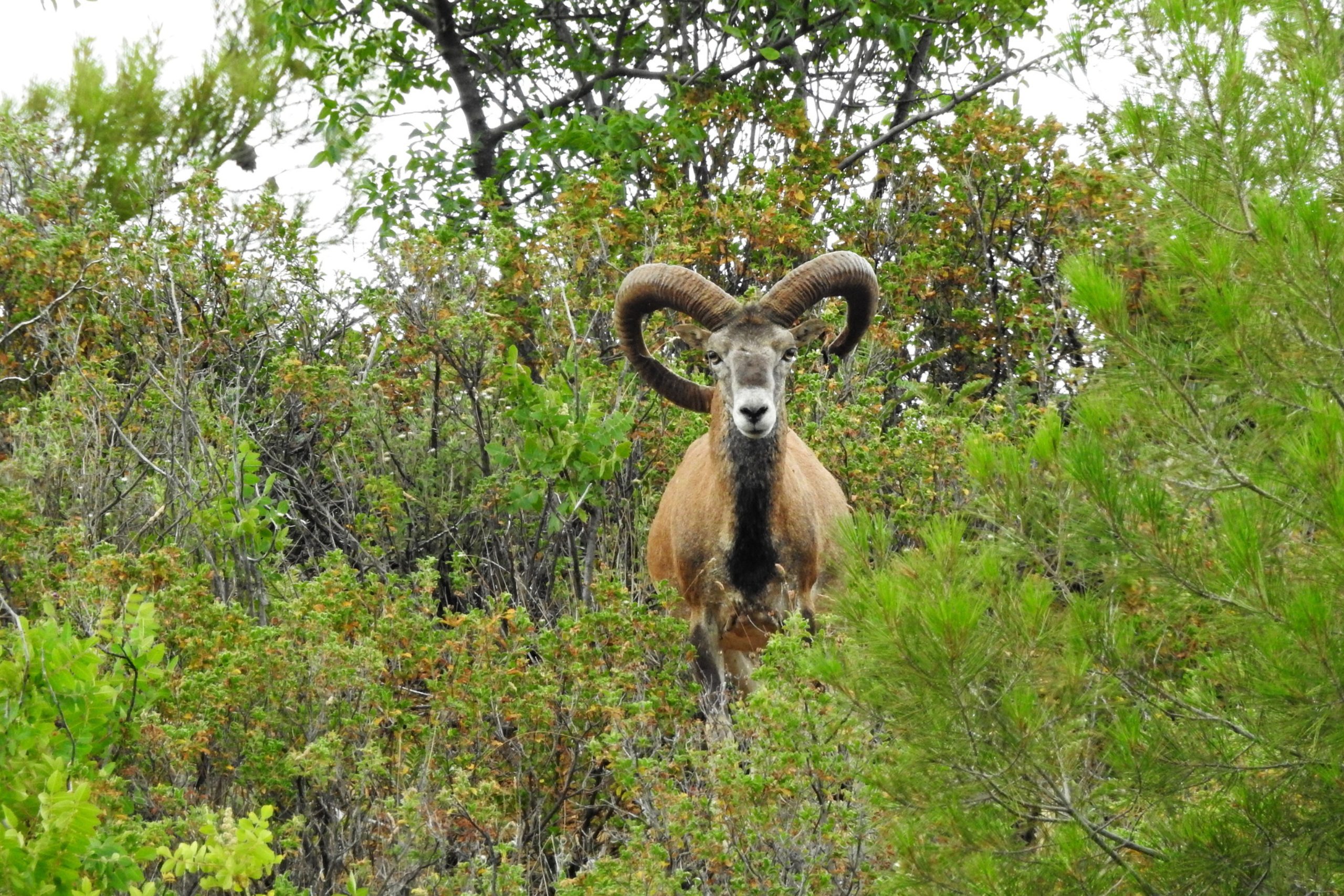
What makes the Cyprus mouflon truly fascinating is its elegant yet sturdy build, shaped by island life. Males, or rams, carry impressive curved horns that can reach up to 85 centimetres in length, spiralling outwards like ancient scrolls, while females, or ewes, have none. Their coats blend seamlessly with the rocky terrain — reddish-brown in summer, fading to grey in winter — allowing them to disappear like shadows among the pines.
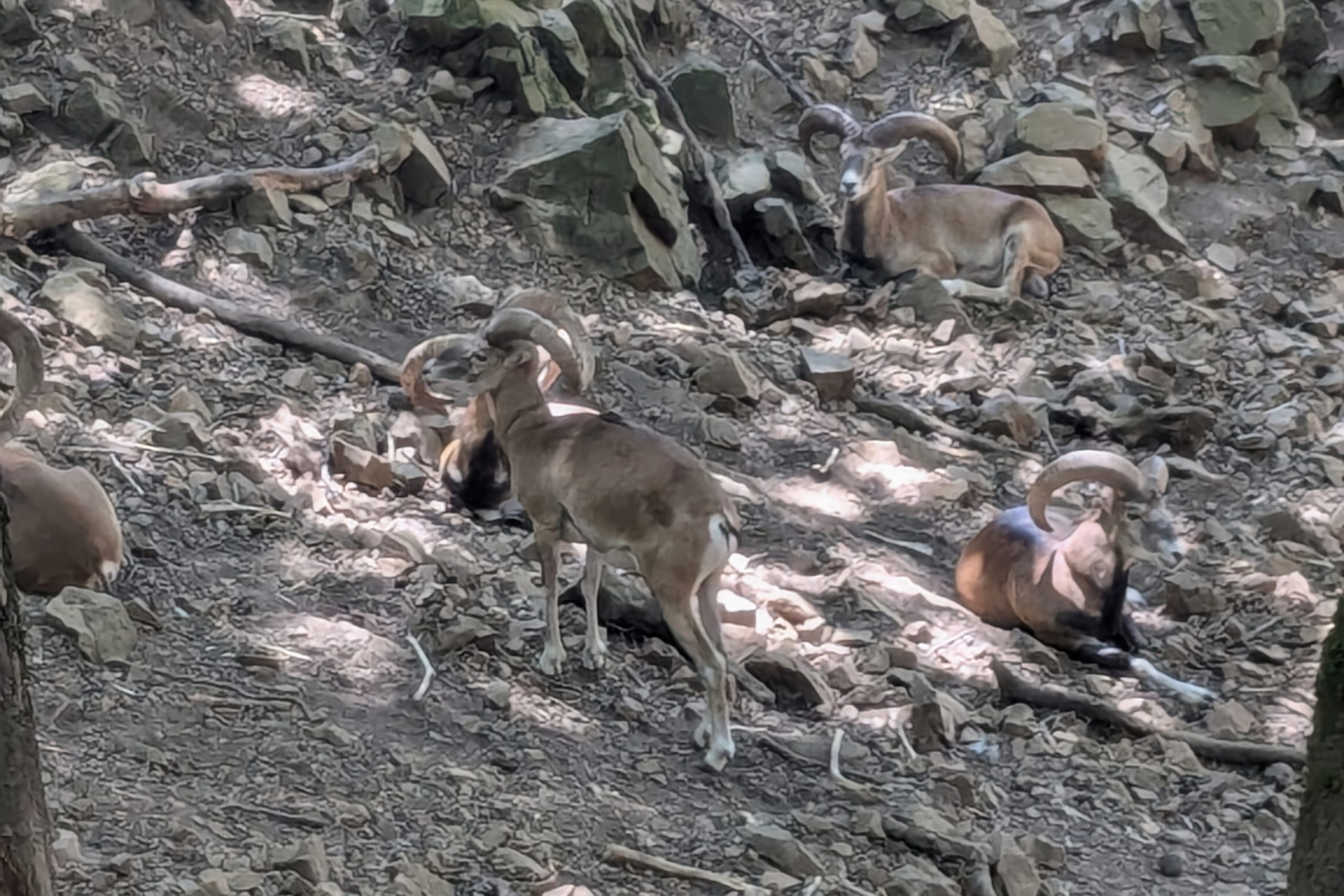
In behaviour, they form small herds led by watchful rams and show remarkable agility, leaping over boulders to evade predators, although these are absent in Cyprus. Within the wider sheep family, they resemble the Asian mouflon (Ovis gmelini), but Cyprus’s isolation has shaped a more compact form, weighing 25–35 kilograms (up to 50 in rams), adapted to sparse forage in pine forests and scrubland.
A Feast from the Forest
The Cyprus mouflon, or Ovis gmelini ophion, is not a fussy eater — it is a versatile forager, feeding on whatever the seasons offer in its rugged home. Like many wild sheep of the Bovidae family, it balances grazing on soft greenery with browsing tougher plants, adapting to the island’s dry spells and lush periods. This flexibility keeps it alive where resources come and go.
Botanically, the mouflon’s menu features stars such as pine needles (Pinus brutia), golden oak acorns (Quercus alnifolia) and strawberry tree leaves (Arbutus andrachne), particularly in spring, when these account for 20 per cent of its diet. Fruit plays an important role in cooler months, while grasses dominate throughout the year at 40–90 per cent, depending on location. Zoologically, its rumen-based digestion handles this fibrous diet efficiently, much as other Ovis species ferment tough plants. Compared with their Corsican or Sardinian relatives, Cyprus mouflons eat fewer shrubs overall, except in winter, highlighting their unique island adaptations.
Curious Tales from the Treetops
• Did you know that the Cyprus mouflon is a master of camouflage? Rams have been observed rubbing their horns against aromatic shrubs such as rockroses (Cistus spp.), perhaps to hide their scent from predators — a clever trick inherited from a land where wolves once lived.
• An interesting fact: during the rutting season, males clash horns in dramatic duels that echo through the valleys, a sound locals compare to thunderbolts from Zeus himself.
• Acorns are a hidden favourite of woodland mouflons in autumn and winter, but researchers often underestimate their importance because only the shells survive digestion — the soft insides disappear!
• Another curious detail: these sheep spit out hard seeds while chewing the cud, leaving piles at resting places, a behaviour they share with island goats.
• And did you know that they occasionally nibble on mushrooms or lichens? It is like a wild salad buffet, with spring bringing tender tree shoots and winter prompting a more fruit-oriented diet.
A Modern Guardian of the Peaks
Today, the Cyprus mouflon stands as a symbol of Cypriot conservation success. Having been pushed to the brink of extinction by overhunting in the early twentieth century, protection by the Game and Fauna Service has increased its population to around 3,000 animals in the Paphos Forest reserve. In modern life, mouflons embody the rise of ecotourism, drawing birdwatchers and hikers to trails where their presence signals healthy ecosystems.
You have probably seen them without realising it — they are the symbol of Cyprus Airways and appear on Cyprus’s 1-, 2- and 5-cent euro coins!
Culturally, they are woven into Cypriot identity — appearing on postage stamps, at folklore festivals and even on wine labels from mountain wineries. Yet challenges remain: climate-driven droughts push them closer to human settlements, bringing a risk of disease from livestock, while invasive wild boar compete for scarce resources.
Spotting Shadows in the Cedar Groves
Spotting a mouflon is no easy task — their shyness and agility make them masters of escape, disappearing at a whisper in the undergrowth. To glimpse a Cyprus mouflon, head to Troodos National Park or Paphos Forest in spring or autumn, when the herds are most active at dawn or dusk.
Guided eco-tours from Stavros tis Psokas station offer the best chances — walk quietly along cedar-lined paths, binoculars in hand, and feel the thrill of seeing a ram silhouetted against the sunset. The experience is peaceful yet invigorating, like stepping into a living museum of Cyprus’s wild heritage, where the earthy scent of pine and distant bleating create an immersive symphony of nature.
Why the Mouflon Matters to the Soul of Cyprus
In a world of rapid change, the Cyprus mouflon reminds us of nature’s quiet endurance, a thread connecting prehistoric migrations with today’s conservation struggles. It is worth knowing because it highlights Cyprus as a jewel of biodiversity — a microcosm of Mediterranean resilience, where geology, history and wildlife intertwine. By cherishing this endemic symbol, we honour the island’s unique story and help ensure that its wild whispers continue to echo for generations to come.