Ten small medieval churches scattered across the Troodos Mountains preserve some of the finest surviving examples of wall painting traditions in the Eastern Mediterranean. These UNESCO World Heritage sites document around 500 years of artistic development through richly decorated interior fresco cycles.
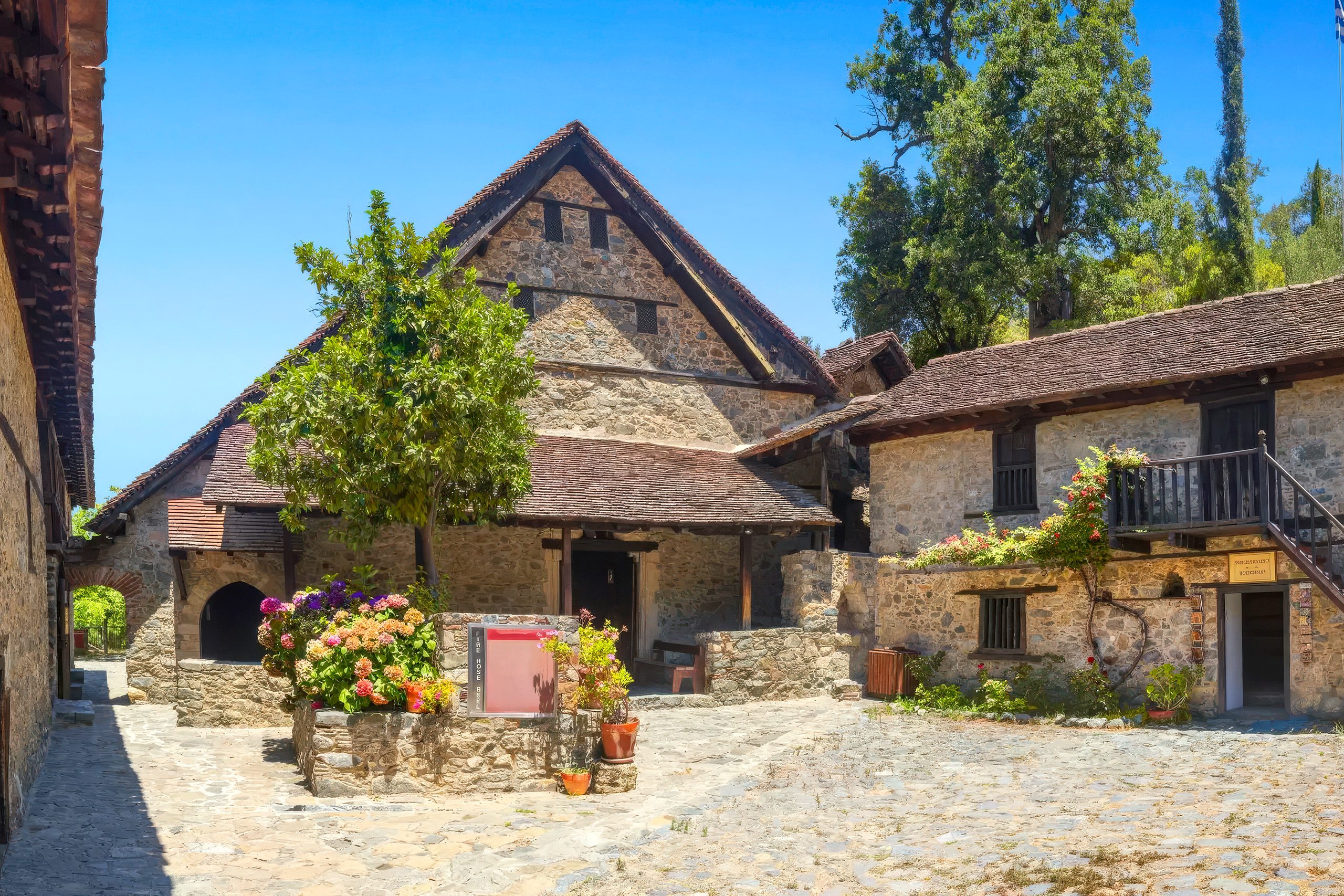
Nine of the ten structures are located in the Nicosia District, while one, Timios Stavros in Pelendri, is situated in the Limassol District. The buildings date from the 11th to the 16th centuries and reflect a combination of high-quality metropolitan artistic styles and strong local artistic identity.
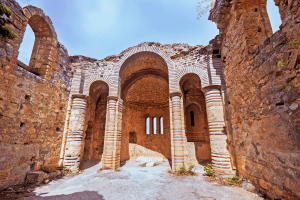
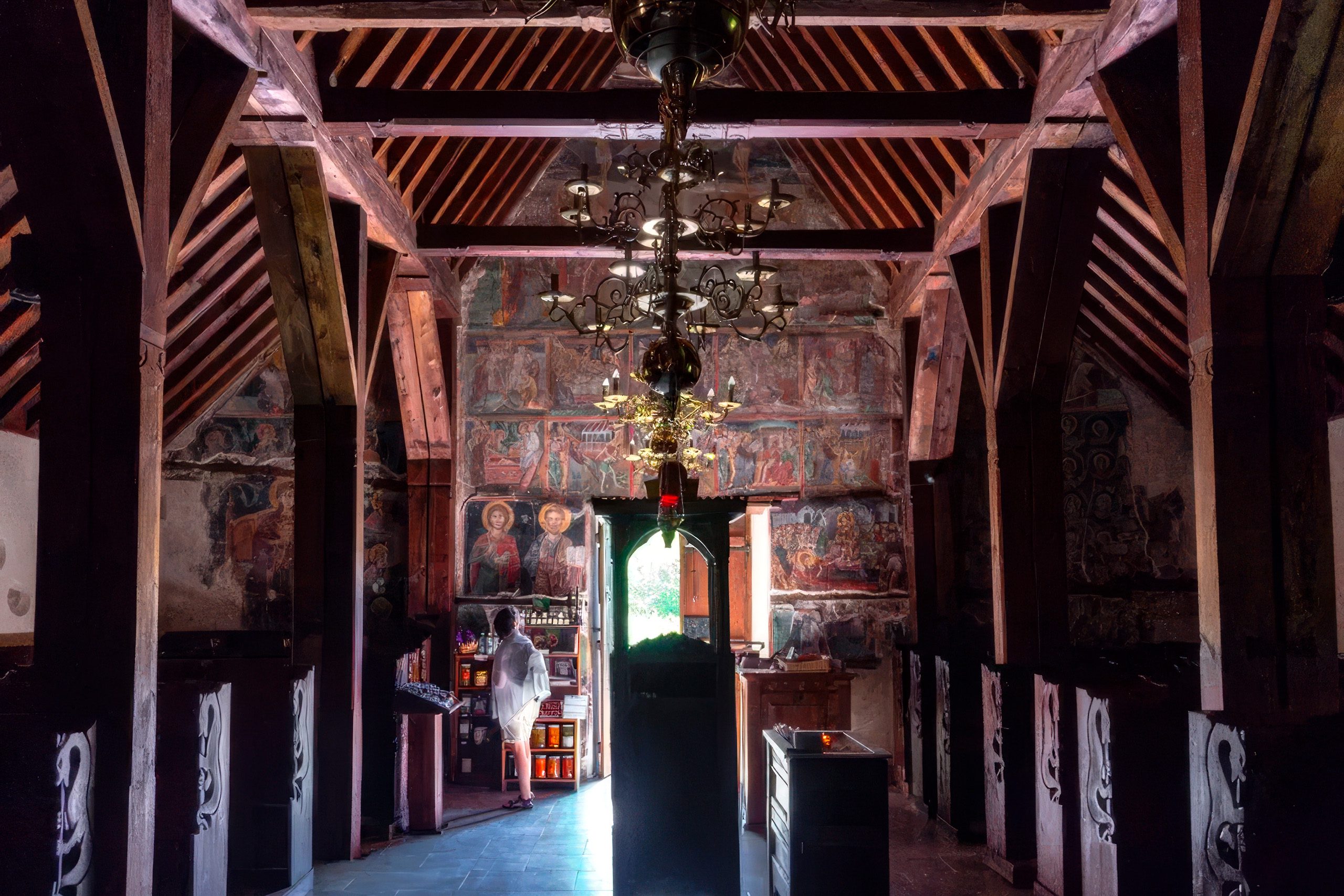
These structures range from small rural chapels to larger monastic complexes such as Agios Ioannis Lampadistis. Their external simplicity contrasts sharply with their richly decorated interiors, where walls are covered with detailed narrative scenes and symbolic compositions.
Historical Background
Cyprus became part of the Byzantine administrative system in 965 AD when imperial forces re-established control over the island after a period of Arab raids. For the following centuries, the island functioned as a strategic frontier province in the Eastern Mediterranean. Urban centers such as Nicosia, Famagusta, Limassol, and Kyrenia expanded significantly during this period, supported by trade, agriculture, and artisanal production.
During this relatively stable phase, wealthy patrons and local communities funded the construction and decoration of churches in the Troodos Mountains. The region’s isolated geography played a major role in preserving these buildings, protecting them from coastal conflicts, invasions, and later political changes.
Over a span of roughly 500 years, between the 11th and 16th centuries, a dense network of decorated churches emerged across the mountain region. The tradition of large-scale wall painting gradually declined after the 16th century due to shifting political and cultural conditions.
The Ten UNESCO Churches
UNESCO recognized nine of these churches in 1985, with a tenth added in 2001. Together, they form a representative collection of medieval Cypriot wall painting traditions.
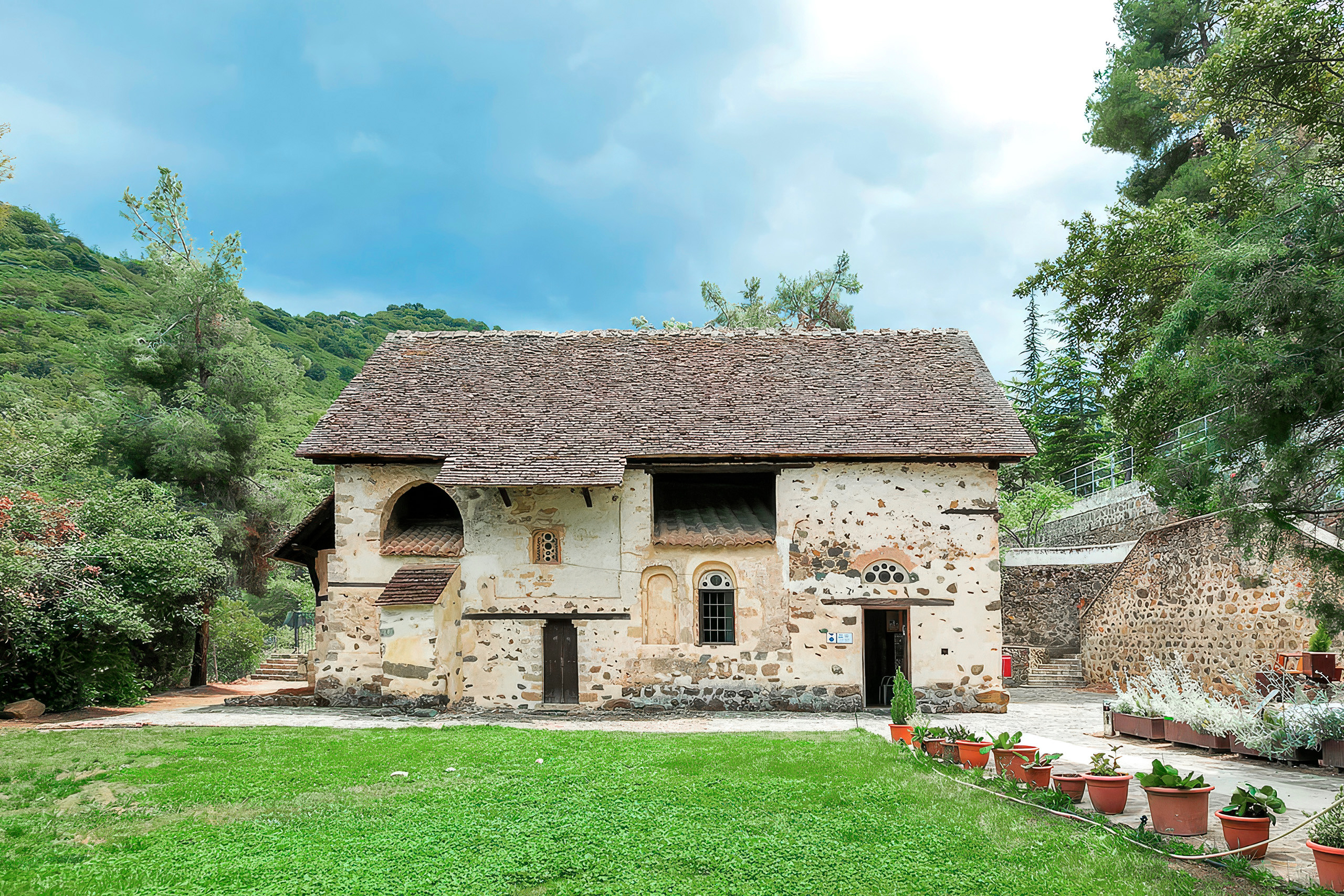
- Agios Nikolaos tis Stegis (Kakopetria): An 11th-century structure and one of the earliest surviving examples in Cyprus. The building features multiple painting phases and a distinctive wooden protective roof added later due to climatic conditions.
- Panagia Phorviotissa (Asinou): Located near Nikitari, this 12th-century church contains one of the most precisely dated medieval painting cycles in Cyprus, making it an important reference point for art historical studies.
- Panagia tou Arakou (Lagoudhera): A 12th-century structure widely regarded as one of the highest-quality examples of medieval fresco work in Cyprus, noted for its refined composition and color use.
- Agios Ioannis Lampadistis (Kalopanagiotis): A monastic complex from the 13th century representing multi-building religious institutions of the period, featuring layered architectural development over time.
- Panagia in Moutoullas: A 13th-century structure originally built as a small private chapel, notable for its early adoption of steep wooden roofing techniques adapted to mountain conditions.
- Timios Stavros (Pelendri): A multi-phase structure with components dating from the 12th century onward. The site preserves layered wall painting cycles reflecting different historical periods.
- Timios Stavros tou Agiasmati (Platanistasa): A 14th-century church featuring late medieval paintings that show both Byzantine traditions and later regional stylistic influences.
- Panagia Podithou (Galata): An early 16th-century church that reflects the continuation of medieval artistic traditions into the post-medieval period.
- Archangelos Michael (Pedoulas): Built in the late 15th century, this structure demonstrates the blending of local artistic practices with broader regional influences.
- Metamorfosis tou Soteros (Palaichori): A 16th-century church representing the final phase of the Troodos painting tradition included in the UNESCO listing.
Architecture Adapted to Mountain Conditions
All ten churches share architectural features shaped by the Troodos mountain environment. The most distinctive element is the steep-pitched wooden roof covered with flat clay tiles, designed to protect the interior from heavy rainfall, snow, and temperature fluctuations.
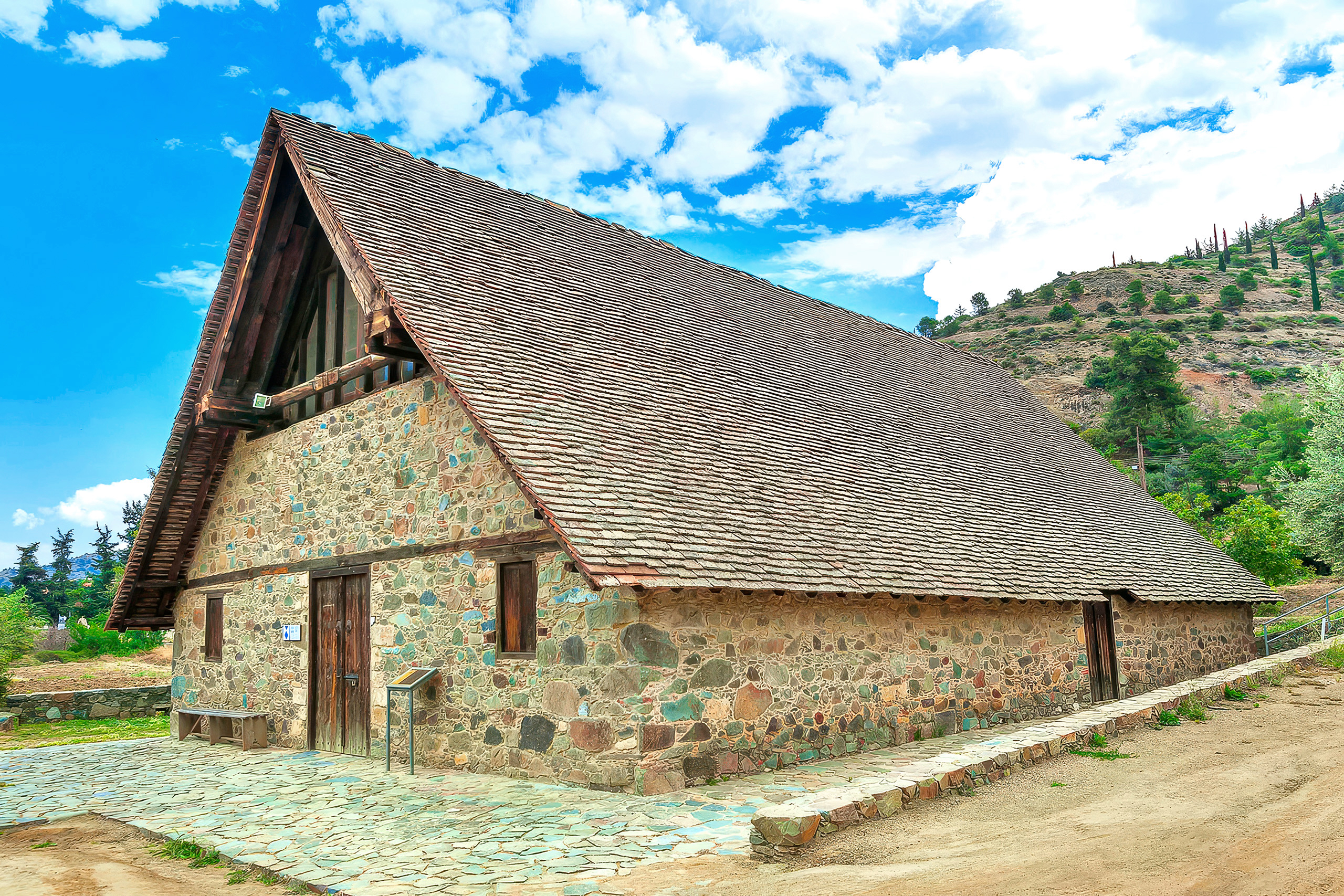
In some cases, these wooden roofs were added over earlier stone domes and vaulted structures. This adaptation helped preserve the painted interiors from moisture damage. Over time, this became a defining architectural solution unique to the region.
Externally, many of these buildings appear modest and unadorned, blending into their rural surroundings. This simplicity contrasts with the richly decorated interiors.
Wall Painting Techniques
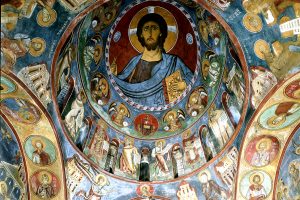
The interior decoration follows traditional medieval wall painting methods applied to wet plaster surfaces. Artists worked quickly and precisely to ensure pigments bonded correctly before drying.
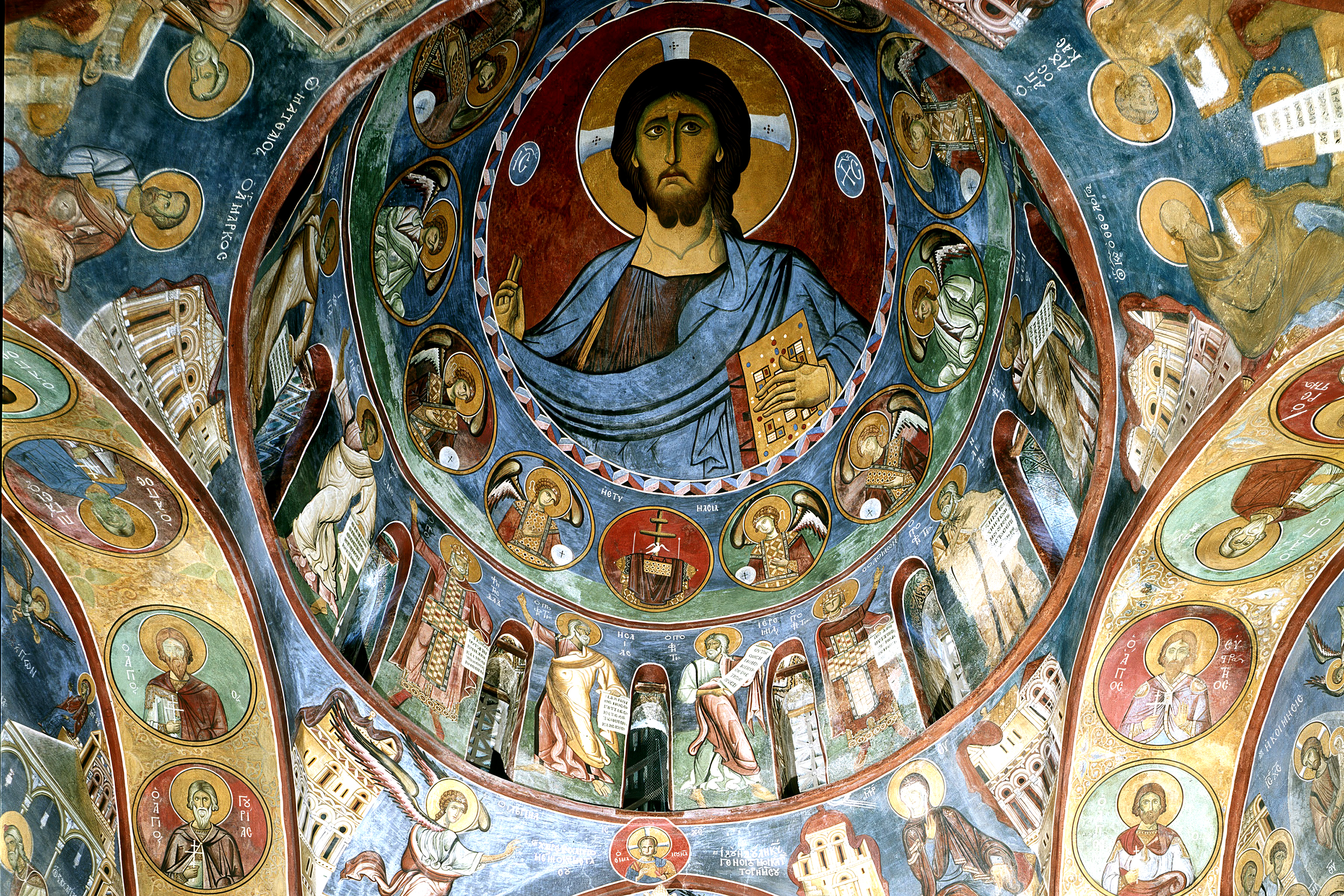
The composition follows a structured visual system organized into three main zones:
- Upper sections: large central figures and symbolic imagery
- Middle sections: narrative scenes and key thematic depictions
- Lower sections: smaller figures, ornamental elements, and supporting compositions

Artistic Development Over Time
The paintings across the Troodos churches document several centuries of stylistic evolution. Earlier works reflect strong links with artistic traditions from major Eastern Mediterranean centers, while later examples show increasing regional adaptation.
The 11th and 12th-century works demonstrate high technical quality and established iconographic conventions. By the 13th and 14th centuries, local artistic schools became more prominent, incorporating regional stylistic elements while maintaining established compositional structures.
Later examples from the 15th and 16th centuries show gradual integration of external influences while continuing long-standing decorative traditions.
Active Use and Preservation
Many of these churches continue to function as active heritage buildings maintained by local communities and cultural authorities. Although not all are regularly used for gatherings, they remain important cultural landmarks and are periodically accessed for maintenance and heritage events.
Their continued presence in village landscapes helps preserve historical continuity while supporting cultural identity in rural mountain communities.
Visiting the Sites
The churches are distributed across the Troodos mountain range and can be explored through several routes connecting nearby villages.
- Marathasa Route: Kalopanagiotis, Moutoullas, Pedoulas
- Pitsilia Route: Lagoudera, Platanistasa, Pelendri, Palaichori
Access conditions vary depending on site and season. Some locations have limited opening hours, typically during daytime periods, while others may require prior arrangement through local caretakers.
Road access is generally via narrow mountain routes marked with brown heritage signage. Some churches are located in remote areas and may require assistance from local guides or community contacts for entry.
Cultural and Historical Importance
The Painted Churches of the Troodos Region represent one of the most significant surviving collections of medieval wall painting in Cyprus. They provide valuable insight into artistic practices, regional development, and cultural exchange across the Eastern Mediterranean.
Their preservation illustrates how mountain communities adapted architectural design to environmental conditions while sustaining long-term artistic traditions.
Together, these sites form an important record of historical continuity, artistic evolution, and rural heritage in Cyprus, offering a rare and well-preserved window into medieval visual culture.