The Church of Stavros tou Agiasmati, situated in the Troodos Mountains near the village of Platanistasa, is one of the monuments included in the UNESCO World Heritage group known as the Painted Churches of the Troodos Region. Dating to the late 15th century, the church represents a mature phase of Cypriot ecclesiastical art during a period of political change and cultural interaction. Its decoration is attributed to the painter Philip Goul, a master whose work reflects the continued vitality of Orthodox artistic traditions under Venetian rule. The church’s importance lies in the completeness and narrative richness of its fresco cycle, which preserves a vivid visual expression of late medieval theology and devotion.
ayda-ru
During the 15th century, Cyprus stood at a crossroads between Byzantine heritage and Western influence. Although the island was under Venetian administration, Orthodox communities maintained their religious and artistic traditions. Stavros tou Agiasmati embodies this continuity, demonstrating that rural mountain churches remained centers of creative expression and theological instruction. Its remote location contributed to the preservation of its paintings, allowing modern viewers to experience a nearly intact example of late medieval Cypriot religious art.
- Architectural Form and Environmental Adaptation
- Interior Space and Liturgical Function
- Frescoes by Philip Goul and Artistic Style
- Iconographic Program and Narrative Richness
- Cultural Context and Artistic Exchange
- Community Role and Devotional Life
- Preservation and World Heritage Recognition
- Conclusion
Architectural Form and Environmental Adaptation
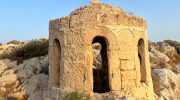
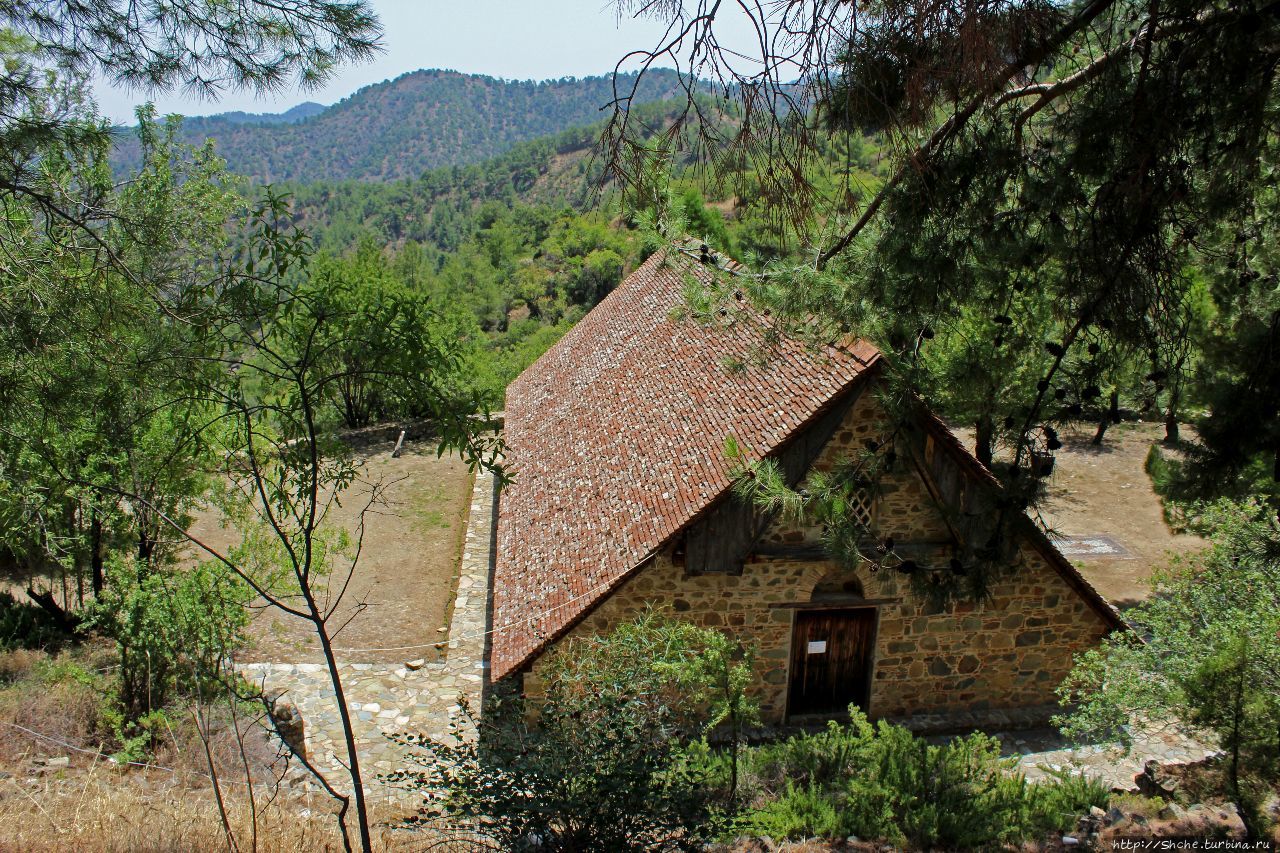
Architecturally, the church follows the characteristic Troodos mountain type: a small, single-aisled structure built of local stone and covered by a steeply pitched wooden roof. This roof, extending beyond the walls, protects the building from heavy rainfall and winter moisture typical of the mountainous climate. The timber construction creates a buffer between the outer environment and the interior vault, helping to preserve the frescoes from humidity and temperature fluctuations.
Externally, the church appears simple and modest, reflecting the rural community that supported it. Its unadorned façade contrasts with the rich interior decoration, emphasizing that the spiritual and artistic focus lies within. The rectangular nave leads to a semicircular apse where the altar stands, following traditional Orthodox liturgical arrangement. The architectural simplicity ensures that painted imagery dominates the interior space, shaping the devotional experience of worshippers.
Interior Space and Liturgical Function
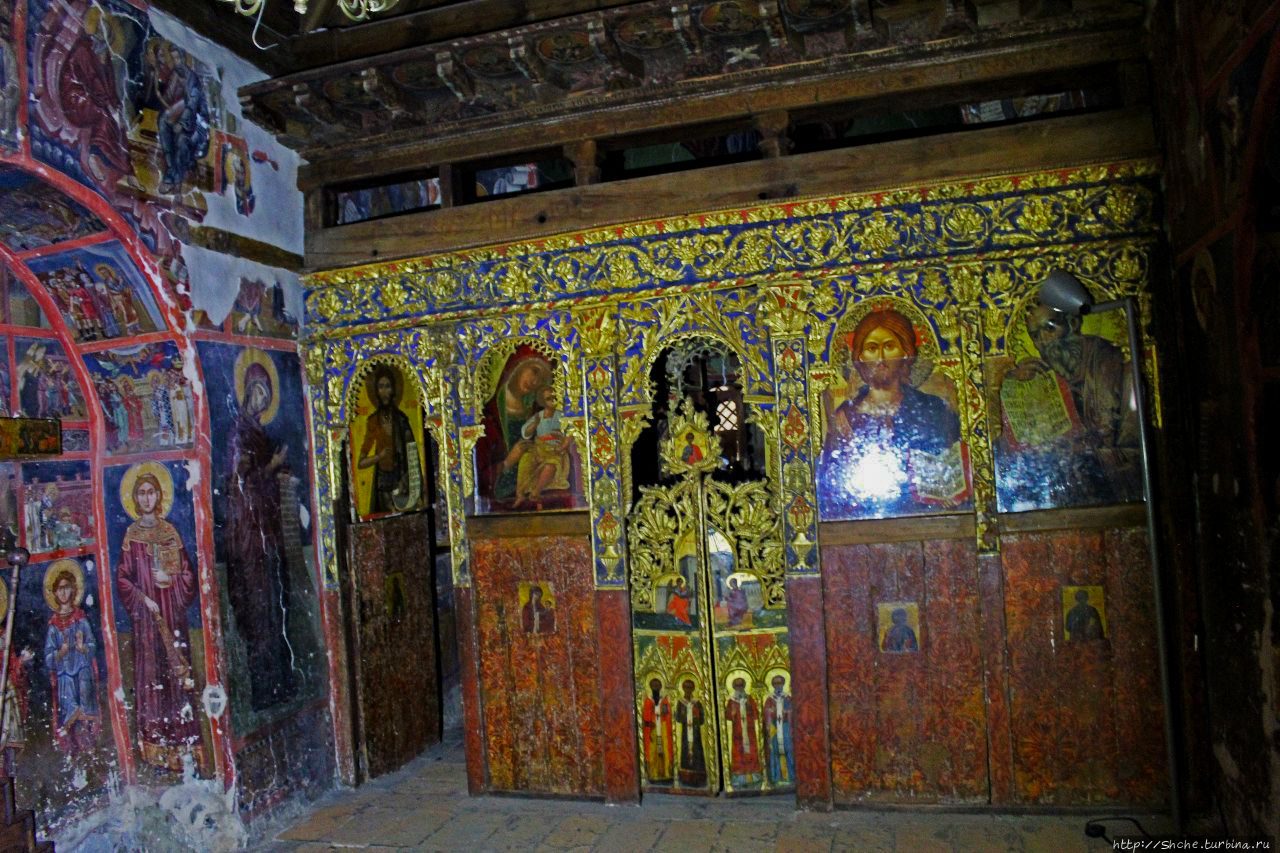
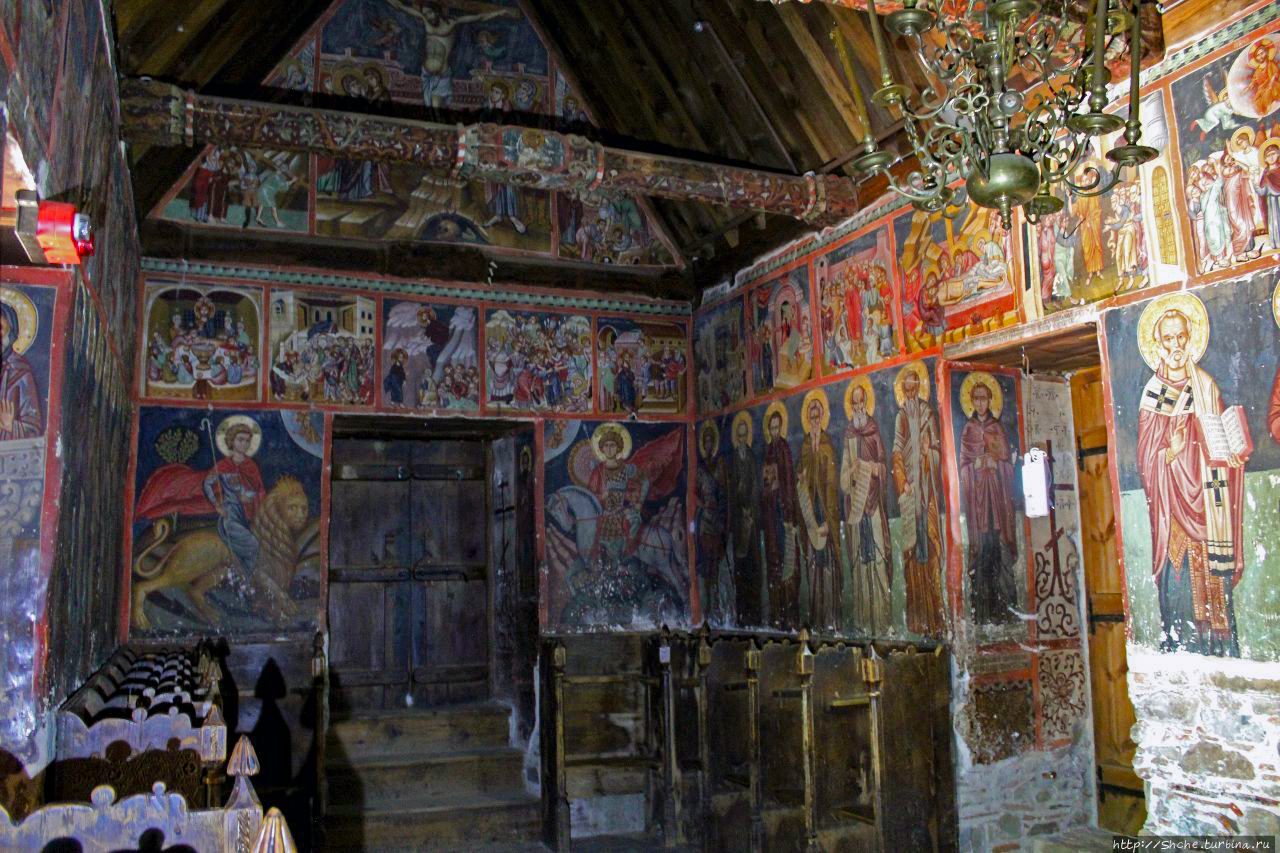
Inside, the church offers an intimate environment suited to communal worship. The sanctuary, located in the apse, is separated from the nave by an iconostasis, marking the boundary between Sacrosanct and congregational areas. The small scale of the building enhances the visual impact of the frescoes, as worshippers stand close to the painted surfaces. Light entering through small windows creates a subdued atmosphere that heightens the colors and details of the decoration.
ayda-ru
The interior arrangement reflects the integration of architecture and theology. The dome or upper vault symbolizes the heavens, while the walls present Sacrosanct history in visual form. This spatial symbolism reinforces the idea that the church building itself represents a microcosm of the spiritual universe.
Frescoes by Philip Goul and Artistic Style
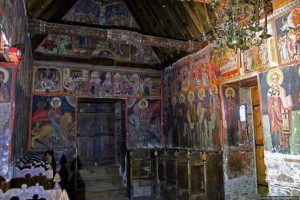
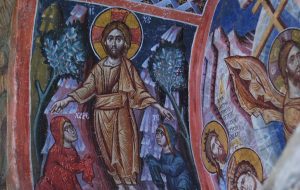
The frescoes of Stavros tou Agiasmati are attributed to Philip Goul, an artist known for his expressive and narratively rich approach. His work combines traditional Byzantine iconographic structure with stylistic elements characteristic of the late medieval period. Figures are elongated and graceful, yet more animated than in earlier Byzantine art. Facial expressions convey emotion, and gestures are used to enhance storytelling, reflecting a shift toward more engaging visual narratives.
ayda-ru
The painter employs a vivid color palette and careful shading to create depth and movement. Drapery is rendered with rhythmic lines that emphasize both structure and fluidity. The technical execution suggests a highly skilled workshop capable of integrating established traditions with contemporary artistic developments. Philip Goul’s work demonstrates how local artists sustained Orthodox visual culture while adapting to changing tastes and influences.
Iconographic Program and Narrative Richness
The iconographic program of the church is comprehensive, covering major events from the life of Christ, the Virgin Mary, and a wide array of saints. Scenes are arranged in a sequence that guides the viewer through the story of salvation, from the Annunciation and Nativity to the Crucifixion and Resurrection. The narrative emphasis is particularly strong, with compositions designed to communicate drama and theological meaning clearly.
Christ Pantokrator occupies a dominant position in the upper part of the church, symbolizing divine authority. Below, scenes unfold in a coherent visual theology that links Old Testament prophecy with New Testament fulfillment. Saints appear in orderly rows along the lower walls, forming a spiritual assembly that connects the earthly congregation with the heavenly realm. This extensive program transforms the church interior into a visual scripture, reinforcing religious teachings through imagery.
Cultural Context and Artistic Exchange
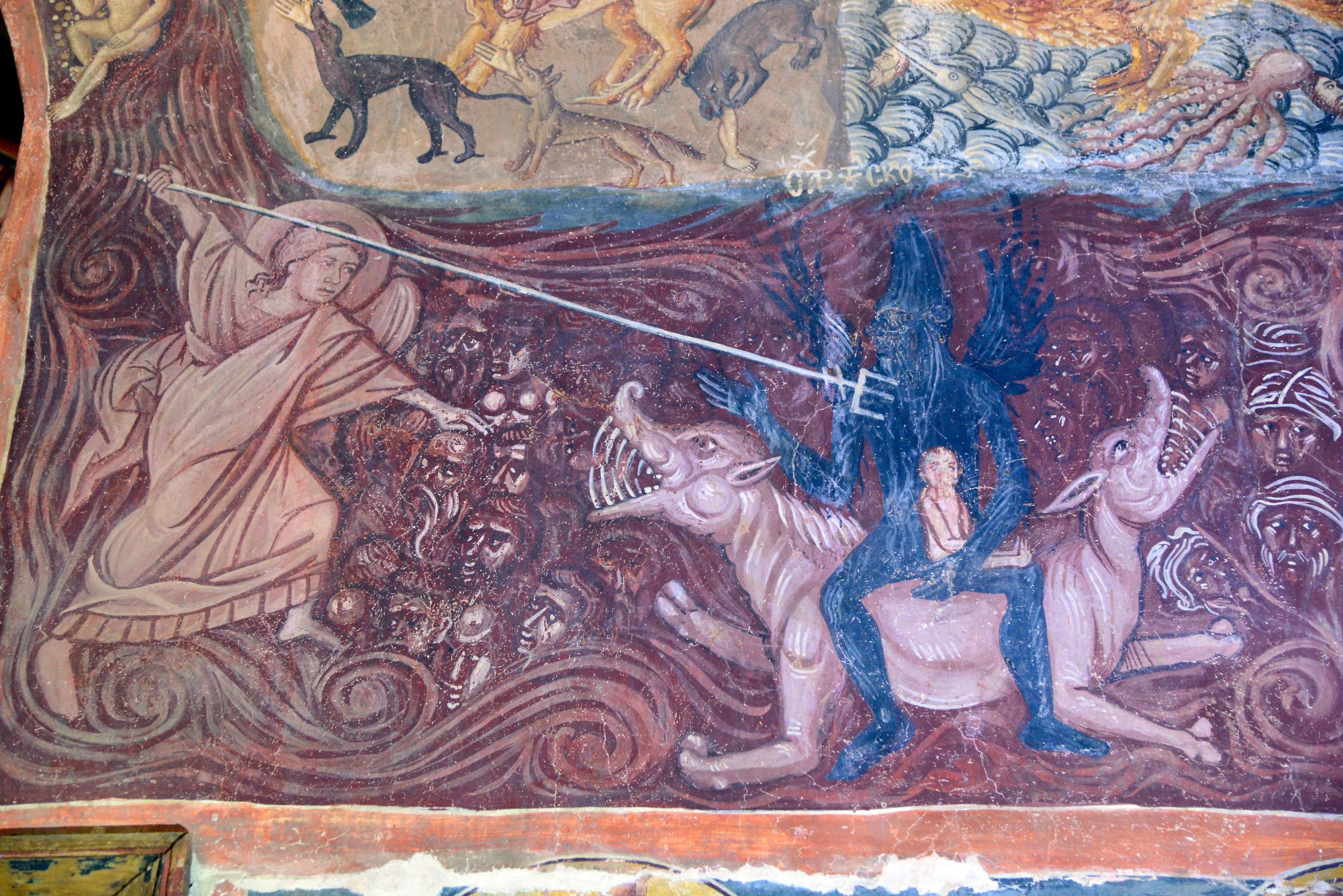
The late 15th century was a period of interaction between Byzantine heritage and Western artistic currents introduced during Venetian rule. While Stavros tou Agiasmati remains firmly rooted in Orthodox iconographic tradition, subtle stylistic features suggest awareness of broader Mediterranean artistic trends. Increased naturalism in facial modeling and movement may reflect indirect exposure to Western techniques, yet these elements are carefully integrated without altering theological meaning.
livejournal-com
This balance illustrates the resilience of Orthodox artistic identity in Cyprus. Local artists adopted selected stylistic developments while preserving the symbolic structure essential to Byzantine theology. The church therefore stands as evidence of cultural dialogue that enriched artistic expression without compromising spiritual continuity.
Community Role and Devotional Life
Stavros tou Agiasmati served as a focal point for the religious life of its surrounding community. In a rural mountain setting, the church was central to social and spiritual gatherings, hosting liturgical services, festivals, and rites of passage. The vivid frescoes reinforced shared beliefs and provided a visual framework for collective worship. The investment in such extensive decoration demonstrates the importance of Sacrosanct art in sustaining communal identity.
The church’s modest architecture combined with rich interior painting reflects the values of the community that built it. Devotion was expressed not through external grandeur but through the creation of a spiritually immersive interior space.
Preservation and World Heritage Recognition
Today, the Church of Stavros tou Agiasmati is protected as part of the UNESCO World Heritage listing of the Painted Churches of the Troodos Region. Conservation efforts focus on maintaining the structural integrity of the roof and walls while safeguarding the delicate frescoes from environmental damage. The monument’s recognition underscores its importance as a rare example of late medieval Cypriot painting preserved in its original architectural context.
livejournal-com
Scholars value the church for the completeness of its fresco cycle and the insight it provides into the work of Philip Goul. Visitors encounter a vibrant testament to the continuity of Orthodox art and the creative vitality of rural Cyprus in the late Middle Ages.
Conclusion
The Church of Stavros tou Agiasmati stands as a significant monument of late medieval Cypriot art, preserving a complete and narratively rich fresco cycle attributed to Philip Goul. Its architecture reflects practical adaptation to the Troodos mountain climate, while its interior decoration embodies the theological depth and artistic vitality of Orthodox tradition during the Venetian period. By integrating expressive narrative style with established iconographic structure, the church demonstrates the adaptability and resilience of Byzantine artistic heritage. As part of the Painted Churches World Heritage group, Stavros tou Agiasmati remains a vital witness to the spiritual and cultural life of medieval Cyprus.