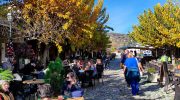
Cyprus supports a unique lifestyle where professionals maintain village homes while commuting to urban jobs. Improved roads connecting mountain villages to coastal cities allow thousands to work in Nicosia, Limassol, Larnaca, or Paphos while living in traditional settlements. The B8 road links Paphos with mountain villages in just 25 to 35 minutes.

The new highway from Limassol reaches Troodos foothills quickly. This pattern creates dual identities, with weekday mornings spent in offices and evenings returned to slow village rhythms. The trend reflects both economic and cultural factors, as rising urban property costs push buyers toward villages while nostalgia for traditional life draws those seeking authenticity. Villages expand with new homes while maintaining historic cores, creating hybrid communities of longtime residents and urban workers seeking refuge.
Traditional Rhythms Persist in Modern Villages
Village life follows patterns established over centuries. Agricultural work structures the day for those still farming, with early morning starts in vineyards, olive groves, and orchards. Older residents engage in viticulture, cheese making, and traditional crafts while younger generations commute to city jobs. Women embroider or knit in courtyards, and some still make traditional halloumi using methods unchanged for generations.
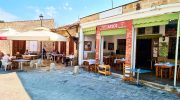
The village kafeneio remains the social center, with men gathering in afternoons and evenings for coffee, backgammon, and conversation. Life centers around the church calendar, with feast days bringing entire communities together. The pace remains unhurried, with time allowed for proper greetings, extended conversations, and shared meals. Village squares host evening promenades where residents walk, visit neighbors, and maintain social bonds. This traditional rhythm provides stark contrast to the deadline-driven urgency of urban offices.
Commuting Connects Village Calm with City Careers
Modern infrastructure allows reasonable commutes from rural areas to urban centers. Laneia village sits just 25 minutes from Limassol via the B8 road, making daily commuting feasible. Some mountain villages require 40 to 50 minute drives but reward residents with panoramic views and tranquility. Carpooling has become common, with villagers sharing rides to reduce costs and environmental impact.

Public buses serve some villages with multiple daily departures, though service can be infrequent and require transfers. Weekend and holiday bus schedules are particularly limited, making car ownership essential for most village residents who work in cities. The commute allows mental transition between work and home modes, with the drive through countryside providing decompression time. Some describe the separation as therapeutic, leaving work stress behind as villages come into view.
Villages Offer What Cities Cannot Provide
The appeal of village life extends beyond lower property costs. Traditional stone houses start from 175,000 to 280,000 euros, significantly less than equivalent urban properties. New villas range from 550,000 to 850,000 euros. Beyond economics, villages provide space, clean air, and connection to nature impossible in dense urban areas. Mountain villages like Kathikas, at 650 meters elevation, stay cooler in summer and offer views of valleys, vineyards, and forests.

Proximity to nature reserves like Akamas National Park provides hiking and outdoor activities minutes from home. Close-knit communities offer security and mutual support absent from anonymous urban apartment blocks. Children grow up knowing neighbors and playing outside rather than confined to apartments. Gardens allow cultivation of vegetables, fruits, and herbs, connecting families to food production. The slower pace reduces stress and allows time for hobbies, reading, and family interaction squeezed out by urban schedules.
The Challenges of Rural Commuter Life
Village living requires adaptation and sacrifice. Limited employment options in rural areas force specialized professionals to commute. Villages lack the restaurants, entertainment venues, and shopping options cities provide. Social activities revolve around kafeneio, church, and home rather than diverse nightlife. Medical facilities may be basic, with serious health issues requiring travel to urban hospitals.
Schools in small villages often go only through primary grades, forcing families with older children to arrange transportation to town schools or boarding. Internet connectivity can be unreliable in remote areas, creating problems for those working from home. Agricultural activities around villages mean tractors and machinery operate at all hours during harvest seasons, with bright lights and noise disrupting sleep. Some villages sit near military training grounds or flight paths, creating unexpected noise issues. Eco-friendly systems like composting toilets and gray water recycling require maintenance and can malfunction.
Tourism Brings Both Opportunity and Tension
Agritourism has revitalized some villages, bringing visitors seeking authentic experiences. Over 100 restored traditional houses operate as licensed holiday accommodation across Troodos foothills and coastal areas. These properties combine rustic charm with modern amenities including swimming pools, WiFi, and full kitchens. Villages like Omodos attract tourists for wine tasting, traditional crafts, and monastery visits.
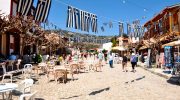
Lofou received UNESCO recognition as a village of architectural importance. Tourism provides income and employment, supporting restaurants, shops, and craft producers. However, success brings changes that longtime residents find mixed. Property values rise, making villages less affordable for young locals. Restaurants cater to tourist tastes rather than serving traditional village food. Shops stock souvenirs instead of daily necessities. Some fear villages become theme parks rather than living communities. The balance between economic benefits and preservation of authentic village character remains delicate.
Why This Lifestyle Defines Modern Cyprus
The village commuter pattern demonstrates how Cyprus adapts tradition to contemporary realities. The exodus of young people to coastal tourism jobs threatened rural areas with complete abandonment, leaving elderly populations and crumbling infrastructure. The commuter trend reverses this decline, bringing families back while allowing urban employment. Villages expand with new construction while historic cores receive protection and restoration.

The pattern preserves cultural heritage, agricultural knowledge, and social traditions that would disappear if villages emptied completely. For Cyprus, maintaining inhabited villages supports national identity rooted in rural traditions even as the economy modernizes. The lifestyle shows that development need not mean abandoning heritage when infrastructure allows connection between old and new. The daily movement between village calm and city energy creates citizens who understand both traditional and modern Cyprus, bridging generational and cultural divides.