All Articles

Cyprus Terracotta Roof Villages

Cyprus Terracotta Roof Villages

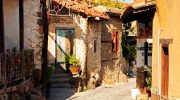
Terracotta roof tiles and enclosed courtyards define the visual character of traditional Cyprus villages, creating architectural patterns that have endured for centuries. The distinctive orange-brown curved clay tiles, fired in local kilns and arranged in overlapping rows, crown limestone buildings throughout mountain villages from Kakopetria to Fikardou. These tiles provide practical weatherproofing while establishing the Mediterranean aesthetic now protected under UNESCO cultural heritage guidelines. The courtyard system, enclosed by high stone walls with heavy wooden gates, served as the functional heart of village life where families conducted agricultural work, food processing, textile production, and social gatherings away from public view. The combination of terracotta roofs and walled courtyards reflects adaptation to Cyprus's climate, available materials, social customs, and economic activities…

Read more

Cyprus Sustainable Wine Production

Cyprus Sustainable Wine Production

Cyprus hosts more than ten indigenous grape varieties that evolved over millennia to thrive in hot, dry Mediterranean conditions. These local grapes require significantly less water, fewer synthetic fertilizers, and minimal pesticide applications compared to international varieties. Research conducted by Cyprus University of Technology found that indigenous varieties like Xynisteri adapt better to drought and heat waves than introduced varieties such as Chardonnay. The indigenous white grape Xynisteri has earned recognition as one of the world's most environmentally friendly varieties. Studies measuring carbon footprints from vineyard to market found that Xynisteri produces lower greenhouse gas emissions than introduced varieties like Cabernet Sauvignon. This native grape thrives without irrigation in Cyprus's dry climate, conserving precious water resources while maintaining quality. The…

Read more
Enkomi Bronze Gods

Enkomi Bronze Gods

Enkomi was a Late Bronze Age city where copper production shaped not only wealth but belief, linking metallurgy to divine protection and political authority. Two bronze figures, the Horned God and the Ingot God, show how Cyprus turned its key resource into sacred symbolism, placing industry, ritual, and administration inside a single system. This article explains Enkomi’s trade position, what the statues were designed to communicate, and how the city’s decline preserved a rare record of “sacred industry” on the island. Enkomi, Built Between Mine and Sea Located near the eastern coast of Cyprus, close to modern Famagusta, Enkomi occupied a position that shaped its destiny. It stood between the copper-rich Troodos foothills and the maritime routes linking Cyprus to…

Read more
Serpent Myths of Cyprus

Serpent Myths of Cyprus

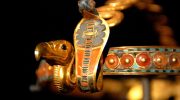
Serpent myths have coiled through Cypriot culture since ancient times, positioning snakes as both feared adversaries and sacred protectors. In Greek antiquity, Cyprus earned the names Ophiousa and Ophiodea, meaning snake land, due to its abundance of serpents, particularly venomous vipers that thrived in the Mediterranean climate. These creatures occupied a complex position in Cypriot consciousness, associated with ancient Aphrodite worship, Christian monastery legends, and modern sea monster sightings. The most famous serpent story involves Saint Helena bringing 1,000 cats to combat a snake plague during monastery construction in 327 AD, a tradition maintained at the Holy Monastery of Saint Nicholas of the Cats to this day. The Ayia Napa Sea Monster, a modern cryptid sighted around Cape Greco, connects…

Read more
Amathus Vase Stone

Amathus Vase Stone

The Amathus Vase is a colossal Cypro-Archaic stone basin carved from local shell limestone, created as a fixed ritual centre in the Sanctuary of Aphrodite at Amathus. Its bull-handles, architectural motifs, and an Eteocypriot inscription fuse water purification, political authority, and indigenous identity into a single monument designed to be permanent. This article explains how the vase functioned in worship, what its imagery and language signal about Amathus, and how its 19th-century removal to the Louvre changed the way Cyprus’s past is seen today. Fourteen Tons of Ritual Scale The first thing the Amathus Vase communicates is scale. This is not a container designed to be moved, handled, or admired up close. It belongs to architecture rather than furniture, a…

Read more
The Dove as a Peace Symbol

The Dove as a Peace Symbol

The white dove carrying an olive branch appears as the centerpiece of Cyprus's national emblem, adopted in 1960 when the island gained independence from British rule. The dove, symbolizing peace, and the olive branch, symbolizing peace-making, are important elements that emphasize Cyprus's aspiration for peace and stability after many years of conflict. These universal symbols of harmony are fundamental to the aspirations of the Republic of Cyprus, deliberately chosen to unite ethnic and cultural groups on the island without favoring Greek Orthodox crosses or Turkish crescents. Biblical Origins of the Peace Dove The dove as a peace symbol traces its roots to the biblical story of Noah's Ark. After the great flood, Noah sent out a dove to determine if…

Read more
Traditional Cypriot Rural Life

Traditional Cypriot Rural Life

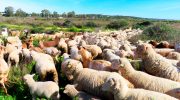
Cyprus's rural economy developed around livestock farming for thousands of years before modern tourism. Goats, sheep, and donkeys formed the backbone of village life, providing milk, meat, wool, transportation, and labor. These animals adapted perfectly to the island's hot, dry climate and rocky terrain. Families raised small herds using methods passed through generations, with women typically managing milk production and cheese making while men handled field work and shepherding. The livestock fit naturally into Cyprus's agricultural cycle, grazing on wild plants during rainy months and consuming crop residues during summer. This system created self-sufficient communities where nearly every household maintained animals. Archaeological evidence shows Cypriots domesticated these species during the Aceramic Neolithic Period around 7000 BCE, making livestock farming one…

Read more
The Island Silhouette and Identity

The Island Silhouette and Identity

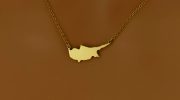
The island silhouette on Cyprus's national flag represents one of the few instances worldwide where a nation displays its complete geographical outline on its official symbol. The copper-orange map emphasizes the entirety of Cyprus, deliberately designed to be geographically accurate and represent all Cypriots regardless of cultural or political affiliations. This visual representation connects deeply to national identity, appearing not just on flags but in government documents, tourism materials, commercial packaging, and cultural expressions that define what it means to be Cypriot. The shape itself evokes 9,000 years of continuous habitation, from Neolithic settlements to Bronze Age copper trading empires to modern European Union membership. The positioning of the island closer to the hoist represents aspiration for harmonious coexistence, while…

Read more
Traditional Cypriot Teas, Oils, and Remedies

Traditional Cypriot Teas, Oils, and Remedies

Cyprus has preserved a rich tradition of natural healing that stretches back thousands of years. The island's unique position in the Mediterranean has made it a crossroads of herbal knowledge, where Greek, Roman, Byzantine, and Middle Eastern practices merged into a distinctive approach to wellness. Traditional Cypriot remedies center on three main categories: herbal teas, therapeutic oils, and natural syrups. These remedies were not luxury items but essential household staples, passed down through generations as grandmother's wisdom, and they remain relevant in contemporary Cypriot life. Historical Context The practice of herbal medicine in Cyprus dates back to ancient times. Local healers used frankincense, myrrh, olive oil, and bitter herbs to treat common ailments. Ancient Greek physician Hippocrates recognized the healing…

Read more