Serpent myths have coiled through Cypriot culture since ancient times, positioning snakes as both feared adversaries and sacred protectors. In Greek antiquity, Cyprus earned the names Ophiousa and Ophiodea, meaning snake land, due to its abundance of serpents, particularly venomous vipers that thrived in the Mediterranean climate.
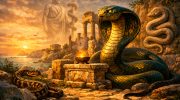
These creatures occupied a complex position in Cypriot consciousness, associated with ancient Aphrodite worship, Christian monastery legends, and modern sea monster sightings. The most famous serpent story involves Saint Helena bringing 1,000 cats to combat a snake plague during monastery construction in 327 AD, a tradition maintained at the Holy Monastery of Saint Nicholas of the Cats to this day.
The Ayia Napa Sea Monster, a modern cryptid sighted around Cape Greco, connects contemporary folklore to ancient myths of Scylla and other serpentine guardians. These serpent narratives reveal how Cypriots transformed dangerous natural phenomena into spiritual protectors and cultural symbols across millennia.
Ancient Cyprus as the Snake Land
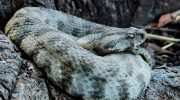
Classical writers including Strabo and Pliny the Elder identified Cyprus as a land dominated by serpents. The island’s warm climate and rocky terrain provided ideal habitat for the Cypriot blunt-nose viper, a venomous snake endemic to the region. These vipers posed genuine danger to farmers, shepherds, and travelers moving through countryside areas. The prevalence of snakes shaped agricultural practices, settlement patterns, and folk beliefs about dangerous spaces requiring divine protection.
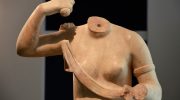
The association between Cyprus and serpents extended beyond practical concerns to religious symbolism. Aphrodite, whose cult centered at Paphos, inherited serpent associations from earlier Phoenician and Near Eastern goddesses who often appeared with snakes as symbols of fertility, regeneration, and chthonic power. Serpents represented the earth’s creative force, their ability to shed skin symbolizing renewal and immortality. Archaeological evidence from Cypriot sanctuaries includes serpent imagery on votive offerings, suggesting snakes played roles in ritual practices honoring fertility deities.
The transformation from pagan to Christian worldview required reinterpreting serpent symbolism. While Christianity viewed serpents primarily as symbols of temptation and evil following the Genesis narrative, Cyprus developed more nuanced traditions that recognized snakes’ dual nature as both threat and spiritual force. This complexity allowed ancient serpent associations to persist through theological framework shifts.
Saint Helena and the Cat Army Legend
According to tradition preserved since medieval times, Saint Helena visited Cyprus around 327 AD while returning from Jerusalem where she discovered the True Cross. She planned to establish monasteries on the island but encountered severe obstacles. A terrible drought had afflicted Cyprus, creating conditions where venomous snakes proliferated to plague proportions. The serpents drove away construction workers attempting to build the Monastery of Saint Nicholas on the Akrotiri Peninsula near Limassol, threatening the project’s completion.
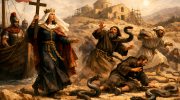
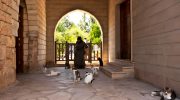
Helena’s solution demonstrated practical wisdom combined with divine inspiration. She ordered 1,000 cats shipped from Egypt and Persia, regions where felines had been domesticated for pest control for millennia. The cats were trained to respond to two different bells, one signaling feeding time and another calling them to hunt snakes. The resulting battles between cats and serpents reportedly left the felines scarred, with many losing eyes and noses in combat, but they succeeded in eradicating most snakes from the monastery grounds.
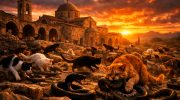
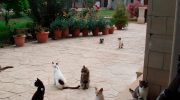
The monastery was completed and operated for centuries, though it suffered destruction and rebuilding multiple times through Byzantine, Lusignan, Venetian, and Ottoman periods. The cats remained on site, eventually developing into a distinct variety known as the Cyprus cat. When the monastery was reestablished as a convent in 1983 after years of abandonment, the nuns discovered that snakes had returned. Following the ancient tradition, they brought in new cats which quickly controlled the problem. The monastery now maintains a sanctuary for stray cats brought from across Cyprus, honoring the felines’ legendary service while providing care for abandoned animals.
The Ayia Napa Sea Monster and Cape Greco
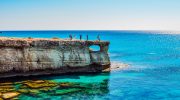
Modern Cyprus hosts its own serpent legend centered at Cape Greco, a dramatic headland in the Famagusta district between the resort towns of Ayia Napa and Protaras. Local fishermen call the creature To Filiko Teras, meaning the Friendly Monster, suggesting a benign entity despite its frightening appearance. Reports describe the creature as resembling either a giant crocodile or a serpent, with some accounts combining features of both into a crocodilian serpent.
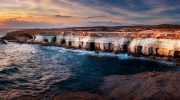
The monster reportedly frequents the waters around Cape Greco, occasionally tearing fishing nets but causing no direct harm to humans. Sightings occur primarily in the area’s numerous sea caves and the deep waters of Famagusta Bay. Despite countless reported observations by tourists and locals, no photographic or video evidence has been verified, leading skeptics to dismiss the creature as folklore or misidentification of known marine animals like large eels, sharks, or marine mammals.
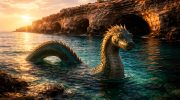
Believers connect the Ayia Napa Sea Monster to Scylla, the fearsome creature from Greek mythology depicted in mosaics at the House of Dionysus in Paphos. Ancient accounts describe Scylla as having a woman’s torso, a serpent’s lower body, and six snarling dog heads emerging from her midsection. The creature dwelt in rocky straits where she snatched sailors from passing ships, representing the dangers of navigation through treacherous waters. The connection between modern sightings and ancient myths suggests psychological continuity where Mediterranean peoples project serpentine guardians onto dangerous maritime spaces.
Serpents in Cypriot Monastery Traditions
Beyond Saint Nicholas of the Cats, serpent legends attach to other sacred sites across Cyprus. Cape Pedalion, the ancient name for Cape Greco, was sacred to Aphrodite according to Strabo. This association linked the cape to serpent symbolism from pre-Christian times, possibly explaining why modern sea monster legends cluster in this location. The sacred landscape created by ancient cult practice influenced how later generations interpreted unusual phenomena in the same geographical space.
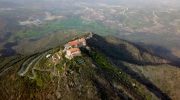
Stavrovouni Monastery, established on Mount Olympos by Saint Helena during the same visit when she brought the cats, served as a landmark for ships approaching Cyprus from the Mediterranean. The monastery’s height made it visible even in cloudy weather, functioning as a navigation aid. The connection between prominent coastal or mountain landmarks and snake legends appears across Mediterranean cultures, suggesting mariners attributed protective power to geographical features that announced dangerous sailing conditions or required special navigation skills.
The transformation of the physical landscape into holy space through monastery construction created what scholars call hierotopy, the making of sacred places. Serpents served as obstacles that divine intervention overcame, establishing the sanctity of sites where monasteries ultimately stood. The cats became miracle workers, their victory over serpents demonstrating God’s power working through unlikely agents to enable Christian infrastructure on a formerly dangerous snake land.
Serpent Symbolism Across Cultures
The Cypriot serpent traditions participate in broader Mediterranean patterns where snakes represent both creative and destructive forces. Greek mythology featured numerous serpent-related figures including Python, the dragon Apollo slew at Delphi, the Gorgon Medusa with her snake hair, and the healing serpent of Asclepius whose Rod became the symbol of medicine. These varied representations show snakes embodying wisdom, immortality, healing, danger, and divine power simultaneously.

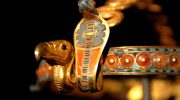
Cyprus’s position at the crossroads between Greek, Phoenician, Egyptian, and Near Eastern civilizations exposed the island to multiple serpent traditions. Egyptian mythology featured protective serpents like the uraeus on the pharaoh’s crown and dangerous ones like Apopis who attacked the sun god Ra nightly. Mesopotamian myths included the dragon Tiamat and various serpent deities associated with water and fertility. The biblical tradition introduced the serpent as tempter in Eden and enemy of humanity, while also preserving the bronze serpent Moses erected for healing in Numbers 21.
The synthesis of these traditions in Cyprus created unique local variants. The friendly monster of Ayia Napa suggests beneficial serpents despite frightening appearance. The cats defeating snakes at Saint Nicholas monastery represents Christianity triumphing over pagan dangers while acknowledging the genuine threat snakes posed to agricultural communities. The persistence of serpent folklore into modern times demonstrates how ancient symbols adapt to changing religious and cultural contexts while maintaining core meanings related to danger, protection, and the boundary between human civilization and wild nature.
Contemporary Significance and Tourism
The serpent myths contribute to Cyprus’s cultural tourism industry by adding mythological depth to natural and historical sites. Cape Greco National Park attracts visitors seeking the Ayia Napa Sea Monster alongside its documented natural beauty including sea caves, unique flora, and dramatic coastal scenery. Tour operators offer boat trips emphasizing the possibility of monster sightings, transforming folklore into economic opportunity while preserving local traditions.
The Monastery of Saint Nicholas of the Cats welcomes visitors interested in the cat sanctuary and the serpent legend that explains its unusual name and mission. The monastery demonstrates how ancient stories maintain relevance by connecting to contemporary concerns like animal welfare. The cats’ role as snake controllers transformed them into sacred animals deserving protection and care, a belief system that supports the modern sanctuary’s charitable work.
The serpent myths also contribute to Cypriot cultural identity by distinguishing the island from other Mediterranean destinations. While many regions claim monster legends, Cyprus’s combination of ancient snake land reputation, Christian cat army tradition, and modern sea serpent sightings creates distinctive narrative texture. These stories connect modern Cypriots to their ancestors who inhabited the same landscape and wrestled with the same natural dangers while seeking divine protection through religious practice.