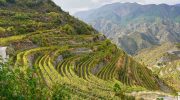
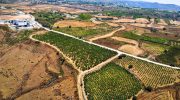
Cyprus hosts more than ten indigenous grape varieties that evolved over millennia to thrive in hot, dry Mediterranean conditions. These local grapes require significantly less water, fewer synthetic fertilizers, and minimal pesticide applications compared to international varieties. Research conducted by Cyprus University of Technology found that indigenous varieties like Xynisteri adapt better to drought and heat waves than introduced varieties such as Chardonnay.
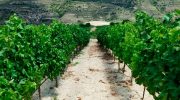
The indigenous white grape Xynisteri has earned recognition as one of the world’s most environmentally friendly varieties. Studies measuring carbon footprints from vineyard to market found that Xynisteri produces lower greenhouse gas emissions than introduced varieties like Cabernet Sauvignon. This native grape thrives without irrigation in Cyprus’s dry climate, conserving precious water resources while maintaining quality.
The Carbon Footprint of Cyprus Wine Production
Researchers at Cyprus University of Technology conducted the first comprehensive carbon footprint study of Cypriot wine in 2020. They analyzed data from 20 vineyards cultivating Xynisteri and tracked emissions through the entire production process. The study found that producing 76,000 bottles generated 99,586 kilograms of carbon dioxide equivalent, or 1.31 kilograms per 750 milliliter bottle.
The research identified three main sources of emissions. Electrical energy consumption accounted for 46 percent of the total carbon footprint, making it the largest single contributor. Glass bottle production and packaging represented 18 percent of emissions, while vineyard operations contributed 16 percent. Fuel use for transportation and heating, along with waste management from solids and wastewater, each added 10 percent to the total footprint.
These findings revealed clear opportunities for emission reductions. The study suggested that Cyprus wineries could lower their carbon footprint substantially by switching to lighter glass bottles, reducing energy consumption, and reusing solid waste as fertilizer. Management practices like using organic material instead of synthetic fertilizers could further decrease emissions while increasing carbon sequestration in the soil.
Organic Certification and Sustainable Farming Practices
The shift toward organic viticulture gained momentum in Cyprus starting in 2019. Zambartas Wineries became one of the first producers to receive official organic certification for their vineyards after a three-year process monitored by LACON, a certifying company that ensures compliance with Cyprus government and European Union regulations.

The certification process requires eliminating all toxic substances used to protect vines, including chemical weed killers and synthetic disease sprays. Marcos Zambartas, co-founder of the winery, explains that organic practices bring increased risks. Native yeast must be allowed to ferment naturally, and fewer oenological substances are available to adjust wine if problems occur during production. For single vineyard wines, blending to achieve consistency is impossible, making each vintage a single opportunity.
European Union Support for Sustainable Wine Production
The European Commission approved a Common Agricultural Policy for Cyprus that took effect in January 2023. This policy allocated 155 million euros to support farmers’ income and encourage sustainable practices. Of this total, 22 million euros were designated specifically for the wine industry from 2023 to 2027.

The funding aims to transform vineyards by introducing a wider variety of grapes, repairing stone walls to reduce soil slopes and erosion, and modernizing wine cultivation practices. The policy emphasizes support for small and medium-sized farms while giving producers greater flexibility to adapt measures to local conditions. Additional investments target water management and soil preservation through improved irrigation systems and innovative agricultural practices.
Cyprus wine producers are also participating in international sustainability initiatives. The Porto Protocol, a nonprofit platform, brings together wine industry members to collaborate on combating climate change. Members share knowledge to improve winemaking practices, supply chains, and transparency around development performance. These collaborative efforts help small Cyprus wineries access best practices developed by larger wine regions worldwide.
Innovative Technologies Reducing Environmental Impact
Recent pilot studies in Cyprus demonstrated that smart farming technologies can dramatically reduce pesticide usage. The integration of digital labeling and precision agriculture solutions led to reductions of up to 75 percent in pesticide applications while enhancing perceived wine quality by an average of 8 percent. These technologies allow winemakers to target treatments precisely where needed rather than applying chemicals broadly across entire vineyards.

The EcoWinery project, funded by the Research and Innovation Foundation of Cyprus, partnered boutique winery Nicolaides with four research institutions to determine the Product Environmental Footprint for Cypriot wine. The project created tools for determining environmental footprints while exploring best practices for lowering impacts. Researchers focused on reducing the climate change category of PEF through novel management approaches.
The project demonstrated efficient vineyard management techniques that increase carbon sequestration while reducing emissions. These methods include using animal manure and winery sludge as fertilizer instead of synthetic nitrogen products, implementing reduced tillage to minimize soil carbon dioxide emissions, and decreasing energy required for field operations. The research showed that these practices could substantially lower greenhouse gas emissions compared to conventional viticulture.
The Economic Case for Sustainability
Sustainable practices are not merely environmental choices but economic necessities for small Cyprus wineries competing against cheaper imports. Imported wines have captured two-thirds of the local market valued at 75 million euros annually. Cypriot producers need to create unique identities for their products, and sustainability combined with indigenous varieties offers exactly that differentiation.
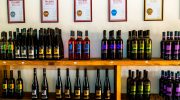
Over 90 percent of Cyprus consumers prefer environmentally friendly products according to Eurobarometer surveys, and 2017 research by Cyprus University of Technology found similarly strong preferences for wines produced sustainably. This consumer demand supports premium pricing for certified organic and low-impact wines. Wineries that can document their environmental footprint and biodiversity conservation efforts gain competitive advantages in both local and export markets.
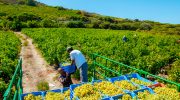
The boutique winery model that dominates Cyprus wine production aligns naturally with sustainable practices. Small producers can implement organic farming more easily than industrial operations. They can hand-harvest on steep slopes, use traditional methods that require less energy, and market directly to consumers who value environmental stewardship. The combination of indigenous varieties, sustainable farming, and compelling stories about heritage creates strong brand identities.
Looking Toward a Sustainable Future
Cyprus wine industry provides a model for how traditional wine regions can embrace sustainability without sacrificing quality or profitability. The focus on indigenous varieties that require minimal inputs, the adoption of organic certification, the implementation of innovative technologies, and the preservation of heroic viticulture all contribute to exceptionally low environmental footprints.

The 22 million euros in European Union funding will accelerate this transition by supporting vineyard improvements, modern cultivation techniques, and increased awareness of sustainable Cyprus wines. As more producers achieve organic certification and implement carbon reduction strategies, the entire industry benefits from enhanced reputation and market access.
The rediscovery and promotion of indigenous varieties represents perhaps the most significant long-term contribution. These grapes, shaped by millennia of natural selection in Cyprus’s challenging climate, embody genetic solutions to problems that climate change is creating for wine regions globally. Their natural drought tolerance, disease resistance, and low input requirements make them increasingly relevant as the wine world confronts environmental pressures.