8. Ottoman period

Famagusta Canbulat Museum

Famagusta Canbulat Museum

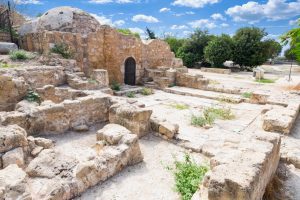
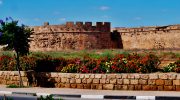
The Canbulat Museum sits within the Arsenal Bastion, a fortified structure that forms part of the massive Venetian walls surrounding old Famagusta. The bastion was first opened as a museum in 1968, then underwent renovation and reopened in 2008. The museum occupies a site that witnessed one of the most decisive moments in Cypriot history. The building dates back to the Venetian period and houses a tomb made of cut stone surrounded by iron railings. Visitors enter through the southern section of the fortress walls, adjacent to the Canbulat Pasha Gate. The location holds both historical and spiritual significance for many Turkish Cypriots, who regard it as a pilgrimage site honoring Ottoman military courage. Historical Background The Ottoman conquest of…

Read more
Sufi Tekkes of Cyprus

Sufi Tekkes of Cyprus

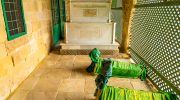
A tekke is a building designed specifically for gatherings of a Sufi brotherhood, or tariqa, and functions as a place of spiritual retreat and character reformation. During Ottoman rule in Cyprus from 1571 to 1878, several tekkes were established across the island to serve the mystical branches of Islam that emphasized direct personal experience of the divine through meditation, prayer, music, and dance. These sacred spaces became centers not only for spiritual practice but also for community welfare, providing food for the poor and accommodation for travelers. Today, the most significant surviving tekkes in Cyprus are the Mevlevi Tekke in Nicosia and Hala Sultan Tekke in Larnaca, each representing different aspects of Sufi tradition on the island. Historical Background Sufism,…

Read more
Hadji Georgakis Kornesios Mansion in Cyprus

Hadji Georgakis Kornesios Mansion in Cyprus

The Hadjigeorgakis Kornesios Mansion stands in Nicosia's old Saint Antonios quarter as the finest surviving example of 18th century Ottoman urban architecture in Cyprus. Built in 1793, this two story residence once belonged to the island's most powerful dragoman and now serves as the Cyprus Ethnological Museum, winner of the 1988 Europa Nostra award for cultural heritage restoration. The dragoman served as the official interpreter between the Ottoman Sultan's Divan and the local Greek Cypriot population. This position emerged at the start of Ottoman rule in Cyprus in 1571 and continued until the Greek War of Independence in 1821. The dragoman acted as a liaison between the pasha and the occupied population. In the early years of Ottoman rule, dragomans…

Read more
Kamares Aqueduct, Cyprus

Kamares Aqueduct, Cyprus

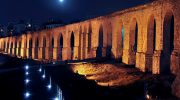
The Kamares Aqueduct stands as one of the most impressive monuments from Ottoman Cyprus. It was built in the 18th century to solve the city's water shortage. Water infrastructure was essential for urban centers throughout the Ottoman Empire. Cities needed reliable water sources to support growing populations, public baths, fountains, and agricultural activities. The Ottomans inherited Roman and Byzantine engineering knowledge and adapted these techniques to meet their needs. Cyprus became an Ottoman province in 1571 after the conquest of the Venetian-controlled island. Under Ottoman administration, Cyprus experienced periods of both prosperity and hardship. Water supply infrastructure represented one area where Ottoman governors made significant investments, recognizing that access to clean water directly affected public health and economic development. Aqueducts…

Read more
Ottoman Sebils Public Water Fountains

Ottoman Sebils Public Water Fountains

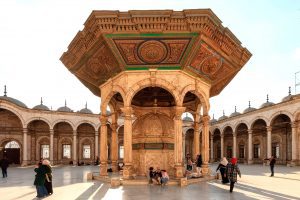
When the Ottoman Empire took control of Cyprus in 1571, the island experienced major changes in its architecture and daily life. Among the most practical contributions the Ottomans brought were sebils, public water fountains that became essential features of Cypriot cities. These structures served both religious and civic purposes, providing free drinking water to travelers and locals while allowing Muslims to perform ritual ablutions before prayer. The word sabil comes from the Arabic root meaning to make available or to provide a way. In Islamic tradition, building a sabil was considered an act of charity, a way to earn religious merit by serving the community. The Ottoman authorities valued these fountains so highly that they granted tax exemptions to anyone…

Read more
Ottoman Baths in Cyprus

Ottoman Baths in Cyprus

Ottoman baths, known as hamams, represent a distinctive cultural contribution to Cyprus architecture and social life. These public bathhouses served communities across the island for centuries, combining cleansing rituals with social gathering spaces. Several hamams survive today as monuments to Ottoman rule, with two still operating as functional spas. The hamam tradition did not originate with the Ottomans. Its roots stretch back to Roman thermae and Byzantine bathing practices, which the Ottomans inherited and adapted to Islamic requirements for ritual cleanliness. The word hamam comes from the Arabic root meaning heat or heating, reflecting the central role of warmth in the bathing process. Islamic tradition emphasizes cleanliness as a prerequisite for prayer. This religious requirement, combined with social customs, made…

Read more
Arabahmet Mosque (Nicosia)

Arabahmet Mosque (Nicosia)

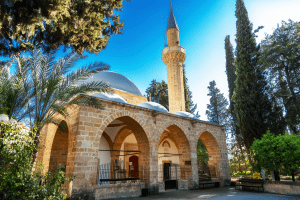
Arabahmet Mosque is a 16th-century Ottoman mosque located in the Arab Ahmet Quarter of Nicosia. Built in the late 1500s shortly after the Ottoman conquest of Cyprus in 1571, the mosque was named after Arab Ahmet Pasha, one of the commanders who led the Ottoman army during the invasion. He also served as Governor General of Rhodes. The mosque is the only one in Cyprus to feature typical Turkish-style domes. A large central dome about 6 meters across covers the main prayer hall, three smaller domes protect the entrance porch, and four more tiny domes sit at the building's corners. This design follows the classical Anatolian style of placing a dome on a square building. Historical Background Arab Ahmet Pasha…

Read more
Ottoman Era Mosques Urban Architecture

Ottoman Era Mosques Urban Architecture

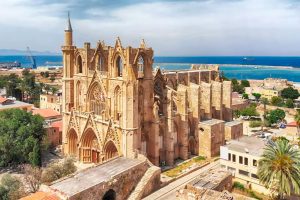
Ottoman architecture in Cyprus refers to the Islamic buildings and urban structures constructed or adapted during Ottoman rule from 1571 to 1878. This three century period significantly reshaped the physical appearance of Cypriot cities, especially Nicosia and Famagusta. The Ottomans introduced architectural forms developed in Istanbul and Anatolia, including domed mosques, hans or caravanserais, hammams or bathhouses, covered markets, and medrese schools. Unlike other Ottoman territories where Islamic architecture replaced earlier structures, Cyprus presented a distinct situation. The Ottomans inherited large scale Gothic buildings from the Lusignan and Venetian periods, particularly cathedrals that were too monumental to demolish. Instead of destroying these structures, Ottoman authorities converted them for Islamic use through the addition of minarets, the removal of Christian imagery,…

Read more
Büyük Han Nicosia Ottoman Caravanserai

Büyük Han Nicosia Ottoman Caravanserai

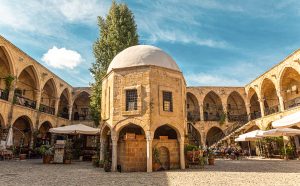
In the center of the Turkish-occupied part of Nicosia’s Old City stands a building that has had many lives. It has been a merchant’s inn, a prison, a home for displaced families, and today it is a lively cultural center. Built in 1572, just two years after the Ottomans took over Cyprus, Büyük Han is the largest and best example of caravanserai architecture on the island. The building is almost square, measuring 50.67 by 45.25 meters, and has 68 rooms on two floors arranged around a central courtyard. It was originally built for traveling merchants and traders who connected Cyprus with Anatolia, the Levant, and beyond. Büyük Han is considered one of the best surviving examples of Ottoman architecture in…

Read more