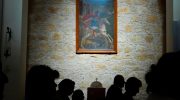
Cyprus observes 14 official public holidays each year that reflect the island’s Orthodox Christian heritage and national independence struggles. These holidays close government offices, banks, and most businesses, transforming the island into spaces for religious devotion, family gatherings, and patriotic commemoration. The Greek Orthodox Church dominates the religious calendar, with major feasts marking key events in Christian tradition.

National holidays commemorate Cyprus’s fight for independence from British rule and solidarity with Greece’s resistance during World War II. Unlike many Western countries, Cyprus follows the Orthodox calendar for Easter and related holidays, meaning they often fall on different dates than Catholic or Protestant celebrations. Understanding this calendar helps visitors plan trips and appreciate the deep connection between religious practice and Cypriot identity.
- The year begins with blessings and baptism
- Green Monday kicks off Lent with outdoor feasts
- Easter dominates the spring calendar
- Summer brings labor and religious observance
- Autumn celebrates independence and resistance
- Christmas transforms Cyprus into winter wonderland
- Why holidays define Cypriot rhythm
The year begins with blessings and baptism
New Year’s Day on January 1 marks the start of celebrations with family gatherings, fireworks, and traditions welcoming a fresh beginning. Cypriots exchange gifts and spend the day with loved ones. Epiphany on January 6 commemorates the baptism of Jesus Christ in the Jordan River and holds special significance for Cyprus.
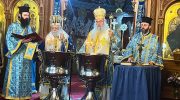
Church services are accompanied by the Blessing of the Waters ceremony where priests throw a cross into the sea and young men dive to retrieve it. The person who recovers the cross receives blessings for the entire year. The ritual often includes symbolic dips in cold winter water as believers seek spiritual cleansing.
Coastal towns and villages gather at harbors for this dramatic event that combines religious devotion with community celebration. The consecrated water is believed to have healing properties, and many Cypriots bring bottles home to keep for the year.
Green Monday kicks off Lent with outdoor feasts
Green Monday falls 50 days before Easter and marks the first day of Lent in the Orthodox tradition. In 2025 it occurred on March 3. Unlike the solemn fasting that characterizes Lent in Western Christianity, Green Monday in Cyprus is celebrated with massive outdoor picnics and festivities. Families pack elaborate vegetarian meals and head to parks, beaches, and countryside locations for daylong gatherings.
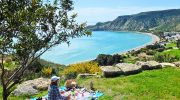
Traditional foods include lagana flatbread, pickled vegetables, olives, hummus, tahini, and taramosalata fish roe dip. Cypriots fly kites, with colorful designs filling the sky across the island. Children and adults participate in this tradition that signals the arrival of spring. The vegetarian feast reflects the start of the fasting period during which Orthodox Christians traditionally abstain from meat, dairy, and eggs until Easter. The day combines religious observance with joyful celebration of nature’s renewal.

Easter dominates the spring calendar
Orthodox Easter represents the most significant religious event in Cyprus, celebrated with intensity that surpasses Christmas. Good Friday in 2025 fell on April 18, observed with solemn church services and funeral processions carrying flower decorated epitaphios representing Christ’s tomb through village streets.
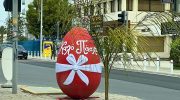
Easter Sunday on April 20 explodes with joy as midnight services conclude with fireworks, bells, and the proclamation Christos Anesti meaning Christ is Risen. Families break their Lenten fast with traditional meals featuring lamb roasted on spits, flaounes cheese filled pastries, and red dyed eggs. Easter Monday on April 21 continues celebrations with family gatherings and outdoor activities. Banks remain closed on Easter Tuesday as well.
The entire Easter period transforms Cyprus, with villages preparing for weeks and celebrations lasting days. The Orthodox calendar determines Easter dates using different calculations than Western churches, so Greek Easter often falls one or more weeks after Catholic Easter.
Summer brings labor and religious observance
May 1 marks Labour Day with demonstrations, outdoor events, and recognition of workers’ rights and achievements worldwide. June brings Pentecost Monday, celebrated 50 days after Easter and known as Kataklysmos or the Festival of the Flood. In 2025 it fell on June 9. This unique Cypriot celebration combines Orthodox tradition with coastal festivities featuring masses by the sea, concerts, traditional music, and water games.

Coastal towns host fairs, boat races, and swimming competitions. The holiday commemorates Noah’s flood and the rescue from the deluge. August 15 honors the Dormition of the Virgin Mary, marking her assumption into heaven. This major Orthodox feast sees Cypriots visiting churches dedicated to the Virgin, particularly mountain monasteries, and gathering for festive meals. Many villages hold religious processions and traditional celebrations around their churches.
Autumn celebrates independence and resistance
October 1 marks Cyprus Independence Day, celebrating liberation from British colonial rule in 1960. The day features military parades, school ceremonies, and official events honoring the establishment of the Republic of Cyprus. Flags decorate buildings and streets across the island. The holiday represents national pride and the achievement of self governance after centuries of foreign domination.
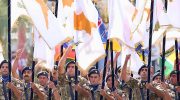
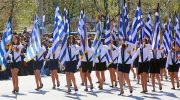
October 28 commemorates Ohi Day, when Greece rejected an ultimatum from Fascist Italy in 1940, leading to Greek involvement in World War II. The word Ohi means no in Greek. Cyprus observes this Greek national day with parades in schools and ceremonies in towns, reflecting the island’s close cultural and historical ties to Greece. The holiday honors resistance against fascism and celebrates Greek identity that many Greek Cypriots share.
Christmas transforms Cyprus into winter wonderland
December celebrations begin with Christmas Eve on December 24, traditionally spent with family though not an official holiday. Christmas Day on December 25 ranks as one of the most important religious holidays, celebrated with church services, festive meals, gift exchanges, and family gatherings. Traditional foods include roasted meats, Cyprus sausages, and special sweets. December 26, known as Boxing Day or Saint Stephen’s Day, continues Christmas festivities with visits to extended family and friends.
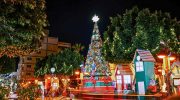
Markets and Christmas decorations transform towns and villages into festive destinations. The 12 days between Christmas and Epiphany on January 6 hold special significance in Cypriot folklore, traditionally considered a time when mischievous spirits called kalikantzaroi emerge, leading families to keep fires burning and homes decorated for protection.
Why holidays define Cypriot rhythm
Public holidays structure Cypriot life around religious devotion, family bonds, and national identity rather than purely economic calendars. The Orthodox faith provides the framework for most celebrations, connecting modern Cypriots to traditions stretching back centuries. National holidays remind citizens of struggles for independence and solidarity with Greek resistance, maintaining historical memory across generations.
The generous holiday calendar, with 14 official days plus weekends, reflects cultural priorities that value community, spirituality, and collective memory over continuous work. These celebrations unite communities through shared rituals, whether religious processions, family feasts, or patriotic commemorations, creating social cohesion in a small island society.