Cypriot identity is often anchored less in present residence than in a remembered origin, usually a village, a landscape, or a family plot tied to names and stories. Land and place act as evidence of continuity, and after 1974, displacement intensified this logic by turning home into something carried through memory, ritual, and return visits rather than daily access. This article explains how villages, language, minority community anchors, family houses, and diaspora ties keep belonging active across the island and beyond.

- Land as Memory, Not Just Ground
- The Village is the Core of Identity
- Surnames That Point to Place
- 1974 Changed What “Home” Meant
- Return Visits as Emotional Pilgrimage
- Minority Communities and Anchored Identity
- Rituals That Keep Place Alive
- Courtyard Houses, Inherited Objects
- Belonging Beyond Geography
- Why Place Defines Identity
Land as Memory, Not Just Ground
The connection between Cypriots and land stretches back thousands of years. Early communities depended on shared soil for survival, and this dependence shaped how people understood themselves in relation to their surroundings. Land was not owned in the modern sense. It was worked collectively, remembered collectively, and defended collectively.

Over time, this relationship became more structured, especially as agriculture, trade, and settlement patterns evolved. Yet even as systems of ownership developed, land remained more than property. It became a record of continuity. Fields, paths, and village boundaries carried meaning because they were tied to labour, ancestry, and survival. To belong was to be rooted.
The Village is the Core of Identity
When Cypriots ask each other where they are from, they are usually not asking about a city or a current address. They are asking about a village of origin. This village acts as a social anchor, offering a sense of legitimacy and belonging that goes beyond geography.

Villages historically functioned as complete social worlds. Family ties, reputation, shared work, and local customs shaped identity far more than distant political structures. Even today, long after widespread urbanisation, this village identity persists. People may live in cities, but they continue to define themselves through surnames, family homes, and remembered landscapes tied to a specific place.
Surnames That Point to Place
Language itself reflects how deeply place is woven into Cypriot identity. Many surnames reveal a family’s origin, profession, or historical circumstance. Village names carry layers of meaning drawn from ancient languages, local geography, or historical encounters.
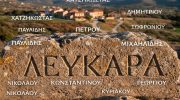
These names are not decorative. They function as markers of belonging. They tell stories of migration, settlement, and adaptation. In this way, language becomes a form of cartography, mapping identity through words rather than borders.
1974 Changed What “Home” Meant
The events of 1974 reshaped Cyprus in ways that were both physical and deeply personal. Thousands of people were forced to leave behind homes, fields, churches, and villages that had defined their families for generations. Belonging, once reinforced through daily presence, became something carried internally rather than lived outwardly.

What followed was not detachment, but an intensified form of connection. Villages that could no longer be accessed were preserved through storytelling, ritual remembrance, and shared memory. People remembered not only the names of places, but the precise layout of streets, the position of wells, and the trees that shaded courtyards. Displacement transformed land into memory, but memory proved resilient.
Return Visits as Emotional Pilgrimage
When movement across the island later became possible, return visits were rarely casual. They carried emotional weight and symbolic significance. People returned not to observe change, but to reaffirm continuity, even when physical continuity had been disrupted.

Walking familiar paths or standing outside former homes often produced a complex mixture of recognition and grief. Yet these visits reinforced a powerful truth. Belonging does not disappear simply because access is interrupted. It survives through remembrance, through naming, and through the repeated act of acknowledging where one comes from.
Minority Communities and Anchored Identity
Cypriot identity has never been singular. Maronite, Armenian, and Latin communities have long maintained distinct cultural lives on the island, each rooted in specific villages, religious institutions, and communal spaces. For these groups, belonging has often depended on continuity rather than numbers.

Churches, schools, and community centres function as anchors, preserving language, faith, and shared history even when populations shrink or disperse. Identity in these contexts becomes something actively sustained, passed forward deliberately rather than assumed automatically.
Rituals That Keep Place Alive
Across Cyprus, life’s milestones continue to draw people back to ancestral locations. Weddings, religious celebrations, memorials, and village festivals often take place in places tied to family history, even when daily life unfolds elsewhere.
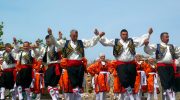
These gatherings do more than celebrate events. They reactivate belonging. Through shared meals, music, prayer, and presence, place is re-entered symbolically. The village becomes alive again, not only as a location, but as a shared emotional reference point.
Courtyard Houses, Inherited Objects
Traditional Cypriot houses were built to reflect this enduring relationship with place. Constructed from local stone and organised around courtyards, they supported extended family life and communal interaction. Objects within these homes carried memory, often passed down with stories attached.

Today, restored village houses are valued for more than their aesthetic appeal. They represent continuity, resilience, and a refusal to let identity fade. Even when lived in only seasonally, they remain statements of belonging made physical.
Belonging Beyond Geography
Cypriot identity extends far beyond the island itself. Diaspora communities maintain strong emotional ties to ancestral villages through visits, remittances, storytelling, and participation in local traditions from afar.

For many, return exists as an idea rather than a plan. Yet even imagined return shapes identity. Cyprus remains a reference point, influencing how people understand home, family, and self, regardless of where life unfolds.
Why Place Defines Identity
Cyprus demonstrates how identity can remain rooted despite displacement, modernisation, and global movement. Here, belonging is not defined solely by residence or political boundaries. It is sustained through memory, ritual, language, and attachment to land remembered as much as land occupied.

To understand Cyprus is to recognise that its identity lives not only in history or geography, but in villages recalled, names preserved, and places carried forward in the mind long after physical presence has changed.