All Articles

Colonial Roads and Infrastructure

Colonial Roads and Infrastructure

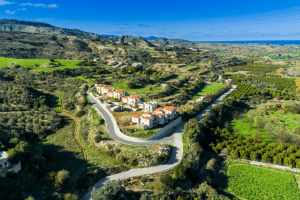
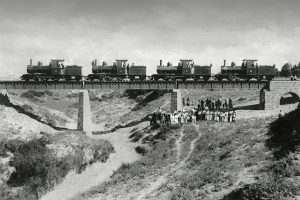
British-built roads, bridges, and public works that transformed mobility, trade, and communication across the island. Colonial Road and Infrastructure Networks in Cyprus mark a pivotal era of transformation under British rule from 1878 to 1960, where engineered roads, bridges, and public works revolutionized the island's connectivity, boosting trade, communication, and economic integration. These projects, spearheaded by the colonial administration, shifted Cyprus from Ottoman-era isolation to a modernized network, linking remote villages to urban centers like Nicosia, Limassol, and Famagusta. Key features included macadamized roads, stone bridges (including the Trimiklini Double Bridge) over seasonal rivers, and irrigation dams that supported agriculture, reflecting imperial strategies to exploit resources while imposing control. As symbols of progress and domination, they facilitated troop movements and…

Read more
Cape Greco Nature Trails

Cape Greco Nature Trails

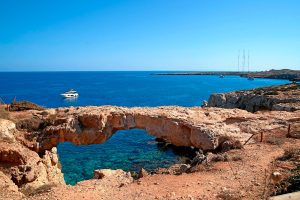
Cape Greco National Forest Park sits at the southeastern tip of Cyprus, between Ayia Napa and Protaras. This protected area covers 385 hectares of dramatic coastline where limestone cliffs drop into turquoise Mediterranean waters. The park became a National Forest Park in 1993 and forms part of the Natura 2000 network, recognized for its ecological importance across Europe. Cape Greco offers a network of interconnected nature trails that guide visitors through diverse coastal landscapes, past ancient ruins, and along some of the island's most spectacular viewpoints. Historical Background The area has been inhabited since ancient times, with evidence of Neolithic settlements and later Greek and Roman influences. The landscape formed millions of years ago through tectonic activity and erosion from…

Read more
Cypriot Lyra

Cypriot Lyra

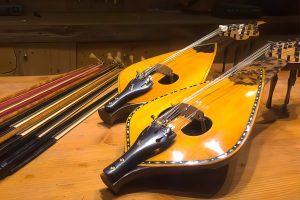
The Cypriot lyra is a bowed string instrument with a distinctive sound and playing style, at the heart of village music traditions and improvisation in Cyprus. It keeps alive ancient modal systems that date back to Byzantine times, blending melody and rhythm in ways that echo the island's rich history. This humble yet expressive tool has shaped Cypriot folk culture for centuries, raising questions about how such a simple device captures the soul of a people. A Timeless Voice of the Island The Cypriot lyra represents a key element of the island's musical heritage, a three-stringed bowed instrument that produces haunting, resonant tones unique to Mediterranean folk traditions. Crafted from local woods like walnut or mulberry, its pear-shaped body and…

Read more
Cape Aspro Reserve

Cape Aspro Reserve

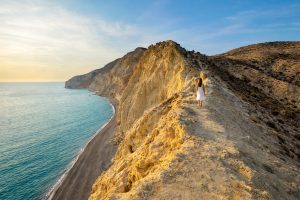
Cape Aspro is located on the southern coast of Cyprus between Limassol and Paphos. The name translates to "white" in Greek, a fitting description for the dramatic limestone cliffs that tower over 200 meters above the turquoise Mediterranean Sea. This natural reserve offers visitors a unique combination of geological wonder, biological diversity, and outdoor adventure. The white cliffs of Cape Aspro formed over millions of years through natural geological processes. Composed of sedimentary limestone, these formations emerged as wind and sea erosion sculpted the coastline into its current dramatic shape. The cliffs feature caves, arches, and steep edges that create stunning visual contrasts, especially during sunrise and sunset when light reflects off the pale limestone surfaces. These geological formations connect…

Read more
Traditional Cypriot Rural Life

Traditional Cypriot Rural Life

Cyprus's rural economy developed around livestock farming for thousands of years before modern tourism. Goats, sheep, and donkeys formed the backbone of village life, providing milk, meat, wool, transportation, and labor. These animals adapted perfectly to the island's hot, dry climate and rocky terrain. Families raised small herds using methods passed through generations, with women typically managing milk production and cheese making while men handled field work and shepherding. The livestock fit naturally into Cyprus's agricultural cycle, grazing on wild plants during rainy months and consuming crop residues during summer. This system created self-sufficient communities where nearly every household maintained animals. Archaeological evidence shows Cypriots domesticated these species during the Aceramic Neolithic Period around 7000 BCE, making livestock farming one…

Read more
Amathus Sacred Grove of Aphrodite Cyprus

Amathus Sacred Grove of Aphrodite Cyprus

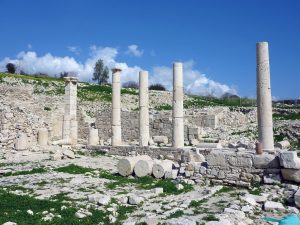
Geographic and Historical Setting Amathus, located on the southern coast of Cyprus near modern Limassol, was one of the most important ancient city-kingdoms of the island. Among its most significant religious features was the Sacred Grove of Aphrodite, a sanctuary associated with fertility, royal authority, and long-standing local traditions that predated classical Greek influence. Unlike urban temple complexes built in later periods, the sacred grove represented an earlier form of worship in which natural landscape and ritual space were closely connected. The site functioned as a center of spiritual life where religious practice was embedded within the rhythms of nature, agriculture, and seasonal renewal. pinterest-com Archaeological and literary evidence suggests that Amathus maintained a distinct cultural identity within Cyprus, blending…

Read more
Scuba Diving Spots in Cyprus

Scuba Diving Spots in Cyprus

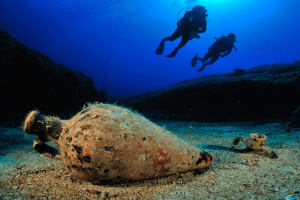
Cyprus ranks among the Mediterranean's premier diving destinations, offering crystal-clear waters with visibility often exceeding 30 meters, warm sea temperatures reaching 27 degrees Celsius in summer, and diverse underwater landscapes ranging from ancient shipwrecks to vibrant reef systems. The island's strategic location at the crossroads of three continents has resulted in a rich maritime history, with numerous wrecks resting on the seabed alongside natural caves, underwater cliffs, and thriving marine ecosystems. Cyprus's diving season extends year-round, though the most comfortable conditions occur between April and November when water temperatures remain above 20 degrees Celsius and weather conditions are optimal. The Zenobia Wreck Near Larnaca The MS Zenobia stands as one of the world's top ten wreck dives and Cyprus's most…

Read more
Archaeological Sites and Excavations in Cyprus

Archaeological Sites and Excavations in Cyprus

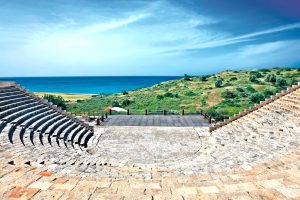
Beneath Cyprus's sunny beaches and pine-covered mountains lie layers of ancient civilizations waiting to be discovered. From 9,000-year-old Neolithic villages to Roman theaters still hosting performances, the island's archaeological sites tell the story of humanity's journey from Stone Age farmers to cosmopolitan Mediterranean traders - and remarkably, you can walk through most of them today. culture.gouv_fr A Living Museum Beneath Your Feet Cyprus is essentially one enormous archaeological site. Everywhere you turn - in downtown Larnaca, on clifftops overlooking the sea, hidden in mountain valleys - you'll find excavated ruins that reveal thousands of years of continuous human habitation. These aren't just piles of old stones; they're remarkably well-preserved windows into how people lived, worshipped, fought, and thrived across millennia.…

Read more
Rare Birds of Cyprus

Rare Birds of Cyprus

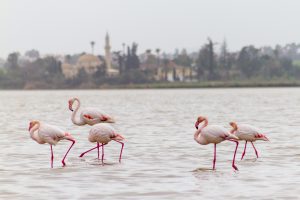
Cyprus sits at the heart of one of the four major migration flyways between Europe and Africa. This strategic location makes the island a critical stopover point for millions of birds traveling between continents each year. The position roughly 50 miles south of Turkey and 60 miles west of Syria places Cyprus directly in the path of birds moving between breeding grounds in Europe and wintering areas in Africa. Among the most spectacular visitors are greater flamingos, multiple heron species, and the elusive black stork. These rare birds depend on Cyprus's wetlands, salt lakes, and coastal areas for rest and feeding during their long journeys. The island's network of protected sites provides essential habitat that supports not just individual birds…

Read more