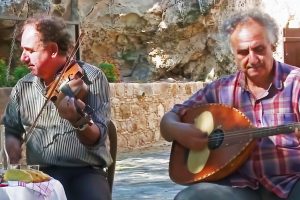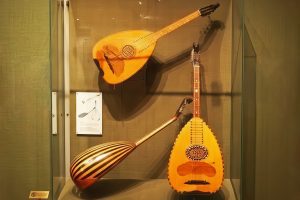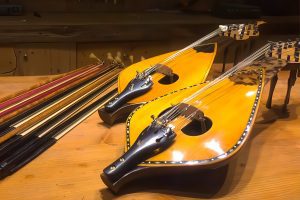
The Cypriot lyra is a bowed string instrument with a distinctive sound and playing style, at the heart of village music traditions and improvisation in Cyprus. It keeps alive ancient modal systems that date back to Byzantine times, blending melody and rhythm in ways that echo the island’s rich history. This humble yet expressive tool has shaped Cypriot folk culture for centuries, raising questions about how such a simple device captures the soul of a people.
A Timeless Voice of the Island
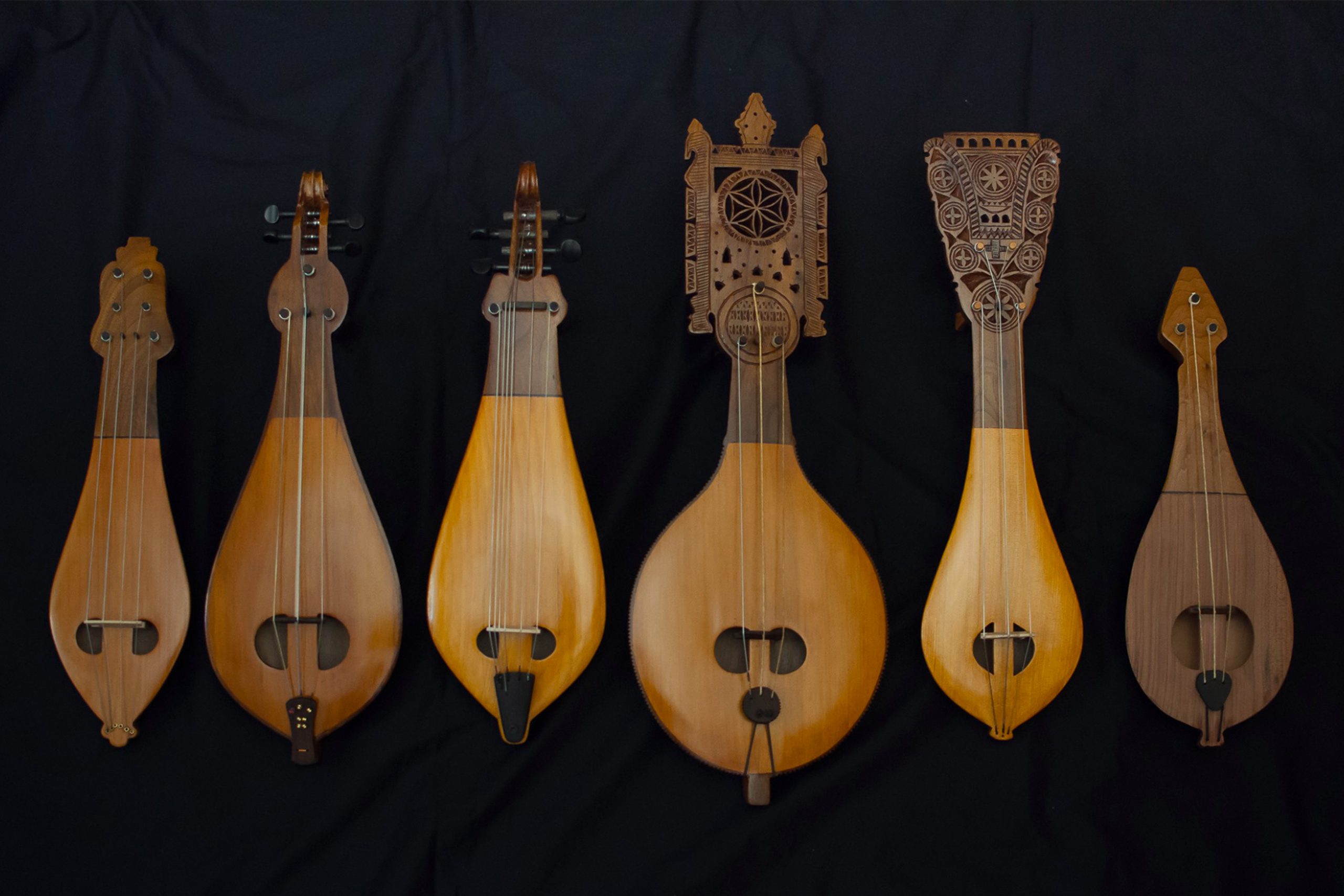
The Cypriot lyra represents a key element of the island’s musical heritage, a three-stringed bowed instrument that produces haunting, resonant tones unique to Mediterranean folk traditions. Crafted from local woods like walnut or mulberry, its pear-shaped body and goat-skin membrane create a sound that is both melancholic and vibrant, often compared to a human voice in its emotional range. Played vertically on the knee, it allows for intricate bowing and fingering techniques that facilitate spontaneous improvisation, a hallmark of Cypriot music. This instrument is not merely a musical device but a cultural symbol, embodying the blend of Eastern and Western influences that define Cyprus’s identity.
The Historical Roots of the Lyra
The lyra’s origins trace back to the medieval Byzantine era, evolving from the ancient kithara and rebab-like instruments introduced through trade and conquest. Archaeological evidence from sites like Enkomi in eastern Cyprus, dating to the Late Bronze Age around 1200 BC, includes depictions of stringed instruments in terracotta figurines, suggesting early forms of lyres used in rituals. Kinyras, the mythical king-priest of Cyprus mentioned in Homer’s Iliad, was said to have invented the lyra, linking it to divine music-making – a story explored in John C. Franklin’s “Kinyras: The Divine Lyre,” which connects Cypriot traditions to Near Eastern and Aegean sources.
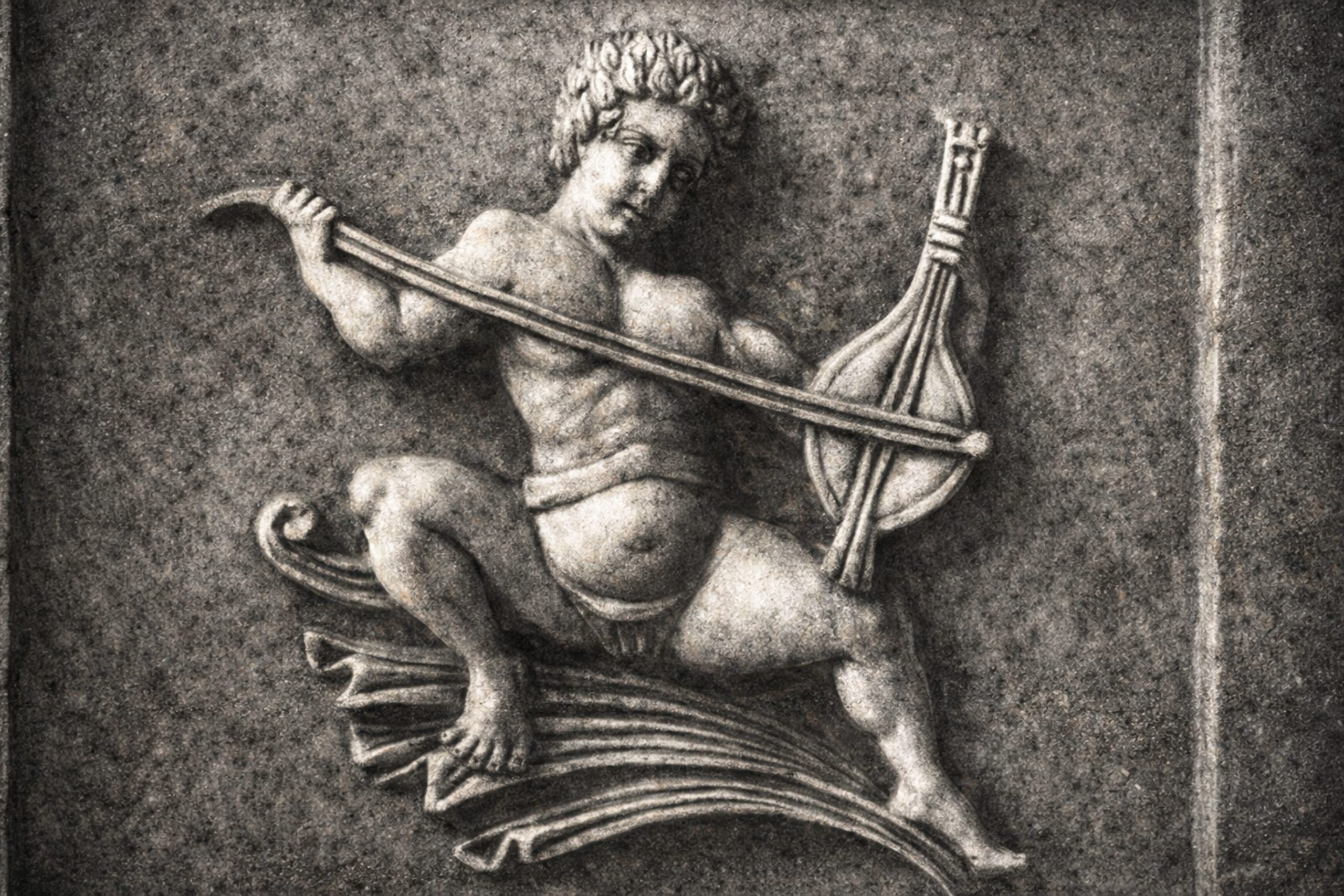
By the Byzantine period (4th-15th centuries AD), the lyra had developed into a bowed form, influenced by the rebab from Arab traders and the lira da braccio from Italy. In Cyprus, it absorbed local modal systems called “dromoi,” similar to Greek modes or Turkish makams, preserving ancient scales like Dorian or Phrygian that evoke emotions from joy to lament. Under Ottoman rule (1571-1878), the lyra became central to village music, blending with Turkish saz techniques but retaining its Byzantine core. British colonial times (1878-1960) documented it in folk recordings, while post-independence revivals in the 1960s elevated it as a national symbol. Today, ethnomusicologists like Nicoletta Demetriou study its evolution, noting how it survived division in 1974 by thriving in both Greek and Turkish Cypriot communities.
The Instrument’s Unique Characteristics
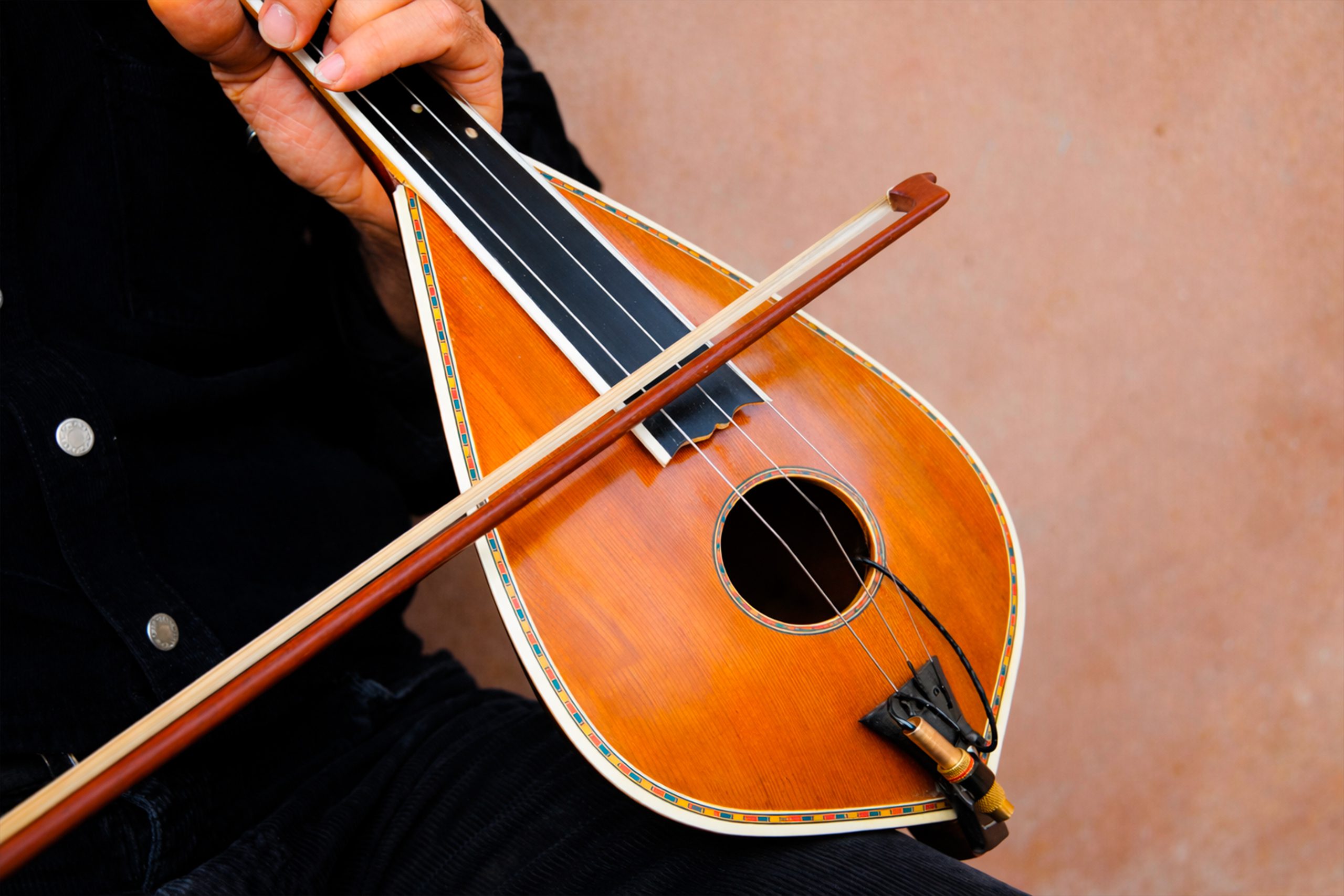
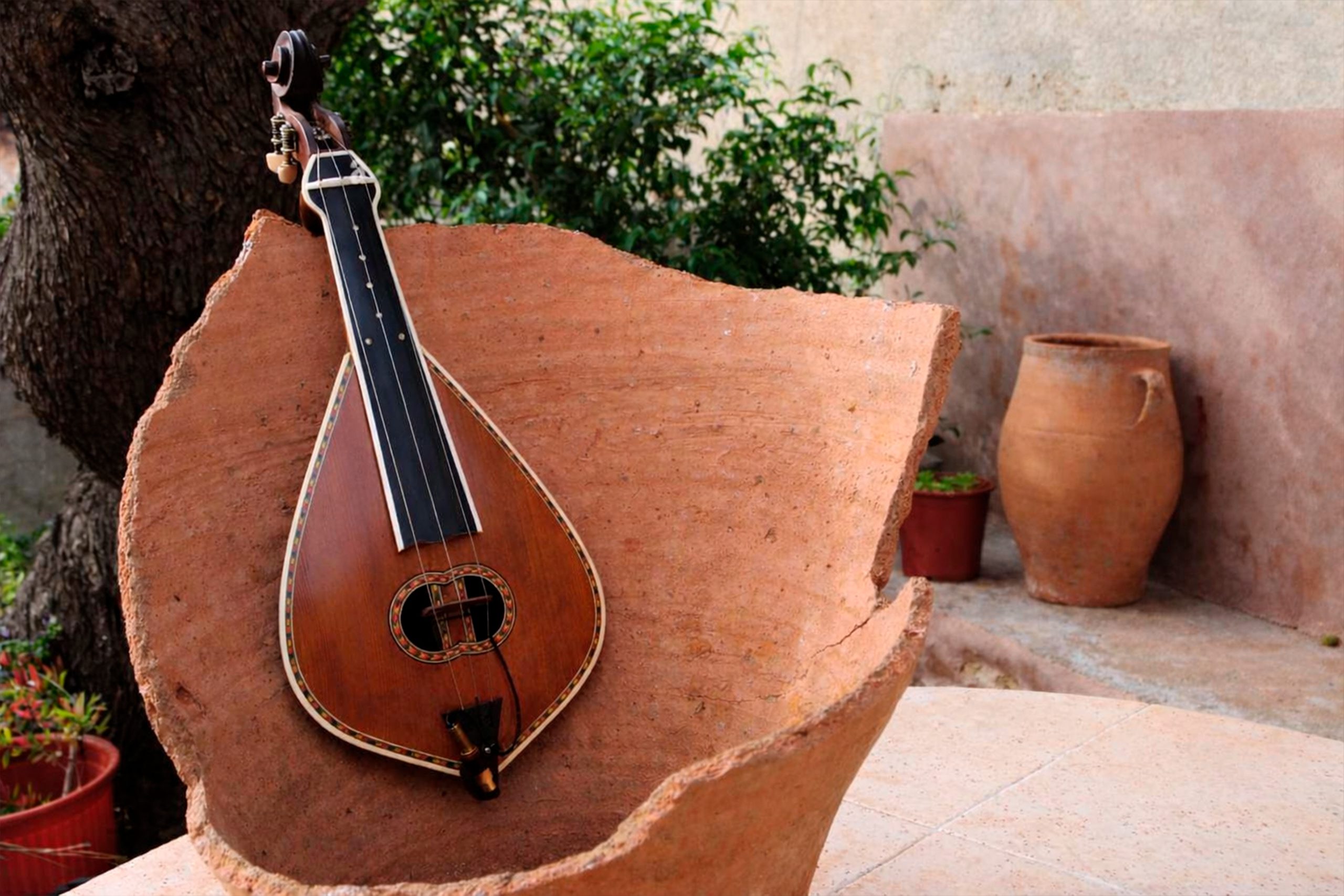
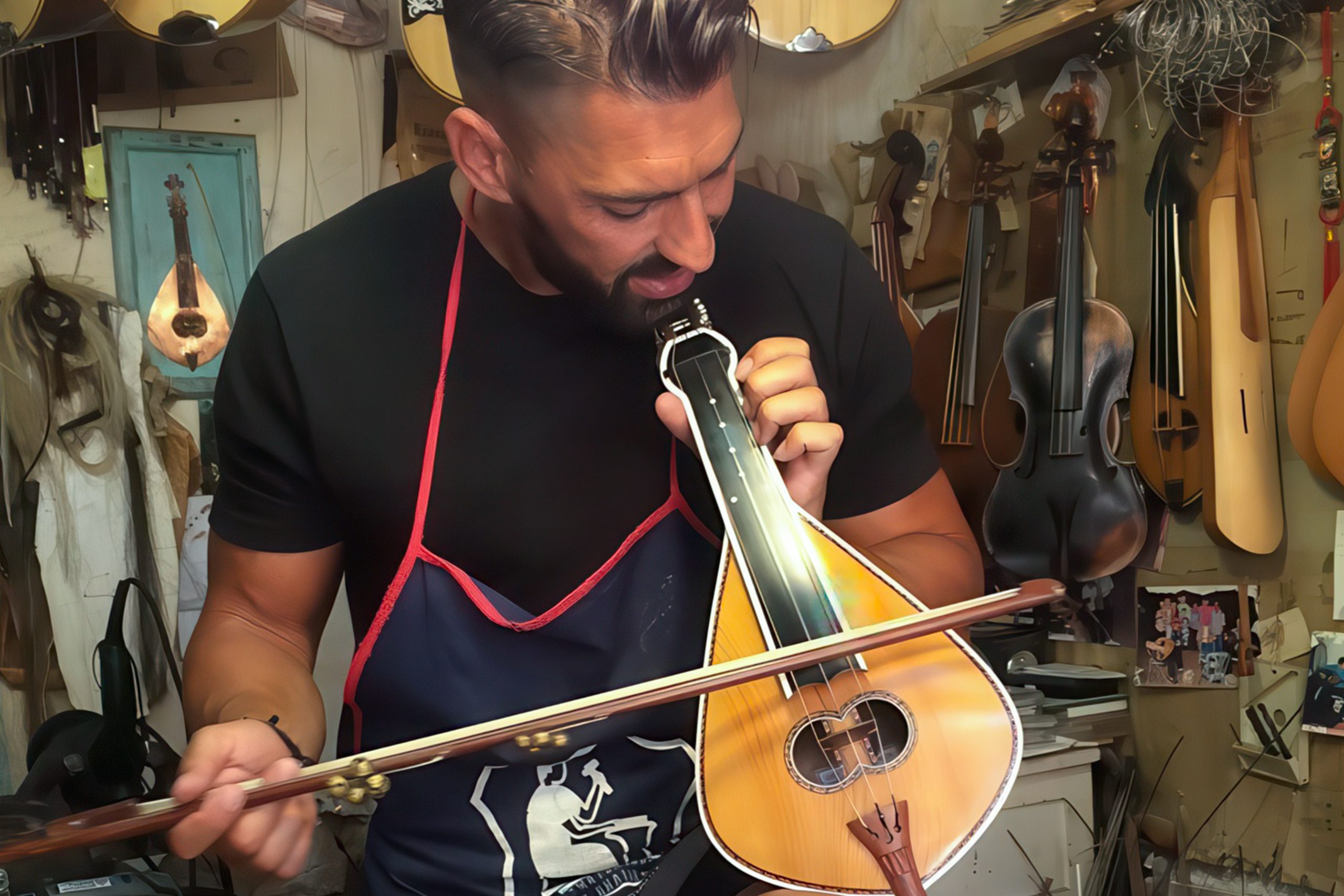
The Cypriot lyra typically has a pear-shaped body, about 40-50 cm long, carved from a single block of wood with a soundboard of stretched goat or sheep skin for resonance. It features three strings, traditionally made from gut but now often nylon or steel, tuned to D-A-D or G-D-A, allowing for drone effects that underpin melodies. The bow, made from horsehair on a curved wooden stick, is held underhand, producing a nasal, penetrating tone that can mimic singing or wailing, ideal for emotional expression.
Technique sets it apart: players use fingernails to stop strings instead of fingertips, creating microtones essential for modal improvisation. This “fingernail technique” allows for glissandi (slides) and ornaments like trills, enabling “taximia” – free-rhythm preludes that set the mode before structured songs. The sound is raw and intimate, with overtones from the drone strings adding depth, often accompanied by lute or violin in ensembles. Modal systems, preserved from Byzantine echos (church modes), include “rast” for calm or “hijaz” for melancholy, linking to ancient Greek scales described by Ptolemy in the 2nd century AD. This preservation makes the lyra a living archive of musical modes that influenced Ottoman classical music and Greek rebetiko.
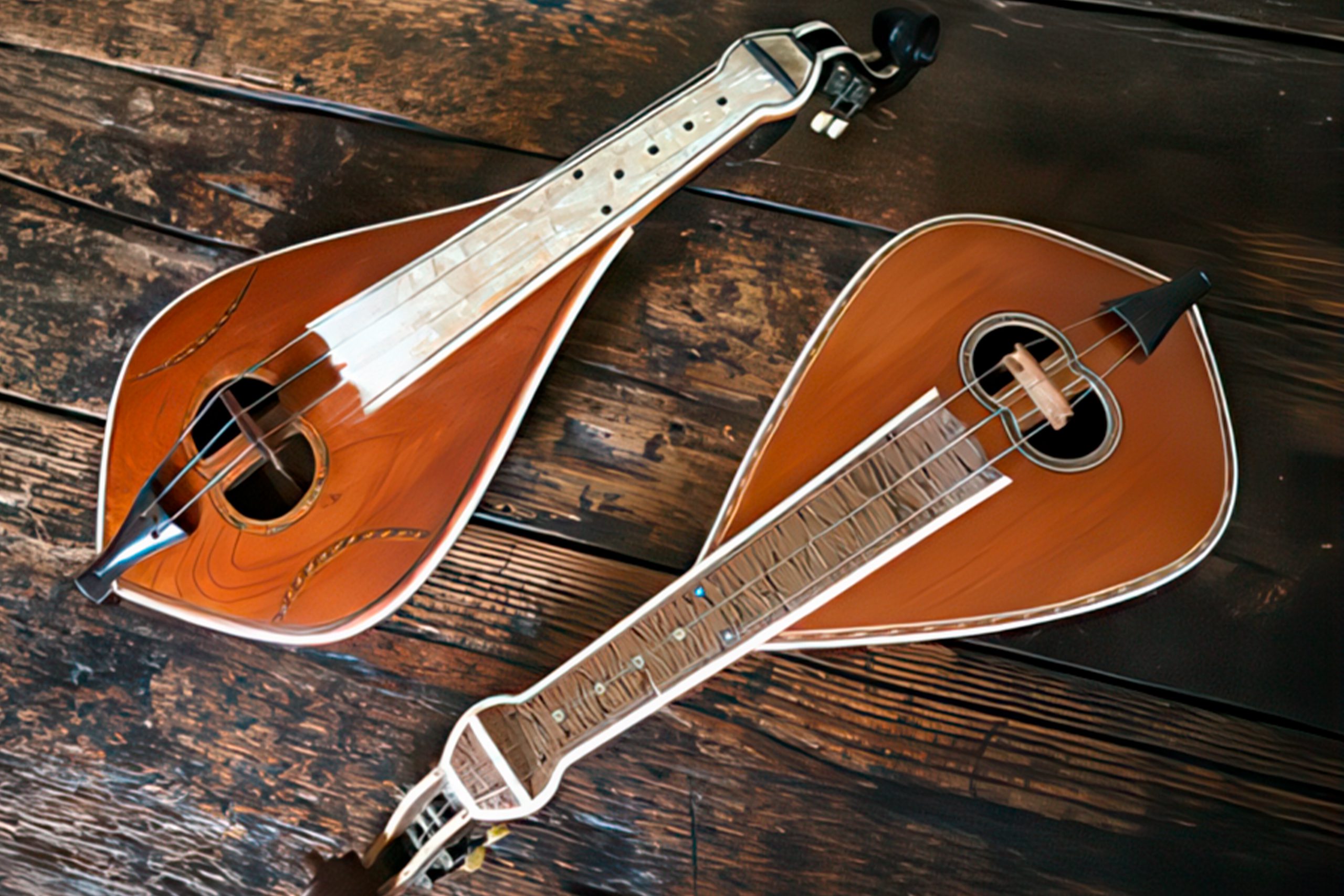
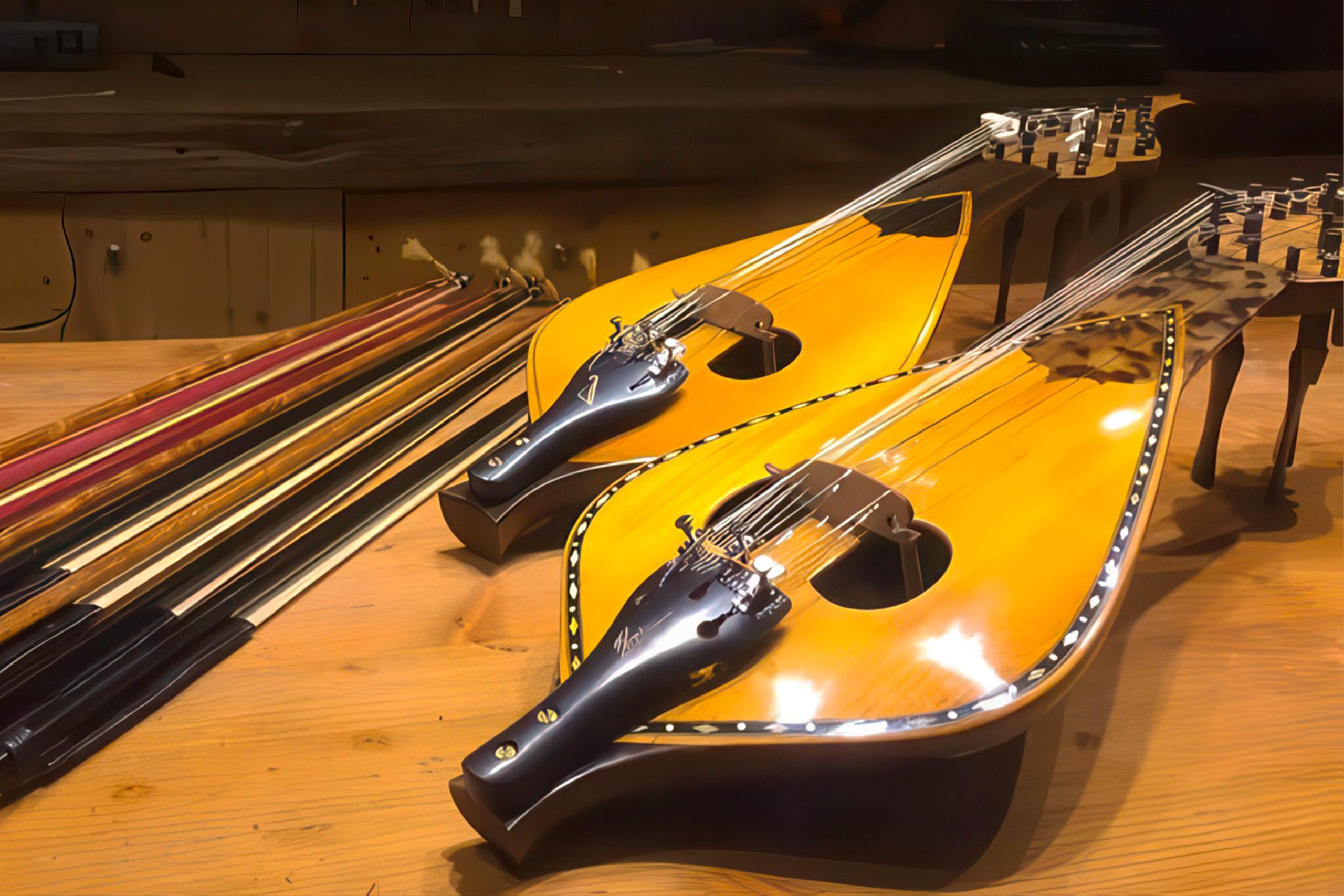
Crafting involves skilled luthiers like those in Lefkosia, using seasoned wood dried for years to prevent cracking, with decorations like inlaid mother-of-pearl for symbolic protection. The instrument’s portability suited village life, where it featured in weddings, baptisms, and feasts, its sound carrying across valleys.
Fun Facts That Add Charm
The lyra’s mythical inventor, Kinyras, was said to have challenged Apollo to a music contest, losing but gifting Cyprus its melodic soul – a tale in Ovid’s Metamorphoses that ties it to divine origins. In 1494, the same year as the chapel’s frescoes, Venetian maps note Cypriot musicians using lyra-like instruments for naval morale, showing its role in warfare. A quirky tradition: players “talk” to the lyra, whispering tunes before playing, believing it has a spirit. And in the 20th century, ethnomusicologist Alan Lomax recorded Cypriot lyra sessions in 1951, preserving modes now studied at universities like the European University Cyprus. One rare variant, the “politiki lyra” in Turkish Cypriot communities, uses four strings for richer drones, a post-1571 Ottoman twist.
Additional Insights Into Cultural Depth
The lyra’s symbolism extends to religious contexts: in Orthodox chants, its modes echo ecclesiastical echos, used in hymns for saints like Neophytos, linking it to monastic music from the 12th-century Saint Neophytos Monastery. Improvisation, called “poiesis,” draws from ancient Greek bard traditions, where players compose mantinades – rhymed couplets – on the spot, preserving oral poetry that comments on love, loss, or politics. Modal systems, with 8 primary dromoi like “nihavent” for sorrow or “ousak” for longing, trace to Byzantine octoechos, influenced by Persian maqams via Arab trade, making the lyra a musical archive of Cyprus’s multicultural past.
In village music-making, the lyra led ensembles with violin (fkiolin) and lute (laouto), its bowed sustain providing emotional backbone for dances like sousta or zeibekiko. This role in social events reinforced community bonds, with techniques passed father-to-son, as seen in families like the Tterlikkas in Larnaca. Archaeologically, lyra-like depictions on 12th-century BC terracottas from Enkomi suggest Bronze Age roots, tying to Kinyras’s myth and Near Eastern rebabs. Linguistically, the term “lyra” derives from Greek “lyra,” but Cypriot dialect calls it “lyra” with a rolled “r,” distinguishing it from Cretan variants.
The Lyra in Cyprus Today
In contemporary Cyprus, the lyra remains a symbol of cultural identity, revived in folk groups like “Cypriot Lyra Ensemble” that perform at events blending traditional modes with modern jazz. Amid division since 1974, it fosters unity, with joint Greek-Turkish Cypriot concerts using similar instruments like the kemençe to promote dialogue. Climate change affects wood sources for crafting, prompting sustainable luthiery initiatives in villages like Kato Drys. Artists like Michalis Tterlikkas teach workshops, preserving techniques, while festivals incorporate lyra in soundtracks for films on heritage. In a globalized world, it represents resilience, with UNESCO recognition in 2015 as intangible heritage highlighting its role in modal preservation.
Visiting or Experiencing This Timeless Tradition
The lyra can be experienced at cultural centers like the Cyprus Folk Art Museum in Nicosia, open daily with entry at €2, displaying instruments and hosting demonstrations. Festivals like the Deryneia Folk Festival in July feature live performances, free to attend with workshops on playing. Guided music tours through the Cyprus Tourism Organization cost €15-20, visiting villages like Lefkara for lyra-making sessions. Spring or fall avoids heat, pairing well with hikes in Troodos where traditional music echoes. Accessibility varies, but many venues offer online videos for remote exploration.
A Tradition That Echoes Through Time
The Cypriot lyra tradition matters as a guardian of ancient modal systems and village improvisation, where its unique sound captures Cyprus’s soul in music. This isn’t just an instrument; it’s a link to Byzantine roots, blending history with emotion in every note. Knowing it enriches appreciation for Cyprus as a musical crossroads. Whether hearing its drone or pondering its modes, it leaves a sense of wonder at cultural endurance. In a world of digital tunes, the lyra reminds of music’s power to connect past and present.