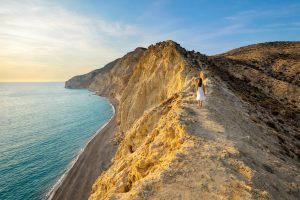
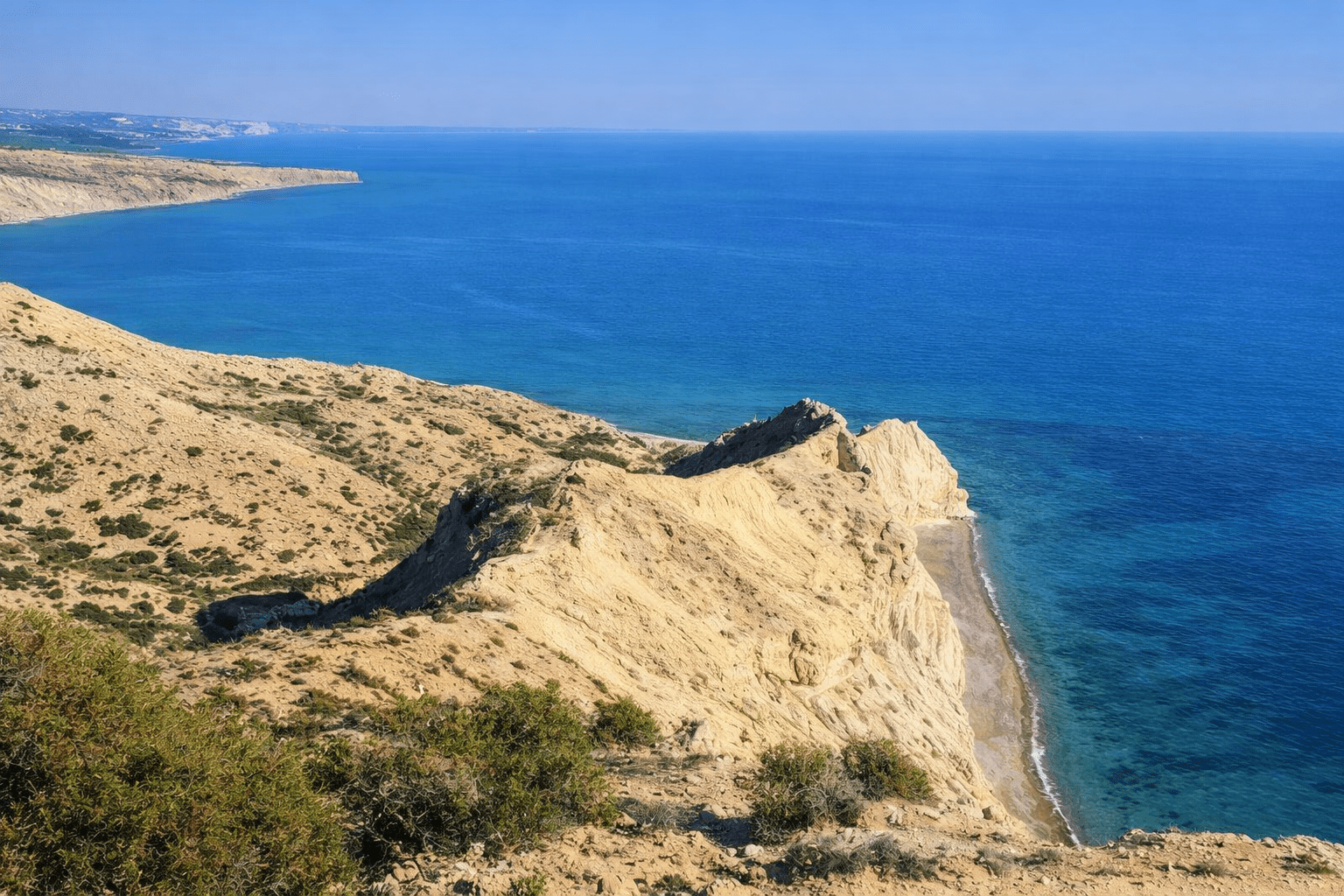
Cape Aspro is located on the southern coast of Cyprus between Limassol and Paphos. The name translates to “white” in Greek, a fitting description for the dramatic limestone cliffs that tower over 200 meters above the turquoise Mediterranean Sea. This natural reserve offers visitors a unique combination of geological wonder, biological diversity, and outdoor adventure.
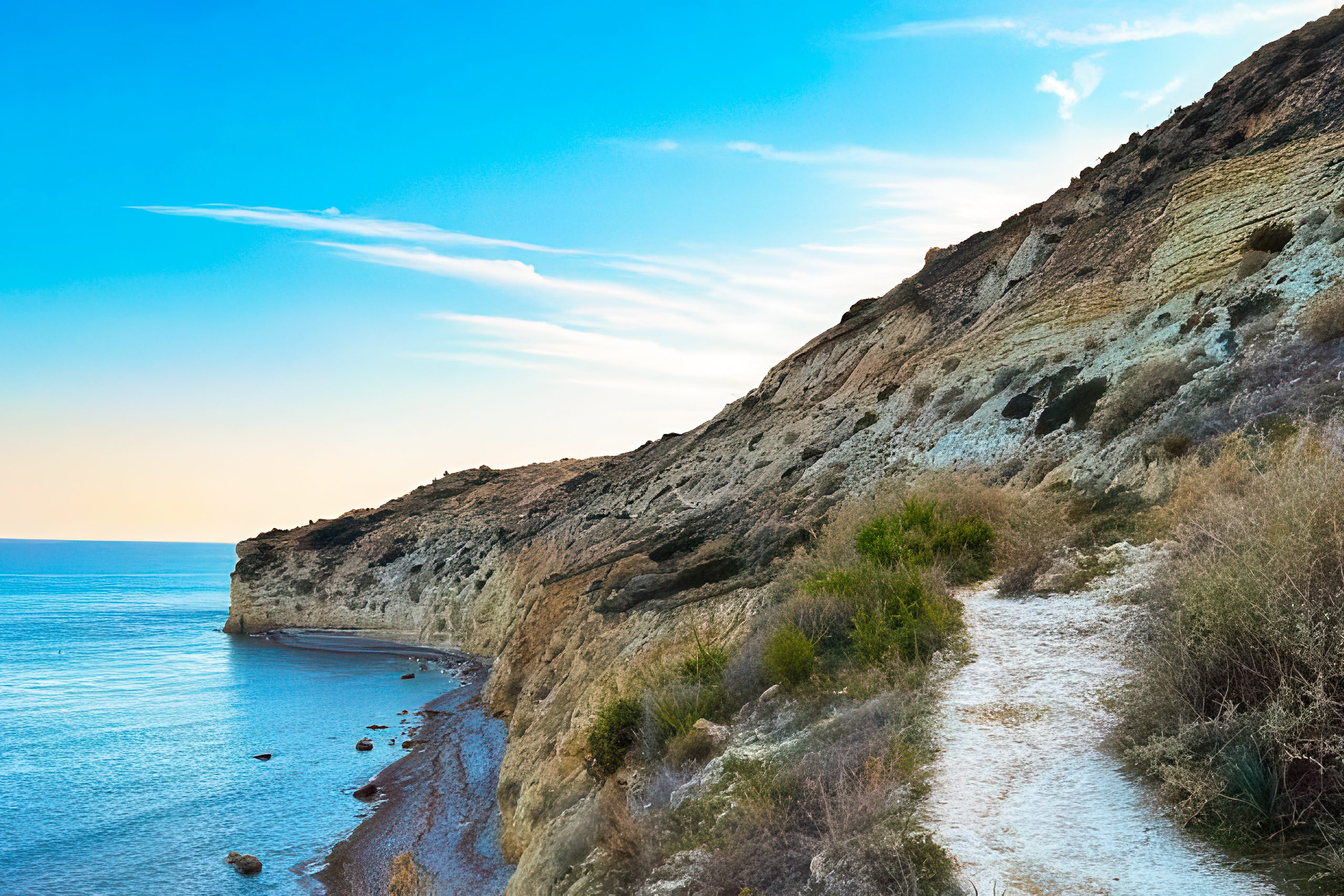
The white cliffs of Cape Aspro formed over millions of years through natural geological processes. Composed of sedimentary limestone, these formations emerged as wind and sea erosion sculpted the coastline into its current dramatic shape. The cliffs feature caves, arches, and steep edges that create stunning visual contrasts, especially during sunrise and sunset when light reflects off the pale limestone surfaces.
These geological formations connect to Cyprus’s broader Troodos Ophiolite complex, a rare example where ancient oceanic crust and mantle rock were uplifted through tectonic activity approximately 90 million years ago. Today, visitors can see rocks that once existed more than 20 kilometers below the ocean floor, now exposed and accessible along the coastal trails.
Network of Trails Leads to Panoramic Views
The reserve features seven interconnected color-coded trails, with routes ranging from 3.5 kilometers to 12.3 kilometers in total distance. These paths wind along cliff edges and through the rugged coastal terrain, with the longest trail reaching approximately 10 kilometers when including the return journey. Hikers encounter moderate to challenging sections, with an elevation gain of 421 meters despite the maximum height of only 227 meters, due to continuous ascents and descents along the route.
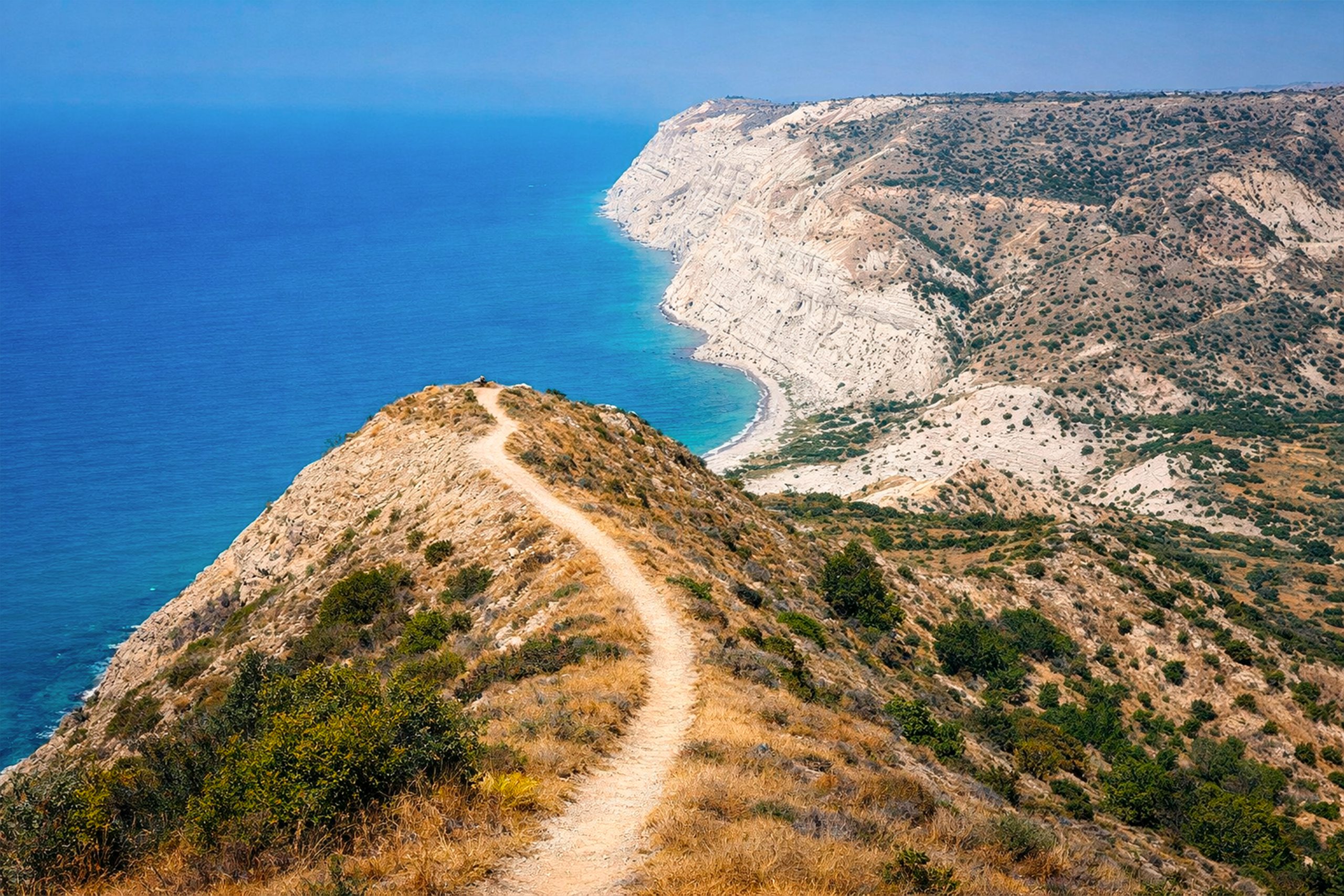
Recent improvements have made the trails more accessible to visitors. The paths now include better signage and smoother surfaces, although proper footwear remains essential due to rocky and sometimes steep terrain. Many sections feature ropes for support in difficult areas. Starting points near the Columbia Beach Resort in Pissouri provide easy access to the trail network, with parking available nearby.
Endemic Plants Thrive in Harsh Conditions
Cyprus hosts 140 endemic plant species that grow nowhere else on Earth, representing approximately 7.5 percent of the island’s native flora. The Cape Aspro area supports several of these unique species, adapted to survive in the dry, rocky Mediterranean climate with minimal water and extreme sun exposure.
Hardy coastal plants dominate the landscape, including wild thyme, juniper, and rock roses. These species have developed specific adaptations to withstand the challenging conditions, such as small leaves to reduce water loss and deep root systems to access underground moisture. Spring visitors can observe wildflowers blooming along the trails, adding vibrant colors to the otherwise stark white cliffs.
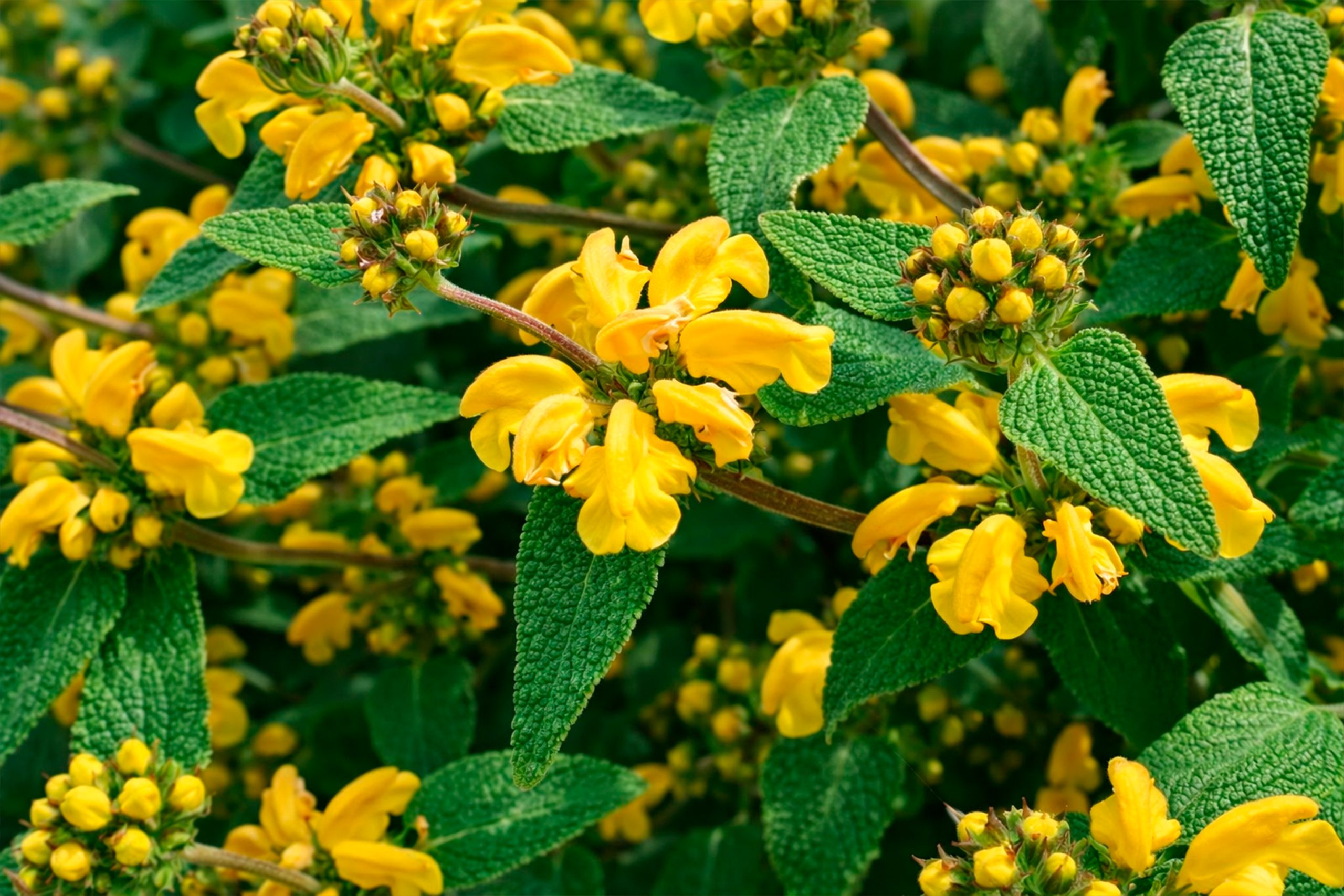
The southwestern Cyprus region, where Cape Aspro is located, provides habitat for several endemic species documented in botanical surveys. These include members of the Lamiaceae family such as Phlomis cypria with its distinctive gold-colored leaves, and various species of Origanum, Teucrium, and Scutellaria found in western Cyprus. The limestone substrate creates specific soil conditions that support specialized plant communities not found in other parts of the island.
Rare Reptiles Make the Cliffs Their Home
Cyprus is home to 23 terrestrial reptile and amphibian species, with several endemic varieties found only on the island. The Cape Aspro area provides important habitat for these creatures, particularly lizards that thrive on the rocky slopes and sun-warmed limestone surfaces.
The most commonly observed reptile in the area is the Troodos Lizard, a small endemic species with a maximum body length of 10 centimeters and a tail that can reach an additional 15 centimeters. These dark-colored lizards feature lighter stripes along their sides and are frequently seen basking on rocks and walls throughout the day. Visitors often spot them near trails and viewpoints, where they hunt for insects among the coastal vegetation.
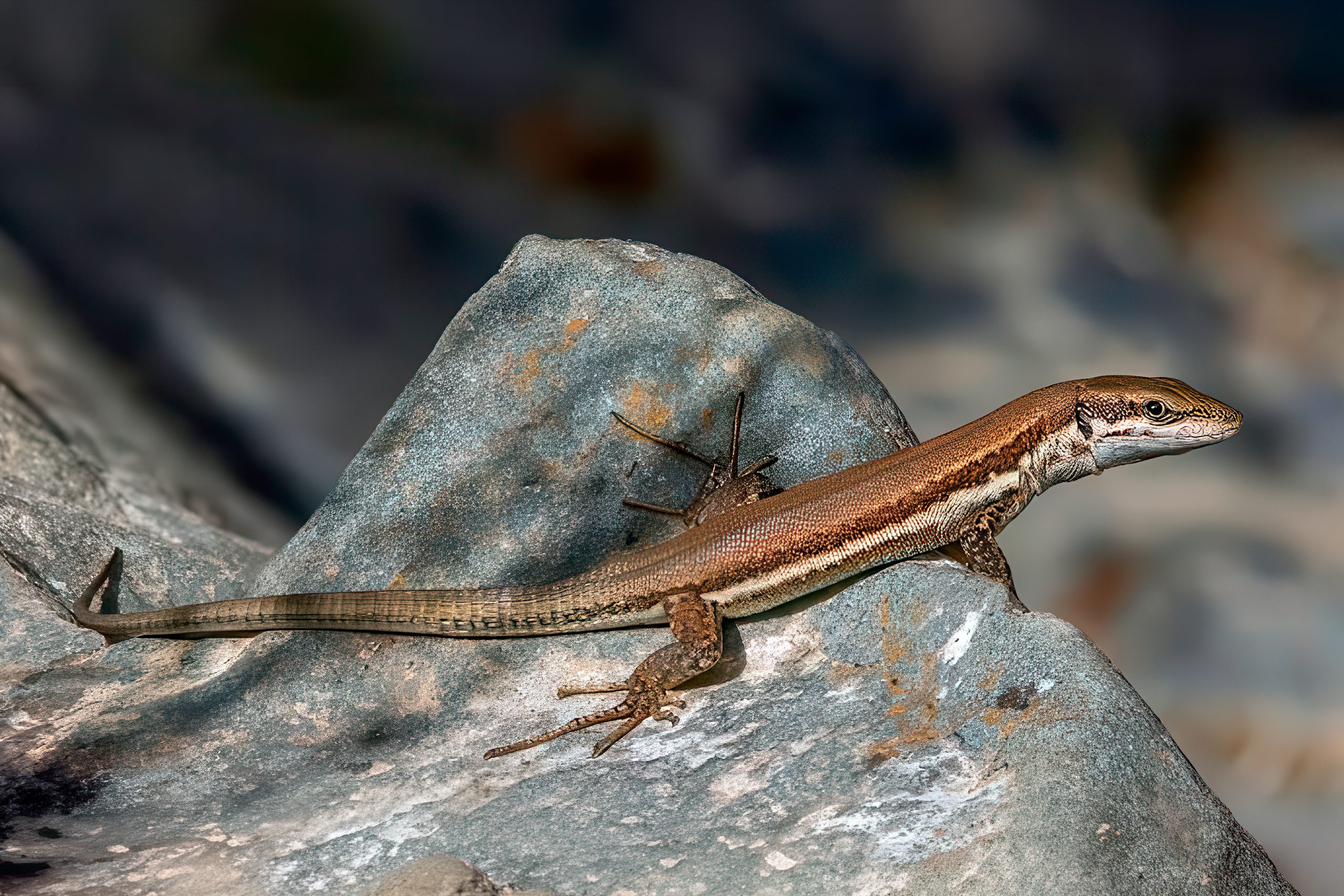
Other lizard species inhabit the area, including the Cyprus Starred Agama with its distinctive appearance and behavior. The Snake-eyed Lizard, the most widespread lizard species on Cyprus, also makes its home among the rocks and shrubs. This small, slender lizard has a narrow pointed snout and lacks separate eyelids, giving it its characteristic appearance.
The Cyprus Whip Snake, an endemic non-venomous species, represents one of the area’s rarer reptiles. This gray or black snake with white markings on half its body is considered endangered and restricted to specific areas of Cyprus. The rocky terrain and coastal environment of Cape Aspro provide suitable habitat for these snakes, though sightings remain uncommon due to their secretive nature.
Two gecko species can be found in the region. The Mediterranean House Gecko, also called the Turkish Gecko, reaches lengths up to 15 centimeters and emerges at night around outdoor lights to hunt insects. The smaller Eastern Thin-toed Gecko, growing to only 10 centimeters, hides under rocks during the day and becomes active during cooler months or in late afternoon during summer.
Birds of Prey Patrol the Coastal Skies
The dramatic cliffs and open coastal environment attract various bird species, particularly raptors that use the updrafts along the cliff faces for efficient hunting. Birdwatchers can observe kestrels and peregrine falcons soaring above the white limestone formations, scanning for prey among the rocks and vegetation below.

Cyprus serves as an important stopover point for migrating birds traveling between Europe, Africa, and western Asia, with over 380 bird species recorded on the island. The Cape Aspro area benefits from this migration, with various species using the coastal habitat for feeding and resting during their journeys. The combination of cliffs, coastal scrubland, and nearby agricultural areas creates diverse feeding opportunities for both resident and migratory birds.
Visiting Cape Aspro
The trails offer minimal shade, making sun protection essential for visitors. Hikers should bring adequate water, wear sturdy shoes with good grip, and apply sunscreen before setting out. Spring and autumn provide the most comfortable temperatures for hiking, with cooler conditions and the added benefit of blooming wildflowers in spring.
The reserve is accessible by car, with the starting point located near the Columbia Beach Resort in Pissouri village. The area sits approximately halfway between the cities of Limassol and Paphos, making it convenient for visitors staying in either location. Estimated hiking time ranges from two to four hours depending on the chosen route, with additional time recommended for breaks and photography at the numerous viewpoints.
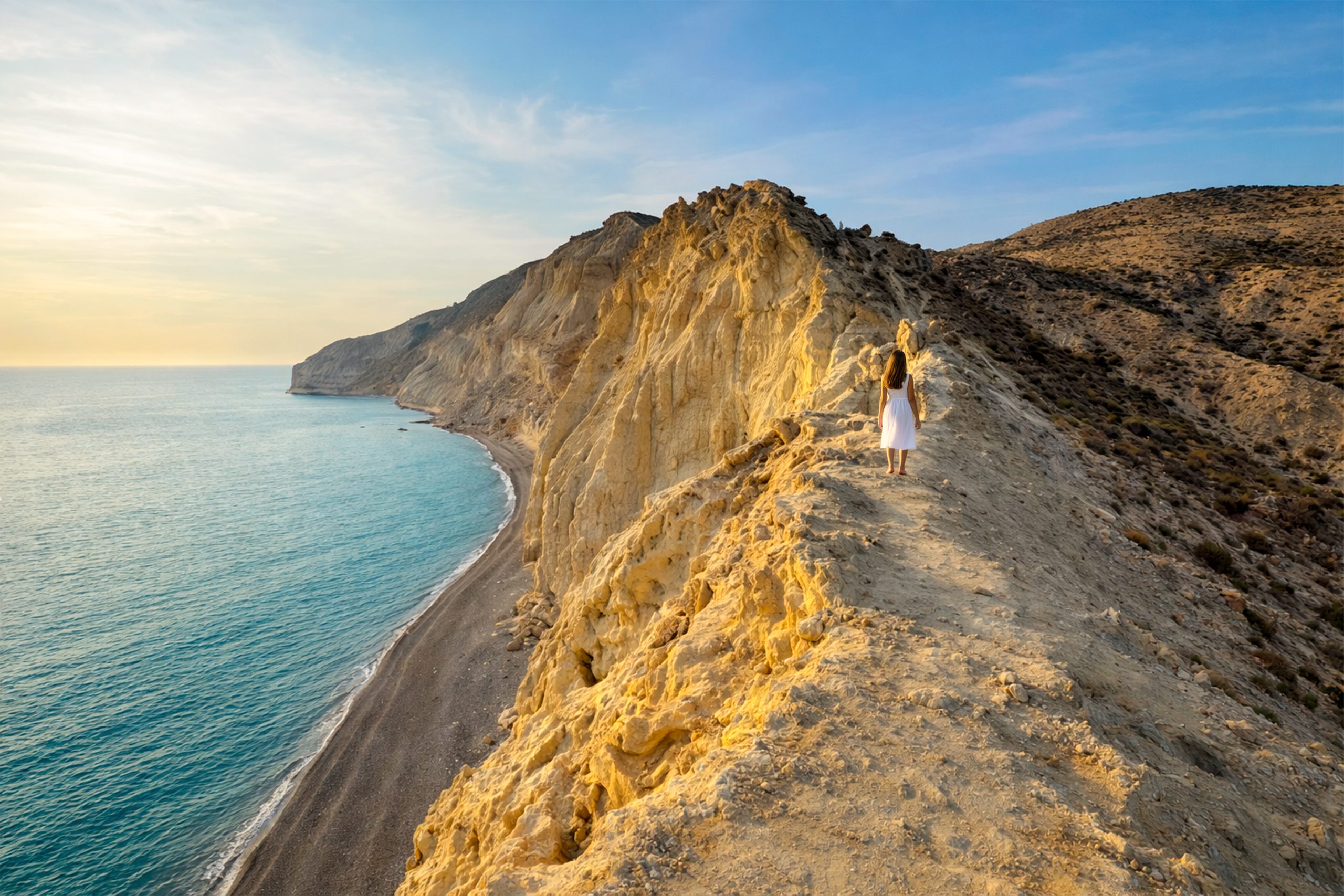
Visitors should exercise caution near cliff edges and steep sections, particularly when hiking with children. Strong winds can occasionally make certain sections more challenging, so checking weather conditions before arrival is advisable. The trails can become slippery after rain, requiring extra attention to footing.
Some trails connect to nearby routes, including the Genesis Aphrodite’s Nature Trail, allowing experienced hikers to combine multiple paths for extended exploration. However, certain connections involve dangerous sections and should only be attempted by those with appropriate experience and equipment.
Conservation Efforts Protect Natural Heritage
The Cape Aspro area represents an important conservation zone within Cyprus’s network of protected natural areas. The unique combination of geological features, endemic plant species, and rare reptile populations makes this location scientifically valuable for understanding Mediterranean coastal ecosystems.
Ongoing studies document the distribution and health of endemic species in the region. The Cyprus Atlas of Reptiles and Amphibians contains over 6,600 locality records for the island’s herpetofauna, with Cape Aspro contributing important data to this comprehensive survey. Similar botanical surveys track the status of rare and endemic plant populations to ensure their continued survival.
Visitors play a role in conservation by staying on marked trails, avoiding disturbance to wildlife, and removing all waste from the area. These simple actions help preserve the natural environment for future generations while allowing current visitors to enjoy the spectacular scenery and biological diversity that make Cape Aspro a treasured natural landmark on Cyprus’s southern coast.