All Articles

House of Eustolios In Cyprus Roman Villa Mosaics

House of Eustolios In Cyprus Roman Villa Mosaics

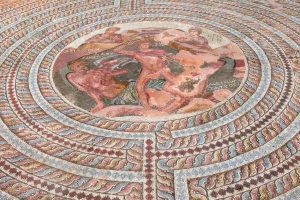
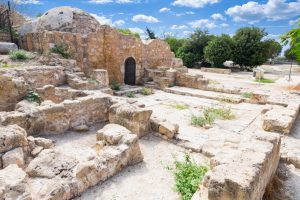
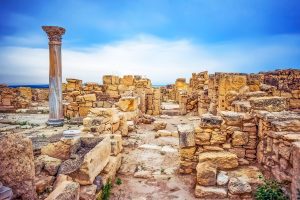
Perched on the southern cliffs of ancient Kourion near modern Limassol, the House of Eustolios stands as one of Cyprus's most fascinating archaeological sites. This late 4th-century complex blends Roman luxury with early Christian devotion, creating a unique window into a transformative period in Mediterranean history. Originally built as a private villa, the structure evolved into a public recreation center that served Kourion's citizens for over two centuries. Historical Background The House of Eustolios rose from the ruins of catastrophe. In 365 AD, a massive earthquake devastated the eastern Mediterranean, striking Kourion with particular force. The ancient city, which had thrived as one of Cyprus's major kingdoms since the 13th century BC, lay in rubble. Buildings collapsed, infrastructure crumbled, and…

Read more
Lemba Lakkous Archaeological Site

Lemba Lakkous Archaeological Site

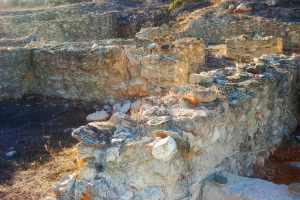
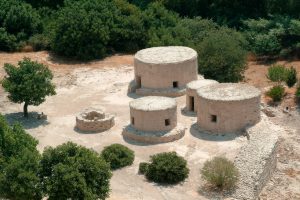
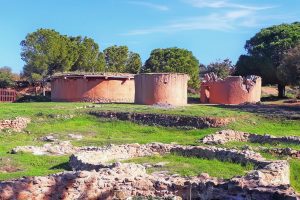
In the hills north of Paphos, a prehistoric village called Lemba-Lakkous offers a rare window into life 5,000 years ago. This Chalcolithic settlement produced some of Cyprus's most remarkable figurines and became the foundation for one of archaeology's most ambitious experiments: rebuilding an ancient village. Lemba-Lakkous sits just six miles north of Paphos in southwestern Cyprus, in a region known as the Ktima Lowlands. The settlement dates to the Late Chalcolithic period, from roughly 3500 to 2400 BC. This was a time when Cyprus saw remarkable cultural development, with around 100 villages spread across the island and communities mastering both stone tools and early copper metalwork. The site is part of a cluster of related settlements in the area, including…

Read more
Artemis Trail (Troodos)

Artemis Trail (Troodos)

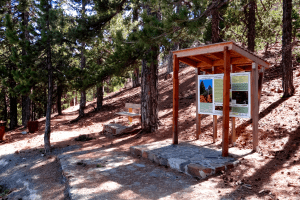
The Artemis Trail circles the highest peak in Cyprus at nearly 2,000 meters above sea level, where black pine forests meet panoramic mountain views. This 7-kilometer loop takes hikers around Mount Olympus through one of the island's most distinctive natural environments. The trail offers an accessible mountain experience that combines ancient forests, geological curiosities, and views that stretch from the Troodos peaks to the distant Mediterranean coast. The trail is a circular route that takes between 2.5 to 3 hours to complete, with minimal elevation change throughout the walk. Despite its high altitude location, the path remains relatively flat, making it accessible to hikers of various fitness levels. The trail forms part of the Troodos National Forest Park and sits…

Read more
Western Kingdom of Paphos

Western Kingdom of Paphos

Paphos refers to two distinct but connected ancient cities in southwestern Cyprus. Palaipaphos (Old Paphos), located at modern Kouklia village, was the original seat of the kingdom and the center of Aphrodite worship from the 12th century BC. Nea Paphos (New Paphos), founded around 320-310 BC at the modern coastal city of Paphos, served as the administrative and commercial capital during Hellenistic and Roman periods. The archaeological complex encompasses both sites and was inscribed on the UNESCO World Heritage List in 1980. The Sanctuary of Aphrodite at Palaipaphos dates to Mycenaean times and functioned as one of the most important pilgrimage destinations in the ancient Greek world. The Archaeological Park at Kato Paphos preserves Roman villas with elaborate mosaic floors,…

Read more
Alampra Early Bronze Age Town

Alampra Early Bronze Age Town

Alampra Mouttes stands as one of Cyprus’s most significant Middle Bronze Age settlements. Located in central Cyprus near the modern village of Alampra, this archaeological site provides rare evidence of prehistoric urban life and early copper metallurgy between 1900 and 1650 BC. The excavated remains reveal a substantial community that occupied a strategic position close to copper ore deposits at the foothills of the Troodos Mountains. The archaeological site occupies the northeast facing flank of a ridge between two hills called Mouttes and Spileos. The settlement consists of multi room rectangular houses built from local limestone and flint, with walls still standing in several areas. During its period of occupation, Alampra functioned as a largely self sufficient agricultural and metallurgical…

Read more
Pancyprian Gymnasium Museum

Pancyprian Gymnasium Museum

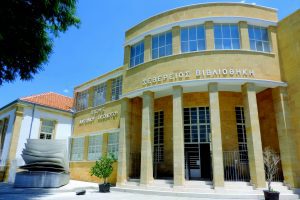
The Museums of the Pancyprian Gymnasium occupy a series of restored houses just north of the school itself. These buildings house multiple collections under one roof, including a school history museum, archaeological and numismatic collections, an art gallery, natural history exhibits, antique maps, old weaponry, and a remarkable collection of Gothic sculptures. Each section contributes to a broader understanding of Cypriot education, culture, and history from different angles. The museum operates separately from the school but maintains a close connection to the institution that gave it life. Visitors enter from Thisseos Street rather than through the school grounds. The space has been carefully organized to guide guests through different aspects of the school's influence on Cyprus over more than two…

Read more
Ottoman Sebils Public Water Fountains

Ottoman Sebils Public Water Fountains

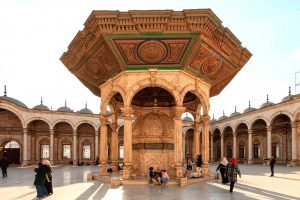
When the Ottoman Empire took control of Cyprus in 1571, the island experienced major changes in its architecture and daily life. Among the most practical contributions the Ottomans brought were sebils, public water fountains that became essential features of Cypriot cities. These structures served both religious and civic purposes, providing free drinking water to travelers and locals while allowing Muslims to perform ritual ablutions before prayer. The word sabil comes from the Arabic root meaning to make available or to provide a way. In Islamic tradition, building a sabil was considered an act of charity, a way to earn religious merit by serving the community. The Ottoman authorities valued these fountains so highly that they granted tax exemptions to anyone…

Read more
Ottoman Baths in Cyprus

Ottoman Baths in Cyprus

Ottoman baths, known as hamams, represent a distinctive cultural contribution to Cyprus architecture and social life. These public bathhouses served communities across the island for centuries, combining cleansing rituals with social gathering spaces. Several hamams survive today as monuments to Ottoman rule, with two still operating as functional spas. The hamam tradition did not originate with the Ottomans. Its roots stretch back to Roman thermae and Byzantine bathing practices, which the Ottomans inherited and adapted to Islamic requirements for ritual cleanliness. The word hamam comes from the Arabic root meaning heat or heating, reflecting the central role of warmth in the bathing process. Islamic tradition emphasizes cleanliness as a prerequisite for prayer. This religious requirement, combined with social customs, made…

Read more
Khirokitia UNESCO Chalcolithic Village

Khirokitia UNESCO Chalcolithic Village

Khirokitia (also spelled Choirokoitia) represents the peak of Cyprus's Aceramic Neolithic period, when communities built permanent settlements without any knowledge of pottery production. The site covers approximately 3 hectares at its maximum extent and consists of circular stone and mudbrick houses clustered together on a hillside. These structures were protected by massive stone walls that enclosed the settlement on multiple sides. The archaeological remains document a sophisticated farming society that thrived for over 1,500 years. Residents cultivated wheat and barley, raised domesticated sheep, goats, and pigs, and supplemented their diet through hunting and gathering wild foods. The settlement's name likely derives from the Greek words for pig (χοίρος) and cradle (κοιτίς), suggesting an area where pigs were raised, though several…

Read more