Village Loom Weaving (Fythkiotika & Regional Variants) is a home-based textile production tradition in Cyprus, combining wool and cotton to create symbolic fabrics that preserve ancient patterns linked to identity and status.
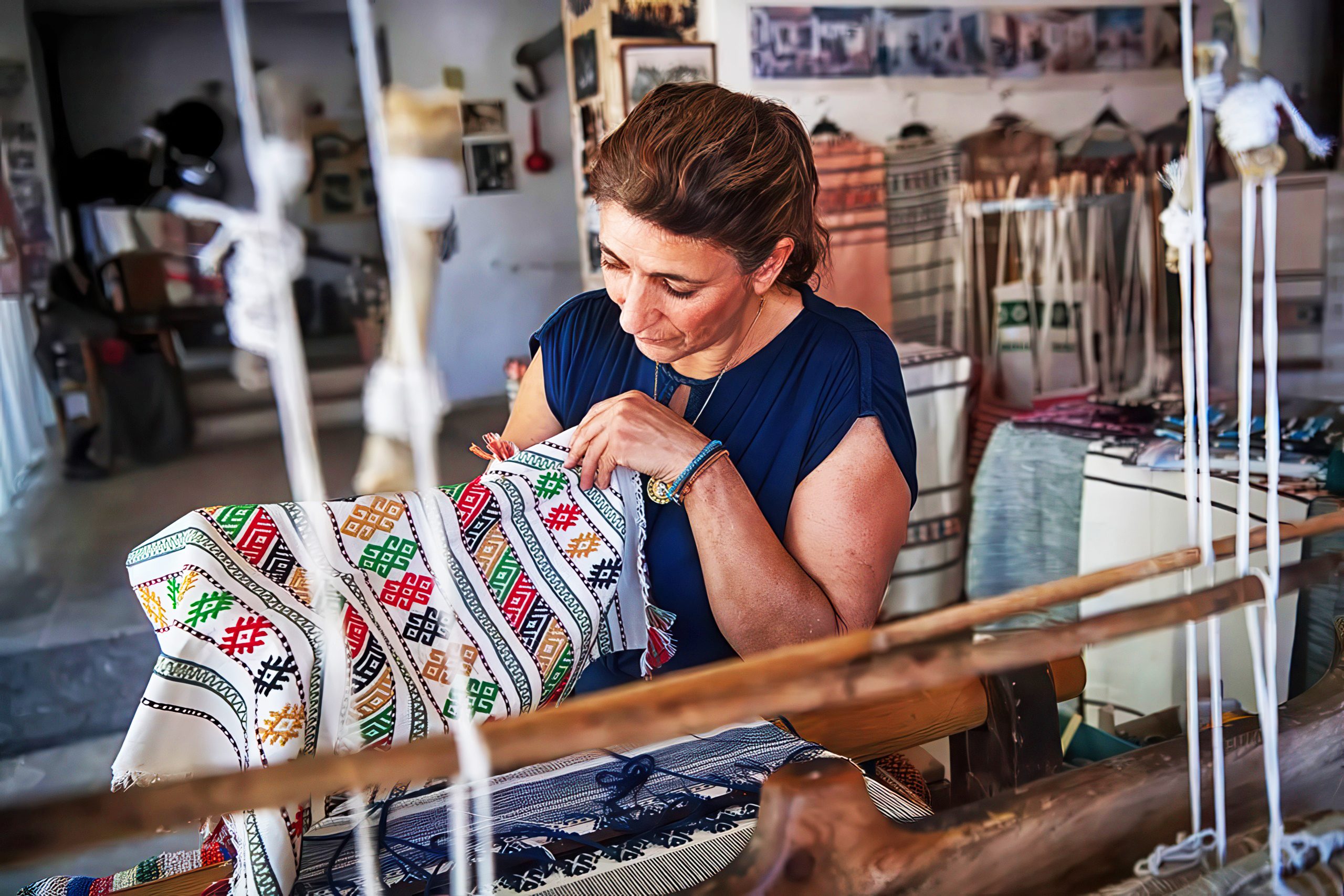
Originating in rural villages, this craft involves intricate loom work by women, producing items like bedcovers and rugs with geometric designs that carry meanings of protection, fertility, and heritage. Recognized as part of Cyprus’s intangible cultural heritage, it reflects the island’s agrarian past and women’s role in sustaining cultural continuity through generations.
A Timeless Craft of Thread and Tradition
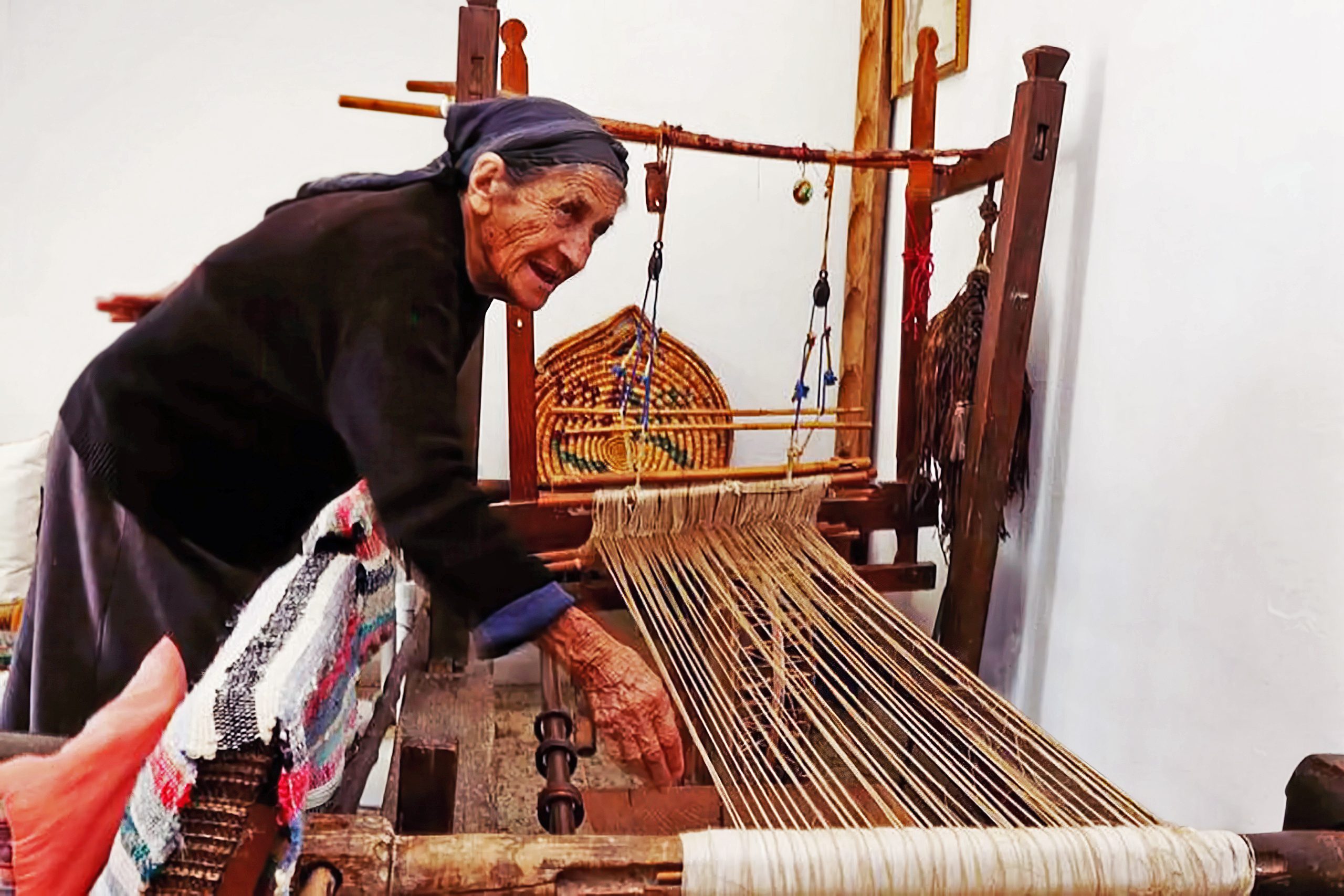
Village loom weaving in Cyprus represents a cornerstone of the island’s folk artistry, where domestic looms produce textiles that blend functionality with profound symbolism. Known as Fythkiotika in regions like Phyti village, this practice uses wool for warmth and cotton for durability, creating heavy fabrics suited to mountain climates. Patterns feature geometric motifs like diamonds, crosses, and zigzags, often in bold reds, blues, and natural whites, each carrying cultural weight – diamonds for unity, crosses for faith. This weaving was historically a women’s domain, done in homes as part of daily life, producing items for household use, dowries, or ceremonial purposes. The craft’s emphasis on ritual designs ties to a worldview where everyday items served as talismans, protecting families and marking social status in rural communities.
The process involves upright pedal looms, where weavers create pieces up to 2 meters wide, requiring days of labor for intricate patterns. Fythkiotika’s name derives from “fytho,” meaning to plant or grow, symbolizing the craft’s connection to life’s cycles. Regional variants add diversity: Phyti’s style favors bold geometrics for bedcovers, while Kato Drys versions incorporate floral borders for ceremonial cloths. This tradition not only sustained economies in isolated villages but also preserved symbolic languages, where a single pattern could invoke blessings for fertility or ward off evil, making it a living archive of Cypriot beliefs.
The Historical Roots of Village Weaving
The tradition traces back to prehistoric times, with loom weights from Neolithic sites like Choirokoitia (7000 BC) indicating early textile production for clothing and shelters. By the Bronze Age (2500-1050 BC), excavations at Enkomi uncovered dyed wool fragments, suggesting symbolic use in rituals, influenced by trade with the Levant and Aegean. Ancient Cypriot patterns, like spirals on pottery, mirrored early weaving designs symbolizing life’s cycles.
During the Byzantine era (4th-15th centuries AD), weaving flourished in monasteries, blending with icon motifs – crosses and trees of life became standard, as seen in 12th-century fragments from Kykkos. Lusignan rule (1192-1489) introduced French techniques like brocade, but Cypriot weavers adapted them to local looms, adding wool for insulation in Troodos winters. Venetian period (1489-1571) brought Italian dyes for brighter colors, enhancing symbolic vibrancy.
Ottoman occupation (1571-1878) deepened the craft, with Turkish makam-inspired patterns like tulips for renewal, while women wove for dowries to assert status amid taxation. British colonial rule (1878-1960) commercialized it, with 1920s reports by Lucy Garnett describing Phyti weavers exporting to London. Post-independence in 1960, it became a heritage symbol, with the 1974 Turkish invasion affecting wool supply but not the practice – Greek variants emphasized geometric purity, Turks added floral Ottoman touches. UNESCO’s 2009 intangible heritage listing for Cypriot crafts recognized its role in women’s economic independence, with the Cyprus Handicraft Service establishing training centers in the 1980s to teach techniques amid urbanization threats.
Ethnotextile studies by Androula Hadjiyiasemi have documented how lace patterns evolved from Byzantine geometric icons to Ottoman floral accents, reflecting Cyprus’s multicultural history. Excavations at sites like Amathus have found 12th-century needle fragments, linking to early lace precursors.
A Design of Precision and Ritual
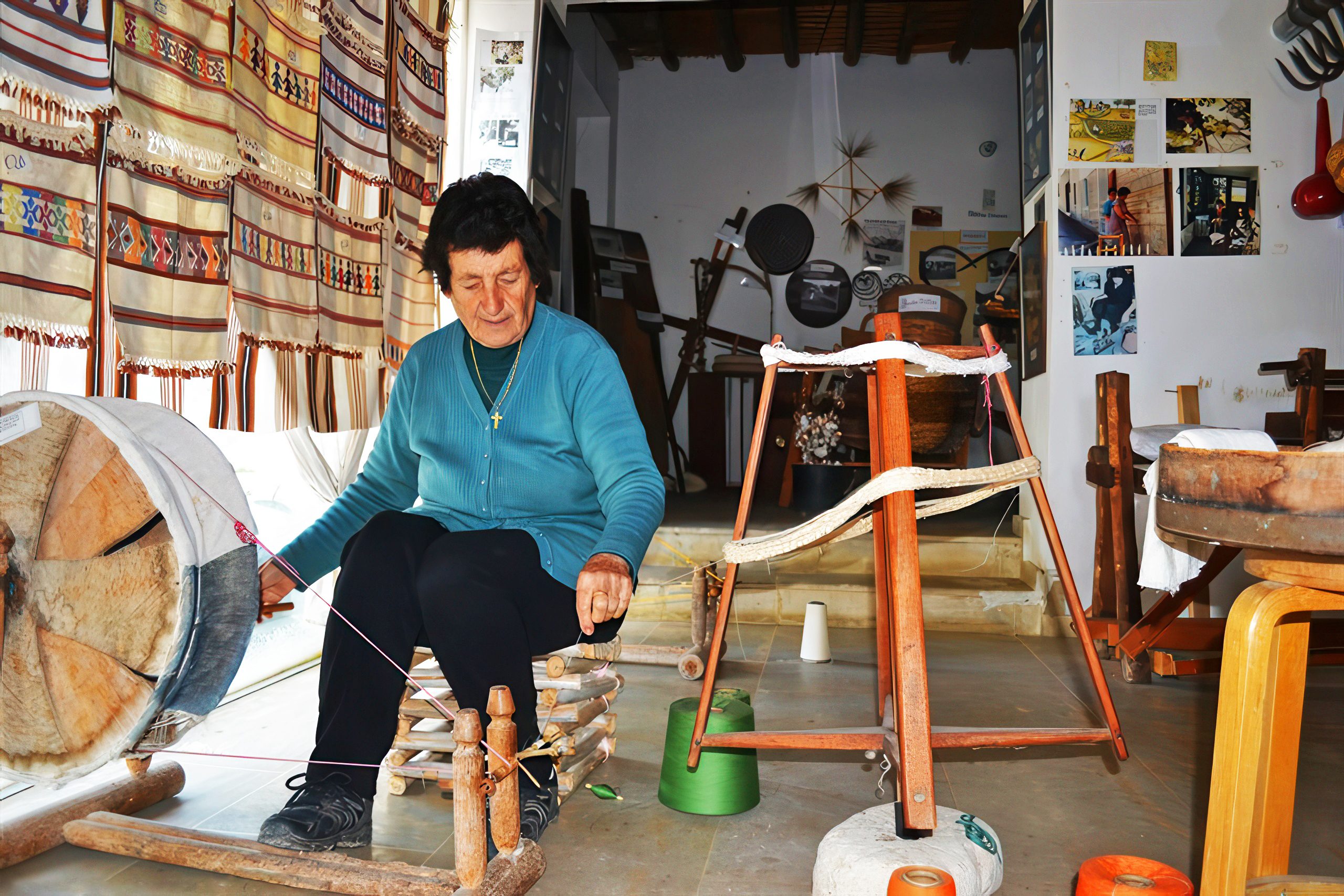
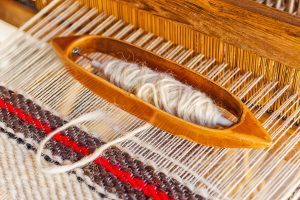
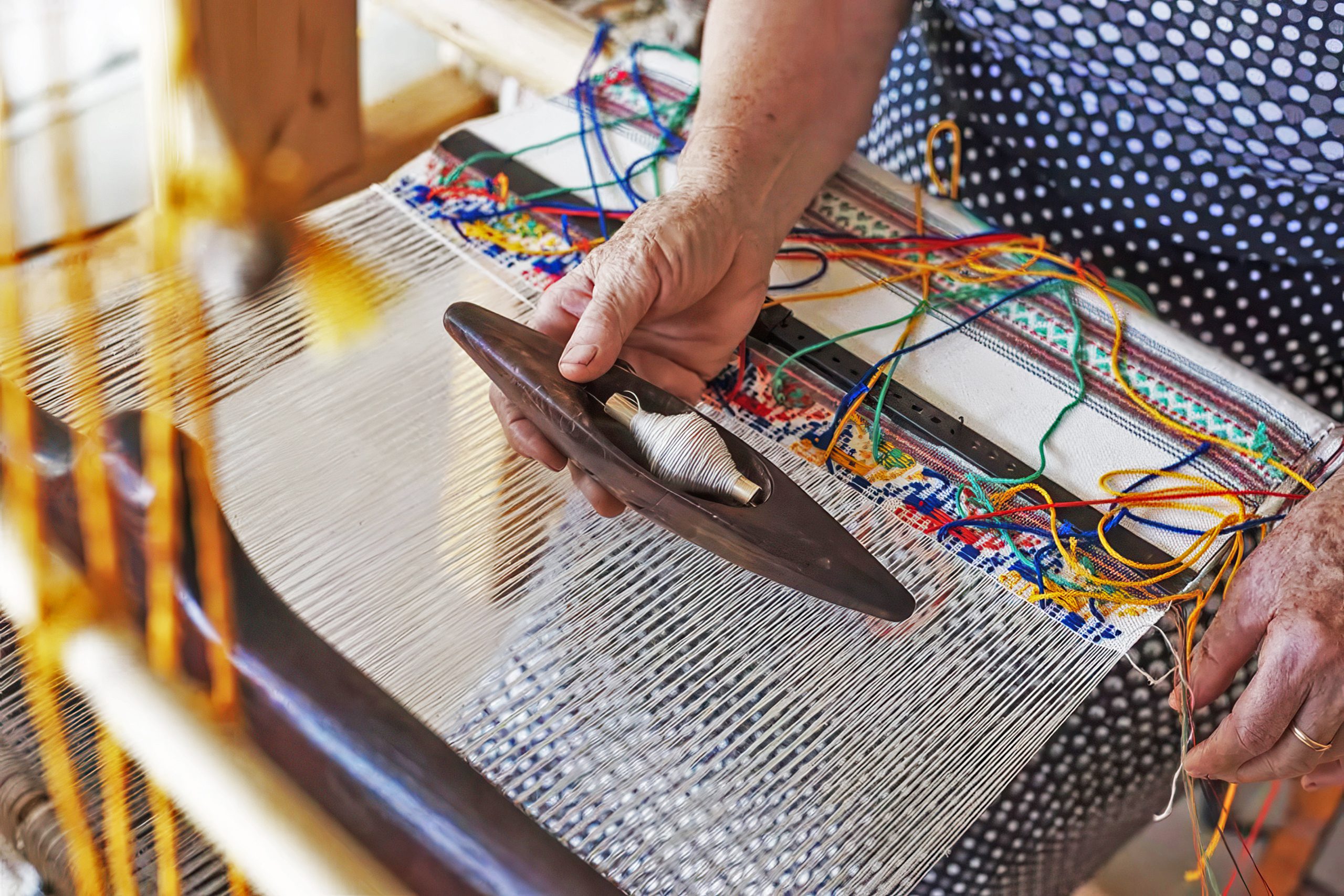
Fythkiotika uses upright pedal looms with wool weft and cotton warp, creating dense, reversible fabrics about 2 meters wide. Weavers, typically women, spend days on pieces, using “varthia” technique for interlocking threads in patterns like “stavros” (cross) for protection or “rombos” (diamond) for harmony. Colors from natural dyes – madder root for red (life), indigo for blue (sky) – were chosen symbolically, with bright hues for ceremonial items to ward evil.
Motifs carry ritual meaning: “potamos” rivers for fertility, echoing ancient water cults; “phoenix” birds for resurrection, tied to Christian symbols. Dowry pieces, like “perdikia” bedcovers, featured family crests, marking status – finer weaves signaled skill. Regional variants: Phyti favors bold geometrics, Paphos adds floral borders from Ottoman influences, Limassol uses subtler pastels for coastal lightness. Tools are basic: wooden looms, shuttles, and beaters, often family heirlooms with carved symbols for luck.
Quality depends on thread count – high-count cotton for delicacy – and even tension for reversible patterns. This craft’s home-based nature allowed women to weave while managing households, turning labor into art.
Interesting Facts That You Need to Know
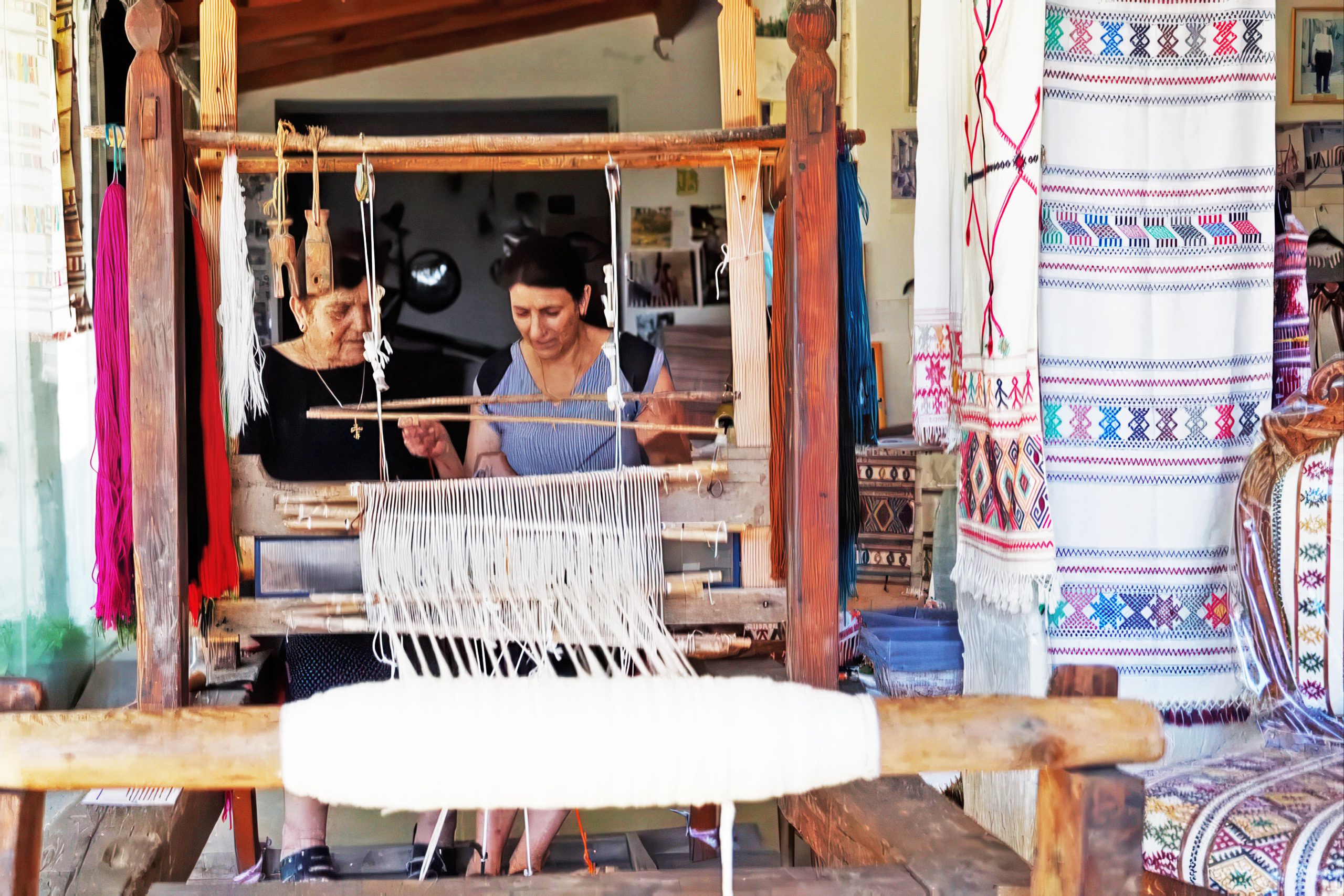
A quirky legend claims a Phyti weaver’s pattern trapped a genie, who granted endless thread – a tale explaining intricate designs. One motif, “Venetian rose,” commemorates 15th-century trade, with petals hiding crosses during Ottoman times. During British rule, Queen Mary collected Phyti pieces in 1920s, now in royal archives. Famous artisan Eleni Hadjikyriacou wove for Pope John Paul II in 2001, blending cross motifs with papal symbols. And in contests at festivals, weavers compete in speed-patterning, with prizes for symmetry.
Restorations of antique pieces reveal hidden symbols like eyes for protection, stitched in during uncertain times. A 17th-century piece in the Benaki Museum shows Assyrian-inspired borders, traded via Phoenicians.
Unraveling Deeper Layers of Meaning
Fythkiotika’s symbolism extends to theology: crosses and diamonds echo Byzantine icons’ order, representing divine protection. In rituals, textiles adorned altars for feasts or brides for fertility blessings, linking to Virgin Mary’s intercession. Socially, it empowered women – as family earners, they gained economic voice, with guilds in Phyti from the 17th century organizing sales. Economically, it fueled trade, with Venetian merchants exporting it as luxury, boosting Cyprus’s reputation.
Cultural depth: patterns like “potamos” symbolize life’s flow, influenced by ancient myths. In Ottoman era, weaving became “resistance art,” with hidden crosses defying conversion pressures. Ethnotextile studies at the University of Cyprus analyze designs for math patterns, linking to ancient geometry from Euclid’s time, traded to Cyprus.
Influences from Arab weaving added filigree, Venetian lace intricate fillings, but Cypriots made it dense for utility in homes.
Village Loom Weaving in Cyprus Today
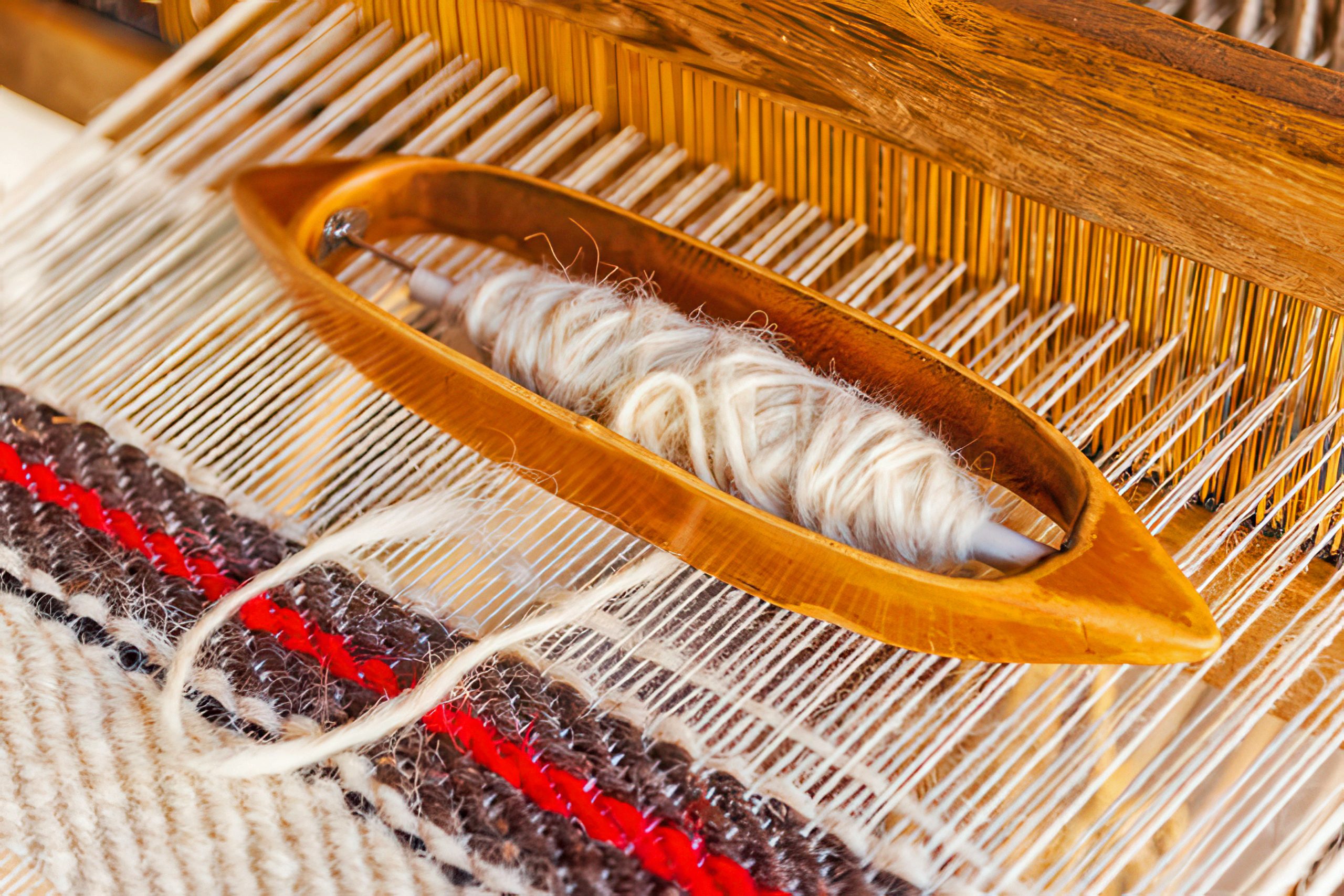
In contemporary Cyprus, village loom weaving thrives as a symbol of rural craftsmanship, with cooperatives in Phyti employing 50 artisans for international markets. Amid invasion since 1974, it fosters unity, with joint workshops across lines teaching techniques. Climate change affects wool sources, prompting sustainable sheep farming initiatives. Artists fuse it with modern design, like weaving in clothing by Cypriot fashion houses at Milan shows. In a globalized world, UNESCO’s heritage status spurs tourism, with sales supporting local economies.
Opportunities for Exploration
Cultural centers like the Cyprus Handicraft Centre in Lefkosia host weaving demonstrations, open daily for €2. Festivals like the Phyti Folk Festival in July feature live crafting, free to attend with workshops. Guided tours through the Cyprus Tourism Organization cost €15-20, visiting ateliers for sessions. Spring or fall avoids heat, pairing with Troodos hikes where weaving echoes in village shops. Many venues offer online videos for remote access.
A Tradition Woven into Eternity
Village Loom Weaving (Fythkiotika & Regional Variants) holds value as a guardian of symbolic textiles, where wool and cotton preserve ancient patterns linked to identity and status. This wasn’t just craft; it’s a link to historical roots, blending history with skill in every thread. Knowing it enriches appreciation for Cyprus as an artisanal crossroads. Engagement with its pattern or variant evokes renewed wonder at cultural endurance. In a mass-produced age, it affirms handmade’s power to connect past and present.