All Articles

Pissouri Beach

Pissouri Beach

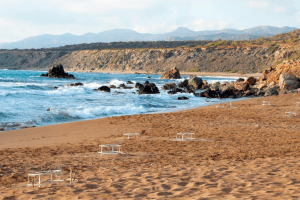
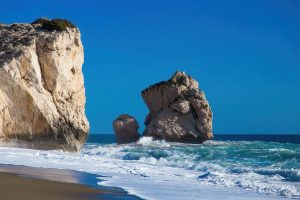
Pissouri Beach stretches 1.5 kilometers along the southern coast of Cyprus between Limassol and Paphos, roughly 30 kilometers from each city. The beach occupies Pissouri Bay, a natural cove protected by the white limestone cliffs of Cape Aspro on both sides. The beach features fine golden sand mixed with multicolored small pebbles, creating a distinctive shoreline texture not found at purely sandy beaches. The waters here earned Blue Flag certification, marking compliance with strict European standards for cleanliness, safety, and environmental management. Pissouri divides into two distinct zones: the old village perched on a hillside three kilometers inland and Pissouri Bay, the beach resort area that developed primarily for tourism. From Pine Resin to Tourist Haven The name Pissouri most…

Read more
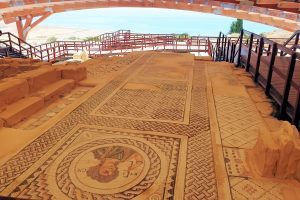
Roman Road Network

Roman Road Network

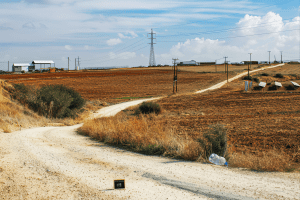
Cyprus already had roads before the Romans arrived. The earliest routes date back to the Bronze Age, and by the end of the Hellenistic period, a road network circled the entire island. These pre-Roman roads connected cities with their surrounding territories and linked major settlements along the coast. However, they were often simple tracks suitable for pedestrians and pack animals rather than the engineered highways Romans built elsewhere in their empire. When Cyprus became a Roman province in 22 BC under Emperor Augustus, the new administration inherited this existing network. The Romans added secondary roads and improved certain routes, but they did not rebuild the entire system to match the standards used in Italy or other provinces. This practical approach…

Read more
Sacred Landscape Representation

Sacred Landscape Representation

Sacred Landscape Representation in Cypriot art involved the use of motifs such as mountains, seas, fertility symbols, and celestial elements to express the island's profound spiritual connection to nature. These designs went beyond mere decoration, reflecting a worldview where the environment was infused with divine energy, from turbulent waves to bountiful fields. This artistic approach evokes the island's mystical essence, highlighting ancient perceptions of the natural world as a realm of sacred significance. A World Expressed Through Art Cypriot art portrayed the landscape as a narrative medium, where natural features conveyed deeper spiritual layers. Mountains symbolized strength and divine oversight, seas evoked origins and transformation, fertility motifs celebrated renewal, and celestial patterns linked earthly existence to cosmic forces. This method…

Read more
Byzantine Frescoes & Iconography

Byzantine Frescoes & Iconography

The Troodos Mountains of Cyprus contain one of the most significant collections of medieval mural painting in the Eastern Mediterranean. Ten churches and monastic buildings, all listed as UNESCO World Heritage Sites, preserve a continuous tradition of wall painting that spans from the 11th to the 16th centuries. These mountain structures are valued not only for their artistic content but also for their exceptional state of preservation. Their remote location helped protect them from destruction during periods of coastal instability and repeated invasions in earlier centuries. In addition, the characteristic steep-pitched wooden roofs—added to many structures over time—helped shield interior wall surfaces from heavy snowfall and seasonal rainfall. The result is a rare survival of complete interior decorative programs, where…

Read more
Cyprus Folk Dance Workshops

Cyprus Folk Dance Workshops

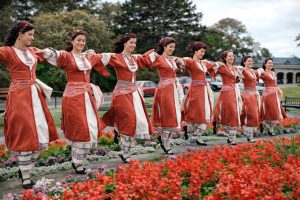
Cypriot folk dance is not something observed from a distance. It is something entered, shared, and carried by the group. Across Cyprus, workshops and demonstrations keep traditional dance alive by teaching it as a social practice rather than a staged performance. Whether held in village squares, community halls, or coastal courtyards, these gatherings connect rhythm, memory, and collective life in ways that still feel natural on the island today. Rather than preserving dance as choreography alone, Cypriot workshops focus on movement as a form of communication. Steps are learned not just as patterns, but as expressions shaped by history, environment, and social structure. Participation matters more than polish, and understanding matters more than display. Dance as a Social Language Traditional…

Read more
St. Hilarion Castle

St. Hilarion Castle

St. Hilarion Castle stands 732 meters above sea level in the Kyrenia mountain range of Cyprus. This medieval fortress features stone walls and towers that appear to grow directly from the rocky peaks. Located just off the main Kyrenia to Nicosia highway, the castle commands the mountain pass between the coast and the central plain. The castle is the best preserved of three Byzantine strongholds built along the Kyrenia mountain range, the others being Kantara to the east and Buffavento further west. The fortress consists of three main sections built at different elevations on the mountainside. The lower ward contained stables and living quarters for soldiers. The middle ward housed royal apartments, kitchens, a church, and a large cistern for…

Read more
Rugged Coastlines of Cyprus

Rugged Coastlines of Cyprus

The rugged coastlines of Cyprus display dramatic geological contrasts where limestone cliffs plunge into turquoise Mediterranean waters, creating landscapes that combine raw natural beauty with mythological significance. The island's 648-kilometer coastline features two primary wild areas, the Akamas Peninsula in the northwest and Cape Greco in the southeast, both protected under the Natura 2000 European network. These areas showcase calcitic sandstones formed during glacial periods over the last 100,000 years, raised marine terraces representing ancient coastlines lifted by Cyprus's gradual tectonic uplift, and deep gorges carved through limestone bedrock by erosion. The Akamas covers 230 square kilometers with elevations reaching 419 meters, while Cape Greco's lower terrain emphasizes coastal features including sea caves, natural rock bridges, and vertical cliffs popular…

Read more
Summer vs Winter Travel in Cyprus

Summer vs Winter Travel in Cyprus

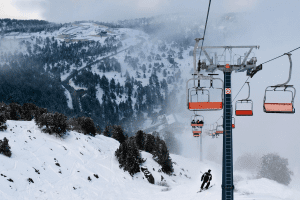
Cyprus offers two distinctly different travel experiences depending on when visitors visit. The Mediterranean island transforms from a sun-soaked beach paradise in summer to a mild, green sanctuary in winter. Both seasons have their unique advantages, and choosing between them depends on what visitors want from their trip. Summer brings hot weather and crowded beaches, while winter offers cooler temperatures and fewer tourists. Understanding these differences helps visitor plan a trip that matches their expectations and budget. Weather Patterns Throughout the Year Summer in Cyprus runs from June to August, with temperatures regularly reaching 30 to 34 degrees Celsius along the coast. Summer in Larnaca is also hot, dry, and incredibly sunny. Daily highs typically climb from 30°C (86°F) in…

Read more
Sacred Geometry and Proportion Cyprus

Sacred Geometry and Proportion Cyprus

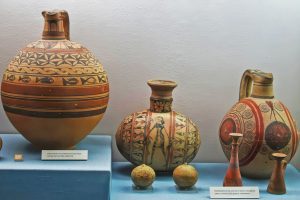
Symbolic Use of Geometry and Proportion in Cypriot Art refers to the ancient practice on the island where repeating shapes and balanced designs conveyed concepts of order, harmony, and cosmic balance. These patterns extended beyond decoration, embedding profound meanings in pottery, sculptures, and other artifacts, fostering a sense of connection to an structured universe. This method transformed basic lines into representations of life's fundamental principles, highlighting the thoughtful intent behind each composition. A World Expressed Through Structured Forms Ancient Cypriot art frequently employed basic geometric elements, such as circles, triangles, and zigzags in repetitive arrangements, rather than detailed depictions of figures or scenes. These patterns appeared across various media, from clay vessels to stone engravings, serving purposes that transcended ornamentation.…

Read more