Cyprus offers two distinctly different travel experiences depending on when visitors visit. The Mediterranean island transforms from a sun-soaked beach paradise in summer to a mild, green sanctuary in winter. Both seasons have their unique advantages, and choosing between them depends on what visitors want from their trip.
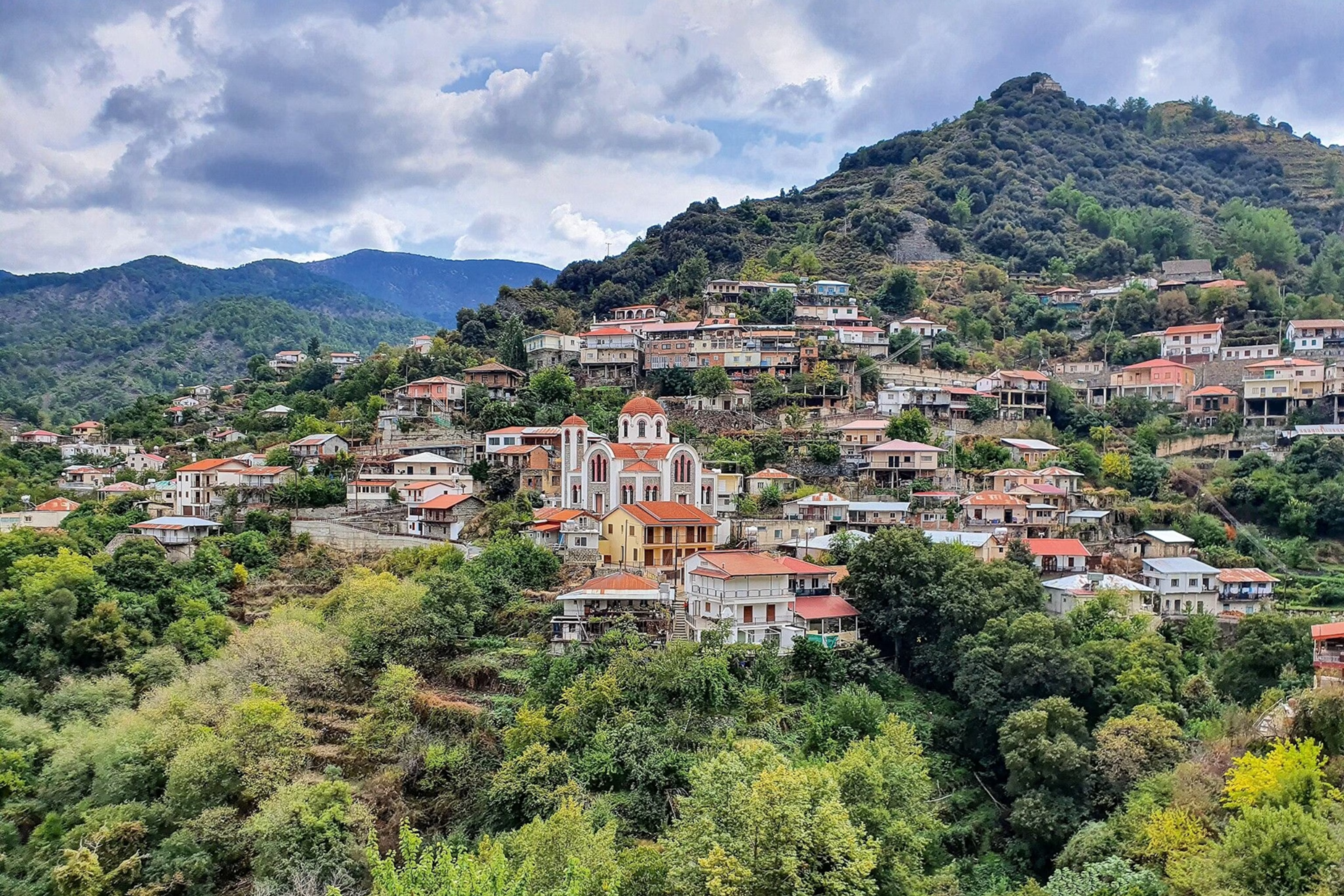
Summer brings hot weather and crowded beaches, while winter offers cooler temperatures and fewer tourists. Understanding these differences helps visitor plan a trip that matches their expectations and budget.
Weather Patterns Throughout the Year
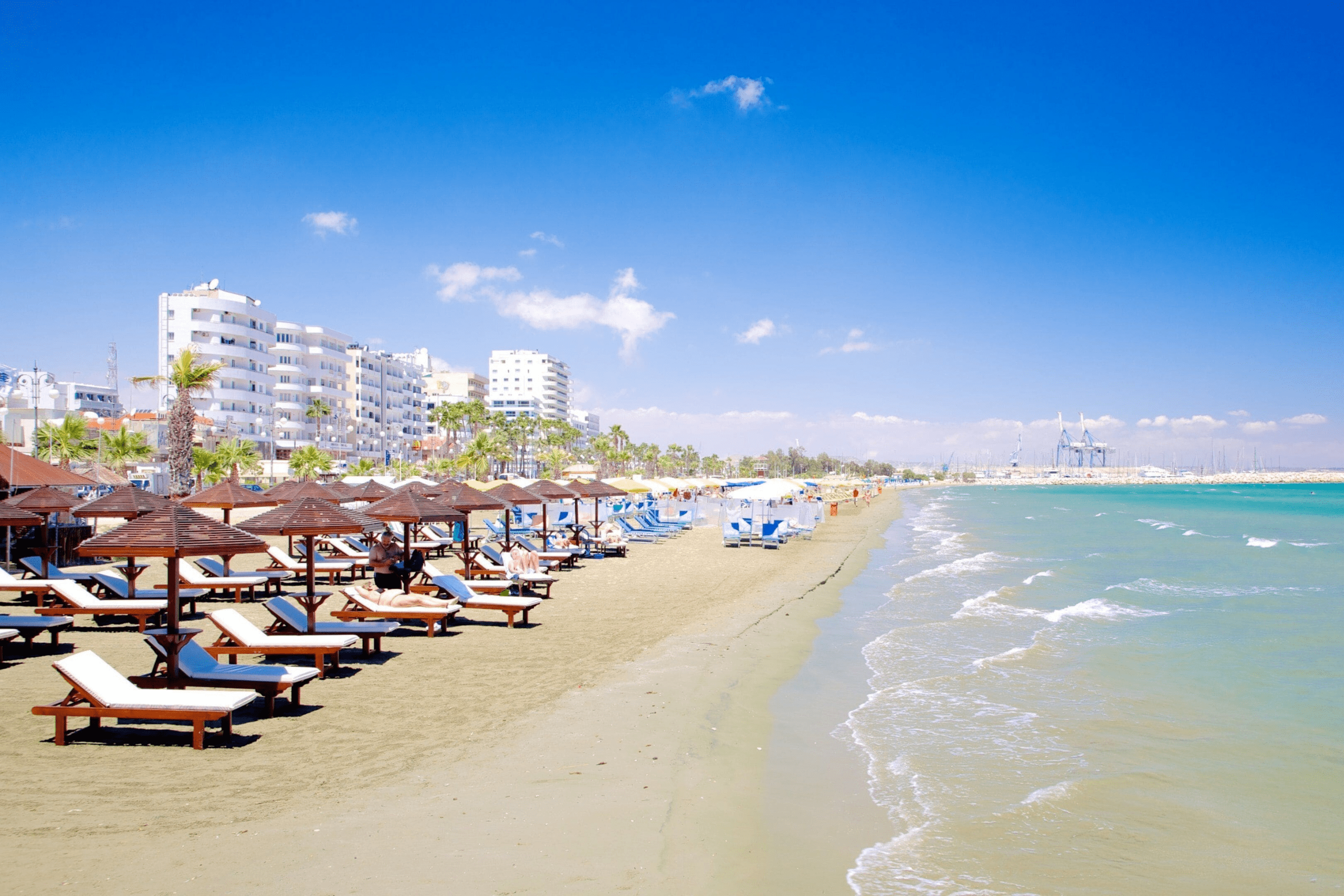
Summer in Cyprus runs from June to August, with temperatures regularly reaching 30 to 34 degrees Celsius along the coast. Summer in Larnaca is also hot, dry, and incredibly sunny. Daily highs typically climb from 30°C (86°F) in June to a peak of 33°C (91°F) in July and August, though heatwaves can occasionally push temperatures above 40°C (104°F). The sea temperature stays around 26 degrees Celsius, perfect for swimming and water sports.
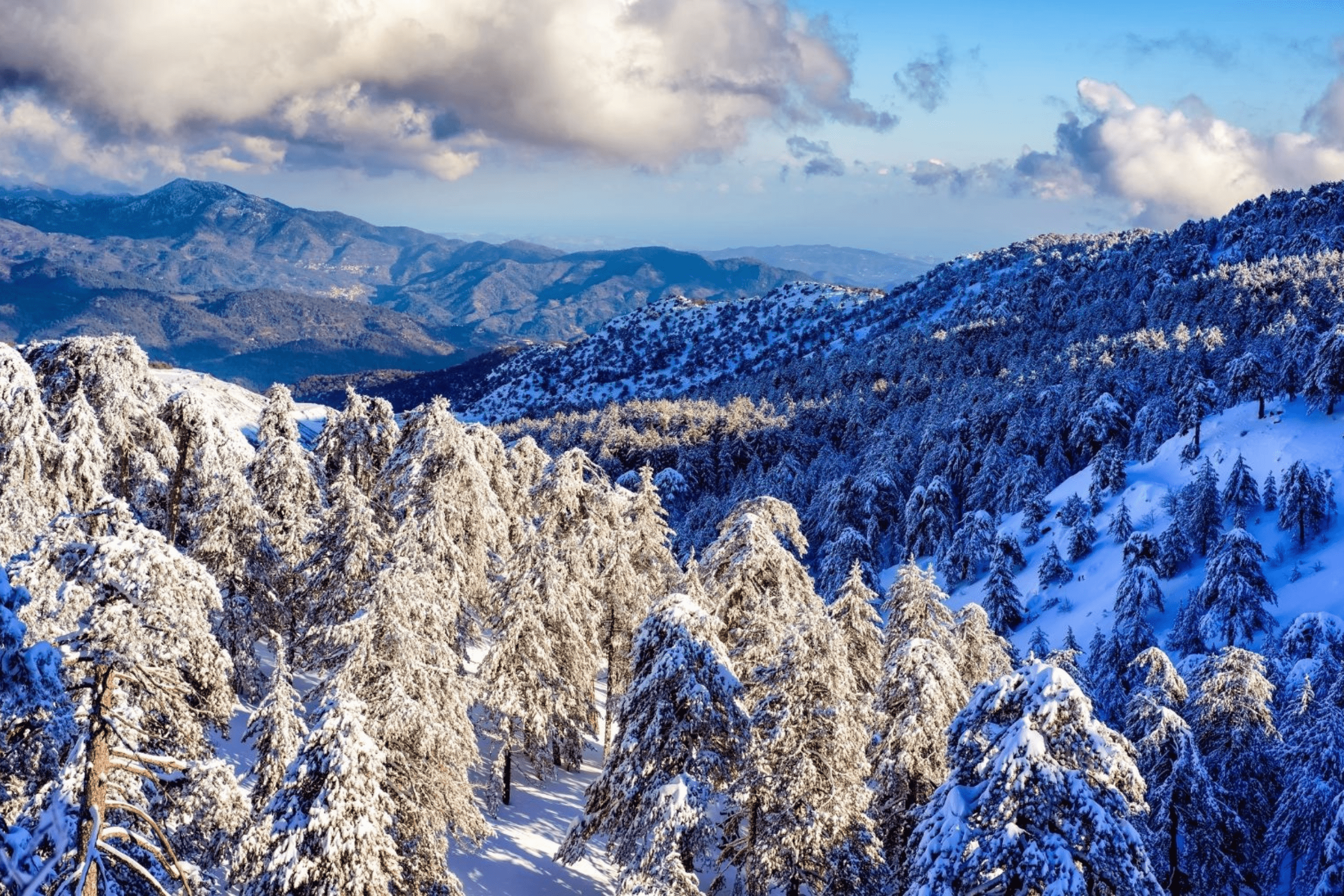
Winter lasts from December to February, with daytime temperatures averaging 16 to 18 degrees Celsius along the coast. Nights can drop to 8 to 10 degrees Celsius. The season brings most of the island’s annual rainfall, particularly in December and January. The Troodos Mountains experience much colder conditions, with temperatures dropping to minus 5 degrees Celsius at night and snow coverage reaching up to 2 meters. Even in winter, Cyprus gets about six hours of sunshine daily, making it milder than most European destinations.
Activities and Attractions by Season
Summer focuses heavily on beach activities. Coastal resorts fill with families enjoying pools, water parks, and beaches. Popular water sports include parasailing, scuba diving, jet skiing, and snorkeling. The nightlife peaks during these months, especially in Ayia Napa, where beach clubs and music festivals run late into the night.

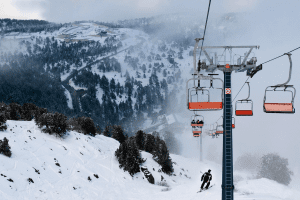
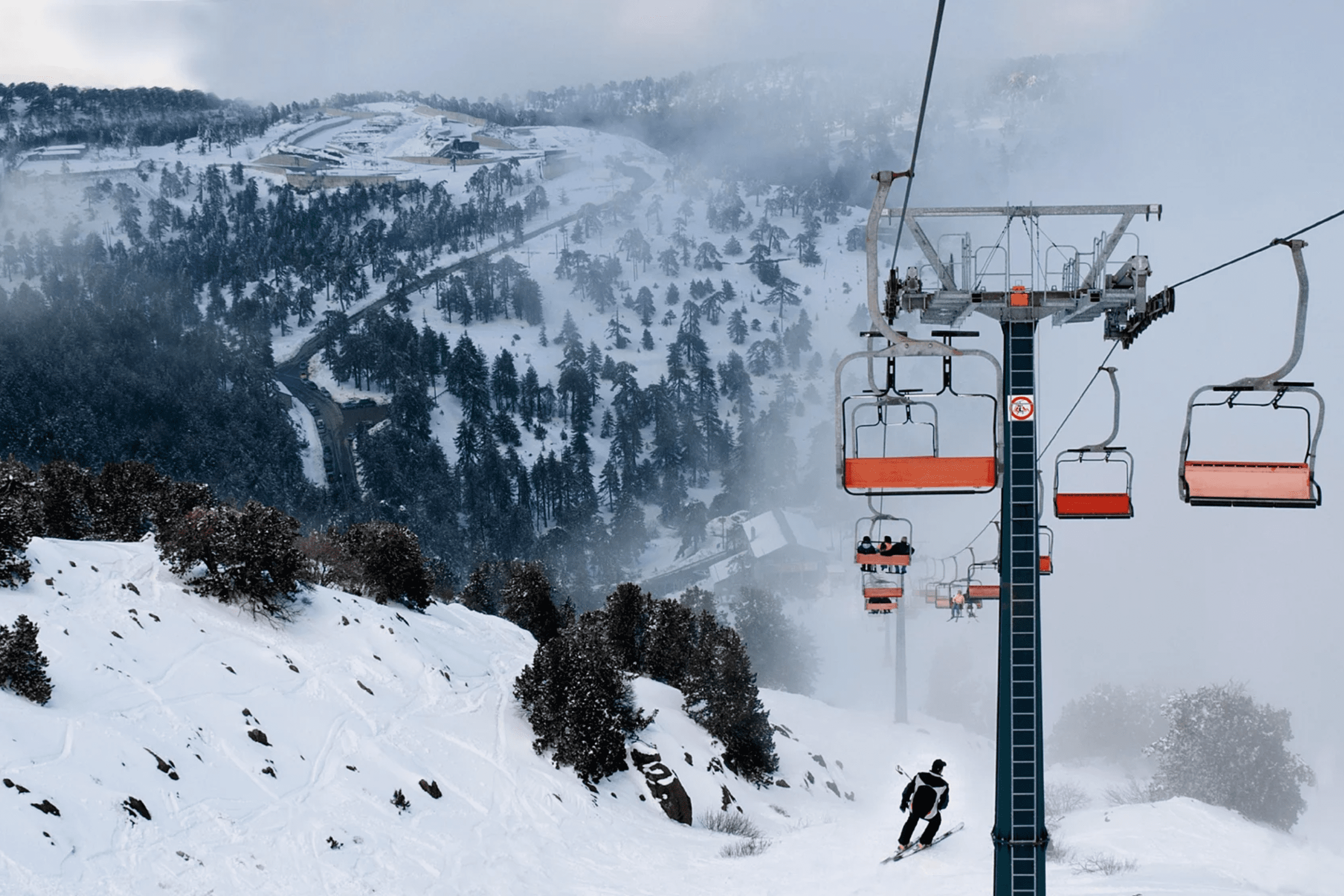
Winter shifts the focus to cultural exploration and mountain activities. The Troodos Mountains offer Cyprus’s only ski resort, operating from January to March on Mount Olympus at 1,951 meters. Four ski lifts serve eight alpine runs suitable for all skill levels. The unique opportunity to ski in the morning and reach the warm coast within an hour attracts many visitors. The cooler weather makes hiking, visiting monasteries, and exploring archaeological sites far more comfortable.
Crowd Levels and Tourism Patterns
Summer represents peak tourist season. July and August see the highest visitor numbers, with beaches, hotels, and popular attractions becoming crowded. European school holidays contribute to this influx, making reservations essential. Coastal towns buzz with activity, and restaurants often require advance bookings.
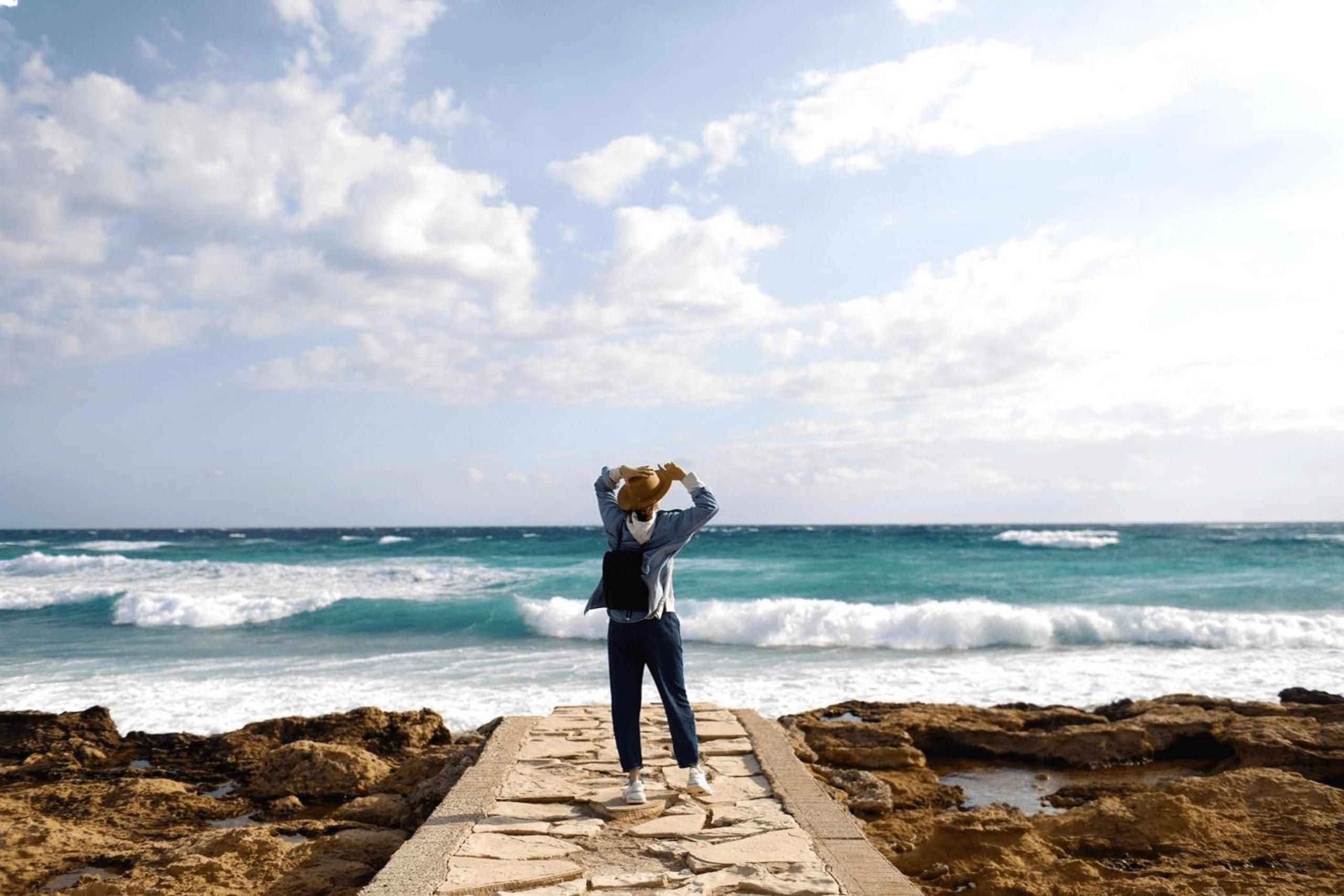
Winter is the quietest season. From November to March, visitor numbers drop significantly. Archaeological sites like Kourion and Paphos become nearly empty, allowing for peaceful exploration. Local life returns to its normal pace, offering more authentic interactions with Cypriots. Restaurants, hotels, and shops in tourist areas may close for the season, particularly in November.
Cultural Events and Festivals
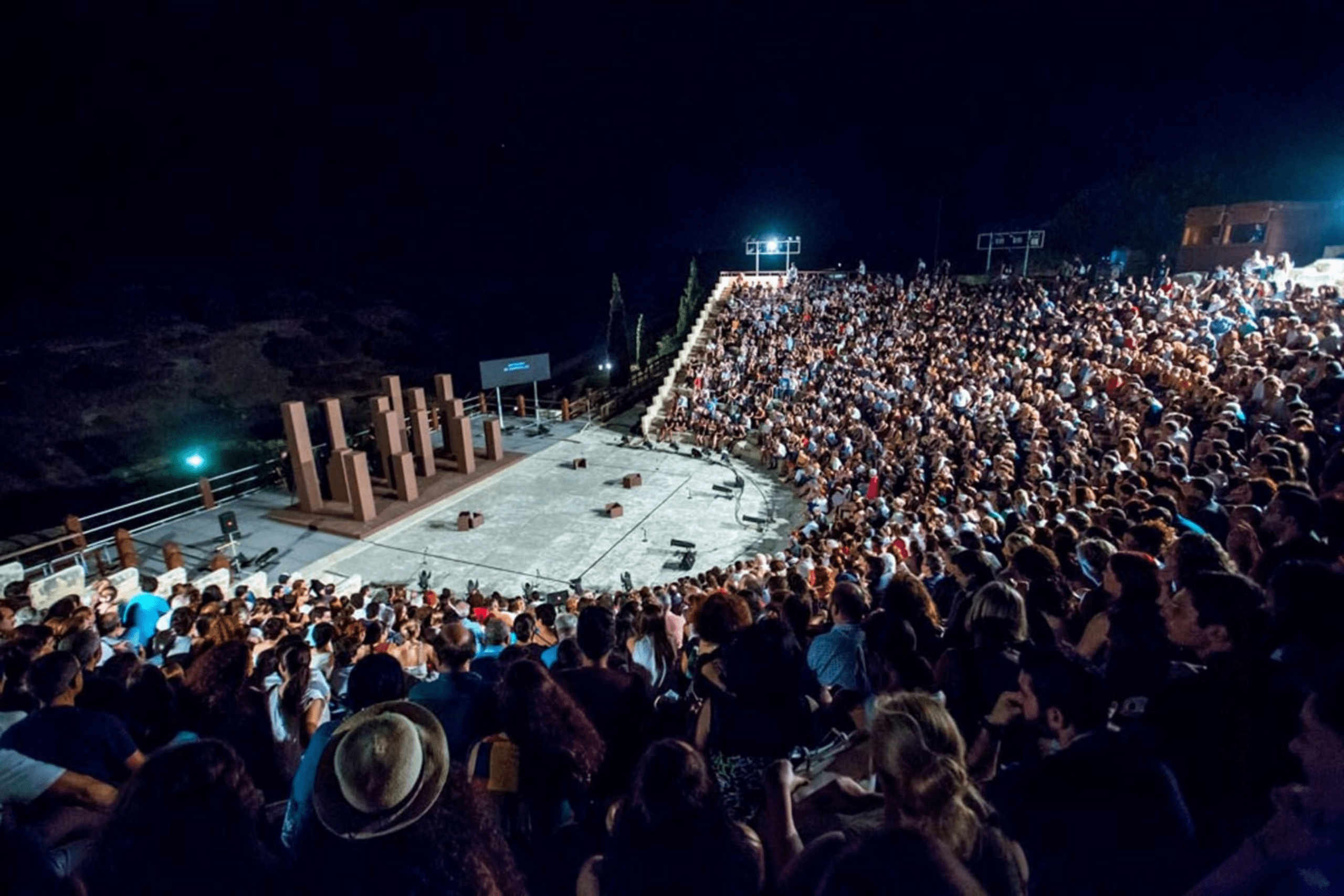
Summer brings outdoor cultural celebrations. The International Festival of Ancient Greek Drama runs from July to August in outdoor amphitheaters in Paphos and Limassol. Music festivals and beach parties dominate coastal areas. Village festivals celebrating local products and traditions happen throughout the island.
Winter has its own cultural calendar. Easter is the most important Orthodox celebration, more significant than Christmas, featuring week-long festivities with processions, painted eggs, and traditional feasts. Carnival celebrations occur in late February or early March, with Limassol hosting the largest parades. Christmas markets appear in December, offering handicrafts, local foods, and a festive atmosphere.
Making the Right Choice for visitorr Trip
Summer suits those prioritizing beaches, water activities, and guaranteed sunshine. Families with school-age children typically visit during July and August despite higher costs and crowds. The vibrant atmosphere, active nightlife, and full range of tourist services appeal to social travelers and first-time visitors.
Winter works better for budget travelers, culture enthusiasts, and those avoiding crowds. The opportunity to ski and reach the beach on the same day appeals to adventure seekers. Hikers, cyclists, and nature lovers prefer the cooler temperatures and green landscapes. Those interested in authentic local culture find winter more rewarding, as the tourist veneer lifts and traditional Cypriot life becomes more visible.