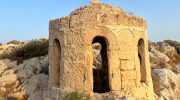
Chrysorrogiatissa Monastery is a historic monastic complex located in the Paphos district of Cyprus, near the village of Pano Panagia. It sits at an altitude of approximately 820 meters on the southern slopes of the Troodos foothills, overlooking forested valleys that lead toward the Paphos region.

The site is named Panagia Chrysorrogiatissa, a title that translates as “Our Lady of the Golden Pomegranate.” The name reflects symbolic themes found in Byzantine and post-Byzantine religious art and cultural traditions, where the pomegranate often appears as a motif associated with prosperity and abundance.
Historical Background
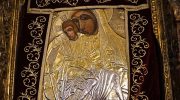
The origins of the monastery are traditionally placed in the 12th century, around 1152. According to later narratives, an icon associated with Byzantine artistic tradition was discovered in the region of Moullia. Such stories reflect broader medieval Cypriot traditions in which natural phenomena and symbolic interpretations were often incorporated into the founding histories of monastic settlements.

The 8th and 9th centuries in the Byzantine world were marked by a period in which religious imagery was contested and many icons were removed or destroyed in parts of the empire. Cyprus, like other peripheral regions, preserved its own monastic and artistic traditions during this broader historical context, which influenced later interpretations of its religious sites.
The Present Monastery Structure and Treasures
The current visible structures of the monastery largely date from around 1770, with later modifications and restorations carried out in subsequent centuries. Earlier buildings were damaged or replaced over time due to fire, environmental exposure, and reconstruction efforts.
The main church is a single-aisle structure built in traditional Cypriot monastic architectural style, using locally sourced limestone. The layout reflects common design patterns found in mountain monasteries across Cyprus, where functional simplicity is combined with decorative interior elements.
Inside the church, frescoes are preserved above the entrances, some of which date back several centuries. These artworks reflect post-Byzantine artistic traditions common in Cypriot ecclesiastical decoration. The monastery also preserves a collection of icons, manuscripts, and liturgical objects housed in an internal museum space. This collection reflects the broader development of religious art in Cyprus from the Byzantine period through the Ottoman and modern eras.
Wine Production and Agricultural Activity
One of the most distinctive aspects of Chrysorrogiatissa Monastery is its long association with viticulture and wine production. Historical records and modern development show that winemaking has been part of the monastery’s economic activity for centuries, with renewed commercial production beginning in the late 20th century.

The monastery operates vineyards located on surrounding hillsides and produces wines using a combination of traditional agricultural practices and modern production techniques. An underground winery area preserves historical equipment used in earlier phases of production. The site is also associated with Cyprus’s wider winemaking tradition, including regional products such as Commandaria, a well-known dessert wine with ancient origins in Cypriot agricultural history. Today, the winery functions as part of the monastery’s broader economic sustainability model and is integrated into regional wine tourism routes across the Paphos district.
Visiting Chrysorrogiatissa Monastery
Chrysorrogiatissa Monastery is accessible by road approximately 40 kilometers from Paphos. The route passes through mountain roads and vineyard landscapes, offering views of the surrounding forested terrain.

The monastery is open to visitors during scheduled hours, which vary seasonally. Entry to the main grounds is generally free, while donations are accepted for maintenance and preservation work.

Visitors can explore the church interior, icon collections, and winery facilities. A small shop on-site offers locally produced wine and traditional items related to Cypriot agricultural and cultural heritage.
Some areas of the monastery remain restricted due to their ongoing use by the monastic community and for preservation purposes. Accessibility varies across the complex, with certain sections easier to access than others.
Historical and Cultural Significance
Chrysorrogiatissa Monastery represents a long-standing example of monastic life in Cyprus where religious, architectural, and agricultural functions developed together over time. Its historical layers reflect broader Cypriot history, including Byzantine cultural influence, Ottoman-era transformations, and modern heritage preservation efforts.

Today, the monastery is primarily recognized as a cultural heritage site that combines historical architecture, agricultural tradition, and museum collections. Its continued use and preservation contribute to understanding the evolution of monastic settlements in the eastern Mediterranean and their role in regional history.