All Articles

Glyko tou Koutaliou Cyprus Sweet

Glyko tou Koutaliou Cyprus Sweet

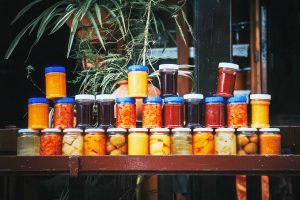
In Cyprus, hospitality often begins with something small, deliberate, and deeply symbolic. Glyko tou koutaliou, the traditional spoon sweet, is offered not as dessert but as a gesture of welcome. Served in a single spoonful with cold water, it reflects patience, respect, and care. Rooted in preservation and shaped by celebration, this quiet tradition links everyday home life with festivals, milestones, and cultural memory across the island. A Welcome Measured in One Spoon Glyko tou koutaliou translates directly as “sweet of the spoon,” but its meaning goes far beyond the words. Unlike jams or spreads, these sweets preserve fruits, peels, nuts, or petals whole, suspended in clear sugar syrup and served in small portions. The act is intentional. A guest…

Read more
Gallery Kypriaki Gonia, Cyprus

Gallery Kypriaki Gonia, Cyprus

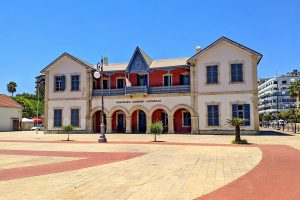
Gallery Kypriaki Gonia stands as one of Larnaca's most established independent art spaces. Located at 45 Stadiou Street in central Larnaca, this gallery has operated continuously since 1993. The name "Kypriaki Gonia" translates to "Cypriot Corner," which accurately reflects its core mission to showcase art by local and international artists. The gallery maintains a focus on both traditional and contemporary artistic approaches, giving visitors exposure to different styles and periods of Cypriot art. Over three decades, the gallery has built a reputation for consistent quality in its exhibition program. It provides a platform where established artists can present major bodies of work and emerging artists can gain visibility. The space operates as a commercial gallery while also functioning as a…

Read more
Greek Independence Day Cyprus

Greek Independence Day Cyprus

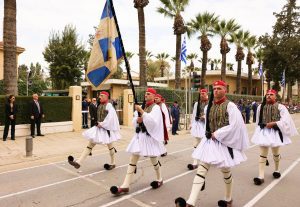
March 25 stands as a major public holiday in Cyprus, commemorating Greek Independence Day alongside the religious Feast of the Annunciation. The day celebrates the beginning of the Greek War of Independence in 1821 when Greeks rose against nearly 400 years of Ottoman rule. For Cyprus, this holiday holds special significance beyond historical solidarity, representing the deep cultural, linguistic, and religious bonds between Greek Cypriots and mainland Greece. The celebration is particularly important for Greek Cypriots, who see parallels between Greece's struggle for freedom and their own fight for independence from British rule that succeeded in 1960. The Historical Background of the Revolution Greece had been under Ottoman control since the mid-15th century when Constantinople fell in 1453. For nearly…

Read more
Governor’s Beach, Cyprus

Governor’s Beach, Cyprus

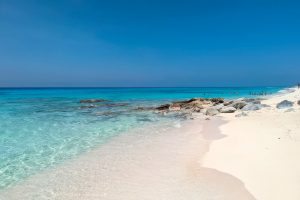
Governor's Beach is actually two connected beaches near Pentakomo village, about ten kilometers east of Limassol. The main section features dark volcanic sand framed by striking white chalk cliffs, while the neighboring Kalymnos beach extends as a narrow sandy strip approximately 200 meters to the west. Together they form a two-kilometer coastline recognized for exceptional water quality and environmental standards. The area sits roughly 40 kilometers west of Larnaca and 30 kilometers east of Limassol, positioned far enough from major tourist strips to maintain a more peaceful character. Historical Background The beach earned its name during British colonial rule when high-ranking officials chose this location for recreational activities. The striking white cliffs and gray sand apparently reminded them of the…

Read more
Maronite Villages of Cyprus

Maronite Villages of Cyprus

The Maronite community of Cyprus represents one of the island's smallest yet most distinctive religious groups, descended from Arab Christians who fled persecution in modern-day Syria and Lebanon starting in the 8th century. Today approximately 7,500 to 10,000 Maronites live on Cyprus, though their numbers have declined dramatically from an estimated 80,000 in the 13th century when they inhabited 60 villages across the island. Four traditional Maronite villages remain: Kormakitis, Asomatos, Agia Marina, and Karpasha, all located in the Turkish-controlled part of Cyprus. These communities maintain unique cultural practices, including speaking Sanna, a critically endangered Arabic dialect that preserves traces of Aramaic and represents one of the world's rarest languages. Four Waves of Migration from the Levant The Maronite presence…

Read more
Marine Conservation Programs

Marine Conservation Programs

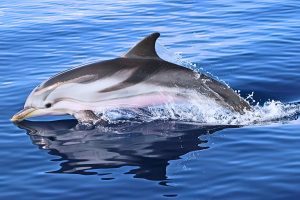
Cyprus sits at the crossroads of the eastern Mediterranean Sea where diverse marine species converge. The island's coastal waters support endangered sea turtles, rare monk seals, extensive seagrass meadows, and dozens of shark and ray species. Marine conservation programs work to protect these ecosystems through scientific research, policy reform, and community engagement. These initiatives span both the government-controlled south and the Turkish-occupied north, with multiple organizations collaborating to safeguard Cyprus's marine biodiversity. A History of Marine Protection Efforts Sea turtle conservation in Cyprus began in 1971 when the government enacted legal protection for turtles and their eggs under the Fisheries Law. A comprehensive survey in 1976 and 1977 identified critical nesting beaches, particularly for green turtles in the Lara area…

Read more
Madari Viewpoint Cyprus Panoramic Views

Madari Viewpoint Cyprus Panoramic Views

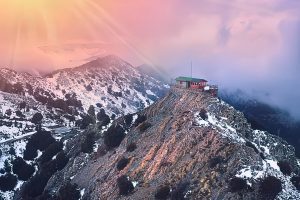
Madari Summit stands at 1,613 metres, securing the spot as the second-highest peak among the mountains in Cyprus. The Madari viewpoint sits atop Mount Adelfoi in the eastern Troodos range, offering unrestricted access to its summit, unlike Mount Olympus, where military installations block the highest point. The fire lookout station at the peak provides 360-degree views that stretch from the Turkish-occupied Pentadaktylos mountains in the north across the Mesaoria plain to the southern coast. Visitors can climb the open tower structure to gain even higher vantage points. The location draws photographers, nature enthusiasts, and hikers who want to experience Cyprus from its most panoramic natural viewpoint without the restrictions that limit access elsewhere in the mountains. Historical Development The Troodos…

Read more
Machairas Monastery

Machairas Monastery

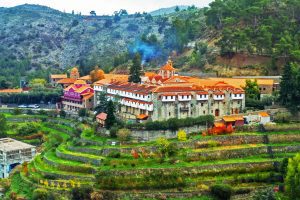
Machairas Monastery, officially known as the Monastery of Panagia Machaira, is a historic monastery located about 40 kilometers from Nicosia in the mountainous interior of Cyprus. Built near Mount Kionia at an elevation of approximately 870 meters, the monastery is surrounded by dense pine forests and overlooks the Pediaios River, the island’s longest waterway. Its fortress-like position on a steep hillside makes it one of the most recognizable monastic sites in Cyprus. Machairas Monastery is considered one of the island’s three most historically significant monasteries alongside Kykkos Monastery and Agios Neophytos Monastery. The monastery historically held stavropegic status, which granted it administrative independence from the Archbishopric of Cyprus. The Discovery of a Sacred Icon According to local tradition, the monastery’s…

Read more
Madari Circular Trail Hiking

Madari Circular Trail Hiking

The Madari Circular Trail starts just outside the village of Kyperounta in the eastern Troodos Mountains and follows a well signed 13 kilometer route with approximately 650 meters of elevation gain through some of the most beautiful scenery the island has to offer. The trail is considered difficult based on the routes available in Cyprus, and the peak of the mountain reaches 1,600 meters. This superb circular trail winds around Madari mountain peak in the Pitsilia area of the Troodos mountain range. The circular hike takes around 4 to 5 hours to complete. The route combines ridge walking with spectacular panoramic views, dense forest passages through the Adelfoi Forest, and unique geological formations. The trail ranks among the most beautiful…

Read more