Cyprus sits at the crossroads of the eastern Mediterranean Sea where diverse marine species converge. The island’s coastal waters support endangered sea turtles, rare monk seals, extensive seagrass meadows, and dozens of shark and ray species. Marine conservation programs work to protect these ecosystems through scientific research, policy reform, and community engagement. These initiatives span both the government-controlled south and the Turkish-occupied north, with multiple organizations collaborating to safeguard Cyprus’s marine biodiversity.
A History of Marine Protection Efforts
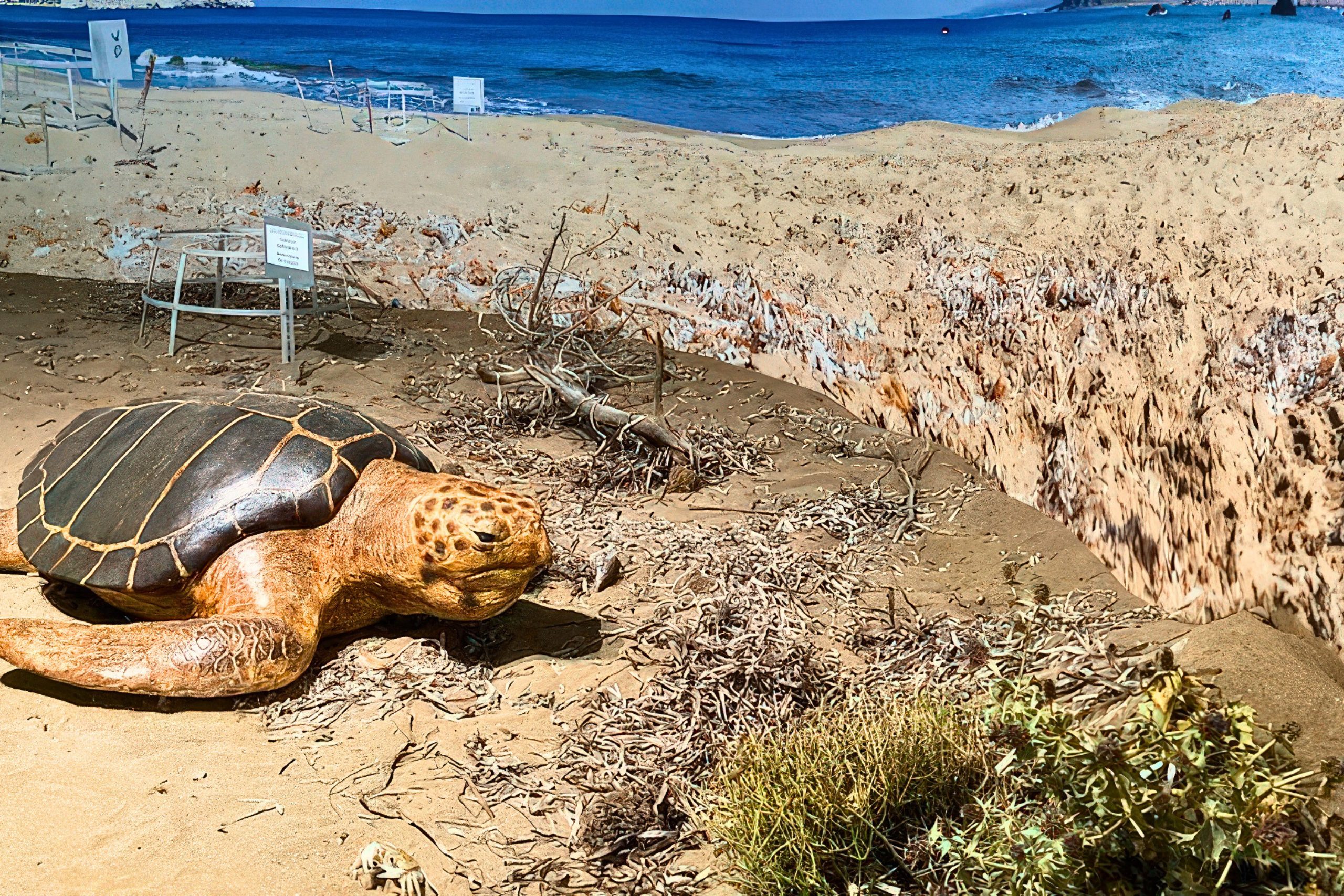
Sea turtle conservation in Cyprus began in 1971 when the government enacted legal protection for turtles and their eggs under the Fisheries Law. A comprehensive survey in 1976 and 1977 identified critical nesting beaches, particularly for green turtles in the Lara area on the west coast. The Cyprus Wildlife Society joined the effort in 1989, and by 1992, the Marine Turtle Conservation Project launched in the Turkish-occupied part of Cyprus through collaboration between the Society for the Protection of Turtles and the University of Exeter.
Marine Protected Areas emerged later as conservation priorities evolved. Since 2009, five coastal MPAs have been established in the Turkish-occupied part of Cyprus, covering approximately 134 kilometers of coastline and 17,596 hectares of marine environment. A 30-year trawling ban in the north created a de facto large marine protected area, allowing ,habitats to recover compared to regions facing industrial fishing pressure. The south designated six Natura 2000 sites that include marine habitats under European Union conservation directives.
Current Conservation Initiatives
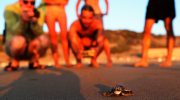
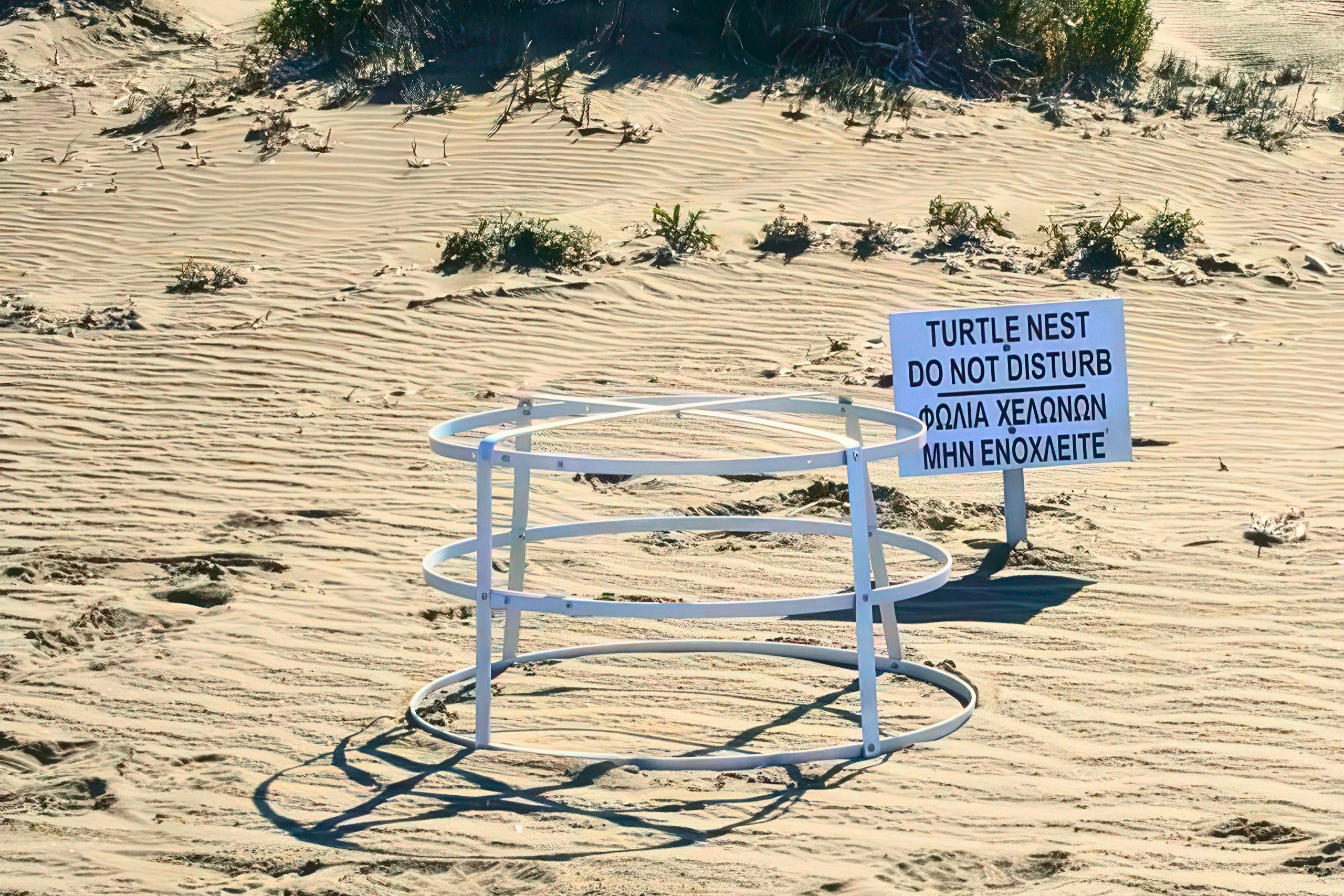
The Marine Turtle Conservation Project remains the longest-running sea turtle program in Turkish-occupied part of Cyprus. Teams screen all nests with protective cages to prevent predation by foxes and stray dogs. Annual monitoring shows that turtle nesting numbers have increased in recent years. Volunteers patrol beaches each morning during the June to August nesting season, document nests, collect biometric data, and excavate hatched nests to release remaining hatchlings.
The Cyprus Turtle Programme operates in the south under the Department of Fisheries and Marine Research, with implementation by the Cyprus Wildlife Society since 2010. Approximately 80 percent of loggerhead nesting and over 90 percent of green turtle nesting occurs in two protected areas, one on the west coast and another in Chrysochou Bay.
Posidonia oceanica seagrass meadows form a belt around Cyprus, occupying about 15 percent of coastal waters to the 50-meter depth mark. These meadows cover approximately 125 square kilometers in government-controlled areas. Recent surveys revealed that Cyprus meadows have the highest shoot densities and possibly the deepest lower limits recorded in scientific literature. The RESPOSCY project, funded by the EU Mission to Restore our Ocean and Waters, focuses on building capacity for seagrass restoration and developing a restoration hub.
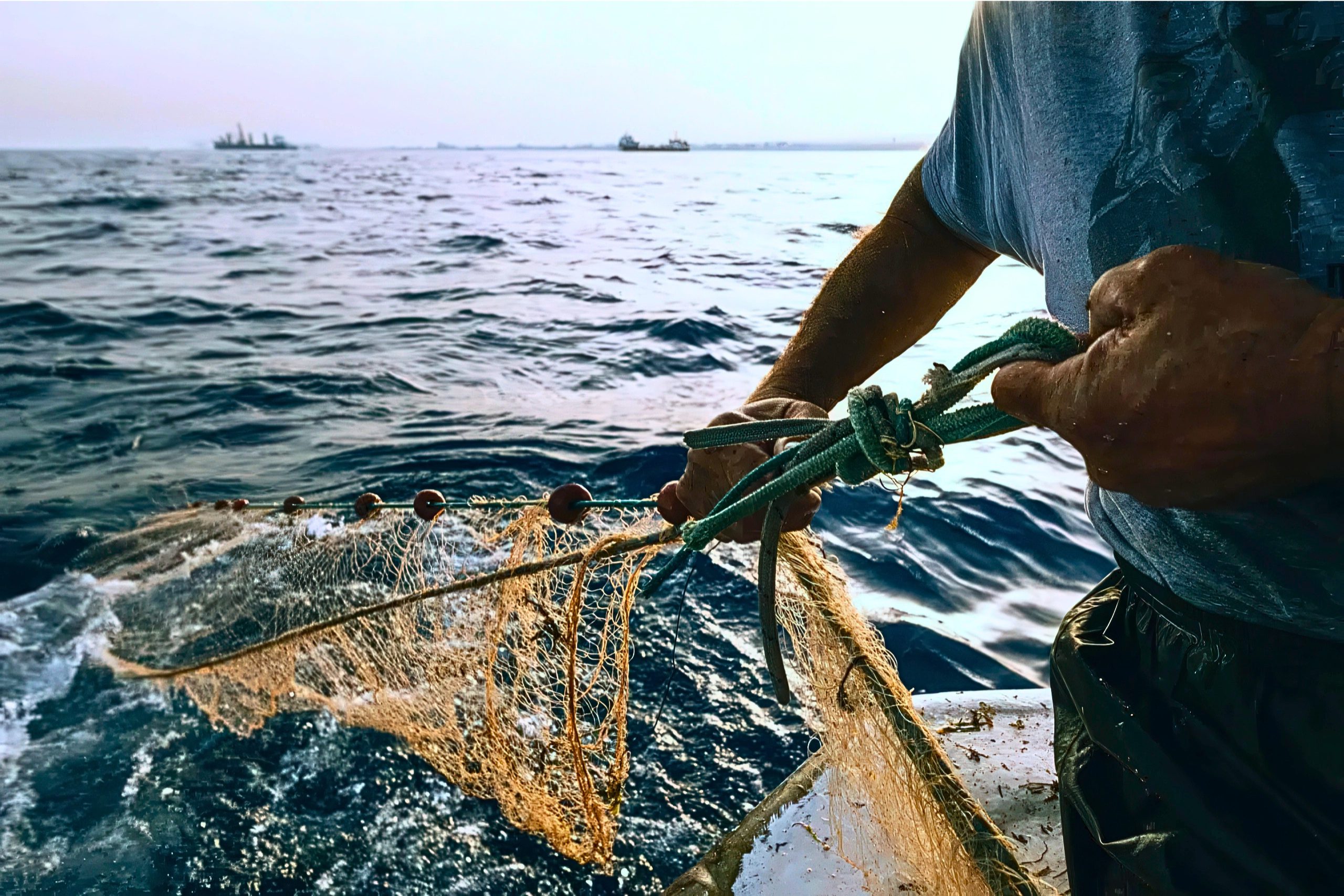
The Cyprus Bycatch Project addresses one of the most serious threats to marine life. Between 2018 and 2022, researchers documented that tens of thousands of elasmobranchs and thousands of sea turtles are caught accidentally each year in fishing gear. Onboard observers recorded 36 species of sharks and rays, with 22 listed as globally threatened on the IUCN Red List. LED lights developed with UK specialists and tested since 2013 reduced green turtle bycatch by 70 percent when attached to fishing nets.
Surprising Marine Conservation Facts
The Turkish-occupied part of Cyprus banned industrial trawling 30 years ago, creating conditions for marine ecosystem recovery. This policy allowed Posidonia meadows, rocky reefs, and sandy bottoms to remain relatively intact compared to other Mediterranean regions.
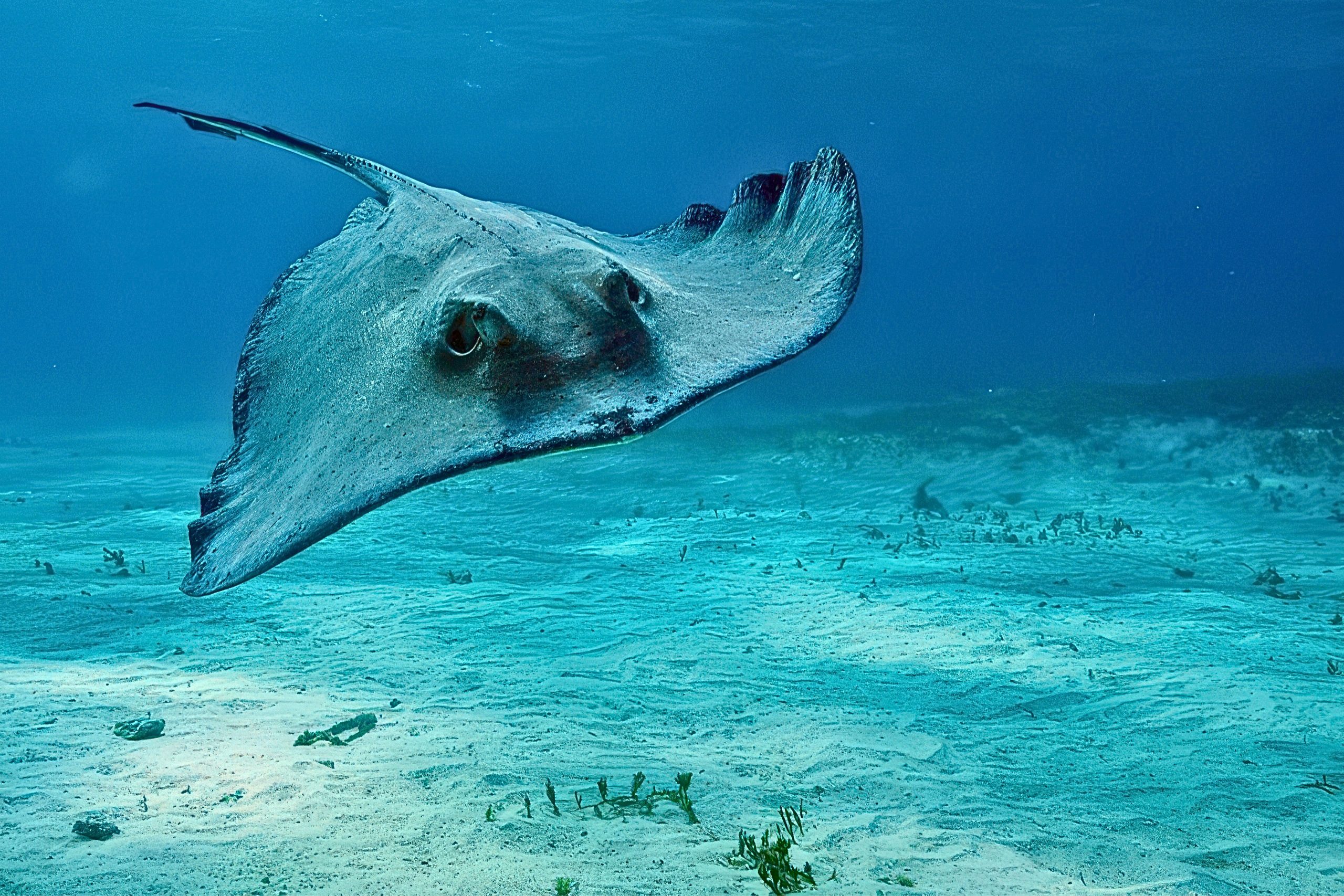
The coastal waters have been identified as a candidate Important Shark and Ray Area due to the diversity of species recorded. First-time records for Turkish-occupied part of Cyprus include multiple elasmobranch species and a leatherback turtle, one of only a few records for the entire island.
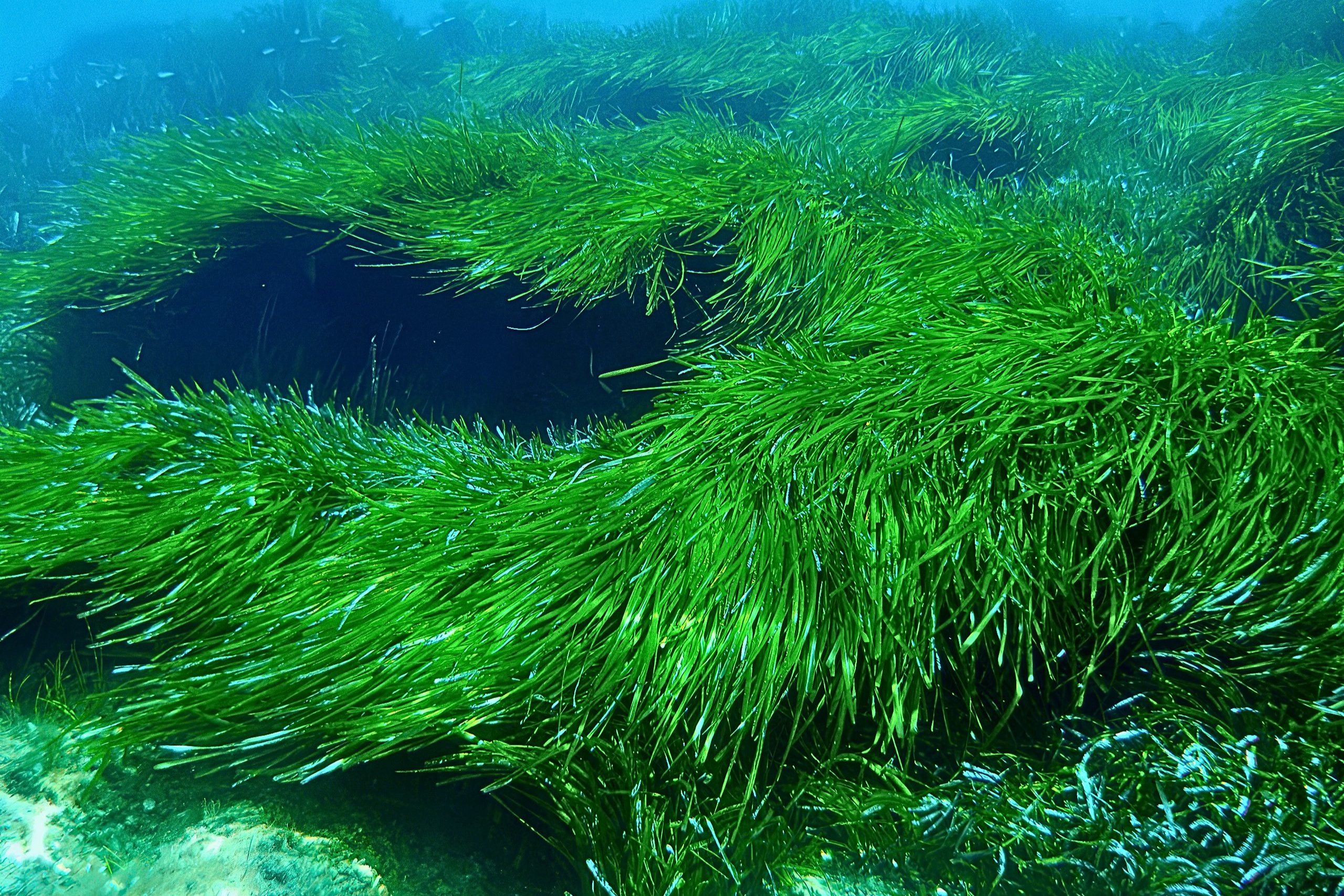
Cyprus seagrass meadows sequester more carbon per area than any other seagrass species. They prevent beach erosion, purify water, recycle nutrients, and provide habitat for thousands of species.
May 2023 marked a conservation milestone when new legislation banned trading of 15 elasmobranch species following research that documented the scale of bycatch. This represented the first comprehensive regulation protecting sharks and rays based on local scientific data.
Research and Monitoring Programs
The Department of Fisheries and Marine Research conducts extensive mapping projects to create high-resolution cartography of marine ecosystems around the entire government-controlled coastline.
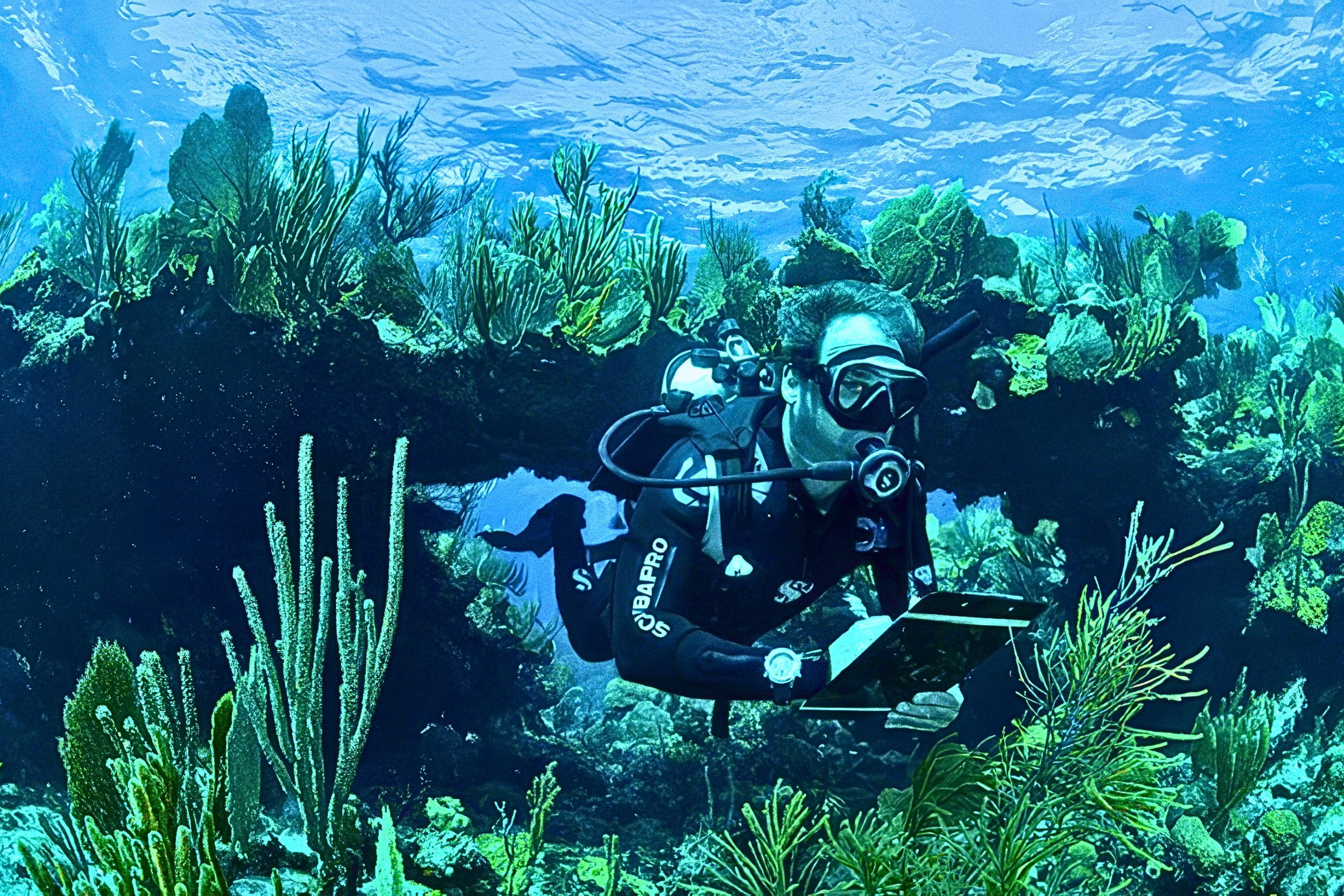
This includes the first studies of underwater caves and detailed assessments of Posidonia meadows, sandbanks with Cymodocea nodosa, and submerged reefs. The work uses remote sensing, acoustic tools, drones, and towed cameras.
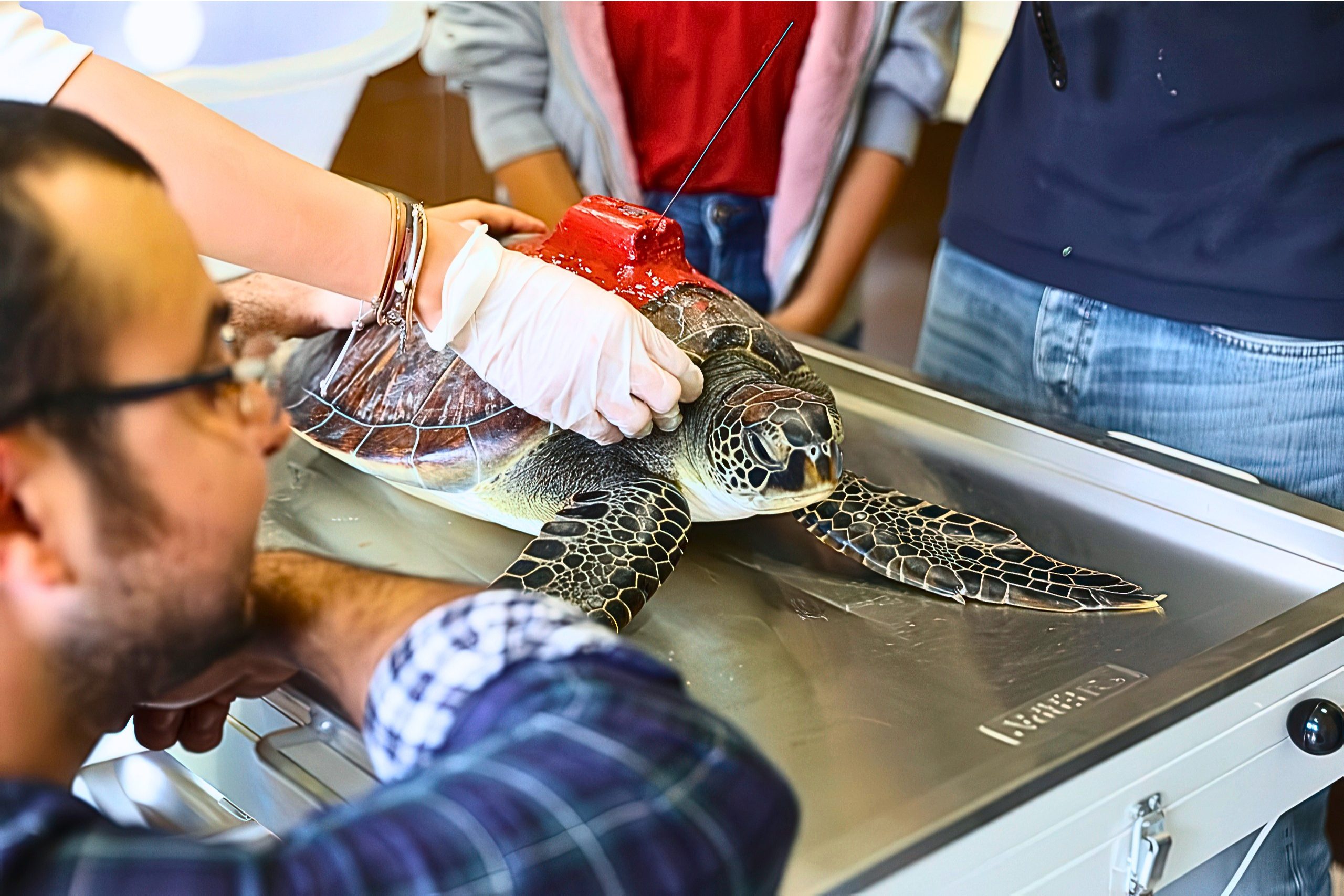
Satellite tracking programs reveal migration routes and feeding grounds. Green turtles tagged in Cyprus have been tracked to distant foraging areas across the Mediterranean. Research on plastic ingestion by juvenile turtles caught in fishing nets documented chronic consumption of marine plastics, results that influenced global policy discussions on ocean plastic pollution.
The LIFE EUROTURTLES program operated from 2018 to 2021 across Italy, Slovenia, Croatia, Greece, Malta, and Cyprus. The project developed snapshot GPS systems that transmit location data when turtles surface. Cyprus maintains a 24-hour rescue hotline for injured or stranded sea turtles, with a treatment center at the Cyprus Marine Aquaculture Research Centre in Larnaca.
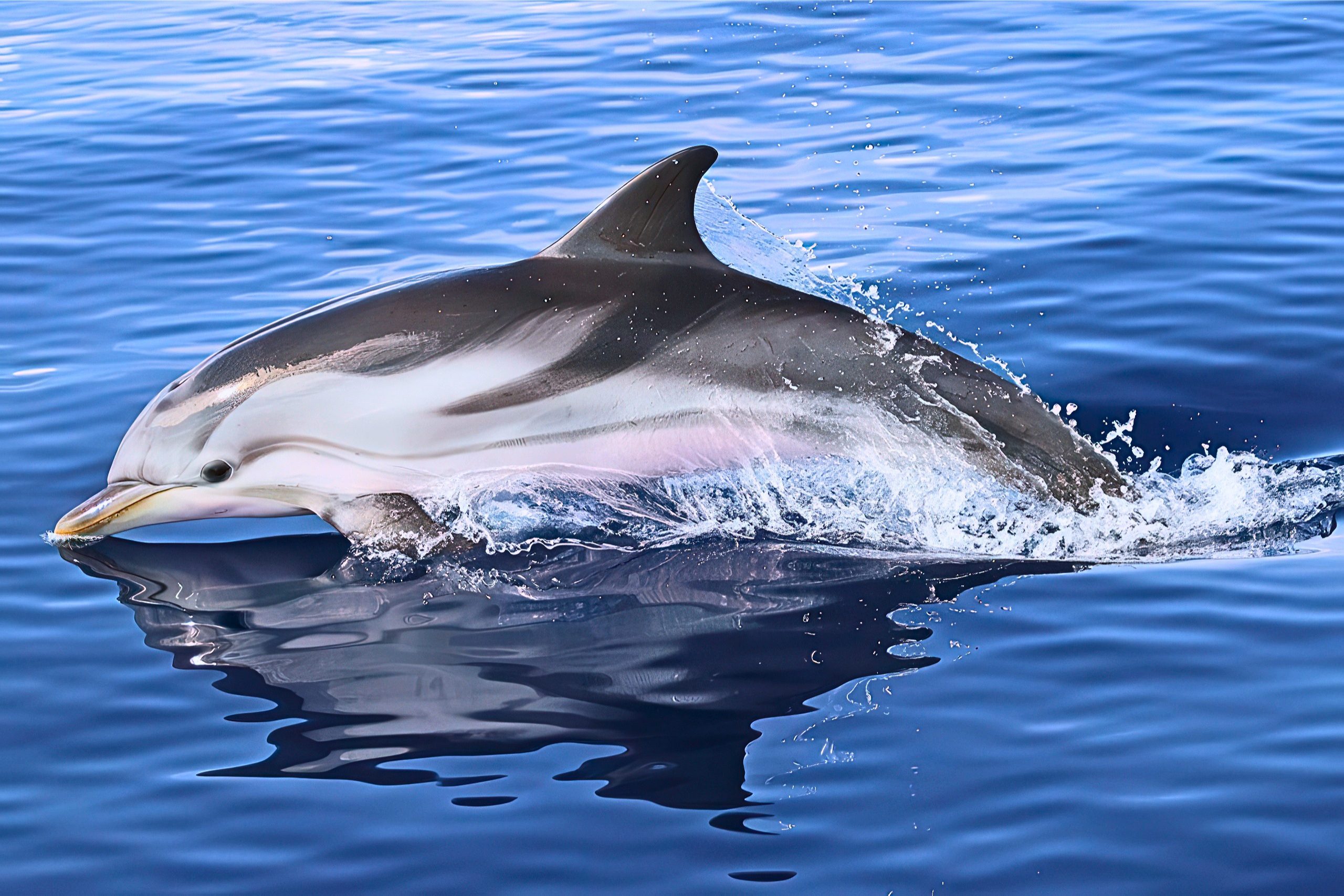
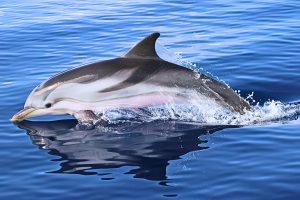
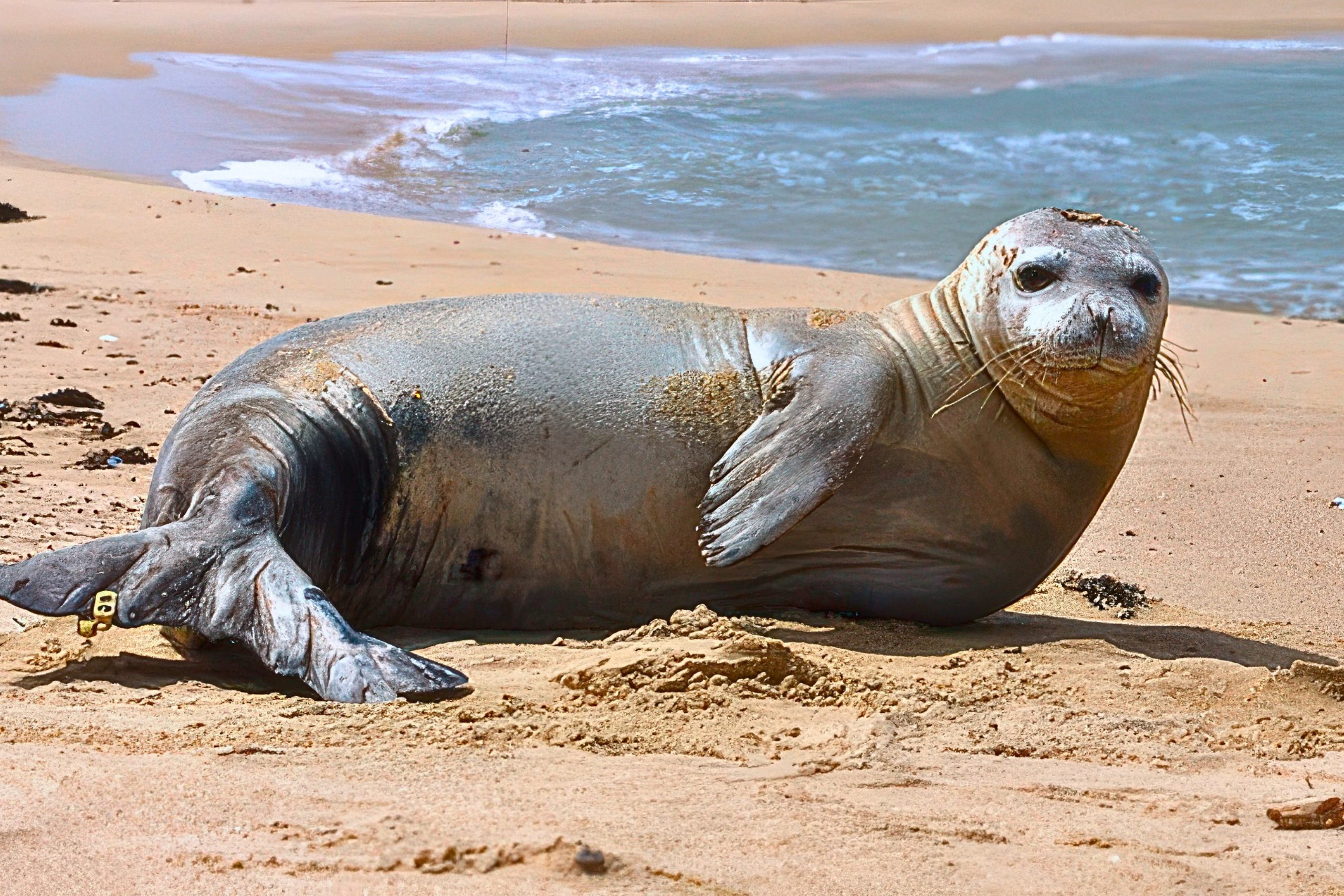
Cetacean surveys use low-noise vessels equipped with acoustic hydrophones to detect dolphins, sperm whales, and beaked whales. Research has documented bottlenose dolphins and striped dolphins in Cyprus waters. The area around Cyprus has been recognized as an Important Marine Mammal Area due to occasional monk seal breeding confirmation.
Modern Conservation Challenges and Solutions
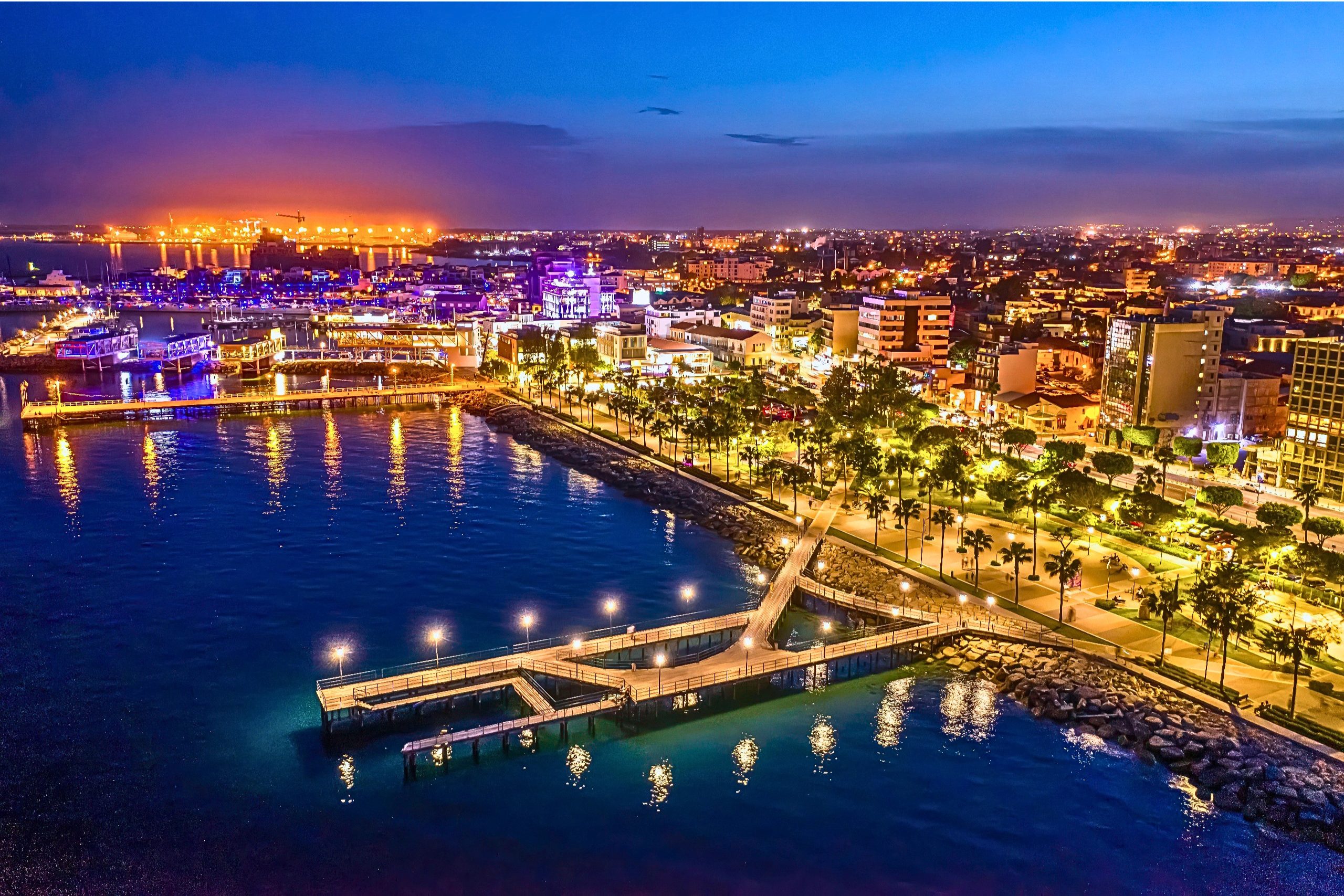
Tourism development and coastal construction threaten nesting beaches and marine habitats. Recent hotel and housing projects in the Iskele region were completed without environmental impact assessments despite being behind kilometers of turtle nesting beaches. Light pollution from coastal walkways and buildings disorients hatchlings.
Climate change increases water temperatures and alters marine ecosystems. Rising temperatures may benefit some species but disrupt others adapted to cooler conditions. Conservation programs now incorporate climate resilience planning.
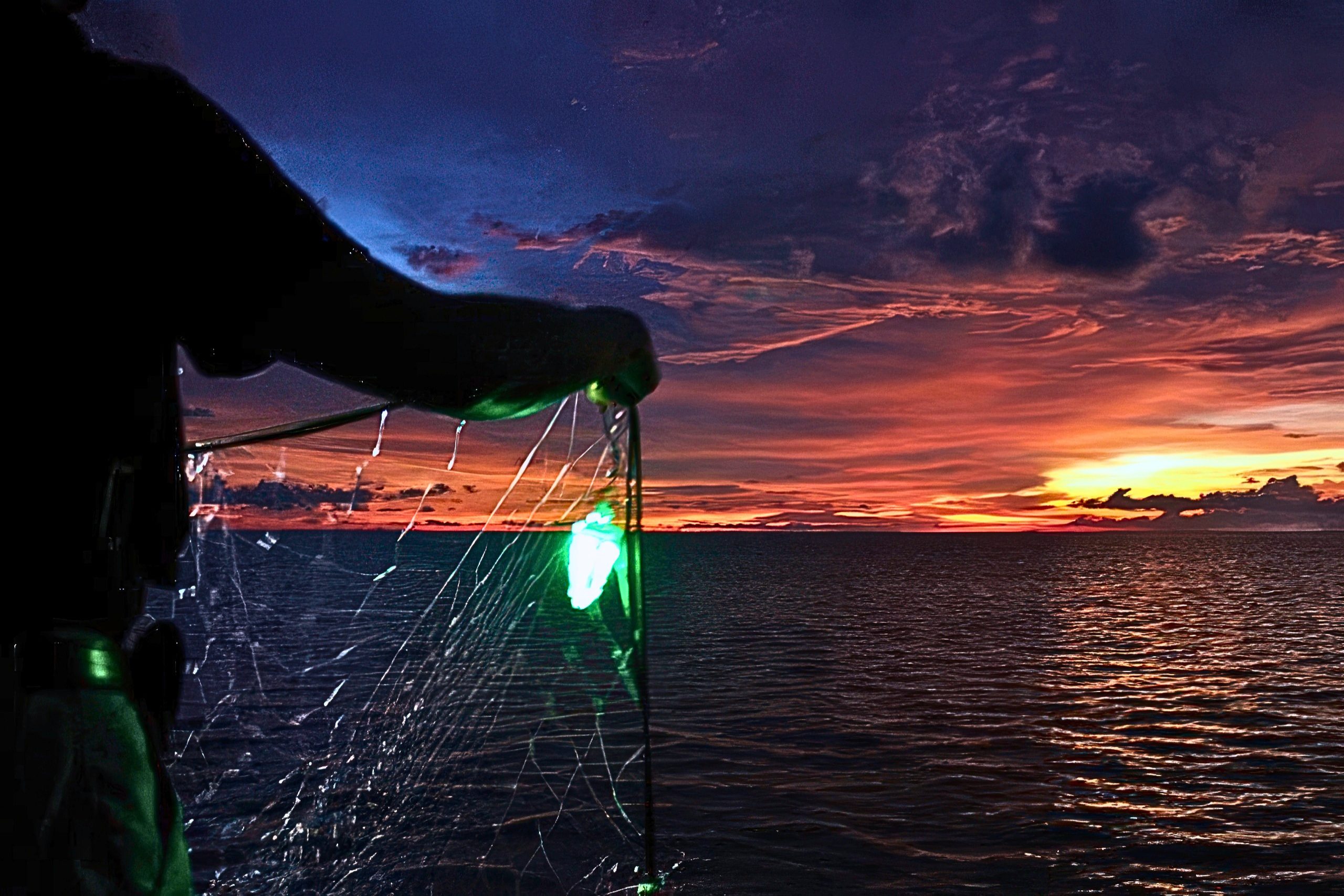
Small-scale fisheries co-management represents a new approach to reducing bycatch while supporting fishing communities. Cooperatives receive patrol vessels, equipment, and training for rangers to monitor fishing grounds against illegal activity. Fishers receive education on safe handling and release techniques for threatened species. The project distributes thousands of LED lights under controlled trial conditions and promotes pescatourism as an alternative income source.
The LIFE PROMETHEUS project operates across 12 Mediterranean biodiversity hotspots, including Cyprus. The initiative provides electric and magnetic deterrent technologies, promotes harvesting of invasive alien species as alternatives to native fish, and develops responsible ecotourism activities such as diving with sharks and rays.
The Value of Marine Conservation for Cyprus
Marine ecosystems provide essential services beyond biodiversity protection. Posidonia meadows stabilize sediments, reducing coastal erosion that threatens beaches and infrastructure. Healthy fish populations support commercial and artisanal fisheries that provide livelihoods for coastal communities.
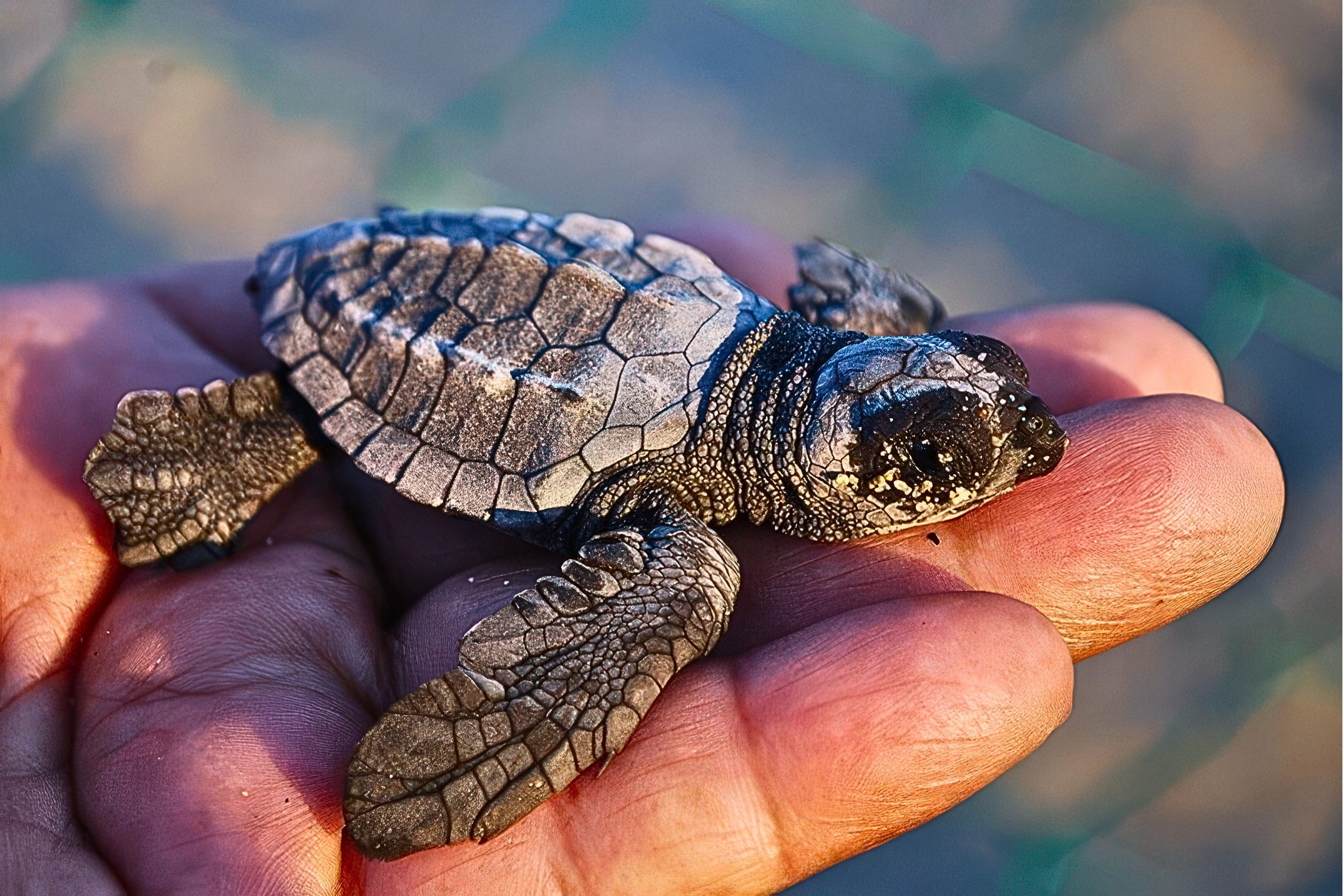
Sea turtles attract ecotourism revenue and enhance the island’s reputation as a destination that values natural heritage. Research programs position Cyprus as a leader in Mediterranean marine conservation, fostering international partnerships and scientific collaboration.
Conservation success stories demonstrate that recovery is possible when communities, scientists, and authorities work together. Rising turtle nesting numbers prove that protective measures deliver results. The transition from viewing marine species as bycatch to protecting them through legislation shows how research translates into policy change. Cyprus’s marine conservation programs preserve irreplaceable species while creating models that other Mediterranean nations can adapt, ensuring that future generations inherit healthy, productive ocean ecosystems.