All Articles

Cyprus Valleys Summer Guide

Cyprus Valleys Summer Guide

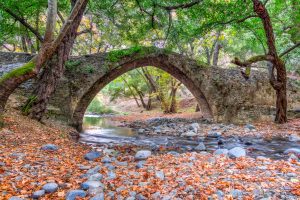
When summer temperatures on coastal Cyprus climb past 40 degrees Celsius, the mountain valleys offer something different. These elevated landscapes carved into the Troodos Mountains maintain temperatures 10 to 15 degrees cooler than the scorching lowlands. The valleys provide more than comfortable weather. They create microclimates where fruit trees thrive, rivers flow year-round, and villages preserve centuries of mountain culture. Temperature drops about 5 degrees Celsius for every 1,000 meters of elevation gained. In July and August, when lowland areas reach 34 to 40 degrees, the mountain valleys average 28 degrees at their highest points. Night temperatures fall to comfortable levels, often 10 degrees cooler than daytime peaks. This temperature difference transforms the valleys into natural air conditioning systems for…

Read more
Cyprus Woodland Areas Pine Cedar Dominance

Cyprus Woodland Areas Pine Cedar Dominance

Cyprus stands as the third-largest island in the Mediterranean Sea, covering 9,251 square kilometers of diverse landscapes. The island's woodlands represent roughly 19 percent of its total land cover, a significant portion that plays a vital role in carbon storage, oxygen production, and temperature regulation. These forests divide into distinct zones based on altitude, climate, and soil composition, with coniferous species dominating the higher elevations and mixed Mediterranean vegetation covering the lowlands. The Mountain Ranges and Their Forests The Troodos Mountains rise in the southwest, with Mount Olympus (also called Chionistra) reaching 1,952 meters at its peak. The Kyrenia Mountains stretch along the northeastern coast, forming a lower but equally important range. Between these two mountain systems lies the Mesaoria…

Read more
Dasoudi Beach Limassol

Dasoudi Beach Limassol

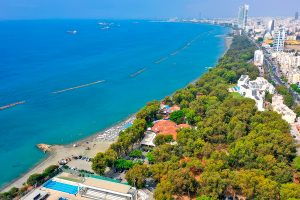
Dasoudi Beach extends one kilometer along the Limassol coastline in Germasogeia, approximately 3.5 kilometers east of the city center. The beach is the only one in Cyprus which, despite proximity to the city center, boasts rich greenery that reaches all the way down to the sandy coast. The name Dasoudi translates from Greek as little forest, referring to the park's ambiance created by dense eucalyptus and pine groves. This urban beach combines standard Mediterranean beach facilities with unusual additions including an Olympic-size swimming pool and a forested park that provides natural shade and scenic walking paths just meters from the waterline. Historical Background Dasoudi Park was established in the mid-20th century as part of a greening initiative in Limassol. City…

Read more
Deneia Necropolis Cyprus Bronze Age Site

Deneia Necropolis Cyprus Bronze Age Site

Just southeast of the modern village of Deneia in the Nicosia district lies one of Cyprus's most significant Bronze Age burial grounds. This ancient necropolis contains over 1,250 tombs that document nearly a thousand years of funerary practice, from approximately 2500 BCE through 1650 BCE, making it among the most extensively used cemeteries in prehistoric Cyprus. The Deneia necropolis represents an extraordinary concentration of chamber tombs carved into natural rock during the Early and Middle Bronze Age periods. Unlike many smaller cemeteries scattered across Cyprus that served individual villages, Deneia appears to have functioned as a regional burial ground that drew communities from a wider area. The tombs follow the standard Bronze Age design, with a dromos or entrance passage…

Read more
Environmental Awareness and Eco Trails

Environmental Awareness and Eco Trails

Cyprus has transformed itself into a model for environmental education and sustainable tourism across the Mediterranean region. The island maintains a network of 52 designated nature trails covering 319.6 kilometers through national forests, complemented by 47 additional trails outside protected areas, for a total of 99 marked routes accessible to visitors. These paths connect to specialized environmental education centers, green certification programs, and conservation initiatives that demonstrate how tourism and environmental protection can support each other. The Department of Forests developed the initial network of nature trails to offer direct contact with Cypriot nature while serving environmental education, general information, and physical exercise. These trails span three major regions: the Akamas Peninsula, Troodos Mountains, and Cape Greco National Forest Park.…

Read more
Ethnographic Costume Museum (Lefkara)

Ethnographic Costume Museum (Lefkara)

The Museum of Traditional Embroidery and Silversmith-work in Lefkara preserves Cyprus's most celebrated handicrafts within the walls of a 19th-century mansion. Located in the village of Pano Lefkara, approximately 45 kilometres from both Larnaca and Limassol, this museum documents the artisan traditions that sustained the community and brought international recognition to a small mountain settlement. Historical Background The museum occupies the House of Patsalos, named after the wealthy family that once owned this substantial white limestone residence. The house itself represents the prosperity that embroidery and silversmithing brought to Lefkara during its economic peak. The Patsalos family began accumulating wealth in the mid-19th century under Michalis Patsalos, who established the family's various business interests. Beyond producing Lefkara lace and metalwork,…

Read more
Troodos Pine Cedar Forests

Troodos Pine Cedar Forests

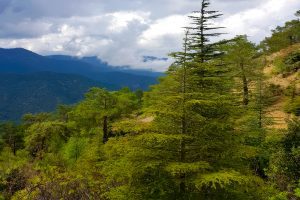
Mediterranean Pine and Cedar Forests (Troodos) consist of high-altitude woodlands in Cyprus's central mountains, featuring endemic tree species that play a crucial role in soil conservation and provide habitats for unique fauna. These forests, dominated by black pine and Cyprus cedar, cover about 18% of the island and support a diverse ecosystem adapted to the Troodos's alpine conditions. They represent a vital natural legacy, where ancient trees anchor the landscape against erosion while sheltering species found nowhere else on Earth. A Timeless Woodland in the Highlands The Mediterranean pine and cedar forests of Troodos form a distinctive high-altitude ecosystem, where dense stands of conifers create a canopy that moderates the island's climate and nurtures biodiversity. Rising from 1,200 to 1,952…

Read more
Nea Paphos Ancient Capital of Roman Cyprus

Nea Paphos Ancient Capital of Roman Cyprus

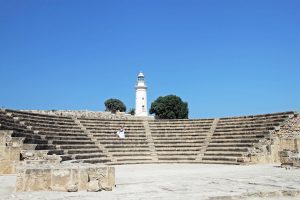
Nea Paphos occupies a coastal plain on the southwestern shore of Cyprus, adjacent to the modern city of Paphos. Founded in the 4th century BC by Nikokles, the last king of nearby Palaipaphos, Nea Pafos then went from strength to strength, particularly under the Ptolemaic kingdom from the 3rd century BC. The city was located on a peninsula surrounded by a natural bay and between the two small hills called Fanari and Fabrika. Nea Paphos was founded at the turn of the 4th and 3rd century BC as an important harbour located on the sea trade route from Rhodes to Alexandria. Thanks to its strategic location, from the 2nd century BC Nea Paphos became the capital of Cyprus and the…

Read more
Phyti Weaving Tradition

Phyti Weaving Tradition

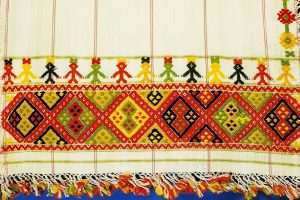
Phyti Weaving Tradition is a distinctive Cypriot craft originating from the village of Phyti, involving highly symbolic woven textiles characterized by bright colors and ritual motifs, originally created for dowries and ceremonial purposes. This handmade art form uses intricate patterns on cotton or linen fabrics to convey themes of protection, fertility, and harmony, passed down through generations of female artisans. Recognized as part of Cyprus's intangible cultural heritage, it embodies the island's blend of ancient symbolism and practical beauty, preserving a legacy of women's creativity in rural life. A Timeless Craft of Color and Symbol Phyti weaving stands as a vibrant expression of Cypriot textile heritage, where artisans produce fabrics adorned with geometric designs and bold hues that hold deep…

Read more