In Cyprus, hospitality often begins with something small, deliberate, and deeply symbolic. Glyko tou koutaliou, the traditional spoon sweet, is offered not as dessert but as a gesture of welcome. Served in a single spoonful with cold water, it reflects patience, respect, and care.
Rooted in preservation and shaped by celebration, this quiet tradition links everyday home life with festivals, milestones, and cultural memory across the island.
- A Welcome Measured in One Spoon
- Preservation That Became Tradition
- Why Spoon Sweets Matter in Cypriot Culture
- Ingredients Guided by Season and Place
- The Craft Behind the Sweetness
- Regional Identities Preserved in Syrup
- Dessert Festivals as Living Heritage
- Sweets That Mark Life’s Milestones
- The Ritual of Serving
- Tradition in a Modern Context
- What Visitors Experience
- A Taste That Tells a Story
A Welcome Measured in One Spoon
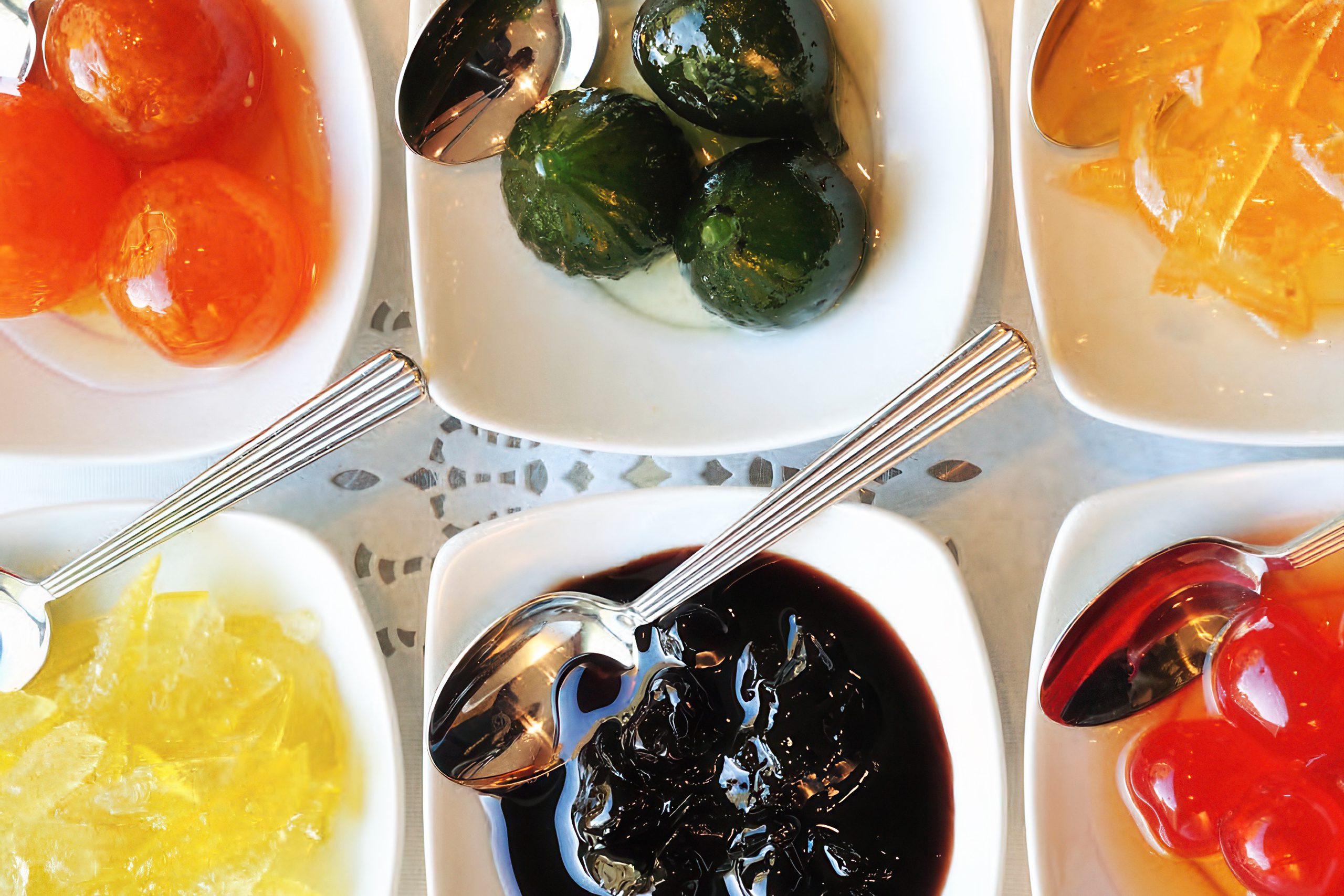
Glyko tou koutaliou translates directly as “sweet of the spoon,” but its meaning goes far beyond the words. Unlike jams or spreads, these sweets preserve fruits, peels, nuts, or petals whole, suspended in clear sugar syrup and served in small portions.
The act is intentional. A guest is not given abundance but attention. One spoonful is enough to signal generosity without excess. In Cypriot homes, this offering often comes before conversation, setting the tone for hospitality built on respect rather than display.
Preservation That Became Tradition
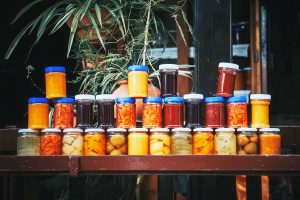
The origins of glyko tou koutaliou lie in necessity. Before refrigeration, Cypriot households preserved seasonal produce to ensure nothing went to waste. Sugar, honey, or grape must extended the life of fruits harvested at their peak.
Over time, preservation turned into refinement. Families developed techniques that favored texture, clarity, and balance. What began as practical food storage gradually evolved into a ceremonial offering, prepared not for everyday consumption but for moments that mattered: guests, celebrations, and social bonds.
Why Spoon Sweets Matter in Cypriot Culture
Offering glyko tou koutaliou is closely tied to the concept of philoxenia, the love of welcoming others. This practice is not reserved for formal occasions. Visitors, neighbors, and even unexpected callers are traditionally received with a spoonful of sugar.
Accepting it completes a shared ritual. The host demonstrates care through preparation, while the guest acknowledges that effort through acceptance. In many households, the quality of spoon sweets once reflected a family’s patience and pride, as successful preparation required time, skill, and restraint.
Ingredients Guided by Season and Place
Almost anything edible can become a spoon sweet if handled carefully, but ingredient choice is never random. Timing and texture matter as much as flavor.
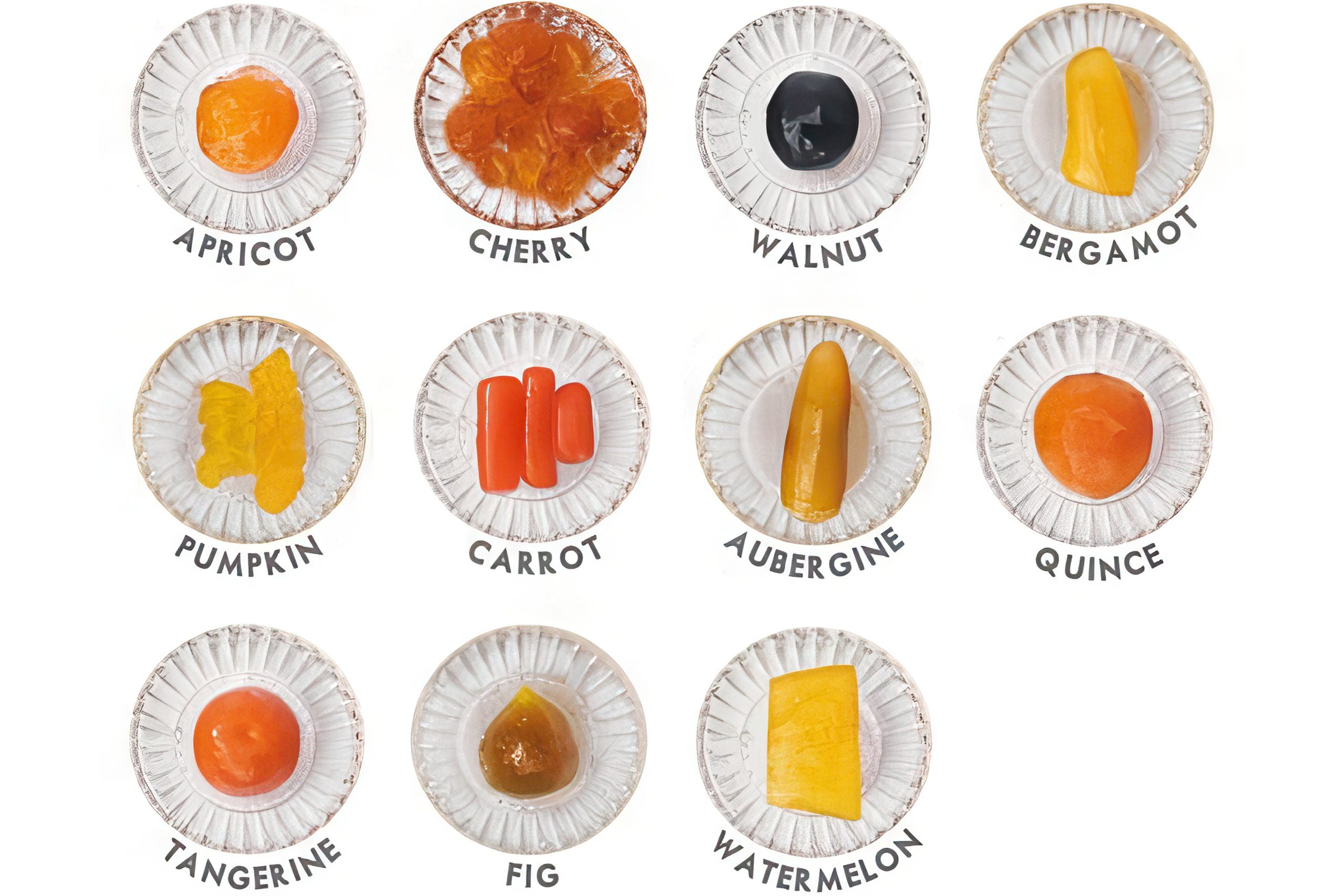
Common varieties include:
- Cherries, figs, grapes, and quinces
- Citrus peels such as orange, bergamot, and citron
- Watermelon rind, pumpkin, and white aubergine (eggplant)
- Walnuts, almonds, olives, and rose petals
Fruits are often harvested before full ripeness to ensure they retain structure during the long candying process. What emerges is not softness, but balance, firm on the outside, tender within.
The Craft Behind the Sweetness
Making glyko tou koutaliou is a slow process. Some ingredients are soaked for days to remove bitterness. Others are treated with natural lime solutions to create a crisp outer layer without hardening the interior.
Syrup is built gradually through repeated simmering rather than rushed boiling. Lemon juice is added late to preserve clarity and prevent crystallization. Aromatics such as cinnamon, cloves, or rose geranium leaves may be introduced sparingly, enhancing rather than overpowering the fruit. The result is not meant to impress through intensity, but through restraint.
Regional Identities Preserved in Syrup
Different regions of Cyprus are associated with distinct spoon sweets, shaped by local crops, climate, and long-standing agricultural traditions.
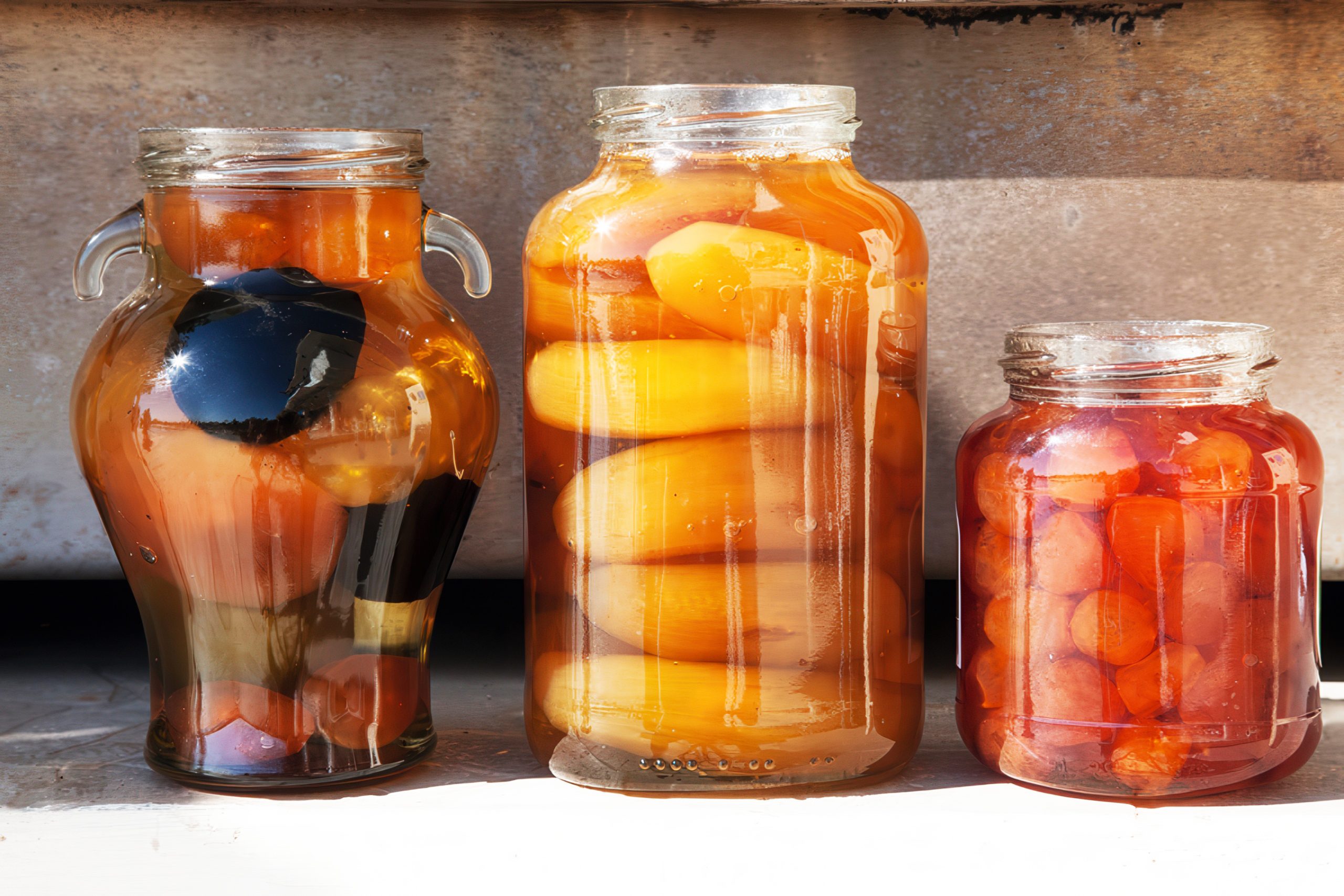
These regional variations reflect how geography influences both flavour and cultural identity, turning each sweet into a marker of place.
Mountain Villages
Higher-altitude villages in the Troodos range favour fruit and flower varieties that thrive in cooler climates. Agros is closely linked to rose petal spoon sweets made from Damask roses harvested each spring, while Kyperounda is known for apple and cherry varieties characterised by bright colour and firm texture. Walnut spoon sweets from Marathasa and Trimiklini are often delicately spiced with cloves, reflecting both local harvest patterns and inherited household techniques.
Coastal and Lowland Areas
Warmer coastal and lowland regions produce citrus and rind-based sweets that take advantage of long growing seasons. Bitter orange, bergamot, and grapefruit peel are common, while watermelon rind sweets, especially in villages around Paphos, demonstrate a tradition of zero-waste preservation. In each area, local specialties are treated as points of pride, often transmitted through family practice rather than written recipes.
Dessert Festivals as Living Heritage
Festivals play a crucial role in keeping glyko tou koutaliou visible beyond private homes. These gatherings transform domestic knowledge into shared cultural experience, allowing visitors and younger generations to observe techniques that might otherwise remain confined to household kitchens.
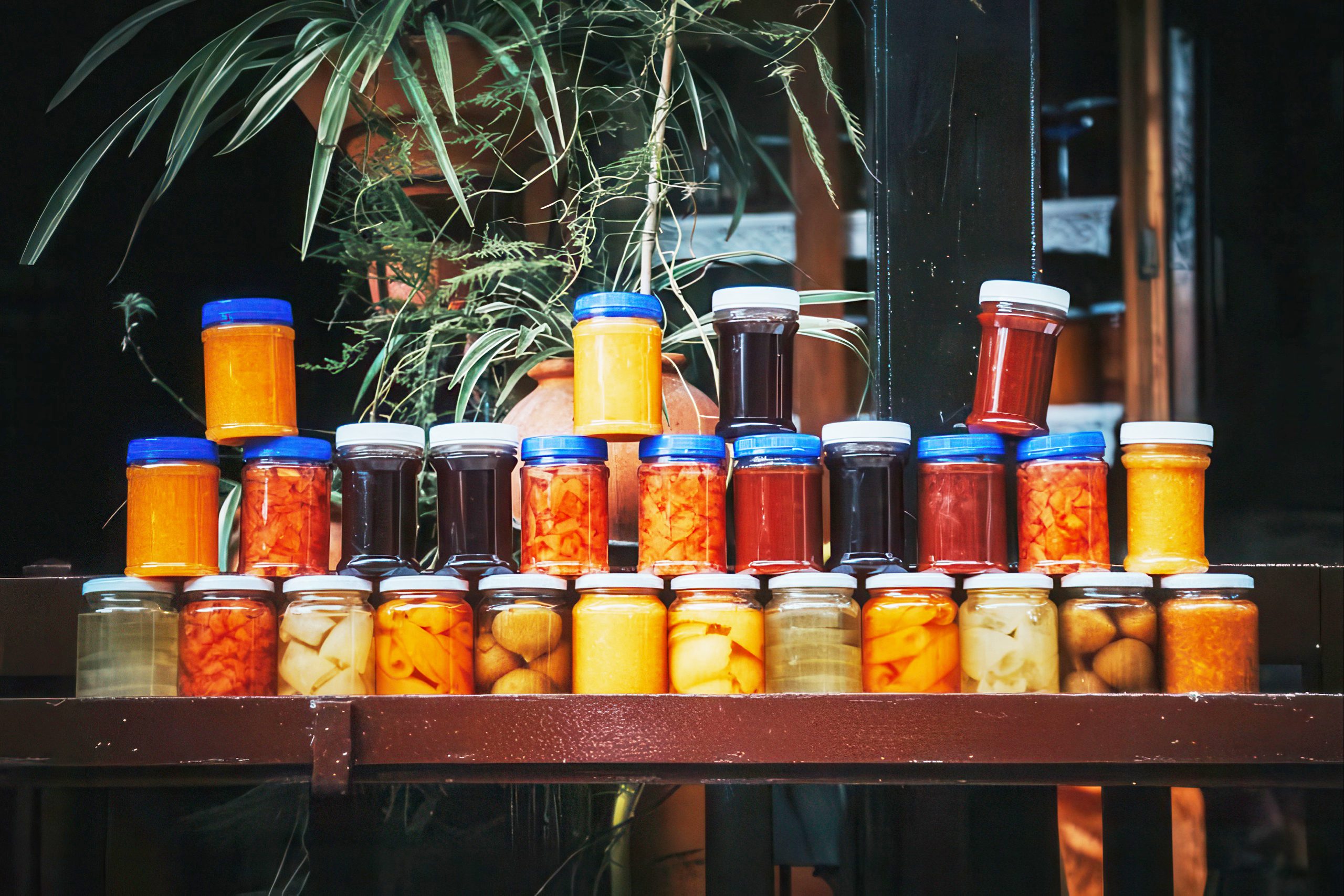
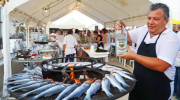
Seasonal spoon sweet festivals in villages such as Kakopetria invite visitors to watch preparation methods, sample different varieties, learn about ingredient selection, and speak directly with local producers. Other celebrations focus on harvests that later become sweets, including rose festivals in Agros, walnut festivals in mountain communities, and citrus festivals in coastal areas. These events connect agriculture, memory, and tourism in a continuous cultural cycle rather than separating tradition from contemporary life.
Sweets That Mark Life’s Milestones
Beyond festivals, spoon sweets play a symbolic role in major life events. At weddings, they represent abundance and continuity. At christenings, they are offered as blessings for new life. During engagements, families exchange sweets as gestures of unity, while religious holidays such as Easter and Christmas are accompanied by shared desserts that reinforce communal bonds. In each context, sweetness signifies care and respect rather than indulgence.
The Ritual of Serving
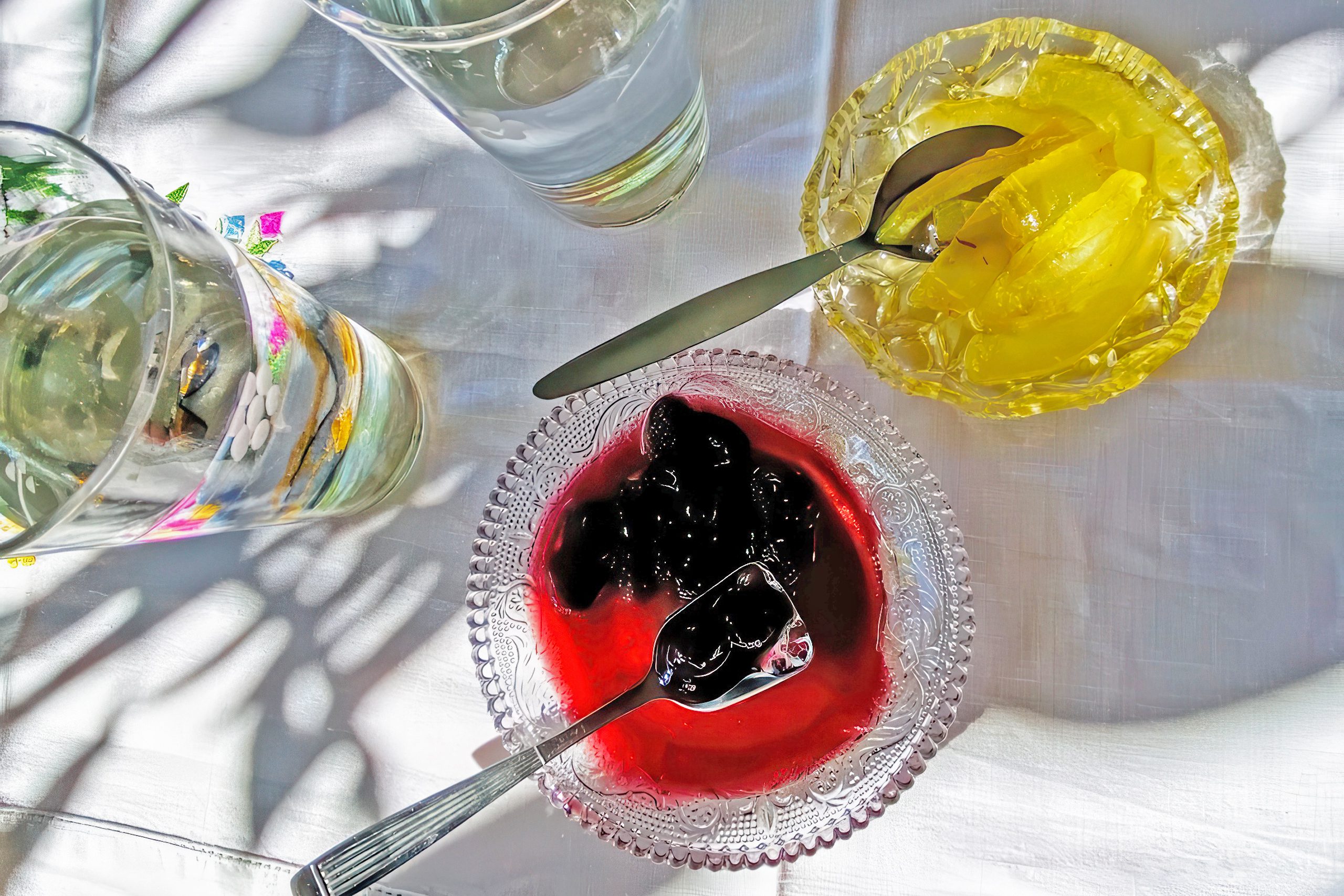
Serving glyko tou koutaliou follows a quiet and deliberate ritual. A single spoonful is placed in a small dish, often crystal or porcelain, accompanied by a glass of cold water and sometimes a cup of Cypriot coffee to balance the sweetness.
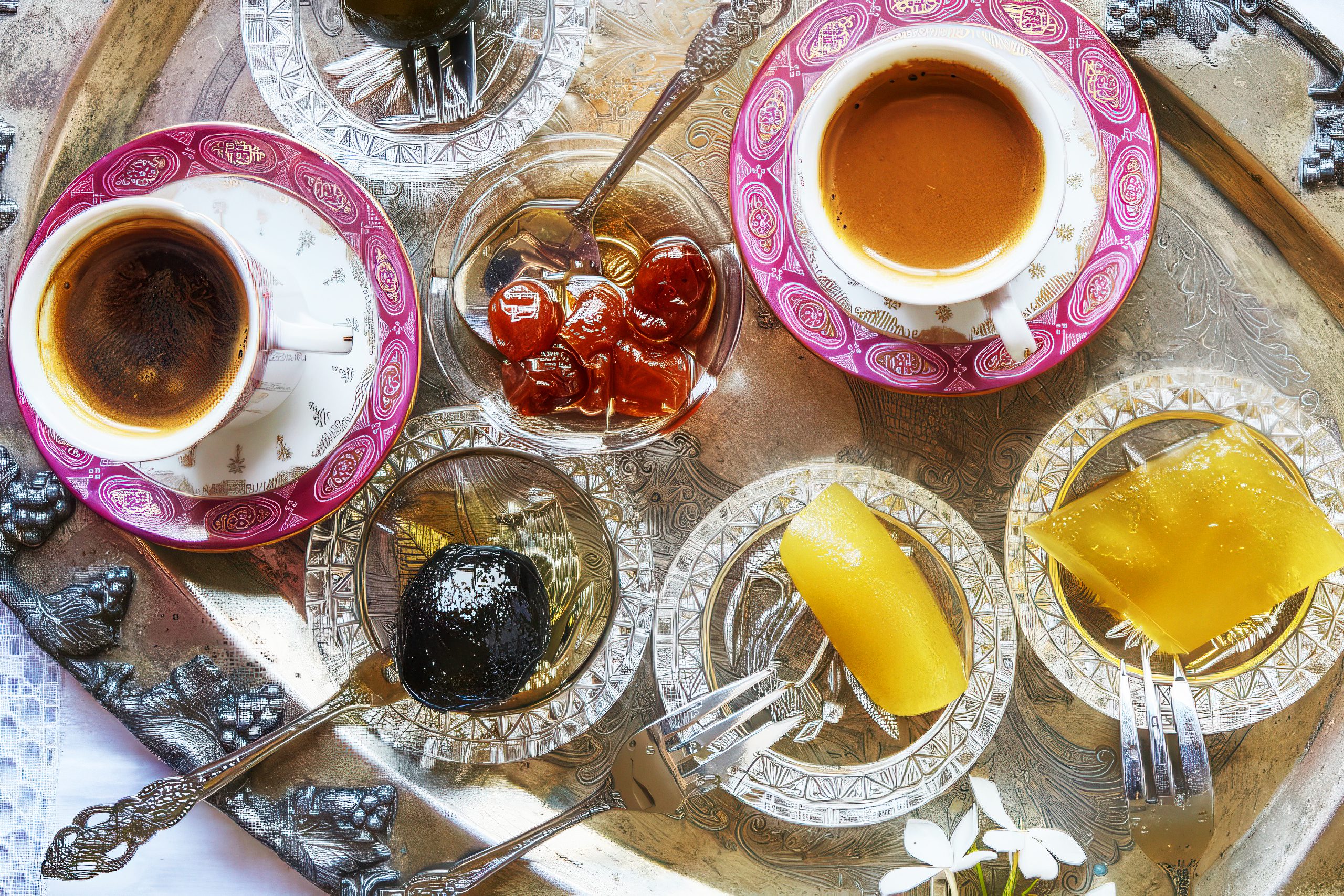
Guests traditionally respond with words that praise the host’s hands, acknowledging the time and patience invested in preparation. The exchange is brief, but it carries social meaning that extends beyond the food itself.
Tradition in a Modern Context
Today, spoon sweets continue to evolve while remaining anchored in tradition. They appear in village cafés, cooperative shops, and contemporary kitchens, sometimes paired with yogurt, cheeses, or savoury dishes. Carefully packaged varieties are also sold as cultural souvenirs, bridging domestic practice with tourism and small-scale enterprise.
Women’s cooperatives play a central role in preserving traditional methods while complying with modern food safety standards. Younger chefs reinterpret spoon sweets in innovative contexts without stripping them of their cultural essence, demonstrating how heritage can adapt without losing authenticity.
What Visitors Experience
Travellers often encounter glyko tou koutaliou unexpectedly in homes, guesthouses, and village restaurants, where the offering introduces a moment of calm and attention within social interaction. At dessert festivals and community events, visitors gain deeper insight into how food connects Cypriots to land, seasonality, and memory, transforming a simple sweet into a cultural narrative.
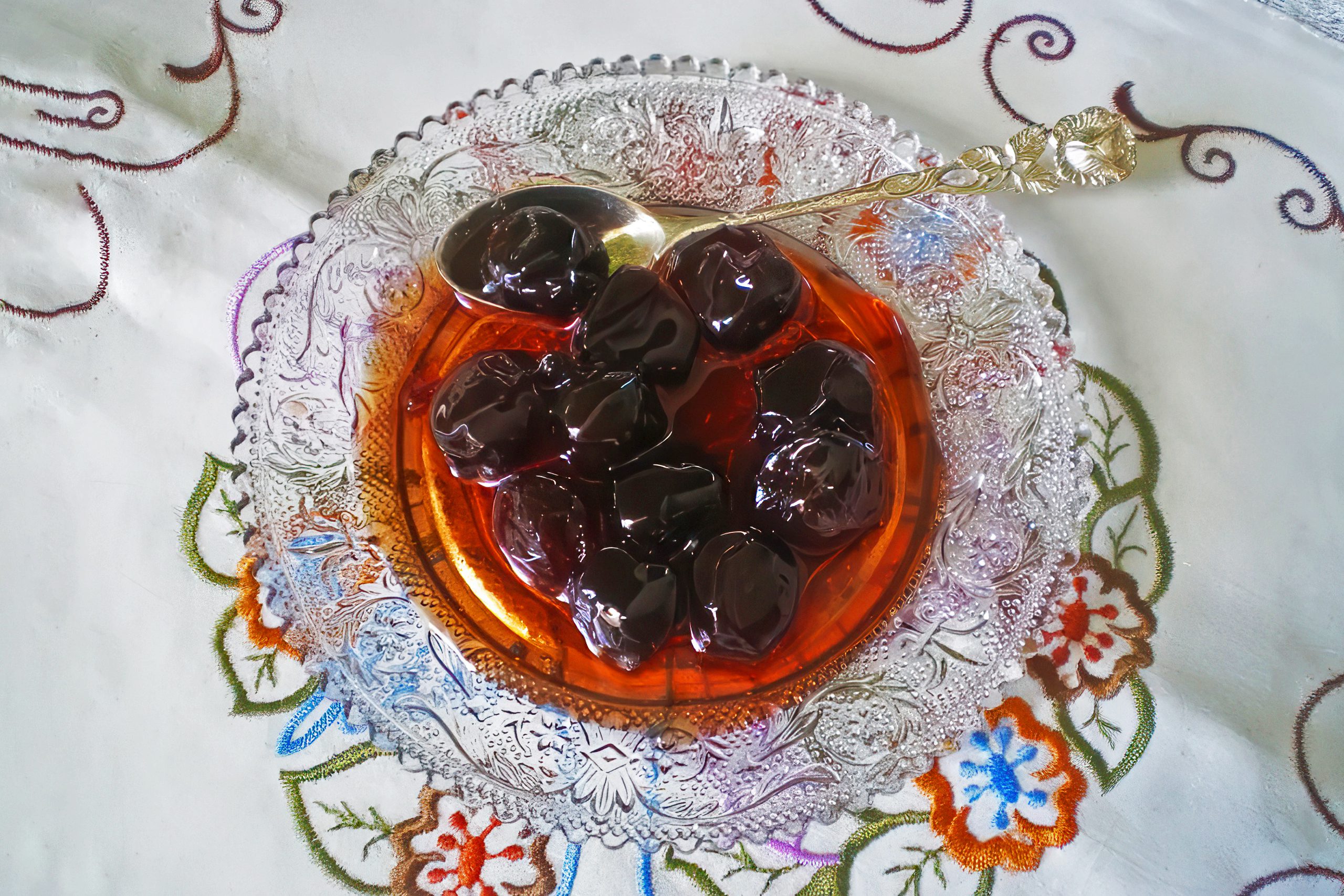
Glyko tou koutaliou endures because it embodies values that modern life often overlooks. It prioritises patience over speed, care over quantity, and presence over performance. These sweets preserve agricultural knowledge, strengthen community ties, and remind both hosts and guests that hospitality does not require excess to feel generous.
A Taste That Tells a Story
To understand Cyprus, it is not enough to visit landmarks and museums alone. Sometimes, a single spoonful reveals more. Glyko tou koutaliou carries history, hospitality, and identity in its simplest form, offering a quiet yet enduring taste of Cypriot life that continues to connect past and present.