All Articles

Backbone Grain and Cereal Crops

Backbone Grain and Cereal Crops

Wheat and barley have shaped Cyprus more deeply than many of its monuments or political eras. Grown across central plains and foothills, these cereals supported village life, defined everyday food traditions, and helped communities endure drought, famine, and political change. This article explores how cereal farming developed on the island, why it mattered socially and culturally, and how grain continues to influence Cypriot life today. An Island Fed by Grain, Not Spectacle Cyprus is often described through coastlines, ruins, and mythology, yet for most of its history, the island was sustained by something far more modest. Wheat and barley were not symbols of wealth or power. They were tools of survival. For thousands of years, grain farming shaped daily routines…

Read more

Two Festivals, One Island

Two Festivals, One Island

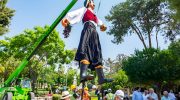
Cyprus expresses its culture best when it gathers people together in public spaces, after sunset, with music in the air and tradition close at hand. Two annual festivals capture this instinct especially clearly: the Limassol Wine Festival and the Ayia Napa International Festival. Though different in tone and setting, they reveal how Cyprus balances heritage and openness, local pride and global exchange. Experiencing them side by side offers a clear insight into how celebration functions as a cultural language on the island. Two Ways of Telling the Same Story At first glance, these festivals appear to represent different worlds. Limassol's event revolves around wine, harvest traditions, and large-scale public gatherings, while Ayia Napa's focuses on music, performance, and international cultural…

Read more
Typical Workday Structure in Cyprus

Typical Workday Structure in Cyprus

Cyprus adheres to EU directives on working time while maintaining its own labor regulations. Full-time employment is legally defined as 40 hours per week, typically distributed as 8 hours per day across five working days. This standard forms the foundation for employment contracts and benefit calculations across the country. The law sets a maximum limit of 48 hours per week, including overtime. This cap is calculated as an average over a four-month reference period to account for temporary workload increases. Employees working more than six consecutive hours must receive a rest break of at least 30 minutes. This break is not considered working time and typically is not paid. Workers are entitled to minimum rest periods between shifts. The daily…

Read more
Understanding the Cyprus National Emblem

Understanding the Cyprus National Emblem

The coat of arms of the Republic of Cyprus depicts a dove carrying an olive branch, symbolizing peace, over 1960, the year of Cypriot independence from British rule. The background is a copper-yellow color, representing the large deposits of copper ore on Cyprus, chiefly in the form of chalcopyrite which is yellow in color. The two-part olive wreath surrounding the shield represents the two ethnic groups of Cyprus, Greeks and Turks. Adopted in 1960 following the Zurich and London Agreements that ended colonial administration, the emblem embodies aspirations for reconciliation between the Greek and Turkish Cypriot populations. The Designer Behind the Symbol Designed by Turkish Cypriot artist İsmet Güney, the emblem parallels the neutral motifs of the national flag to…

Read more
Traditional Weaving in Cyprus

Traditional Weaving in Cyprus

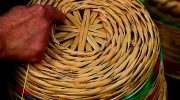
Basket weaving dates from ancient times in Cyprus when baskets served a range of specific practical purposes from carrying agricultural produce to storing food. The practice of weaving was highly developed during Byzantine times and has been passed down through generations to the present day. The Materials and Methods of Making Baskets Basket makers traditionally harvest materials from Cyprus's bountiful countryside. Water reeds, grasses, rushes, bamboo, terebinth branches, and stems from aquatic plants all serve as raw materials. The village of Akrotiri became particularly famous for its soft baskets woven from marsh reeds. Men and women in villages across the island would balance techniques and artistry to create beautiful baskets both for their own use and to earn a living.…

Read more
Transportation and Mobility in Cyprus

Transportation and Mobility in Cyprus

Cyprus holds one of the highest car ownership rates in the world with 742 cars per 1,000 people according to International Road Federation figures from 2007. Private car ownership in the country ranks as the fifth highest per capita globally. With more than 658 automobiles per 1,000 people in recent years, Cyprus relies heavily on private vehicles for daily mobility. Only 3 percent of journeys in the Greater Nicosia urban region are made by public transportation, while cycling remains even less common at 2 percent. This dominance of private vehicles creates traffic congestion in major cities, particularly during peak hours, while contributing to air pollution and urban sprawl. The Road Network and Driving Conditions From the 12,118 kilometers of roads…

Read more
Cypriot Flutes and Reed Pipes

Cypriot Flutes and Reed Pipes

Long before recorded music or concert halls, Cyprus learned to speak through breath and reed. Across mountains, fields, and village squares, flutes and reed pipes carried news, marked rituals, guided dances, and filled long hours of solitude with sound. These instruments were never background decoration. They were tools of daily life, shaping how people worked, celebrated, and understood their place in the world. This article explores the traditional flutes and reed pipes of Cyprus, focusing on how they were made, who played them, and why their sound still carries meaning today across both Greek Cypriot and Turkish Cypriot communities. Sound Born From the Land Cyprus did not invent its wind instruments in workshops. It grew them. Most traditional flutes were…

Read more
Three Dishes Define Cypriot Food Culture

Three Dishes Define Cypriot Food Culture

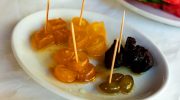
Cypriot cuisine is often described through individual recipes, yet its deeper identity emerges through patterns of use rather than isolated dishes. Makaronia tou Fournou, kolokasi, and traditional sweets occupy very different places on the table, but together they reveal how Cypriots eat across time, season, and social setting. One dish marks a celebration, one sustains daily life, and one formalises hospitality. Seen together, they form a practical map of how food functions in Cypriot culture. These foods do more than taste distinct. They organise social life. They reflect land, climate, economy, and ritual. To understand them is to understand how Cypriots structure eating itself. Makaronia tou Fournou and the Language of Celebration Makaronia tou Fournou is the dish most closely…

Read more
Street Food in Cyprus

Street Food in Cyprus

Cyprus street food traces its roots to ancient Mediterranean trading ports where vendors sold quick, affordable meals to sailors, merchants, and laborers. Today the tradition continues across busy city streets, village festivals, church forecourts, and coastal promenades. Unlike the homogenized fast food chains that dominate many countries, Cypriot street food remains deeply local, with recipes passed through generations and preparations visible to customers. The ingredients reflect the island's agricultural abundance, from fresh pork and lamb to local herbs, olive oil, and seasonal vegetables. Street eating in Cyprus differs fundamentally from a quick meal, it represents a social activity where queues become conversations and vendors know their regular customers by name and usual order. Souvlaki and Cypriot Pita Define Street Eating…

Read more