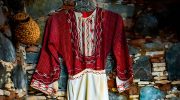
Basket weaving dates from ancient times in Cyprus when baskets served a range of specific practical purposes from carrying agricultural produce to storing food. The practice of weaving was highly developed during Byzantine times and has been passed down through generations to the present day.

The Materials and Methods of Making Baskets
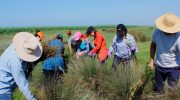
Basket makers traditionally harvest materials from Cyprus’s bountiful countryside. Water reeds, grasses, rushes, bamboo, terebinth branches, and stems from aquatic plants all serve as raw materials. The village of Akrotiri became particularly famous for its soft baskets woven from marsh reeds. Men and women in villages across the island would balance techniques and artistry to create beautiful baskets both for their own use and to earn a living.
The weaver can make very interesting and complex designs and patterns, which takes a lot of practice and patience to learn. Weavers color the straw with different vegetable colorings to make the various colored strands to weave from. Each weaver has their own way of working, creating intricate designs differently from other people. The baskets are made from a special kind of straw, which can also be used to make bread baskets and caskets with lids.
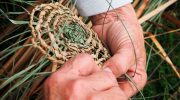
A typical basket can take up to three hours to complete. The process begins with harvesting the appropriate materials when they reach optimal flexibility and strength. Reeds and grasses must be cut at specific times of year to ensure quality. After harvesting, materials are often soaked in water to increase pliability before weaving begins. Some materials are split into thin ribbon-like strips before being woven into the chosen shape and design.
Villages Famous for Basket Weaving
Several villages developed reputations as centers of basket weaving excellence. The Paphos village of Ineia, the Limassol village of Akrotiri, and the Famagusta village of Avgorou became particularly renowned for their basket makers. The Karpasia region and the Mesaoria region remain the main places where plant weaving is still produced today.

The village of Chiados is particularly famous for its weavers and the talent of the artists there. Various different materials can be used, including corn, reeds, and wheat. Similar in a way to weaving, plant knitting uses stems, leaves, and twigs to create trays, baskets, jewelry boxes, and even brooms.
Maria Polly from Akrotiri is a committed basket weaver who turned from fitness instruction to traditional crafts. She explains that basket weaving is the heart of the village, how they keep the marsh alive and protected. She says it’s in their genes and part of them. Maria comes from a long line of Akrotirian basket weavers, demonstrating how the craft passes through families over generations.
The Modern Revival of Traditional Weaving
In today’s fast-paced society, the demand for traditionally woven baskets has dropped. Mass-produced alternatives made of longer-lasting materials such as plastic have taken precedence, thanks to their convenience and lifespan. As recently as 30 years ago, the craft was still widespread, but younger generations moved away from rural areas and traditional occupations.

Petros Nicolaou is committed to breathing new life into this traditional craft by sharing his passion and skills with the next generation. He was taught how to weave as a child by his grandparents, who earned their living harvesting materials to craft Cypriot baskets to sell across the island. Petros now works full time creating baskets for individual clients and businesses, as well as conducting hands-on demonstrations for tourists both in Cyprus and abroad. He feels very proud to be a custodian of this legacy.
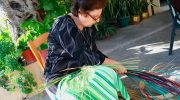
Today’s weavers are bringing the craft into the 21st century by subtly adapting the products, designs, and colors. Maria has started creating new basket designs which didn’t exist before, and has also introduced trendy hats made using the same techniques as basket weaving. She is trying to adapt but also to encourage people to incorporate basketry in their daily life again.
Petros has also introduced basket shapes and sizes with a contemporary twist. His clients often give him ideas, and slowly he introduces new designs that weren’t made in Cyprus in the past. He sticks to traditional materials and the same methods but uses imagination to meet the needs of today’s customers.
Why This Craft Still Matters
The next generation and the local community are key to the survival of this tradition. The Akrotiri Environmental Education Centre has been running basket weaving classes for the past eight years, acknowledging that education drives preservation. These workshops allow participants to engage directly with the island’s intangible cultural heritage.

An icon of the authentic rural Cyprus of bygone eras, the intricate art of basket weaving is making a contemporary comeback. A few committed individuals use rare skills passed down through the generations to revive this traditional craft and weave new passion and energy into the stunning baskets they create.
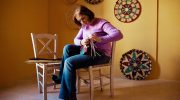
The Cyprus Handicraft Centre in Nicosia provides another important preservation space. Behind one door, those who practice the art of basket weaving work alongside those who manufacture other items from vines, reed, and straw. Display cases feature samples of stunning work from bygone generations for inspiration and visibility. These workshops ensure the techniques survive and can be taught to interested learners.
Traditional baskets also support environmental conservation. Maria Polly explains that basket weaving is how they keep the marsh alive and protected in Akrotiri. The need for raw materials creates incentives to preserve wetland ecosystems that might otherwise face drainage or development. This connection between craft and conservation demonstrates how traditional practices can support modern environmental goals.
Where to Experience Basket Weaving Today
Visitors can watch basket weaving demonstrations at several locations across Cyprus. The village of Choirokoitia hosts Petros Nicolaou’s workshop in his family home, a beautiful 1903 building made from traditional Tochni stone and wood. Inside the home there is a small museum where you can see furniture and artifacts preserved to depict old village life. Visitors are seated in his beautiful courtyard adorned with plants and various species of birds while he demonstrates the craft.
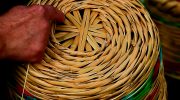
The Cyprus Handicraft Centre in Nicosia offers another excellent opportunity to observe craftspeople at work. The center houses workshops for multiple traditional crafts including basket weaving, with artisans demonstrating techniques and creating items for sale. Visitors can purchase authentic pieces directly from makers and learn about the materials and methods used.
Various villages across the island offer workshops where participants can try basket weaving themselves. These experiential activities require booking in advance and typically run from May to November. Workshops take place on Wednesdays, weekends, and public holidays, providing hands-on experience with traditional techniques. Participants learn basic weaving patterns and often complete a small basket to take home.

The best places to find authentic baskets include the Handicraft Centre and workshops in villages like Ineia, Akrotiri, Xylotympou, and Avgorou. Visitors should look for pieces with tight, even weaving and natural materials rather than synthetic alternatives. Prices vary based on size, complexity, and time required, with larger or more intricately designed baskets commanding higher prices.
The Future of Traditional Weaving
The survival of basket weaving depends on several factors. First, sufficient people must learn the craft and commit to practicing it regularly. This requires both interest from younger generations and support systems that make the craft economically viable. Second, markets for traditional baskets must continue existing. Tourism provides important income for weavers, as does growing interest in sustainable, handmade products over mass-produced plastic alternatives.
Environmental preservation of the wetlands and wild areas where raw materials grow remains essential. Without access to quality reeds, grasses, and rushes, basket makers cannot produce their work. Conservation of these ecosystems therefore directly supports craft preservation.
Documentation efforts help ensure techniques are not lost. Video recordings, written instructions, and photographic documentation capture methods that might otherwise disappear when master weavers pass away. These archives allow future generations to learn even if living practitioners become unavailable.
The growing appreciation for traditional crafts and sustainable products offers hope for basket weaving’s future. Consumers increasingly value handmade items with cultural significance over disposable mass-produced goods. This shift in values creates opportunities for traditional crafts to find new relevance in contemporary markets while maintaining their authentic character and techniques.