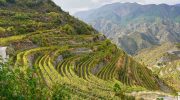
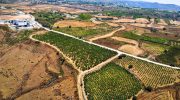
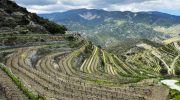
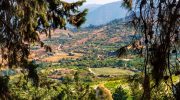
Cyprus vineyards occupy the southern slopes of the Troodos Mountains at altitudes ranging from 250 to 1,500 meters above sea level. This elevation places them among the highest in Europe. The Petralona vineyard operated by Tsiakkas Winery reaches 1,440 to 1,480 meters, while Kyperounda Winery owns plots between 1,400 and 1,500 meters.
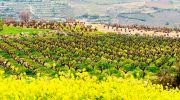
These high-altitude locations fundamentally transform wine quality by creating cooler temperatures, dramatic day-to-night temperature swings, increased solar radiation, and unique soil conditions. Protected designation of origin wines must come from vineyards above 600 to 750 meters depending on the region. Altitude determines whether grapes develop balanced acidity and complex flavors or ripen too quickly into heavy, alcoholic wines.
Historical Background
Winemaking in Cyprus dates back 6,000 years, with archaeological evidence from Erimi village showing wine production from 3500 to 3000 BC. Ancient people understood that mountain locations offered superior conditions. Traditional villages across the Troodos region developed reputations as wine centers, with names like Krasochoria translating directly to wine villages.

Modern high-altitude viticulture emerged from necessity and innovation. Cyprus joined the European Union in 2004, which triggered reforms to improve wine quality over quantity. The Cyprus Vine Products Commission introduced new grape varieties and incentivized creation of small regional wineries with capacity between 50,000 and 300,000 bottles annually. Producers began experimenting with elevation to see how it affected wine characteristics.
What Altitude Does to Grapes and Wine
Temperature decreases approximately 0.6 degrees Celsius for every 100 meters of elevation gain. At 1,000 meters, temperatures average 6 degrees cooler than at sea level. This cooling effect slows grape ripening, allowing flavor compounds to develop before sugar levels become excessive. Grapes harvest with fully ripe flavors but maintain alcohol levels around 12 to 14 percent rather than climbing to 15 percent or higher.

The diurnal temperature range, meaning the difference between daytime high and nighttime low, increases dramatically with altitude. Cyprus mountain vineyards experience swings exceeding 20 degrees Celsius. Temperatures may reach 36 degrees at 3 to 5 PM and drop to 13 to 14 degrees at midnight, falling even lower by 5 AM. Cool mountain breezes from the Troodos peaks flow down valleys at night.
Warm days promote sugar development through photosynthesis. Cold nights halt this process, allowing vines to recover from daytime heat stress while preserving malic acid and aromatic compounds. At lower altitudes, constant heat causes continuous ripening that burns off delicate aromatics and reduces acidity. The day-night temperature gap at altitude creates wines with pronounced freshness that carries flavors across the palate.
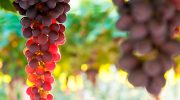
Ultraviolet radiation increases with elevation due to thinner atmosphere. Enhanced UV exposure stimulates vines to produce thicker grape skins as protection. Thicker skins concentrate color pigments called anthocyanins in red grapes and increase tannin levels. They also enhance aromatic compound development. The result is deeper color, richer structure, and more complex flavors.
Surprising Facts About Cyprus Mountain Vineyards
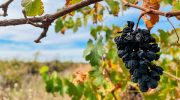
Cyprus remains phylloxera-free, the only major wine region in Europe never infected by this devastating pest. Vines grow on their own roots without grafting onto resistant rootstock. Some vineyards contain 150-year-old ungrafted vines with roots deep in schist and igneous soils.
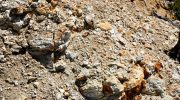
The Troodos ophiolite represents unique geology normally found kilometers beneath the Earth’s surface. Tectonic plate movements thrust ancient oceanic crust upward, exposing rocks rich in minerals including iron, magnesium, and calcium. Volcanic soils and layered limestone create diverse terroirs within short distances.
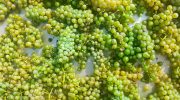
Xynisteri, Cyprus’s primary white grape, translates to low acidity, yet high-altitude examples demonstrate crisp acidity and pronounced freshness. Winemaker Aphrodite Constanti identified three aromatic families in Xynisteri based on elevation. Higher plantings display floral, lemony, beeswax, and lanolin characters with fine viscosity. Lower vineyards lean toward nectarine, stone fruit, and green melon with oilier texture.
Some Cyprus wines age remarkably well. Kyperounda Petritis from 2013 and 2004 vintages showed preserved lemon, zest, beeswax, and toast, developing tertiary characteristics reminiscent of old Clare Valley Riesling or Savennières from France.
November harvests occur at the highest vineyards. Xynisteri vines over 70 years old at 1,400 to 1,500 meters ripen so slowly that picking extends into late autumn, months after coastal vineyards finish harvest.
The Science Behind Better Wine Quality
Photosynthesis stops when darkness arrives, but if nighttime temperatures remain warm, grapes continue respiration and phenolic ripening. This causes rapid tannin synthesis at lower sugar levels, creating unbalanced wines. Cool nights halt these processes, allowing balanced development.
Growing seasons shorten by 2 to 4 days per 100 meters of elevation increase. Shorter seasons concentrate flavor development into a compressed timeframe. Combined with diurnal temperature swings, this maximizes aromatic compound production while maintaining grape freshness.

Vine roots in mountain soils struggle through rocky, well-drained terrain. Unlike deep alluvial plains where roots easily access water and nutrients, mountain vines develop extensive root systems searching for moisture pockets. This stress produces smaller berries with higher skin-to-juice ratios. Smaller berries mean more concentration of flavors, tannins, and aromatics per unit of juice.
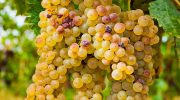
Indigenous grape varieties evolved over millennia to thrive in these conditions. Maratheftiko, Yiannoudi, and Promara adapted to volcanic soils, drought stress, and temperature extremes. Modern producers are rediscovering these ancient varieties after 50 years of focus on international grapes like Cabernet Sauvignon and Chardonnay.
Mountain Viticulture Today
Protected designation of origin regulations mandate minimum altitudes. Wines must originate from registered vineyards above 600 meters in some regions and 750 meters in others. Vines must be at least 5 years old. Yields are restricted to 36 or 45 hectoliters per hectare depending on variety. These regulations ensure quality by limiting production and requiring suitable growing conditions.

Five PDO areas exist: Commandaria, Krasochoria Lemesou, Pitsilia, Laona Akamas, and Vouni Panagias-Ambelitis. Each has distinct geology and microclimates. Pitsilia surrounds mountain peaks of Madari, Machairas, and Papoutsa, with vineyards scattered between 700 and 1,440 meters. The region combines volcanic soils in the north with limestone in the south.
Modern wineries have invested heavily in mountain locations. Facilities are often built on multiple levels to use gravity for moving juice and wine, minimizing pump usage that can damage delicate aromatics. Underground barrel cellars maintain stable temperatures for aging. Steep terraced vineyards require hand harvesting and intensive labor, increasing production costs but delivering superior fruit quality.
Experiencing High-Altitude Wine Country
The Troodos wine routes encompass multiple trails through mountain villages. Krasochoria Lemesou includes 20 villages with the highest winery concentration. Visitors travel winding mountain roads past dramatic views of abandoned century-old terraces on steep slopes. Stone buildings with traditional wooden doors line cobbled streets.

Tasting rooms often feature terraces overlooking amphitheater-like vineyard slopes. North-facing exposures benefit from cool winds and varied sun angles. Producers offer vertical tastings comparing wines from different elevations, demonstrating how altitude affects the same grape variety. The differences are immediately noticeable.
Village tavernas serve traditional cuisine paired with local wines. Altitude influences food as well, with cooler temperatures supporting different crops than coastal areas. The combination of mountain air, spectacular scenery, and distinctive wines creates memorable experiences.
Harvest season from late August through November allows visitors to observe picking, crushing, and fermentation. Some wineries welcome volunteers for hands-on participation. The physical work required to farm steep mountain vineyards becomes clear when walking among vines planted on 30-degree slopes.
Why Altitude Matters for Cyprus Wine
High-altitude viticulture positions Cyprus among elite wine regions globally. Elevation creates conditions impossible to replicate through winemaking technology. No amount of temperature-controlled fermentation can substitute for grapes that naturally developed balanced acidity and complex aromatics through slow mountain ripening.
Climate change is making altitude increasingly important. Rising temperatures threaten traditional wine regions worldwide. Cyprus mountain vineyards provide resilience. As coastal areas become too hot for quality production, higher elevations maintain viable conditions. Some producers are planting even higher, pushing toward the 1,500-meter threshold.
The unique geology of Troodos ophiolite soils combined with extreme elevation creates wines that express Cyprus identity. Indigenous varieties like Xynisteri, Maratheftiko, and Promara reveal characteristics impossible to achieve elsewhere. These wines tell the story of an island where ancient traditions merge with modern understanding.
Tourism benefits from wine excellence. Visitors seeking authentic experiences discover mountain villages, meet multigenerational families maintaining wine traditions, and taste wines that compete with the world’s best. International recognition through awards validates quality improvements and attracts wine enthusiasts.