A Tiny Acrobat of the Night
On warm spring evenings in Cyprus, a delicate chorus often rises from ponds, streams, and reedbeds. Hidden among leaves and branches, a small green frog is calling for a mate.
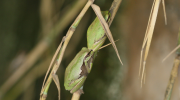
This is the Lemon Tree Frog, Hyla savignyi, one of the island’s most charming amphibians and the only tree frog found in Cyprus.
The Frog That Climbs Trees
Most people imagine frogs living on the ground or in water, but tree frogs are different. The Lemon Tree Frog belongs to the tree frog family, a group famous for their ability to climb vegetation using tiny adhesive pads on their fingers and toes. These natural “suction cups” allow them to cling to reeds, bushes, walls, and even smooth leaves.
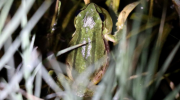
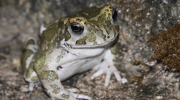
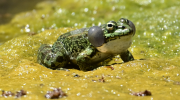
In Cyprus, this species shares the island with only two other native amphibians: the Cyprus Water Frog and the Cyprus Green Toad. Among them, the Lemon Tree Frog is undoubtedly the most agile climber.
An Ancient Traveller Across the Eastern Mediterranean
The story of this frog stretches back millions of years. Genetic studies suggest that the ancestors of Cyprus’s tree frogs arrived from the nearby coasts of Anatolia and the Levant during the Pleistocene, roughly one million years ago. At that time Cyprus was already separated from the mainland by sea, meaning the species likely reached the island through remarkable overseas dispersal events or possibly with early human assistance.
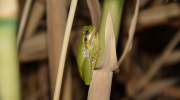
Today, Cyprus represents the western edge of the species’ natural range. Beyond the island, Hyla savignyi occurs across much of the Middle East, from southeastern Turkey to Iran and the Caucasus.
Small, Green, and Hard to Spot
The Lemon Tree Frog is a small species, usually reaching no more than 4–4.5 centimetres in body length. Its skin is smooth and bright green, helping it blend perfectly with surrounding vegetation. A dark stripe runs from the snout along the side of the body, bordered by a thin white line, giving the frog a distinctive masked appearance.
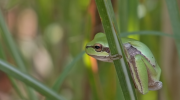
Despite its vivid colour, it can be surprisingly difficult to find. During the day it often remains motionless among leaves, relying on camouflage. At night it becomes active, hunting insects and moving through shrubs and reeds with surprising agility.
Curious Things About the Lemon Tree Frog
- Unlike many frogs, it spends much of its life away from water and only returns to ponds and wetlands for breeding.
- Females can lay between 200 and 2,000 eggs during the breeding season.
- The tadpoles feed mainly on algae and plant material before transforming into tiny froglets by late spring.
- The loud evening chorus heard around wetlands is produced almost entirely by males trying to attract females.
- Although called the “Lemon Tree Frog,” most individuals are bright green rather than yellow. The name comes from the yellowish tones that can sometimes appear on the body.
Life Among Reeds and Wetlands
The species prefers areas with medium-height vegetation near streams, ponds, marshes, and reservoirs. It is especially common in reedbeds and bushes around freshwater habitats. Adults feed on a variety of small invertebrates, helping control insect populations.
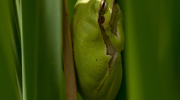
During winter, the frogs hide in burrows, crevices, and other sheltered places on land. As temperatures rise in spring, they emerge and gather around water to breed.
Why It Matters Today
The Lemon Tree Frog remains common in Cyprus and is found from sea level up to elevations of around 1,600 metres. Nevertheless, like many amphibians worldwide, it depends on healthy wetlands and clean freshwater habitats. The loss of ponds, drainage of wetlands, and prolonged droughts can threaten local populations.
The species is strictly protected under both European and Cypriot legislation, recognising its importance as part of the island’s biodiversity.
Where to See One in Cyprus
Patient nature lovers may encounter Lemon Tree Frogs almost anywhere on the island where freshwater and vegetation occur. Good places include wetland reserves, stream valleys, farm ponds, and marshes. Areas such as Akrotiri Marsh are particularly well known for their breeding populations.
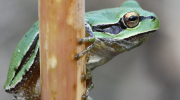
The best time to find them is after sunset in spring. Often you will hear them long before you see them. Following their calls carefully through the reeds can lead to the rewarding sight of a tiny green frog clinging to a stem just above the water.
A Small Voice of Cyprus Wetlands
The Lemon Tree Frog may be small enough to fit in the palm of your hand, yet its voice carries across ponds and marshes throughout the island. It is a reminder that some of Cyprus’s most fascinating wildlife is not found on mountain peaks or deep forests, but hidden among the reeds beside a quiet pool. Listening to its evening chorus is one of the simplest and most memorable ways to experience the living natural heritage of Cyprus.