The Akrotiri Peninsula stands at the southernmost tip of Cyprus, where wetlands, salt lakes, and coastal habitats create one of the most important wildlife sanctuaries in the Mediterranean. This protected area combines ancient traditions with modern conservation to safeguard a landscape that supports rare species found nowhere else on Earth.
Akrotiri Peninsula covers 60 square kilometers within the British Sovereign Base Area, just southwest of Limassol. The area centers around the Akrotiri Salt Lake, Cyprus’s largest aquatic system, surrounded by coastal dunes, Mediterranean juniper forests, saltmarshes, and reedbeds. It holds designations as a Ramsar Wetland of International Importance, a Special Protection Area for birds, and a Special Area of Conservation.
Historical Background
Thousands of years ago, Akrotiri existed as an island separated from Cyprus. The Kouris River carried sediment to its delta over millennia, building up land that formed a bridge connecting the western side to the mainland. Later, a second bridge formed on the eastern side from sediment deposited by the Garilis River. This double tombolo formation trapped the salt lake in the center and took at least 56,000 years to complete.
A Remarkable Concentration of Wildlife
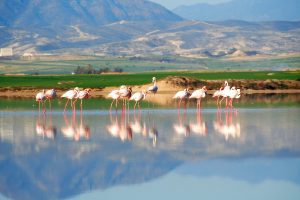
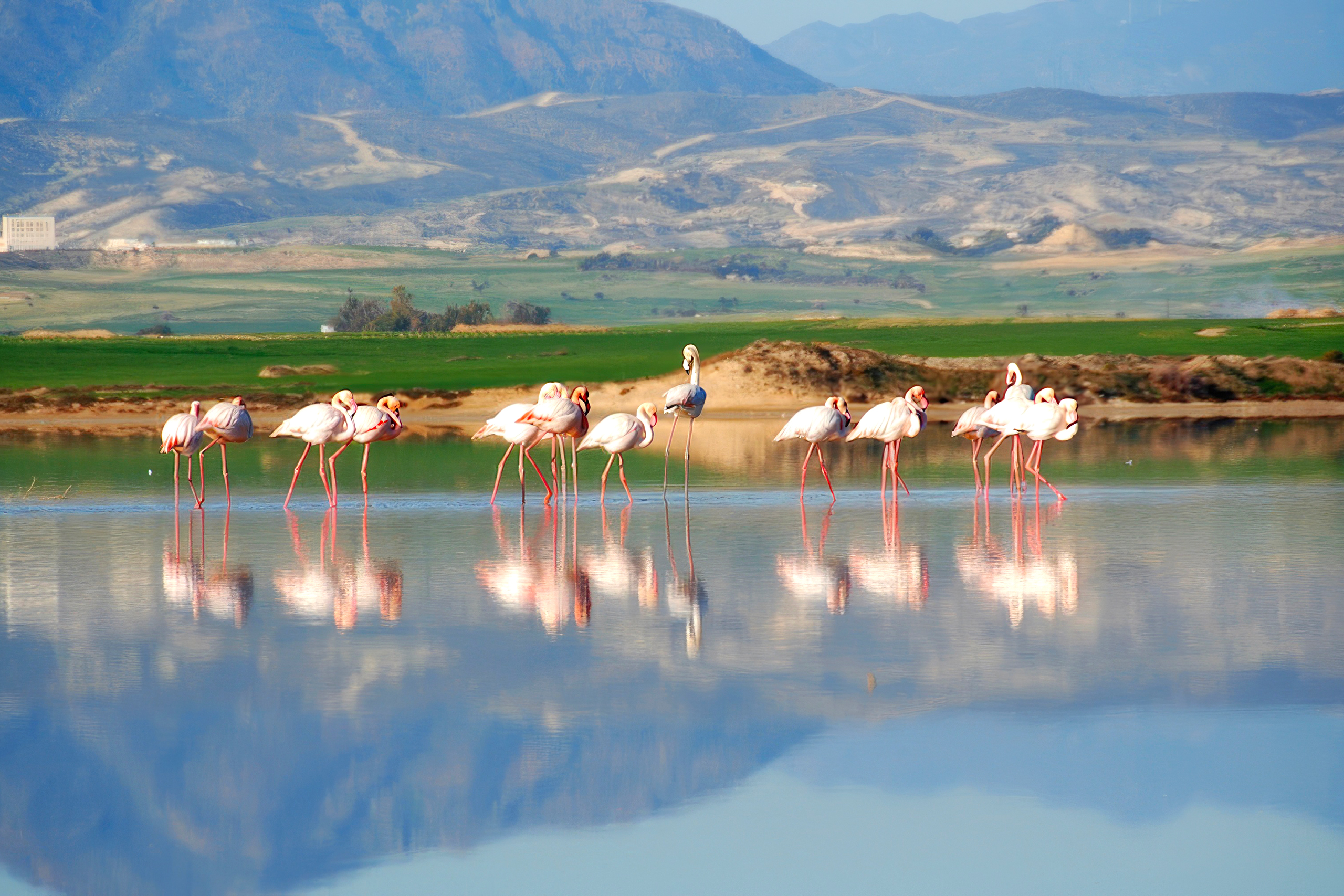
The peninsula hosts over 800 plant species, representing 40 percent of all plants found on Cyprus. About 300 bird species use the area, with 70 percent of Cyprus’s entire bird population passing through or settling here. Between November and March, 2,000 to 20,000 Greater Flamingos gather at the salt lake. The wetlands support vulnerable species like the Ferruginous Duck, while cliffs provide breeding grounds for Griffon Vultures, Eleonora’s Falcons, and Peregrine Falcons.
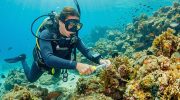
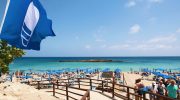
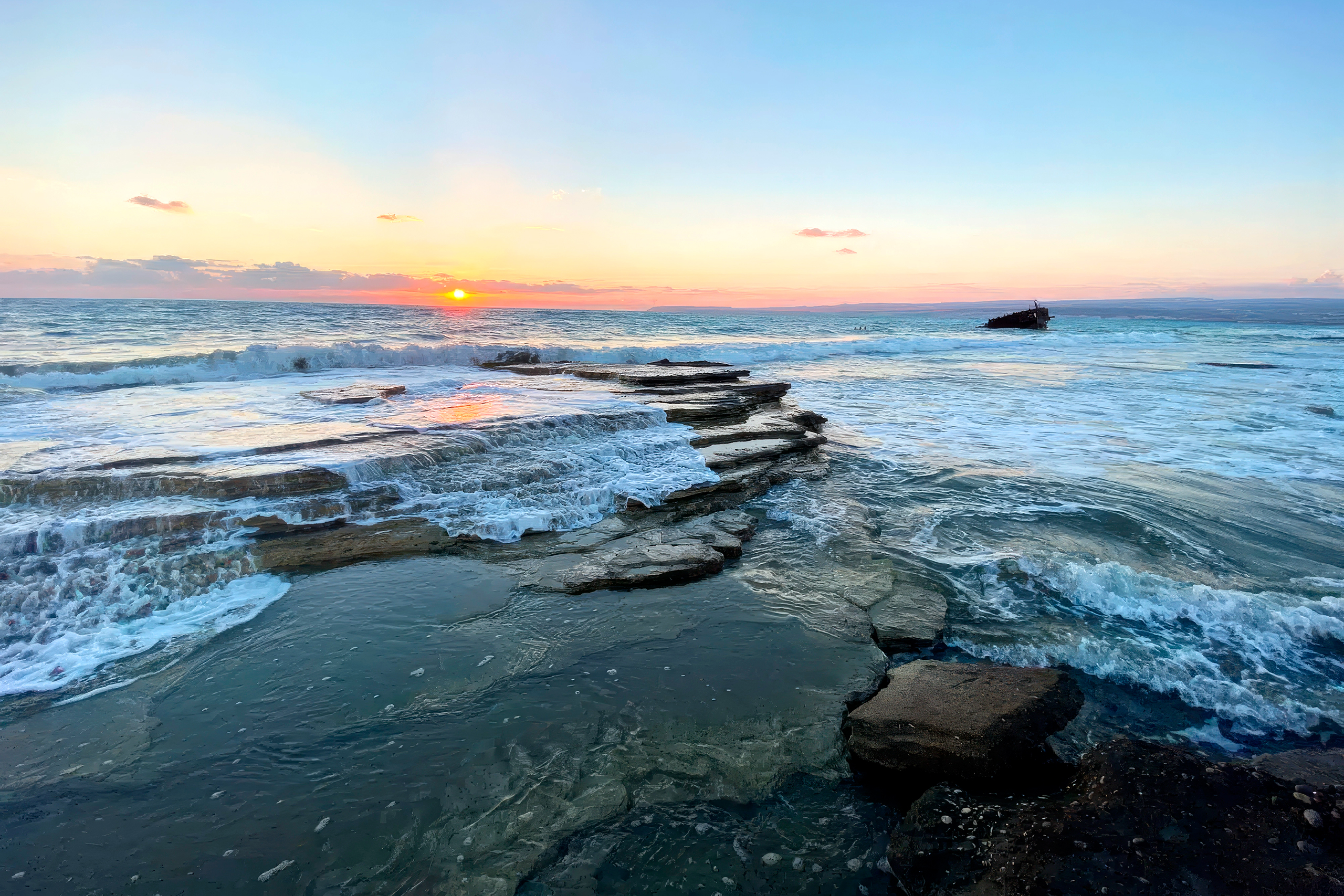
Marine environments surrounding Akrotiri include endemic Posidonia seagrass meadows. Sea caves along the cliffs shelter the endangered Mediterranean Monk Seal, while beaches host Green Turtles and Loggerhead Turtles, with an average of 22 Loggerhead and four Green Turtle nests recorded annually since 1994.
The Akrotiri Salt Lake sits 2.7 meters below sea level at its lowest point. It dries during summer but fills with winter rains to create shallow wetlands. Within these waters lives Brachinella spinosa, a tiny shrimp-like crustacean found only at Akrotiri in all of Cyprus. This creature forms the food chain foundation, feeding thousands of flamingos, shelducks, avocets, and ibises. It survives dry periods by forming resistant cysts that wait years for suitable conditions.
Basketry and Conservation History
For centuries, Akrotiri villagers practiced soft basket weaving, harvesting ten species of rushes, sedges, and grasses from the marshes. They created talaria baskets for cheese making, syrizes pack baskets for transport, and froukalia brooms.
The constant need for these materials meant villagers maintained the wetlands, creating unintentional but effective conservation. In 2017, Akrotiri basketry was added to Cyprus’s national UNESCO intangible heritage list. Only a few artisans continue the tradition today, though the Environmental Education Centre runs courses to preserve this knowledge.
Learning About the Peninsula
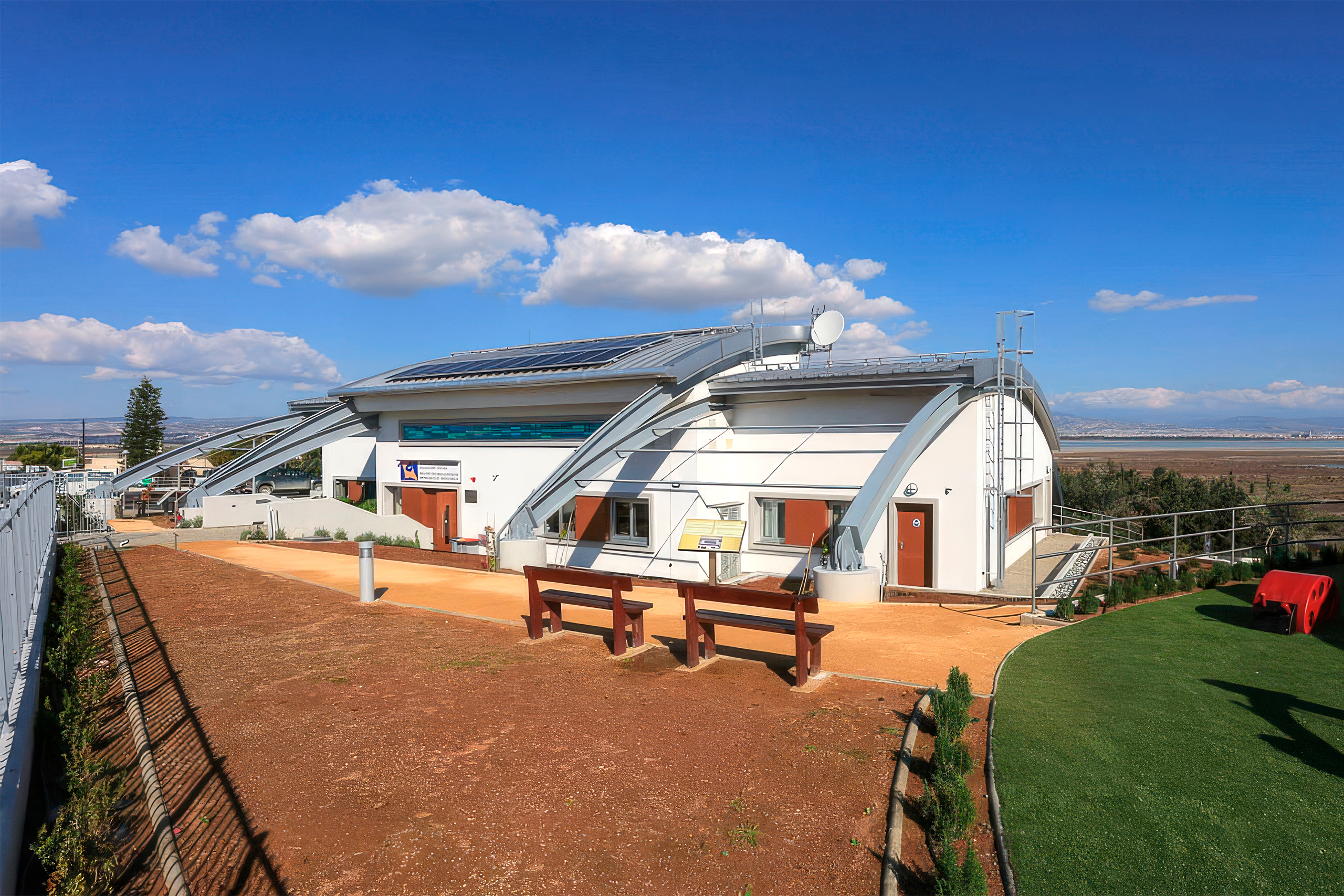
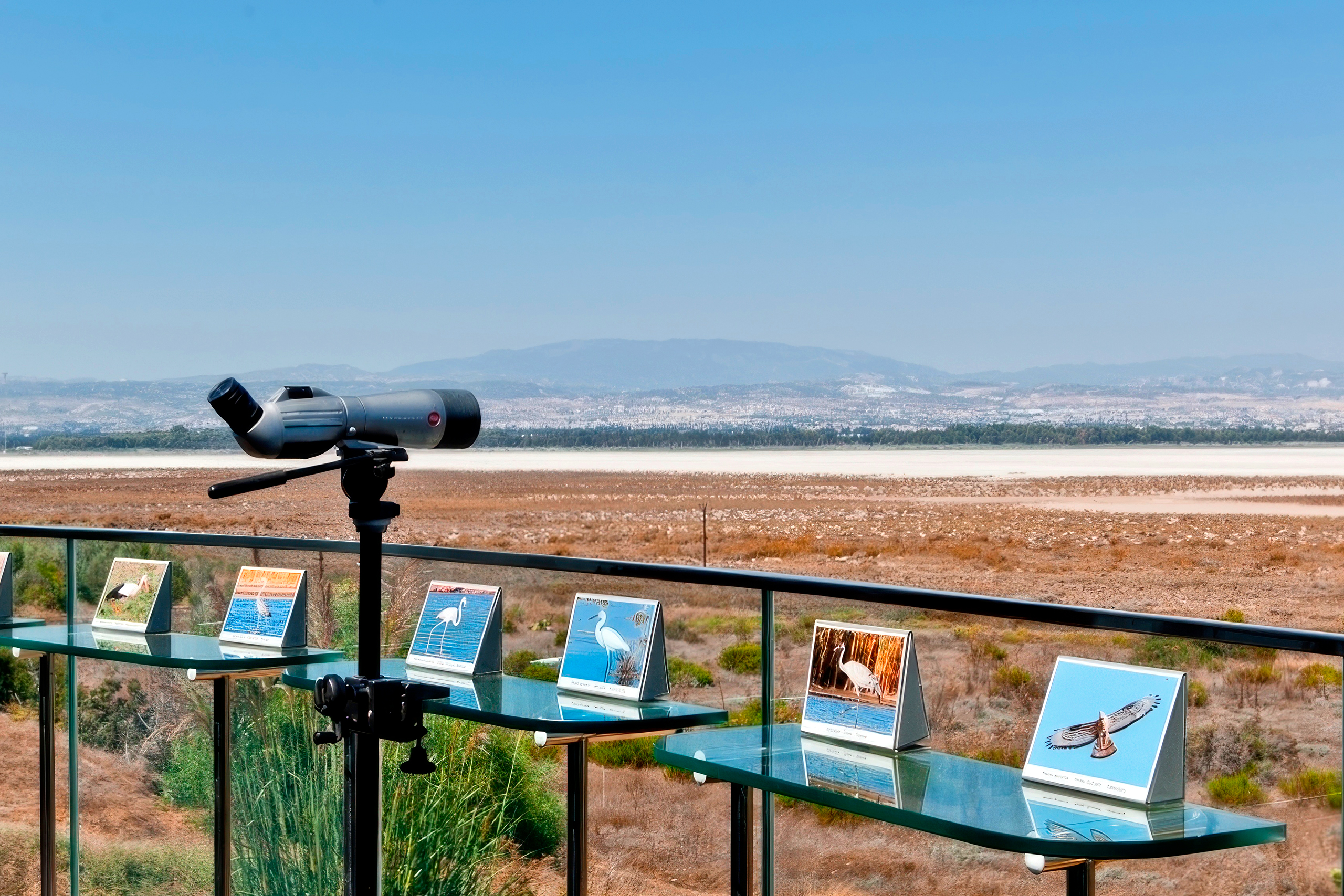
The Akrotiri Environmental Education Centre has operated since 2004 as a collaboration between the Sovereign Base Areas, Cyprus Ministry of Education, and the local community. The facility, housed in one of Cyprus’s most environmentally friendly buildings since 2014, welcomes over 20,000 visitors annually. Interactive exhibits, wildlife observation areas with powerful telescopes, a botanical garden, and QR-code activities help visitors understand the peninsula’s ecology. The center offers free entry Monday to Friday from 7:30 to 13:30.
Despite protected status, Akrotiri faces challenges from off-road vehicles, reed expansion, invasive acacia species, and development pressures. Darwin-funded projects focus on habitat restoration and visitor management. The peninsula’s location within a British military base provides some development protection while requiring cooperation between British authorities, Cyprus, local communities, and organizations like BirdLife Cyprus and RSPB.
Visiting Akrotiri
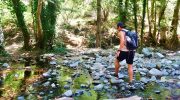
The Environmental Education Centre in Akrotiri village offers free entry and serves as the gateway to the peninsula. Walking trails allow habitat exploration while minimizing wildlife disturbance.
Spring brings nesting birds and orchids, summer sees turtle nesting, autumn witnesses massive migrations, and winter transforms the salt lake into flamingo territory. Note that some areas require permission due to military installations, and driving across the salt lake is prohibited.
Why Akrotiri Matters Today
Akrotiri represents one of the last semi-natural salt lake systems in the eastern Mediterranean, a habitat comprising only 0.5 percent of global wetland area. It provides crucial stopover habitat for migratory birds and refuge for species disappearing elsewhere. The peninsula demonstrates how traditional activities can support rather than destroy natural systems, offering lessons for sustainable development across Cyprus.
This peninsula preserves a functioning ecosystem where geological processes continue shaping the landscape, where birds follow ancestral migration routes, and where traditional crafts remain tied to wetland health. Understanding Akrotiri means recognizing that some of the island’s greatest treasures exist in nature’s daily rhythms, the seasonal arrival of flamingos, and the knowledge held by basket weavers who learned their craft watching reeds grow in marsh waters their grandparents also knew.