The Arabis Species in Cyprus

4 minutes read See on map

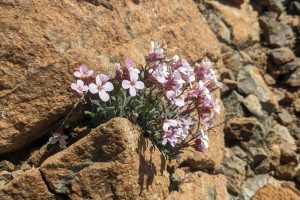
Tucked away in the rocky crevices and mountainous slopes of Cyprus, the Arabis species offer delicate bursts of color amid the island’s rugged terrain. These small, resilient rockcresses, with their clusters of white, pink, or purple flowers, are a testament to the unique flora that thrives in this Mediterranean hotspot. Discovering them in the wild feels like finding hidden gems that whisper stories of Cyprus’s ancient landscapes.
www.flora-of-cyprus.eu

Why is it interesting?

Arabis, commonly known as rockcresses, are a genus of flowering plants in the mustard family (Brassicaceae). In Cyprus, there are four notable species, three of which are endemic to the island: Arabis cypria, Arabis purpurea, and Arabis kennedyae, along with the more widespread Arabis verna. These hardy perennials or annuals are adapted to dry, rocky environments, producing charming flowers that attract pollinators in spring.

Background and Origins

The Arabis species in Cyprus have evolved over millennia in the island’s isolated ecosystems, particularly in the Troodos Mountains and northern ranges. Shaped by the Mediterranean climate with hot summers and mild winters, they trace their roots to ancient plant lineages that adapted to limestone cliffs and serpentine soils. Endemic varieties like Arabis purpurea and Arabis kennedyae highlight Cyprus’s role as a biodiversity refuge, surviving through geological changes that separated the island from surrounding lands.
www.inaturalist.org

Description

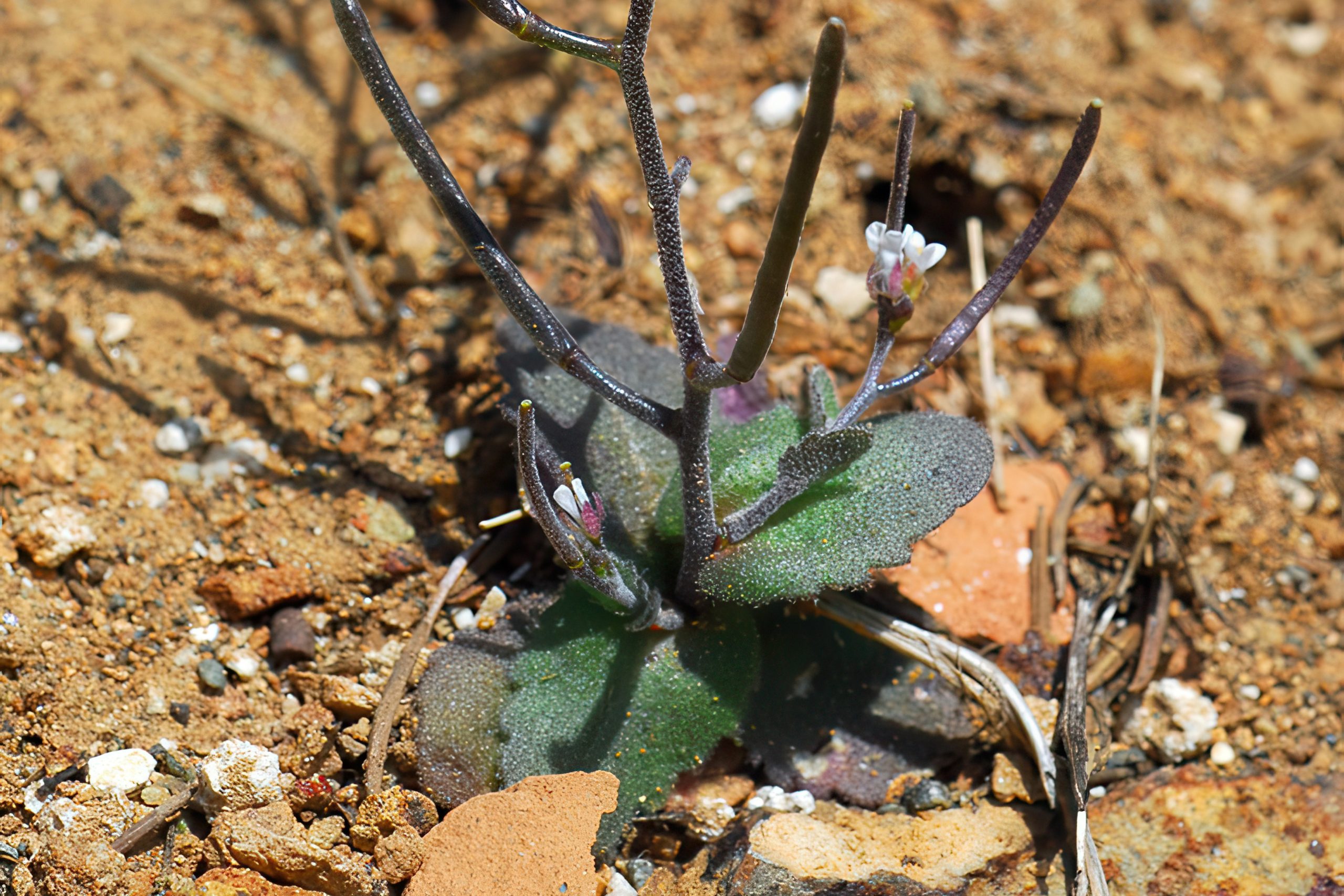
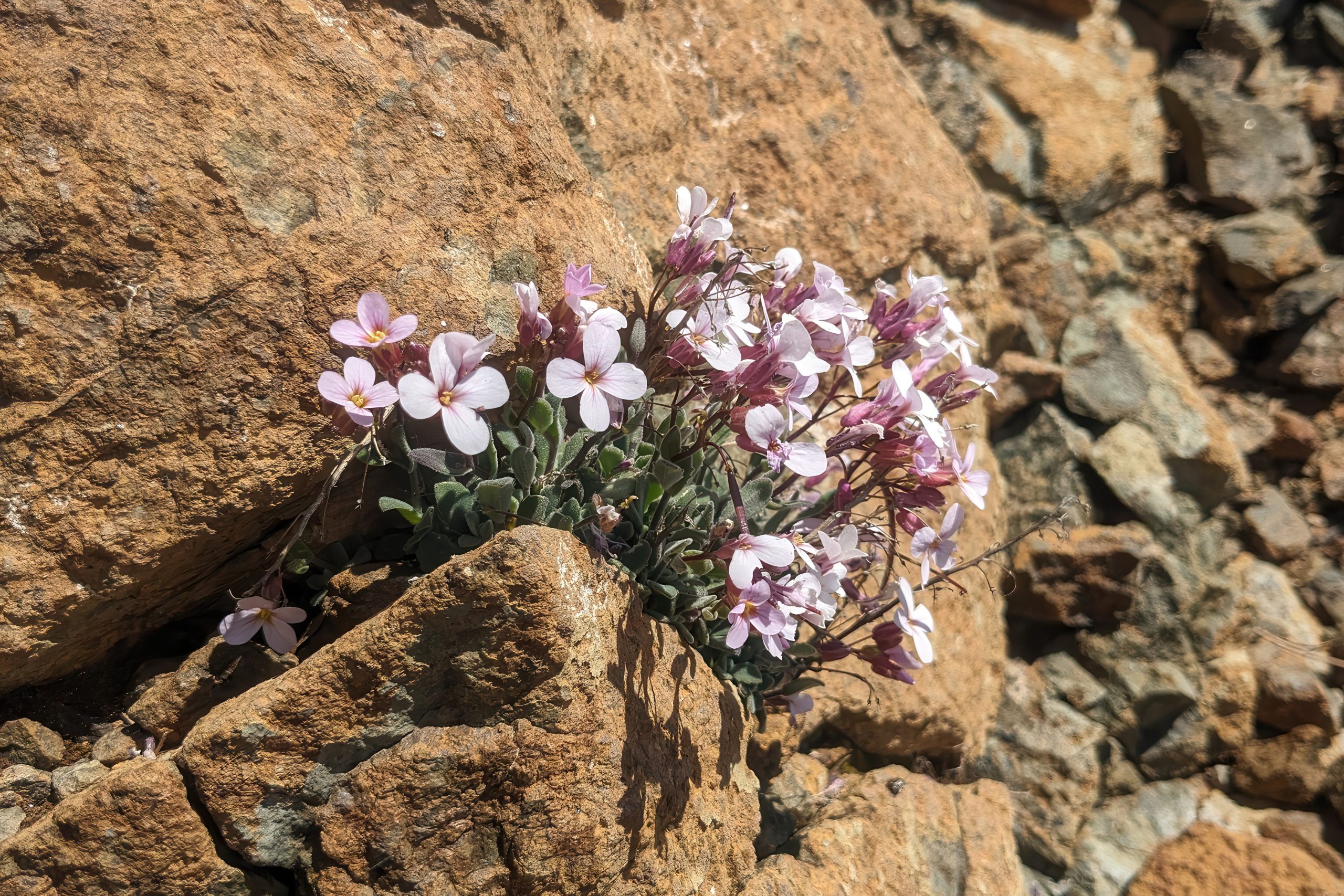
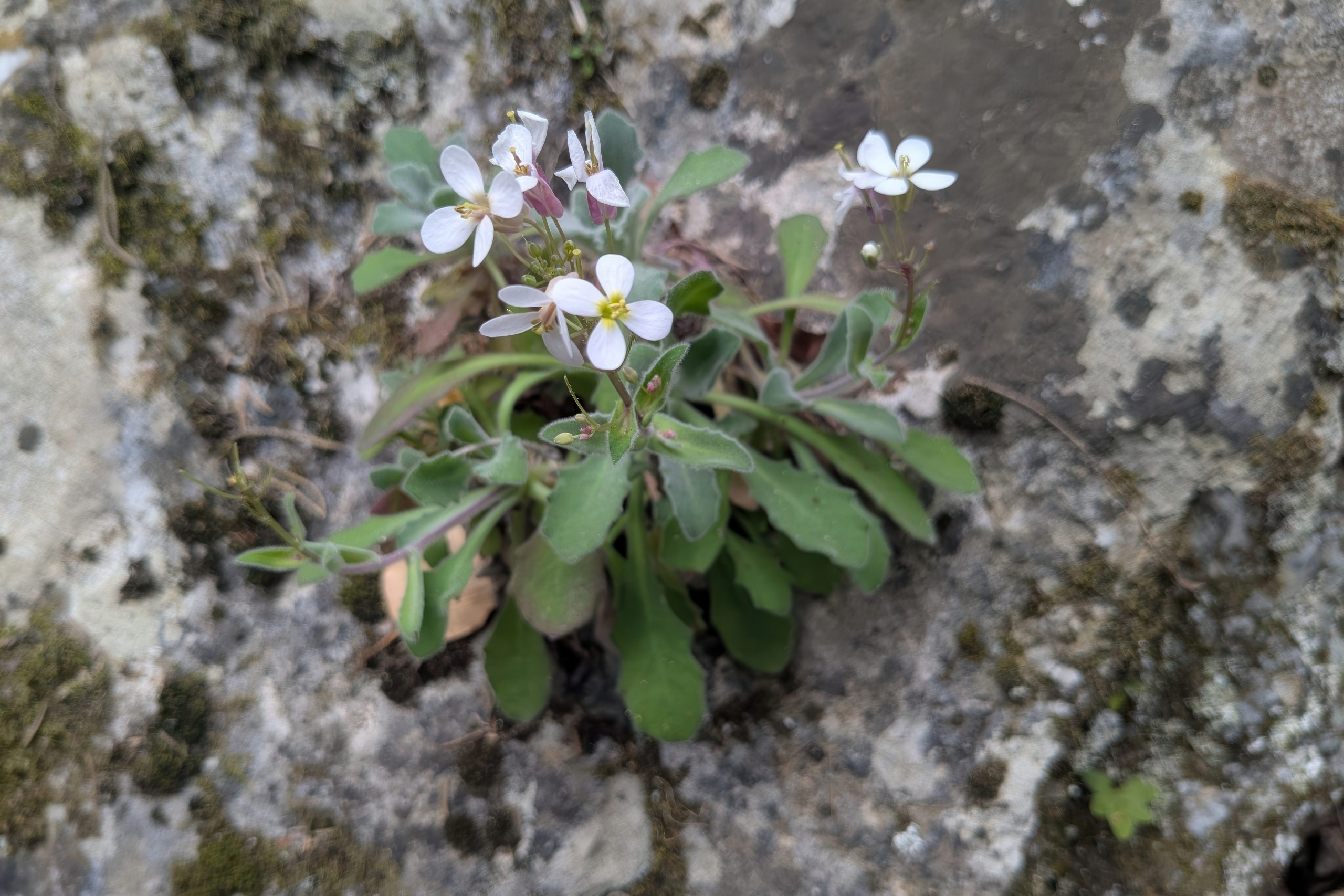
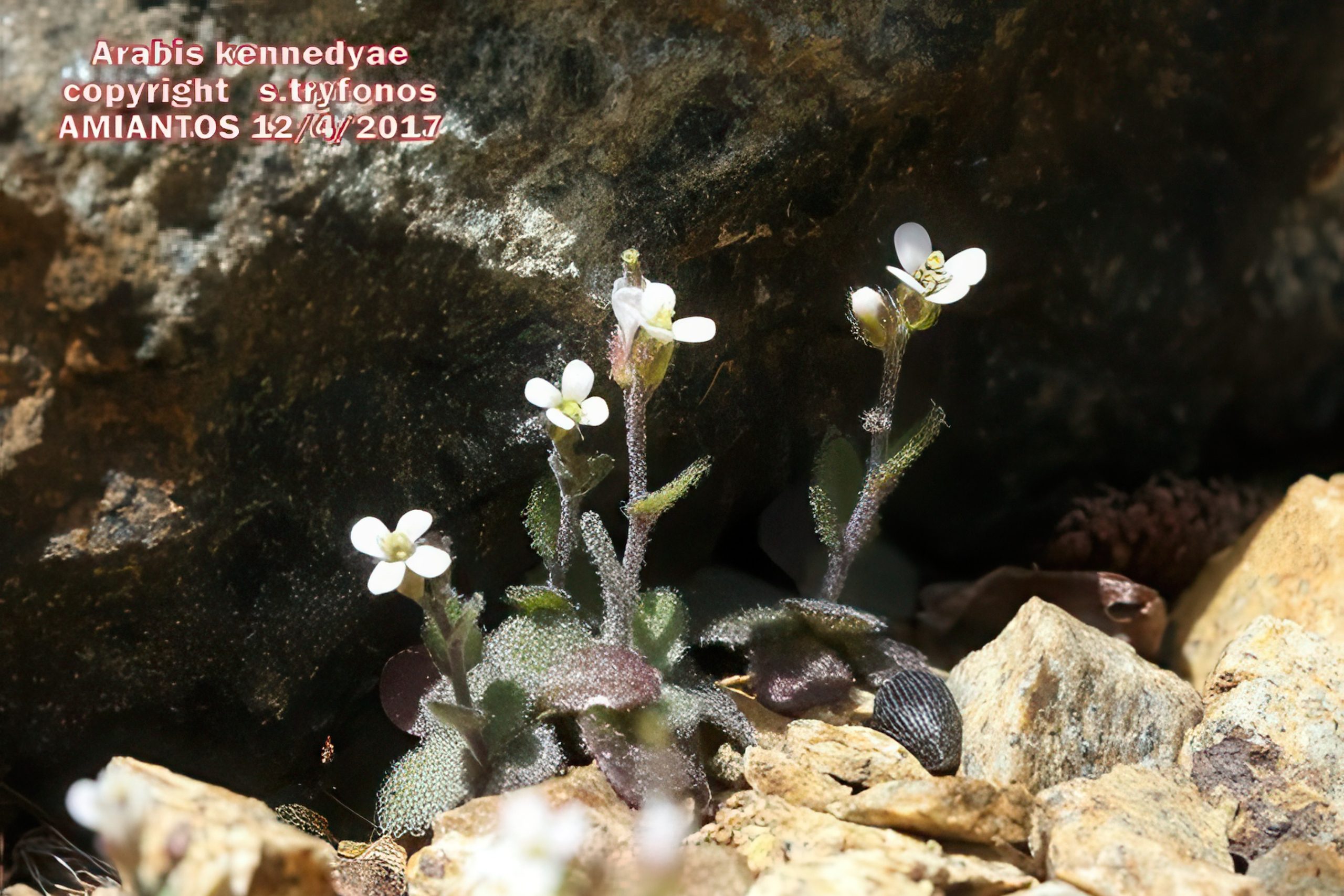
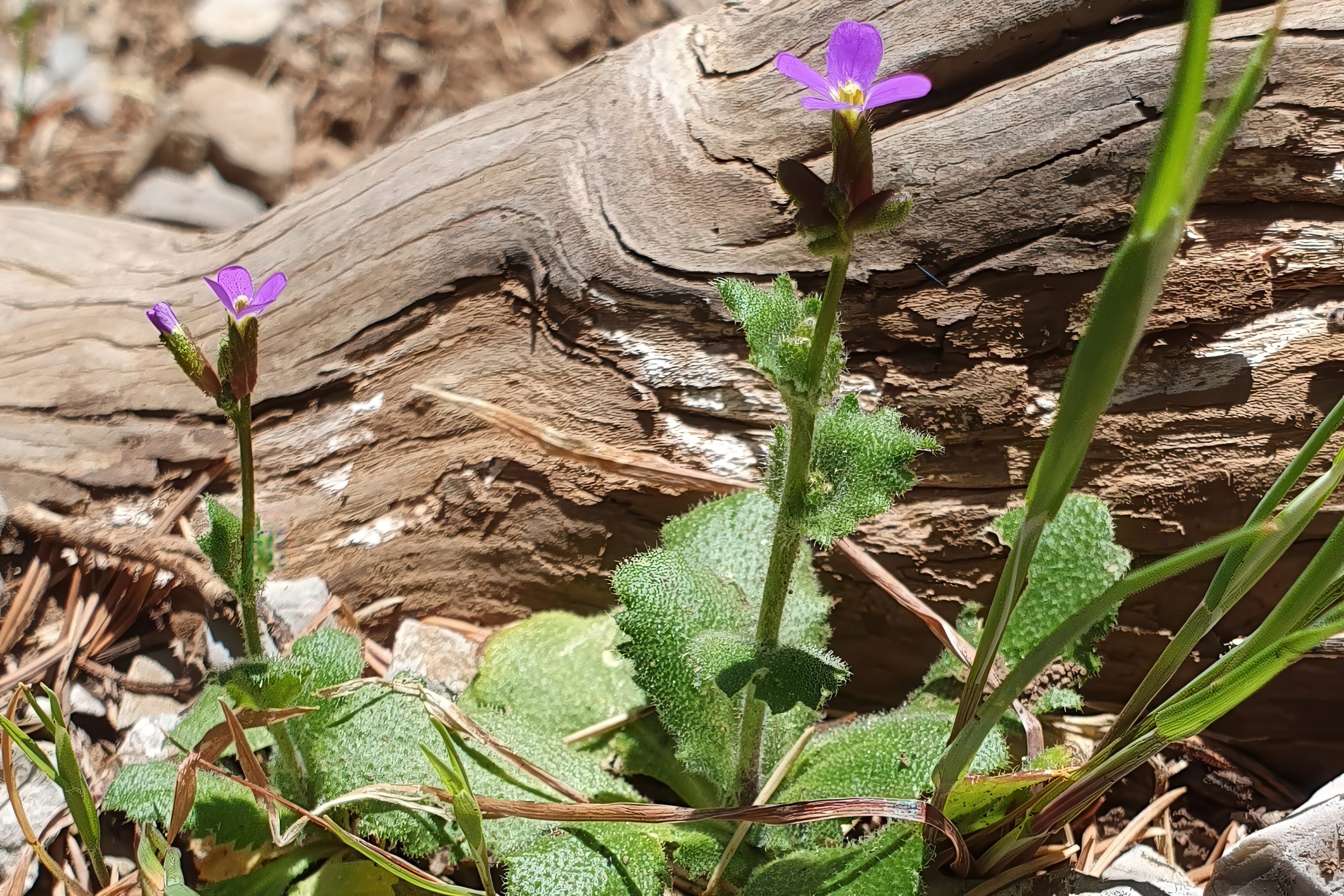
Arabis plants are typically low-growing, forming rosettes or mats with stems ranging from 10–40 cm tall. Their leaves are often toothed, oblong, and covered in fine hairs for protection against drought. Flowers emerge in dense clusters: Arabis purpurea boasts vibrant pink to purple petals, while Arabis cypria features white or pale pink blooms up to 1.5 cm across. Arabis kennedyae has smaller, lilac-tinged flowers on purplish stems, and Arabis verna adds violet hues. Seed pods follow, flat and elongated, dispersing in the wind.
www.inaturalist.org

Fun Facts

  • Arabis kennedyae, named after a botanist, is one of the rarest, growing only in a few spots in the Troodos and listed as Vulnerable due to its tiny habitat.
  • These plants can bloom as early as February, turning rocky outcrops into colorful displays that signal the end of winter.
  • Local lore sometimes calls them “mountain stars” for their star-shaped flowers that seem to sparkle against stone backgrounds.

Additional Information

Botanically, Arabis species prefer calcareous or serpentine soils at elevations from 500 to 1,800 meters, often in open woodlands or cliffs. Arabis purpurea and Arabis cypria are perennials forming cushions, while Arabis kennedyae is an annual or biennial. They are pollinated by insects and play roles in soil stabilization. Conservation status varies: endemics are protected under Cypriot law and EU habitats directives, with threats from grazing, development, and climate change.
www.savvastryfonosplants.com

Connection to Today

In modern Cyprus, Arabis species symbolize the island’s rich endemic flora and the push for environmental protection. They appear in botanical studies, nature reserves, and eco-tourism initiatives, raising awareness about biodiversity loss. For Cypriots, they represent resilience, featured in local art and conservation campaigns that tie into broader efforts to preserve the Troodos as a UNESCO Global Geopark.

Visiting or Experiencing

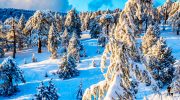
Spot Arabis in bloom from late winter to spring (February–May) in the Troodos Mountains, such as near Mount Olympus or Platres trails, or northern areas like the Kyrenia range for Arabis cypria. Easy hikes like the Artemis Trail offer views of these plants clinging to rocks. The experience is serene—wandering paths with the scent of wildflowers and mountain air, but stick to trails to avoid disturbing fragile habitats. Guided tours from Nicosia can enhance sightings.
www.inaturalist.org

The Arabis species of Cyprus may be modest in size, but they capture the essence of the island’s untamed beauty and evolutionary wonders. From its role as a model organism for studying perennial life cycles to its status as a rare endemic tucked away in the Troodos range, Arabis is a fascinating genus that rewards any observant hiker in Cyprus.
Discover more about the fascinating edges of Cyprus

Neptune Grass of Cyprus

Neptune Grass of Cyprus

Beneath the turquoise surface of the Cypriot sea, invisible to the sunbathers on the shore above, lies one of the most extraordinary living communities on Earth. It is not a reef, not a forest of kelp, but something far more ancient and remarkable – a meadow of flowering grass, swaying gently in the current, older than most civilisations. And Cyprus, it turns out, may be home to one of the most resilient stands of this grass anywhere in the Mediterranean. Not an Alga – A True Flowering Plant Many people who encounter Neptune grass – either as tangled brown leaves washed up on a beach or glimpsed through a snorkel mask – assume it must be a seaweed. It is not. Posidonia oceanica, known as Neptune grass or Mediterranean tapeweed, is a true flowering plant, a cousin of the grasses and lilies that grow on land. It belongs to the family Posidoniaceae, placed within the order Alismatales in the monocot group – the same grand branch of the plant kingdom that includes reeds, palms, and orchids. Like any terrestrial plant, it has roots, stems, leaves, flowers, and fruits. It simply chose, tens of millions of years ago, to live at the bottom of the sea. From the Land to the Deep: An Ancient Migration The story of Neptune grass begins…

Read more
Endangered Plants of Cyprus

Endangered Plants of Cyprus

Cyprus hosts approximately 2,000 plant species, with 146 being endemic to the island. This means they exist nowhere else on Earth. The flora of Cyprus developed over millions of years through a combination of geographic isolation, diverse geology, and varying climate zones. Today, around 258 plant taxa are classified as threatened according to international conservation standards. These include species listed as Critically Endangered, Endangered, or Vulnerable by the International Union for Conservation of Nature. Historical Background The island's plant diversity reflects its position at the crossroads of three continents. Cyprus sits in the eastern Mediterranean where Europe, Asia, and Africa meet. This location allowed species from different regions to colonize the island over time. The Troodos Mountains, formed from ancient oceanic crust pushed above sea level, created unique habitats on igneous and serpentine rocks. These challenging soils fostered the evolution of specialized plants found only in Cyprus. Human activity has shaped the landscape since 8200 BC. Traditional agriculture created semi-natural habitats where wild plants thrived alongside cultivated crops. However, modern development pressures have accelerated habitat loss, particularly in coastal areas where tourism infrastructure expands rapidly. Notable Endangered Species The Cyprus Cedar (Cedrus brevifolia) grows exclusively in five small locations within the Troodos Mountains at elevations of 1,200 to 1,900 meters. This tree is classified as Vulnerable, with only about 16,000…

Read more
Rare Plants and Animals of Cyprus High-Elevation Zones

Rare Plants and Animals of Cyprus High-Elevation Zones

Cyprus hosts an extraordinary concentration of endemic species in its high-elevation zones, particularly within the Troodos Mountains. At altitudes between 1,000 and 1,952 meters, unique geological conditions combine with Mediterranean climate variations to create habitats found nowhere else on Earth. The island supports 143 endemic plant species, with 47 of these confined exclusively to the Troodos range above 1,000 meters. These mountains function as a natural laboratory where volcanic soils, steep valleys, and climate extremes have shaped remarkable biodiversity over millions of years. The Troodos Mountain Environment Mount Olympus, also called Khionistra, rises to 1,952 meters and represents the highest point in Cyprus. The Troodos range occupies roughly half the island's total area, its core composed of igneous rocks formed from elevated ocean shell and lithospheric mantle. This volcanic substrate creates serpentine soils with mineral compositions drastically different from the island's lowlands. Deep valleys carved by streams such as Pedios, Yelias, Serakhias, Ezousa, Diarizos, and Xeropotamos provide north and northwest-facing slopes where humidity accumulates and temperatures moderate. Between the thermophilous lower slopes and the semi-alpine summit zone, elevation creates distinct vegetation bands. Black pine forests dominate from 1,300 to 1,950 meters, replacing Calabrian pine at the transition point. The highest slopes support foetid juniper in what approaches an alpine environment. Annual precipitation ranges from 300 millimeters on the central plains…

Read more