Beaches and Coastlines

Northern Coast Beaches of Cyprus

Northern Coast Beaches of Cyprus

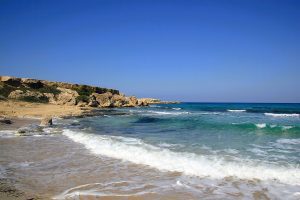
The northern coastline of Cyprus stretches from Morphou Bay in the west to the Karpasia Peninsula in the east, offering over 100 beaches of varied character. Unlike the southern coast dominated by golden sands, the northern shores feature more pebble beaches interspersed with sandy coves and dramatic cliffs. The Kyrenia mountain range, also called the Pentadaktylos or Five Finger Mountains, rises directly behind the coast, creating spectacular backdrops where pine covered peaks descend to turquoise waters.  The northern beaches remain less developed than their southern counterparts, with many small coves hidden behind rock formations requiring exploration to find. This area falls within Turkish controlled Cyprus, accessible through checkpoints from the Republic of Cyprus. The coastline varies dramatically from long stretches…

Read more
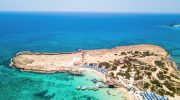
Protaras Beach

Protaras Beach

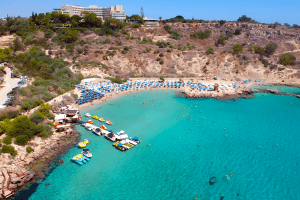
Protaras sits on the southeastern coast of Cyprus in the Famagusta District, approximately 70 kilometers from Larnaca International Airport. This coastal resort developed specifically for tourism offers 10 kilometers of coastline along the Mediterranean Sea. The beaches here feature fine golden sand and exceptionally clear waters that earned international recognition. Fig Tree Bay was named Europe's third best beach by TripAdvisor in 2011, though rankings shifted in following years. Unlike the party atmosphere of nearby Ayia Napa, Protaras built its reputation as a quieter alternative better suited to families and domestic Cypriot tourism. Historical Context In ancient times, the area now known as Protaras was home to the old city-state of Leukolla, which had a small, safe harbor where Demetrius…

Read more
Lara Bay Beach

Lara Bay Beach

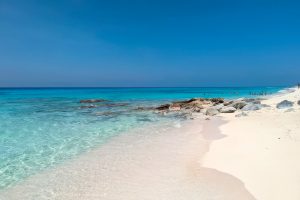
Lara Bay occupies a remote stretch of coastline on the Akamas Peninsula in western Cyprus, approximately seven kilometers from Agios Georgios Peyias. The beach serves as one of the Mediterranean's most important nesting sites for endangered green turtles and loggerhead turtles. Golden sand stretches along the coast framed by rugged cliffs and crystal clear Mediterranean waters. Unlike typical Cypriot beaches crowded with sun loungers, kiosks, and tourists, Lara Bay remains deliberately undeveloped. Building is strictly prohibited throughout this uninhabited area that forms part of Akamas Peninsula Natura 2000 protected area, the largest conservation area in Cyprus. The beach belongs to the Lara-Toxeftra Reserve, designated as a Specially Protected Area under the Barcelona Convention and part of the European Network of…

Read more
Cyprus’s Beaches and Coastlines

Cyprus’s Beaches and Coastlines

Cyprus's beaches aren't just beautiful stretches of sand and sea - they're ancient gateways where civilizations arrived, traded, and shaped Mediterranean history for over 11,000 years. From the legendary birthplace of Aphrodite rising from sea foam to remote turtle nesting grounds, from Bronze Age harbors buried beneath modern sand to medieval fortresses guarding strategic bays, the island's 650 kilometers of coastline blend natural beauty with deep cultural memory. Step onto these shores and visitors will find themselves standing where prehistoric sailors first landed, where ancient traders shipped copper to distant empires, and where myths were born from the meeting of land and water. An Island Defined by Its Edges Cyprus has over 650 kilometers (about 400 miles) of extraordinarily diverse…

Read more
Cyprus Beaches And Water Sports

Cyprus Beaches And Water Sports

Cyprus ranks as the third largest island in the Mediterranean and boasts some of Europe's finest coastal areas, with 60 beaches marked with the Blue Flag, an international award in the field of ecology and environmental protection given to beaches and marinas. In practice this means incredibly clean beaches and crystal clear water. The eastern coast stands particularly renowned for its fantastic assortment of beaches considered by many to be the best on the entire island, with Ayia Napa and Protaras regions lined by glorious stretches of golden sand. The island's beaches offer something for everyone, from lively party atmospheres to secluded family-friendly coves, all benefiting from Cyprus's 340 days of sunshine annually and sea temperatures reaching 27 degrees Celsius…

Read more
Blue Flag Beaches of Cyprus

Blue Flag Beaches of Cyprus

Cyprus earned 66 Blue Flags in 2025, with 64 beaches and 2 marinas recognized for exceptional quality and environmental standards. The Blue Flag certification represents one of the most prestigious international awards for beaches and marinas, granted by the Foundation for Environmental Education. Cyprus consistently ranks as having the cleanest bathing waters in Europe, achieving the highest scores in the Mediterranean year after year. The European Commission's 2024 report confirmed that Cyprus ranked first in the European Union for bathing water quality in both 2022 and 2023. This recognition stems from strict compliance with 33 coastal criteria and 38 marina specific standards covering water quality, environmental management, safety, and educational activities. The number of Blue Flags decreased slightly from 78…

Read more
Finikoudes Beach Larnaca

Finikoudes Beach Larnaca

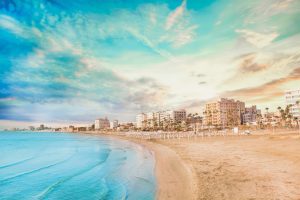
Finikoudes Beach stretches 600 meters along Larnaca's central seafront, backed by a palm-lined promenade that serves as the city's main social gathering space. The beach takes its name from the Greek word for small palm trees, referring to the baby palms planted along the promenade in 1922. Those original trees have now reached full height and stand as defining features of Larnaca's coastal identity. This urban beach offers direct access to the Mediterranean from the heart of Cyprus's third-largest city, with shallow waters that extend 25 to 30 meters from shore before reaching deeper zones. From Fishing Village to Tourist Destination Larnaca sits on the site of ancient Kition, established in the 13th century BC as a Mycenaean settlement. The…

Read more
Karpasia Peninsula Route Cyprus

Karpasia Peninsula Route Cyprus

The Karpasia Peninsula extends like a long finger into the Mediterranean from northeastern Cyprus, reaching 75 kilometers toward Turkey and Syria. This narrow landmass, also known as the Panhandle, represents Cyprus's most remote and undeveloped region. The peninsula covers 898 square kilometers with a population density of just 26 people per square kilometer, making it one of the least inhabited parts of the island. The main route runs from Trikomo, considered the gateway town, through small villages to Cape Apostolos Andreas at the very tip. This wild coastline hosts more than 46 sandy beaches, ancient ruins, and rare wildlife that make the journey one of Cyprus's most rewarding drives. Historical Background The Karpasia Peninsula has supported human settlement since the…

Read more
Governor’s Beach, Cyprus

Governor’s Beach, Cyprus

Governor's Beach is actually two connected beaches near Pentakomo village, about ten kilometers east of Limassol. The main section features dark volcanic sand framed by striking white chalk cliffs, while the neighboring Kalymnos beach extends as a narrow sandy strip approximately 200 meters to the west. Together they form a two-kilometer coastline recognized for exceptional water quality and environmental standards. The area sits roughly 40 kilometers west of Larnaca and 30 kilometers east of Limassol, positioned far enough from major tourist strips to maintain a more peaceful character. Historical Background The beach earned its name during British colonial rule when high-ranking officials chose this location for recreational activities. The striking white cliffs and gray sand apparently reminded them of the…

Read more