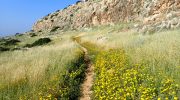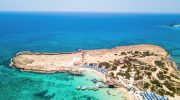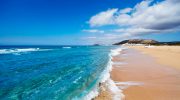
The northern coastline of Cyprus stretches from Morphou Bay in the west to the Karpasia Peninsula in the east, offering over 100 beaches of varied character. Unlike the southern coast dominated by golden sands, the northern shores feature more pebble beaches interspersed with sandy coves and dramatic cliffs. The Kyrenia mountain range, also called the Pentadaktylos or Five Finger Mountains, rises directly behind the coast, creating spectacular backdrops where pine covered peaks descend to turquoise waters.
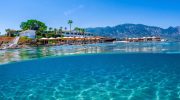
The northern beaches remain less developed than their southern counterparts, with many small coves hidden behind rock formations requiring exploration to find. This area falls within Turkish controlled Cyprus, accessible through checkpoints from the Republic of Cyprus. The coastline varies dramatically from long stretches of sand at Famagusta Bay and the Karpasia Peninsula to rocky shorelines west of Kyrenia.
Alagadi Turtle Beach protects endangered species
Alagadi Beach, located approximately 16 kilometers east of Kyrenia near the village of Ayios Amvrosios, ranks among the most important nesting sites in the Mediterranean for loggerhead and green turtles. The beach extends just over 600 meters along the coast with soft golden sand perfect for turtle nesting. From June through September, female turtles come ashore to lay eggs in the dunes, with each nest containing 80 to 120 eggs.

The Alagadi Turtle Beach Project operates a conservation initiative that marks and protects nests, ensuring hatchlings can reach the sea safely. Visitors can participate in turtle watching tours during nesting season, observing under expert guidance. The beach is closed to the public during nighttime hours in hatching season to prevent disturbance. Access requires driving on dirt tracks followed by a walk through impressive sand dunes. The beach offers no facilities except one small cafe, with no parasols or sun beds available, making it ideal for those who appreciate unspoiled nature over commercial amenities.
Acapulco and Escape Beach offer full services
Acapulco Beach east of Kyrenia provides a more developed experience with entrance fees supporting facilities including restaurants, bars, water sports, tennis, and golf. The beach belongs to Acapulco Resort Convention Spa Hotel but welcomes day visitors for a fee. The nightlife draws younger crowds seeking entertainment beyond swimming and sunbathing.
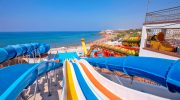
Escape Beach Club west of Kyrenia features sweeping sands with shallow water suitable for children and families. Visitors can wade across to Golden Rock, a tiny island that guards the beach from the open sea. The beach allows driving right down to the beach area and restaurant, providing convenient access.
Both Escape Beach and nearby Agios Georgios Beach Club operate bars, restaurants, and nightclubs that make them popular evening destinations. These commercial beaches charge entrance fees equivalent to one to eight pounds per person, but the fees support facilities and services that appeal to visitors seeking comfort and amenities alongside natural beauty.
Pebble beaches hide snorkeling opportunities
Horseshoe Bay west of Kyrenia represents the northern coast’s numerous pebble beaches that offer different experiences than sandy shores. The rounded stones make walking barefoot uncomfortable but create excellent snorkeling conditions. Pebble beaches typically have clearer water due to less sand suspension, allowing better visibility of marine life and underwater rock formations.
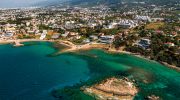
The stones also mean fewer facilities since laying out towels and umbrellas becomes impractical. Karavas Beach belongs officially to a hotel but welcomes visitors for small fees, offering a sheltered bay with excellent swimming in clear water over a pebble bottom. Many small coves along the coast between Kyrenia and Morphou feature pebble shores where locals know secret spots for swimming and snorkeling away from any crowds.
These beaches appeal to visitors who prioritize underwater exploration over sunbathing comfort and appreciate natural settings without commercial development.
The endless sands of Famagusta and Karpasia
Famagusta Bay stretches as one continuous beach with golden sands extending as far as the eye can see. Hotels along the bay provide excellent beach access for guests and day visitors. The shallow waters make this area ideal for families with children. Golden Beach on the Karpasia Peninsula ranks among the most beautiful beaches in Cyprus, referred to in mythology as the birthplace of Aphrodite. This remote beach stretches for kilometers with pristine sand and azure waters, remaining largely undeveloped due to its distance from major population centers.
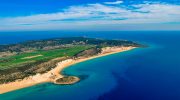
The Karpasia Peninsula offers countless small private beaches and secluded coves where visitors can find complete solitude. The eastern tip of Cyprus remains sparsely populated, preserving wild character that contrasts sharply with developed resort areas. These beaches require longer drives but reward the effort with unspoiled coastlines that evoke what Mediterranean beaches looked like before mass tourism.
Facilities and cleanliness challenges
Beach facilities in the Turkish-occupied part Cyprus vary dramatically. Commercial beaches provide parking, cafes or restaurants, umbrellas, parasols, and sometimes water sports, generally charging entrance fees. Public beaches offer free access but usually lack any facilities, requiring visitors to bring their own umbrellas, water, and refreshments.

Authorities acknowledge that the Turkish-occupied part of Cyprus has work to do regarding beach cleanliness and attractiveness. Litter remains a problem at some locations, though efforts continue to improve waste management. Visitors can help by taking rubbish home or using available bins.
None of the northern beaches currently hold Blue Flag status, the international certification for beach quality and environmental standards. The political situation complicates international environmental programs, as the self declared Turkish Republic of Northern Cyprus lacks widespread recognition. Despite these challenges, the natural beauty of northern coastlines remains exceptional when visitors can overlook occasional maintenance issues.
Why these shores define Cyprus’s diversity
The northern coast demonstrates Cyprus’s geographic and geological variety. The Kyrenia mountains rising directly from the sea create dramatic scenery impossible on the flatter southern coast. The mix of pebble and sand beaches shows how different substrates support distinct ecosystems and recreational uses. The less developed character preserves glimpses of what Cyprus looked like before tourism transformed the island economy.
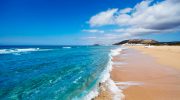
For visitors, northern beaches offer alternatives to crowded southern resorts, with opportunities for turtle watching, mountain views, and exploration of hidden coves. The 1974 Turkish invasion also inadvertently limited development that might have destroyed coastal character. Whether this preservation proves sustainable depends on future decisions about tourism development versus environmental protection.