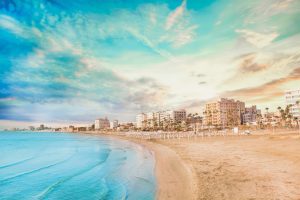
Finikoudes Beach stretches 600 meters along Larnaca’s central seafront, backed by a palm-lined promenade that serves as the city’s main social gathering space. The beach takes its name from the Greek word for small palm trees, referring to the baby palms planted along the promenade in 1922.
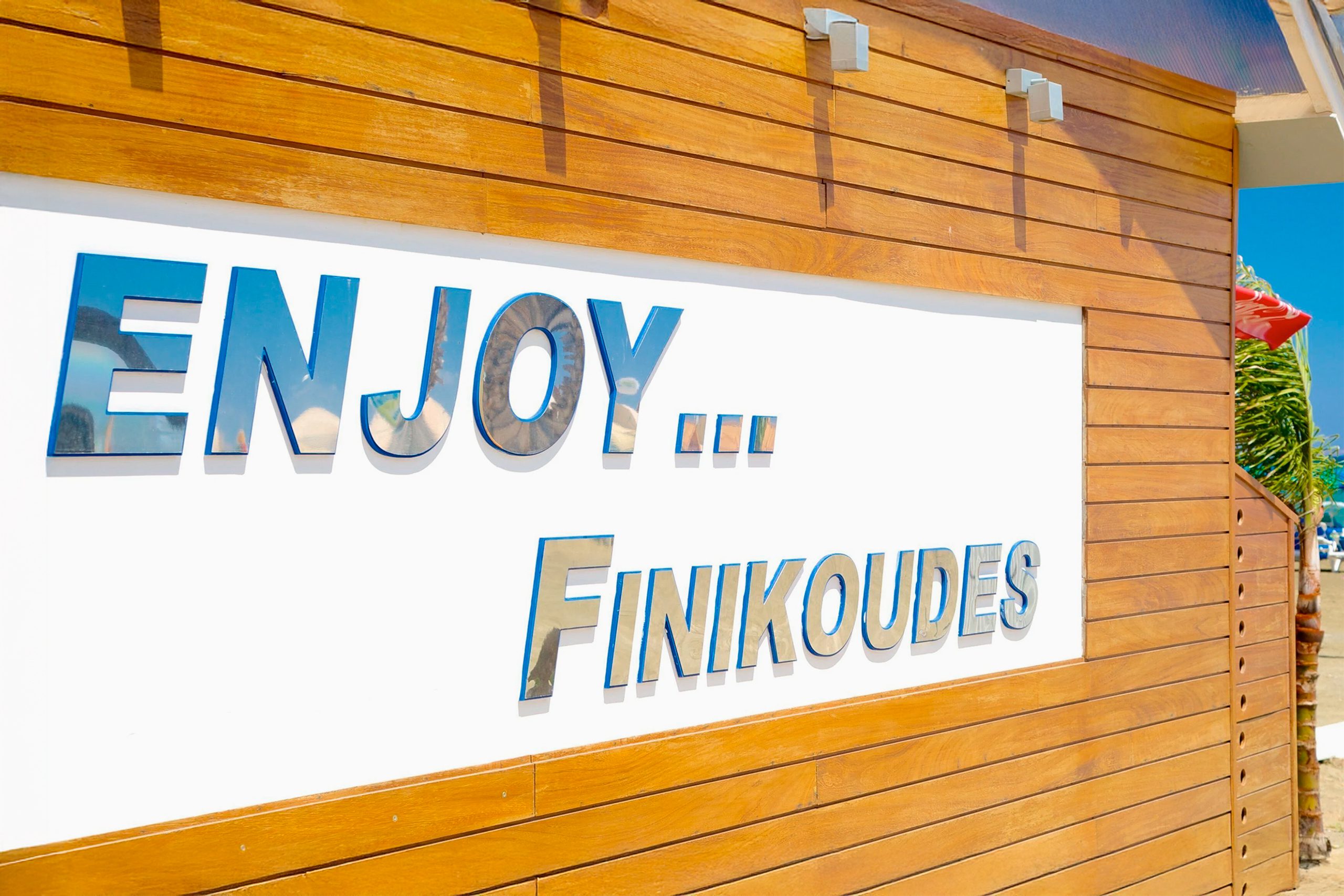
Those original trees have now reached full height and stand as defining features of Larnaca’s coastal identity. This urban beach offers direct access to the Mediterranean from the heart of Cyprus’s third-largest city, with shallow waters that extend 25 to 30 meters from shore before reaching deeper zones.
From Fishing Village to Tourist Destination
Larnaca sits on the site of ancient Kition, established in the 13th century BC as a Mycenaean settlement. The city served as a copper trading hub and maintained continuous habitation for over 3,000 years.
The modern Finikoudes area developed much later as Larnaca transformed from a modest coastal town into an international gateway. Historical records from the 16th and 17th centuries describe Larnaca as containing only around 300 houses, most built from stone and mud brick.
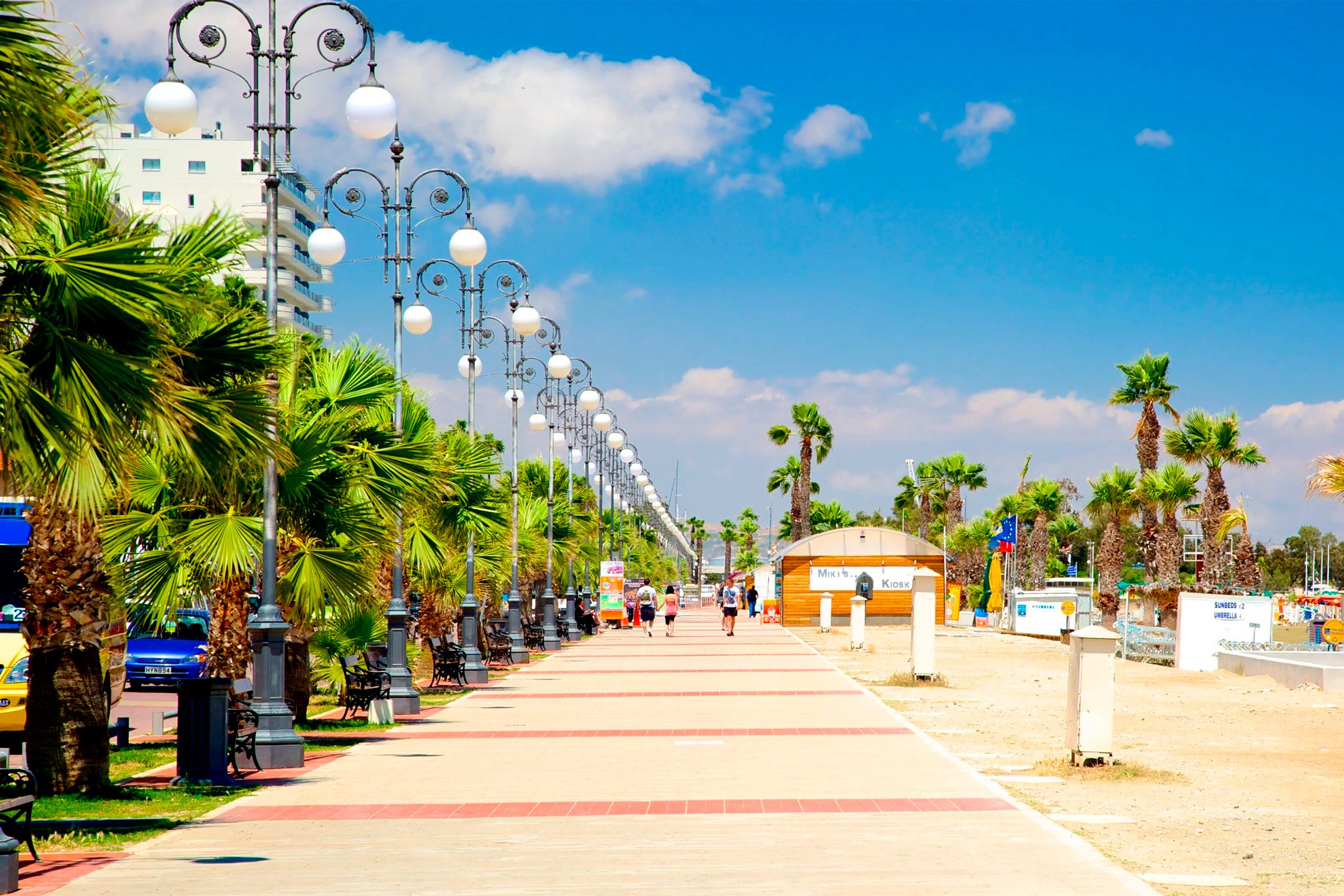
The promenade’s development fundamentally changed the relationship between Larnaca’s old town and its waterfront. The reconstruction and improvement of Piale Pasha Avenue, which connects Finikoudes with the Mackenzie tourist area, was completed on July 29, 2014. This project unified Larnaca’s entire seafront through European Regional Development Fund support.
The transformation created new commercial opportunities while helping preserve the historic neighborhoods behind the beach. Today, Larnaca serves as Cyprus’s primary air travel hub following the 1974 events that closed Nicosia International Airport and reduced access to Famagusta Port.
A Gray Sand Beach With Calm Waters
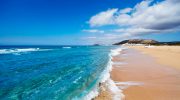
Finikoudes features fine gray sand rather than the golden variety found at some Mediterranean beaches. The beach width varies from 30 to 100 meters depending on the section. Waters remain consistently calm throughout most of the year due to the protected location and gradual depth increase. The shallow entry makes the water warm faster than deeper beaches, with summer temperatures reaching comfortable levels for swimming.
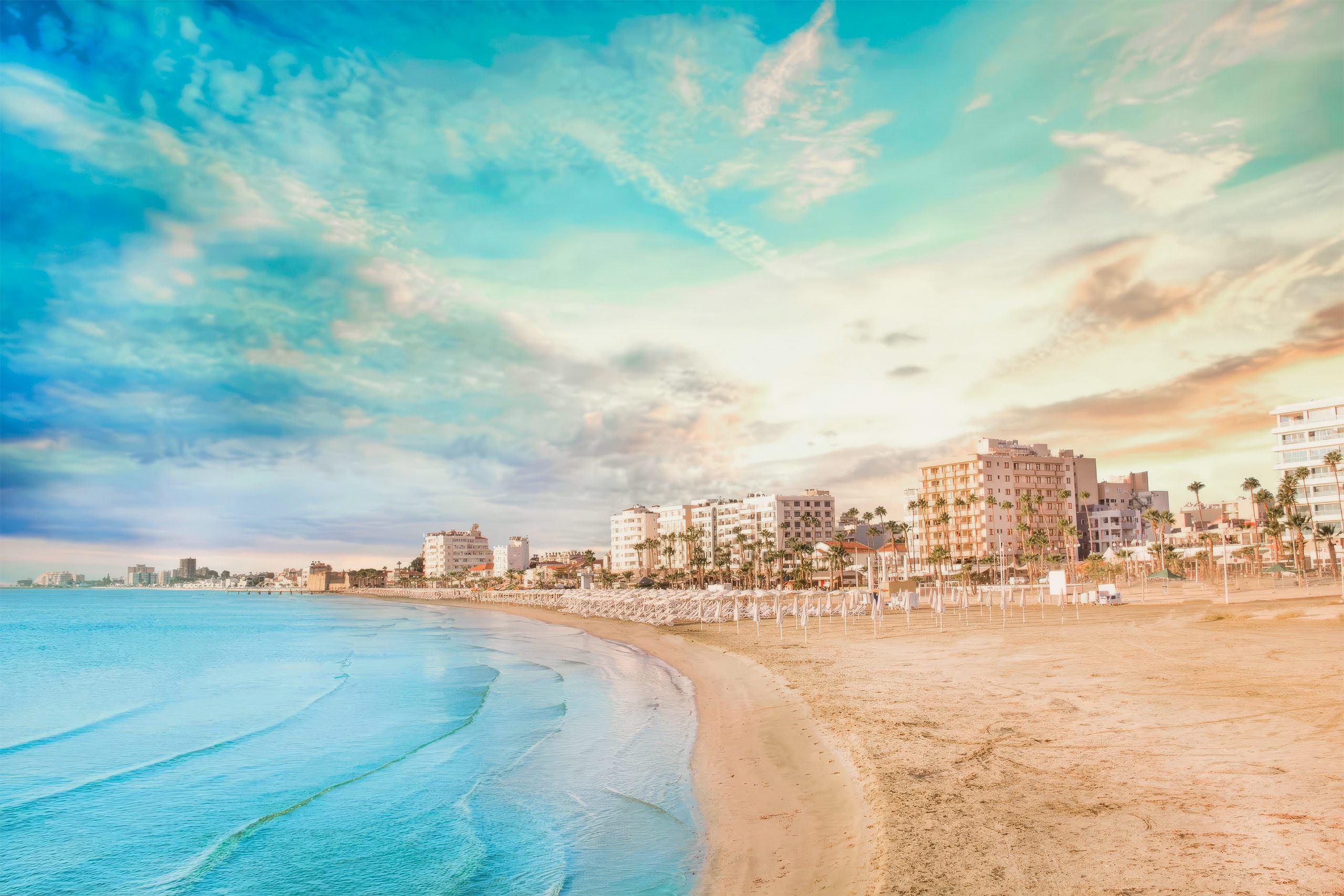
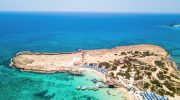
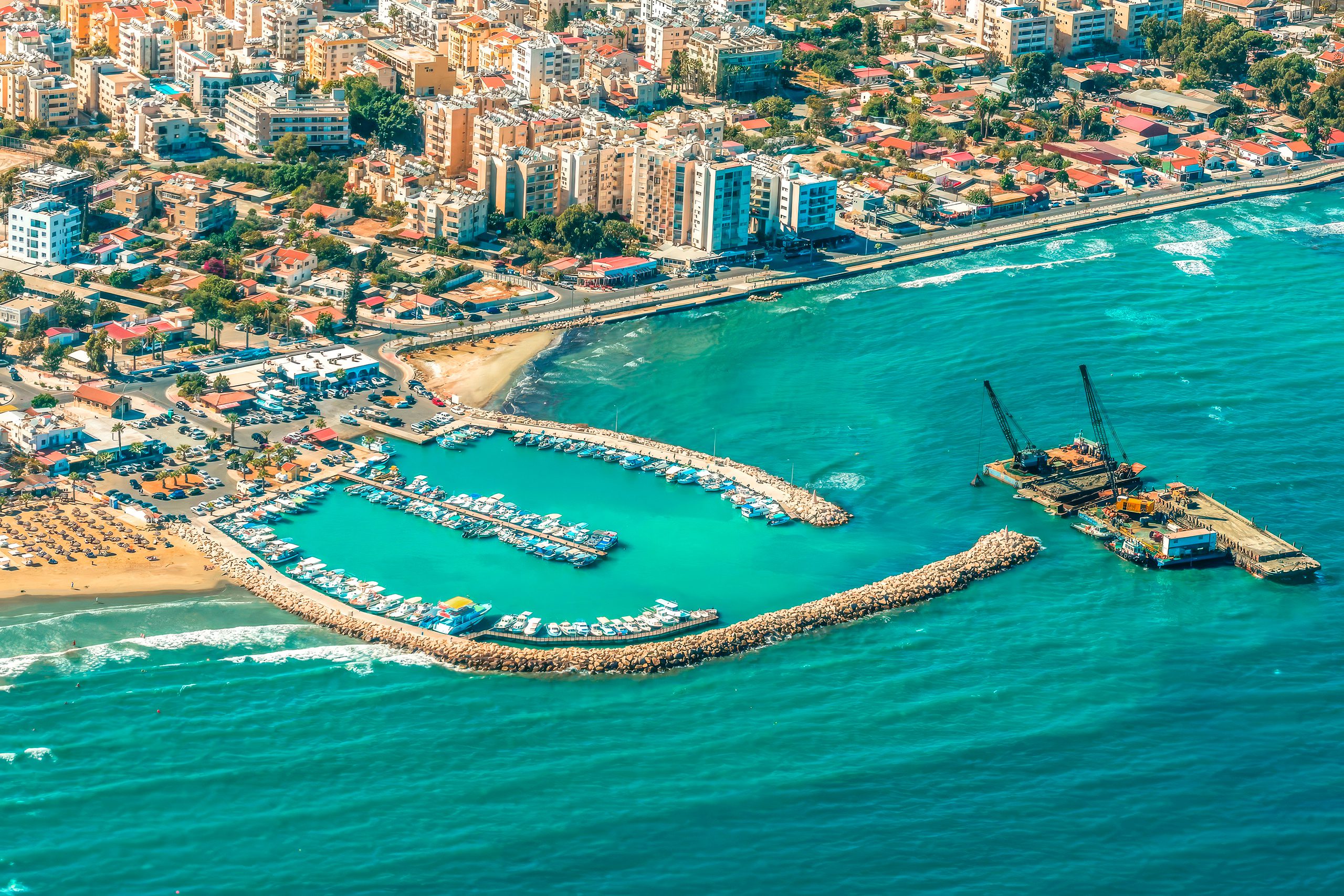
The promenade runs parallel to Athenon Avenue, flanked by the marina and fishing harbor at one end and Larnaca Medieval Castle at the other. Palm trees line the entire walkway, interspersed with flower beds that add color to the seafront. Multi-colored umbrellas dot the beach during peak season, creating a distinctive visual pattern visible from nearby buildings. The beach holds Blue Flag status, indicating compliance with strict European Union water quality standards and environmental management requirements.
Five Notable Features of Finikoudes
The beach offers wheelchair access through a special chair stored at the lifeguard tower, allowing disabled visitors to enter the sea with lifeguard assistance. This facility operates during the official lifeguard season from June through October, with daily coverage from 10:30 AM to 6:00 PM.
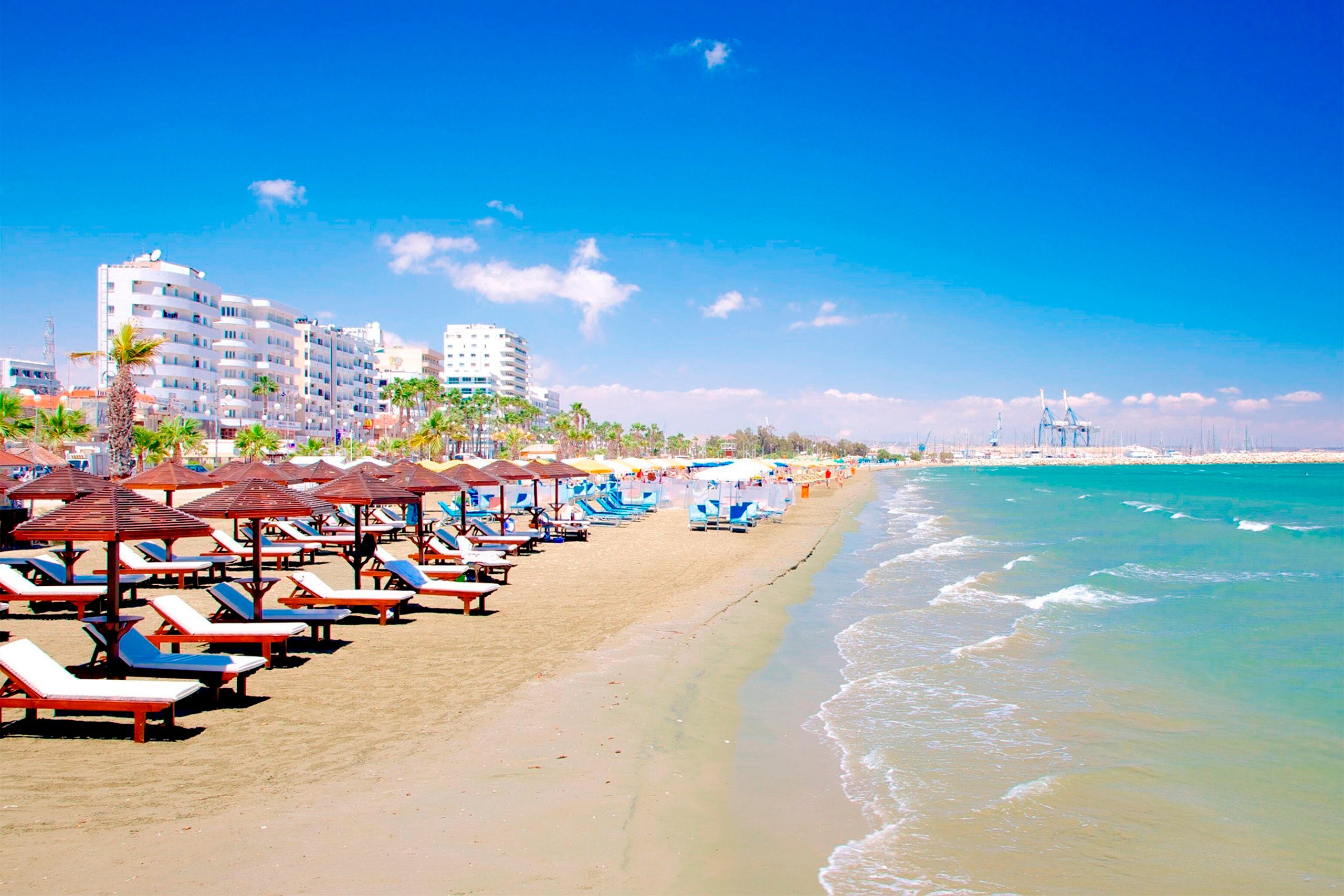
Beach amenities include toilets, showers, changing rooms, and organized rows of sunbeds with umbrellas available for rental at rates between two and three euros per day. After 5:00 PM, these facilities typically become free to use.
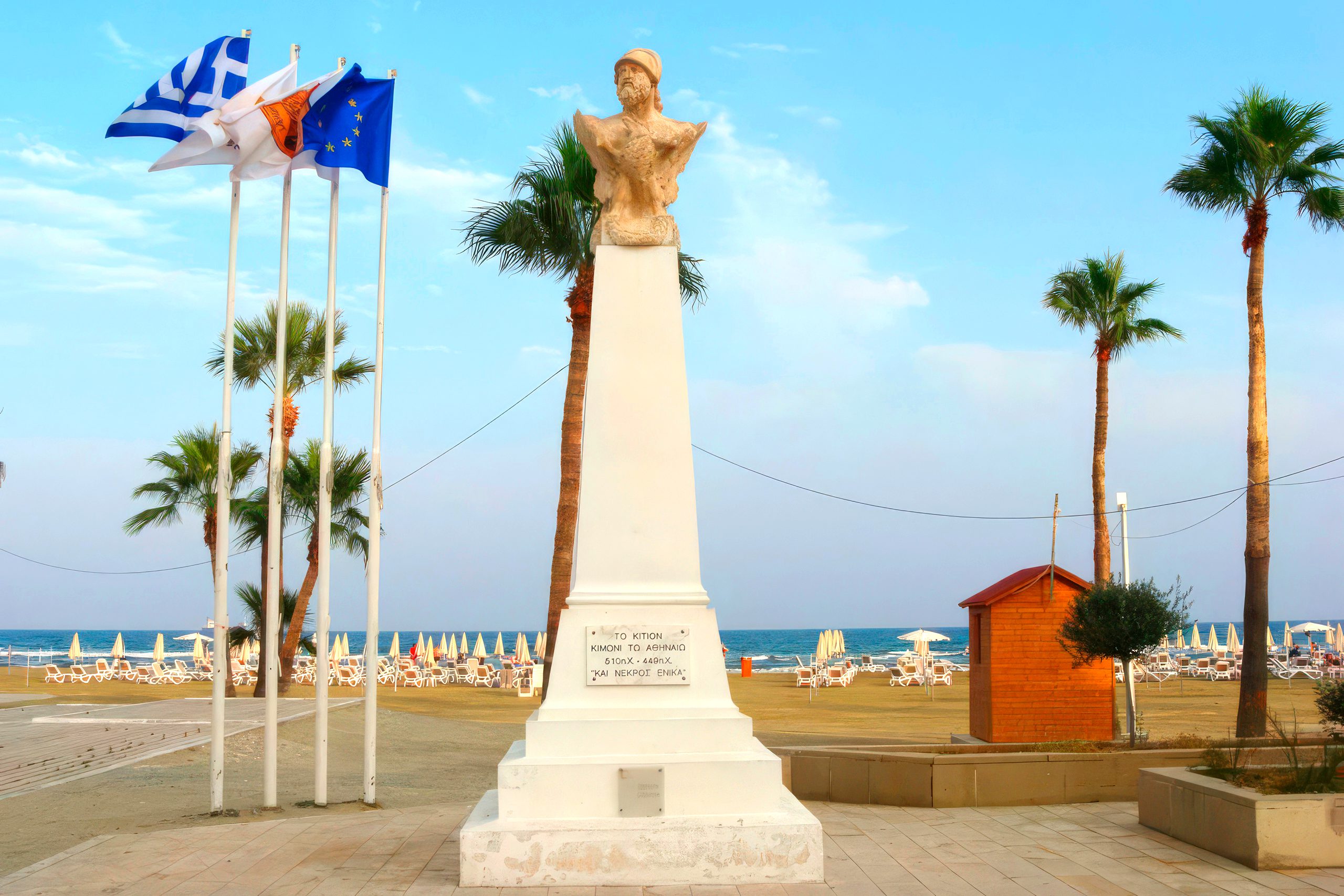
A bust of the ancient Athenian general Kimon stands on the promenade, commemorating his role in Cypriot history. The pedestal carries the Greek inscription “Even in death he was victorious.” Nearby stands the Armenian Genocide Memorial on Athenon Avenue, reflecting Larnaca’s historical role as home to diverse communities including Greek Cypriots, Turkish Cypriots, Armenians, and Maronites.
The beach sits within walking distance of several major landmarks, including the 9th-century Church of Saint Lazarus, the Larnaca Medieval Castle overlooking the southern end of the beach, and the Pierides Museum housing archaeological collections.
Infrastructure and Beach Facilities
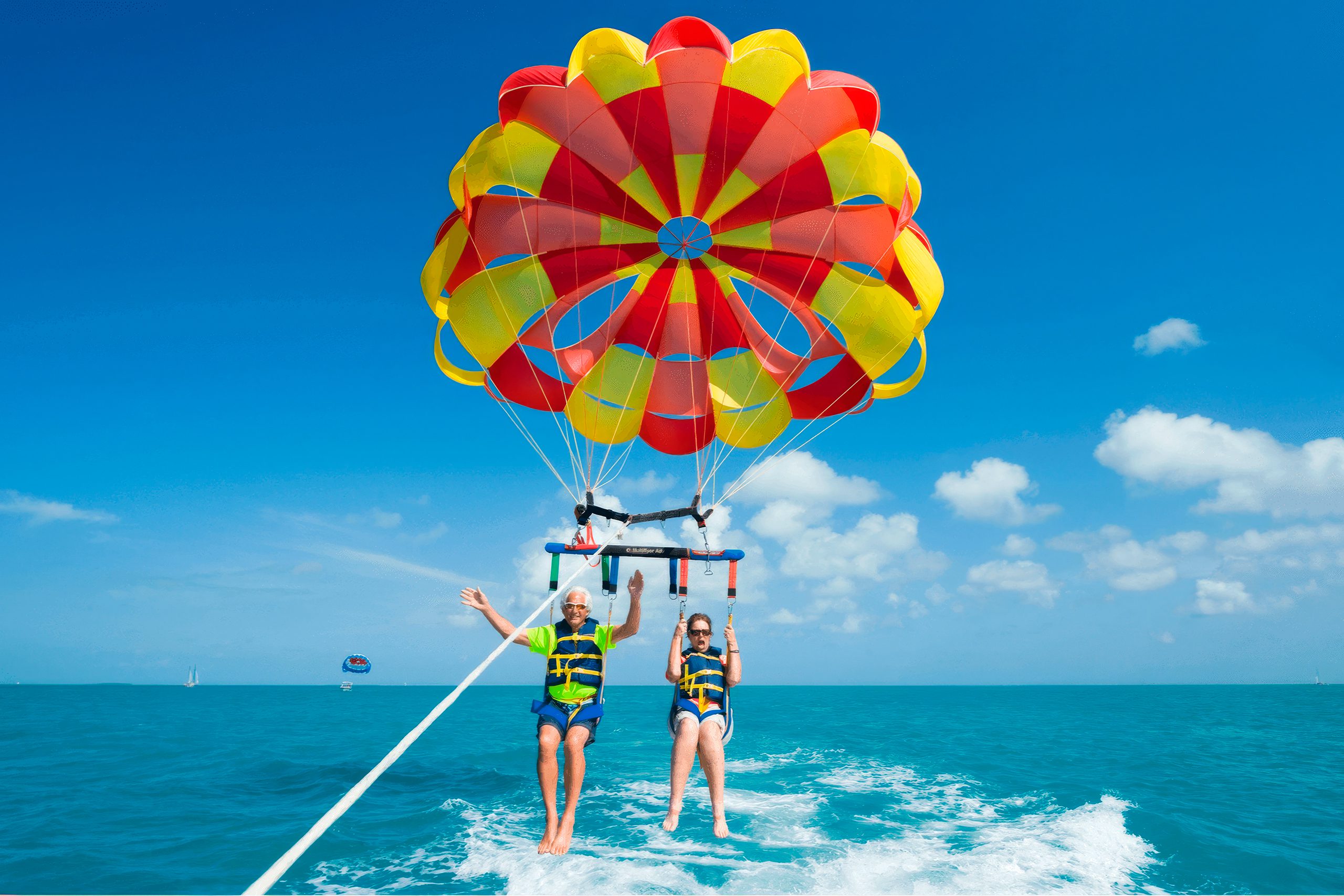
Finikoudes maintains full beach infrastructure expected at urban Mediterranean beaches. Water sports operators offer activities including jet skiing, parasailing, and paddleboarding during summer months. Small kiosks along the promenade sell drinks, snacks, and beach supplies. The main shopping district runs parallel to the beach, providing access to grocery stores, souvenir shops, and clothing retailers within a two-minute walk from the sand.
Public transportation connects well to Finikoudes through multiple bus routes serving the beach area. Municipal and private parking lots surround the promenade, with hourly rates typically between two and four euros.
The beach is easily accessible on foot from most central Larnaca locations. During peak summer season from May through September, both locals and tourists use the beach regularly, though the 600-meter length prevents severe overcrowding even on busy weekends.
Modern Developments and Future Plans
Larnaca currently undergoes significant development, with over 130 million euros allocated for transformation projects through 2026. The port and marina redevelopment represents the most substantial component, though the original 1.2 billion euro concession was terminated in 2024 due to legal disputes. New proposals include expanding marina capacity to 650 vessels, constructing a yacht club, and developing mixed-use waterfront spaces with cafes and commercial areas.
The city plans to establish a new public university faculty focused on marine sciences, technology, and sustainable development near Mackenzie Beach. This 20 million euro facility will receive joint government and European Union funding.
Additional initiatives include a 23 million euro sustainable urban mobility project introducing park-and-ride services and cycling lanes, renovation of historic quarters including the Agios Ioannis area, and upgrades to commercial center squares and pedestrian zones. These projects aim to balance economic development with quality of life improvements and ecological preservation.
Visiting Finikoudes Beach Today
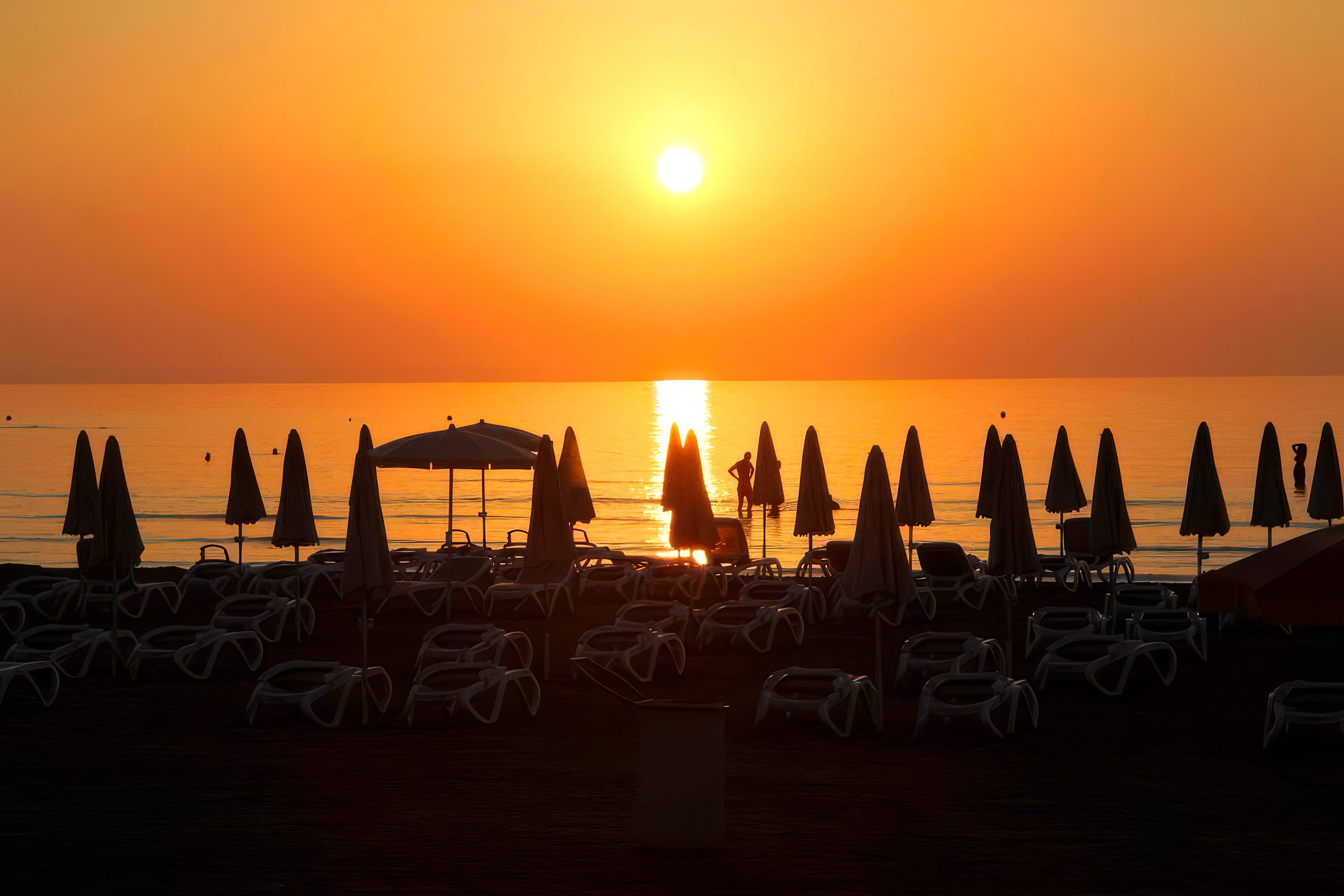
The beach operates year-round with free public access at all times. Swimming conditions remain comfortable from May through October, with water temperatures reaching peak warmth in July and August. Early morning visits offer the calmest atmosphere and best opportunities for sunrise photography. The promenade becomes particularly active during evening hours when locals gather for walks and cafes fill with customers.
Restaurants and cafes line the entire promenade length, offering seafood, traditional Cypriot dishes, and international cuisine. Many establishments provide outdoor seating with direct sea views. Prices range from budget-friendly tavernas to upscale dining options. The Piale Pasha coastal walkway extends south from the castle toward Mackenzie Beach, providing a scenic route for walking or cycling while staying close to the waterfront.
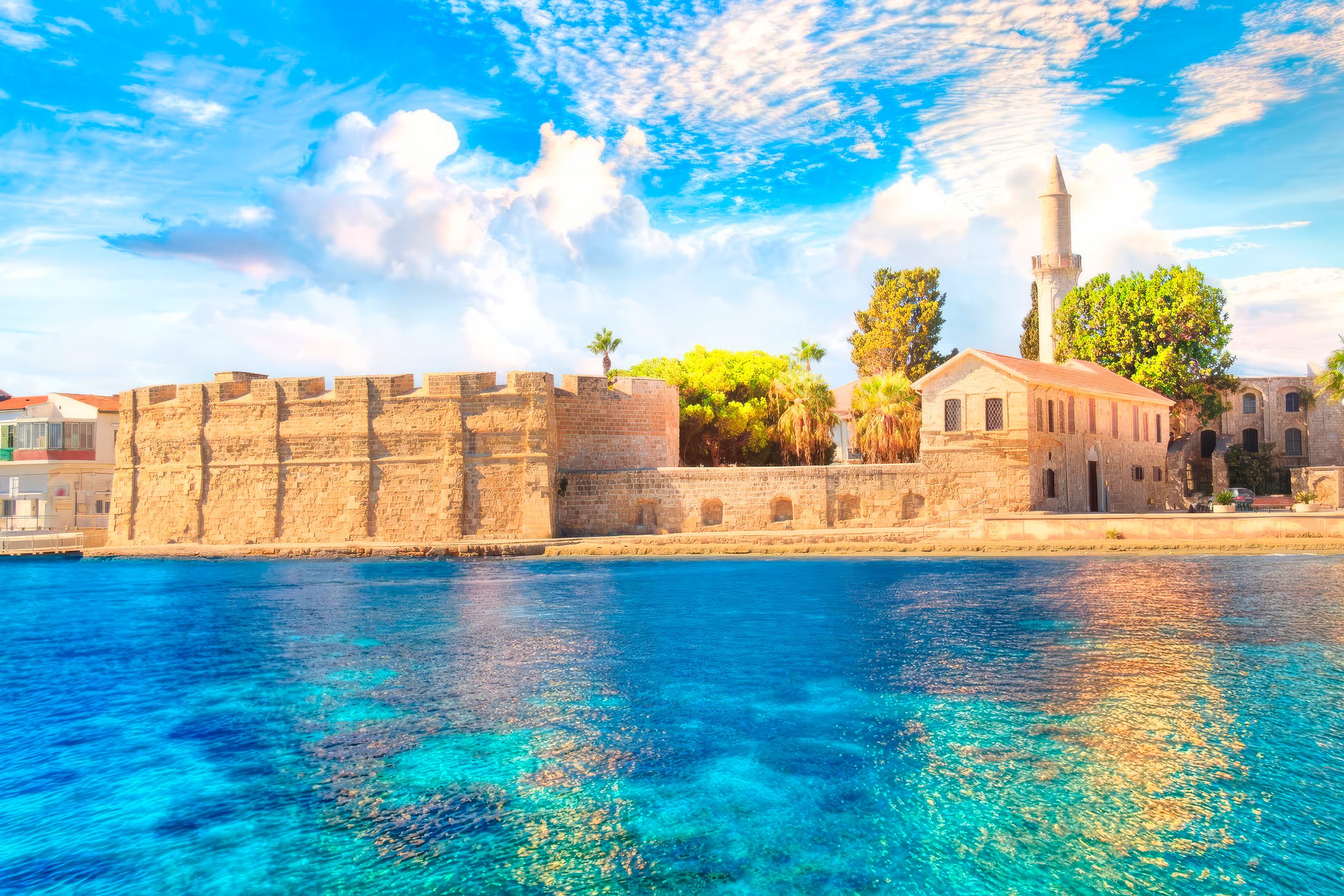
Visitors can combine beach time with exploration of nearby historical sites. The Church of Saint Lazarus, located a short walk inland, houses the tomb of Lazarus of Bethany and features Byzantine architecture from the 9th century. Larnaca Medieval Castle at the southern promenade end contains a small museum displaying artifacts from various periods of Cypriot history. The old Turkish quarter called Skala offers narrow streets with traditional architecture, small workshops, and local cafes.
Why Finikoudes Matters to Larnaca
Finikoudes represents Larnaca’s ability to maintain urban beach access while developing as a modern city. The promenade serves multiple functions beyond tourism, acting as a recreational space for residents, a venue for community events and festivals, and a link between different neighborhoods. The beach’s central location makes coastal access democratic rather than exclusive, with no private hotel zones restricting public use along the entire 600-meter stretch.
The continued investment in seafront infrastructure demonstrates Larnaca’s commitment to public spaces that benefit both residents and visitors. The palm-lined promenade has become synonymous with the city’s identity, appearing in promotional materials and serving as the default gathering place for celebrations, protests, and daily social interaction. This beach embodies the Mediterranean lifestyle that draws people to Cyprus, offering easy access to the sea within an urban context that provides services, culture, and community alongside natural beauty.