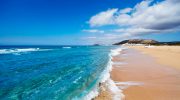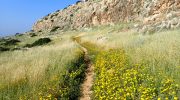
Cyprus ranks as the third largest island in the Mediterranean and boasts some of Europe’s finest coastal areas, with 60 beaches marked with the Blue Flag, an international award in the field of ecology and environmental protection given to beaches and marinas. In practice this means incredibly clean beaches and crystal clear water.
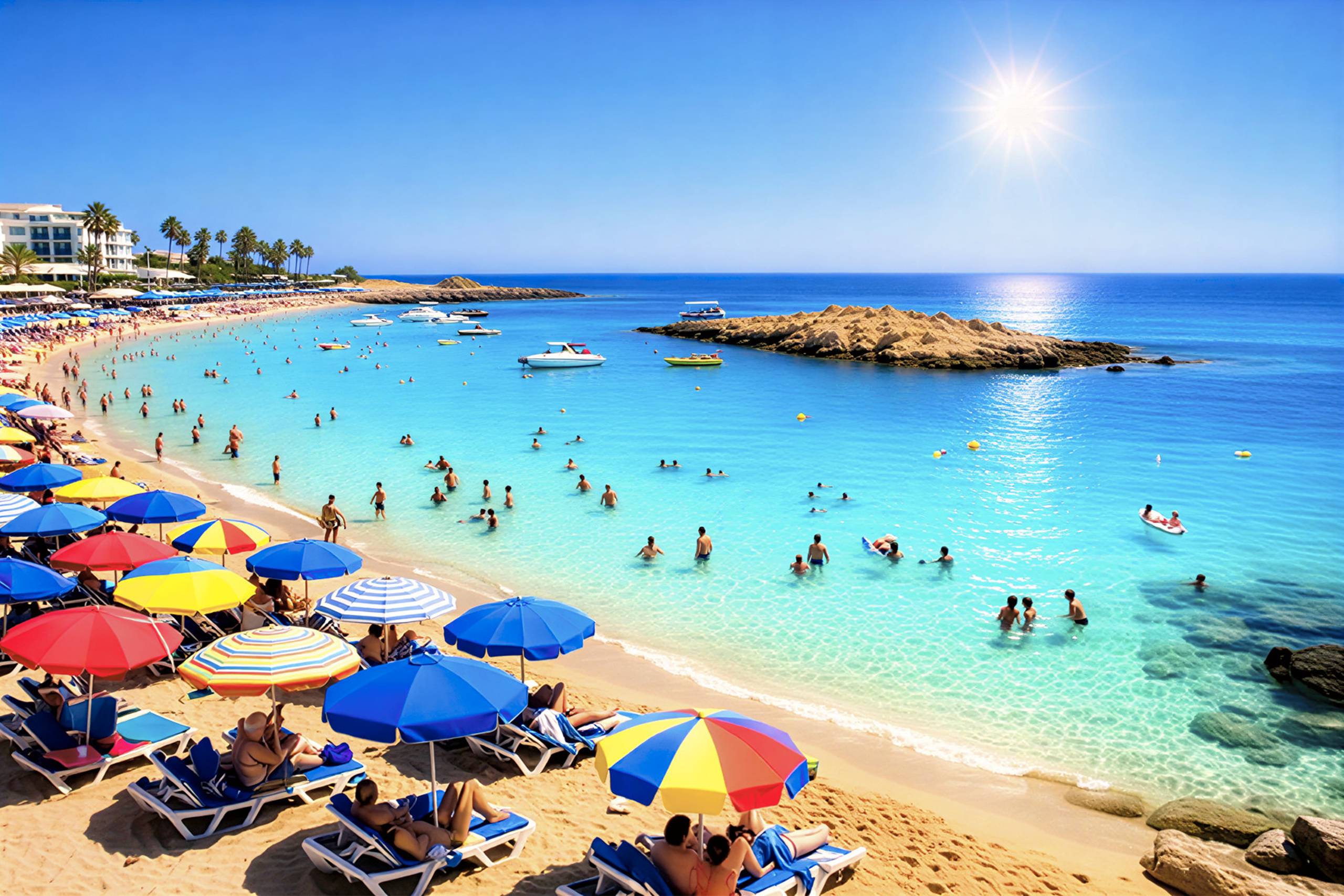
The eastern coast stands particularly renowned for its fantastic assortment of beaches considered by many to be the best on the entire island, with Ayia Napa and Protaras regions lined by glorious stretches of golden sand. The island’s beaches offer something for everyone, from lively party atmospheres to secluded family-friendly coves, all benefiting from Cyprus’s 340 days of sunshine annually and sea temperatures reaching 27 degrees Celsius during summer months.
The Famous Beaches of Ayia Napa
Nissi Beach stands as probably the most popular beach in Cyprus, stretching 500 meters with white sand and turquoise water. The water after entering remains quite shallow for a long distance and stays crystal clear with minimal waves. Nissi Beach got its name from an islet not far from the coast that visitors can reach when the tide is low in winter and spring, as a sand walkway unveils leading from the beach to the small island inhabited by low-level shrubs and pretty plants.
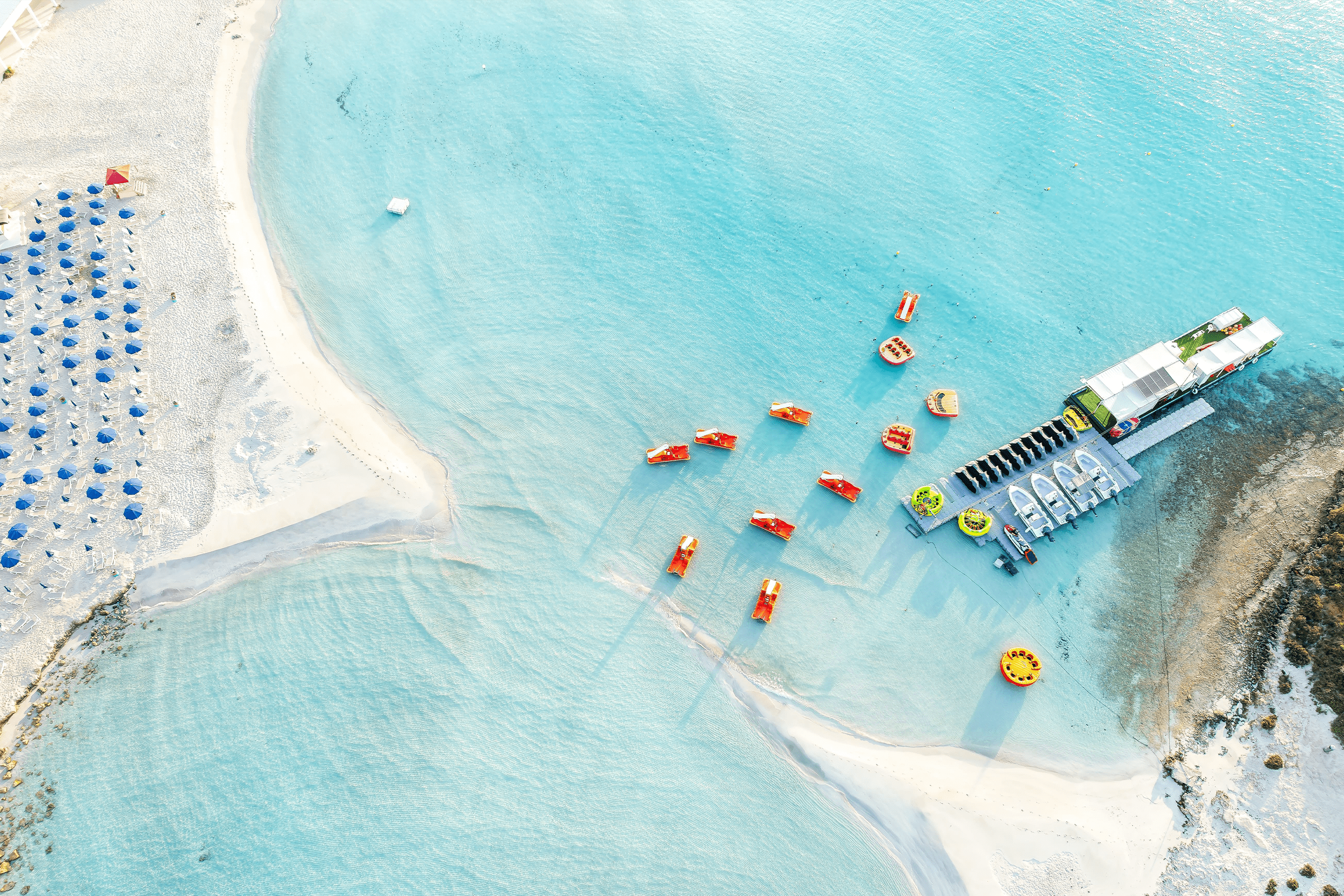
The beach has earned Blue Flag status indicating high environmental and quality standards. Through summer months it offers beach parties, foam parties, and DJs pumping out music from late morning through early evening at the Nissi Bay Beach bar. Water sports include jet skiing, parasailing, windsurfing, banana boats, and various inflatable activities. There are several snack bars, restaurants, and even a bungee jump for thrill-seekers.
Despite the party reputation at one end, Nissi Beach includes a quieter section that attracts an older crowd and families. Sun loungers and umbrellas rent for approximately 2.50 euros each, or visitors can choose more luxurious large beds with umbrellas for around 30 euros. Parking is available right next to the beach for approximately 4 euros per day.
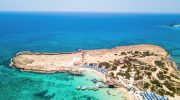
Makronissos Beach lies 7.5 kilometers west of Ayia Napa and features three beautiful bays on a small peninsula, offering a unique and less crowded experience. This beach is part of the protected Natura 2000 network, ensuring its natural beauty remains preserved. The soft white sand and calm clear waters make it ideal for families, with shallow areas and plenty of space for children to play. Nearby visitors can explore ancient Hellenistic tombs carved into rock, adding historical interest to beach visits.
Protaras and Its Pristine Shores
Fig Tree Bay located in Protaras takes its name from a solitary fig tree that stands near the beach, according to local legend arriving with eastern invaders in the 17th century and patrolling the coastline ever since. In 2011 TripAdvisor named it Europe’s third best beach. The beach stretches 500 meters with fine golden sand and crystal-clear waters clean enough to see the seabed and marine creatures.
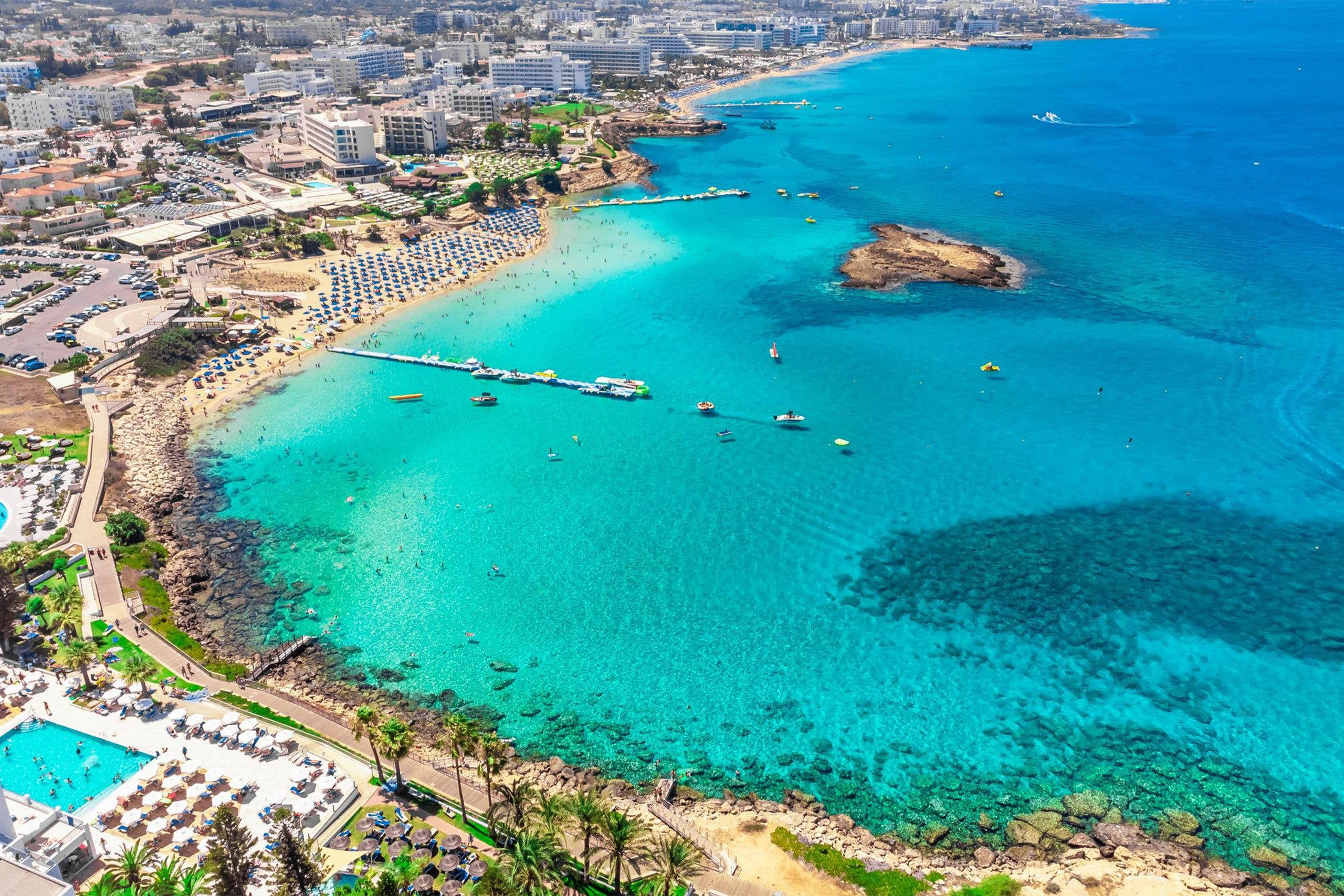
The beach maintains Blue Flag certification and is constantly maintained by volunteers of the Greening Cyprus Beaches sustainable tourism initiative. Shallow calm waters make it the perfect family beach, safe for young children. An uninhabited islet lies easily reached by swimming through the shallow waters, providing shelter for the rest of the beach and serving as a swimming destination.
Facilities include toilets, changing rooms, sun beds, umbrellas, and water sports operations. Lifeguards with lifesaving equipment and first aid services station at the beach from April through October. The beach offers disabled access, including a special wheelchair at the lifeguard tower to help disabled persons enter the sea with assistance from lifeguards. Another interesting attraction includes an ancient Hellenistic tomb visible through glass pavement of the pedestrian pathway.
Water sports available include water-skiing, windsurfing, parasailing, jet skiing, and canoe rentals. Fig Tree Bay was quieter than the Ayia Napa beaches and ranked without a doubt as one of the most beautiful beaches in Cyprus according to many visitors.
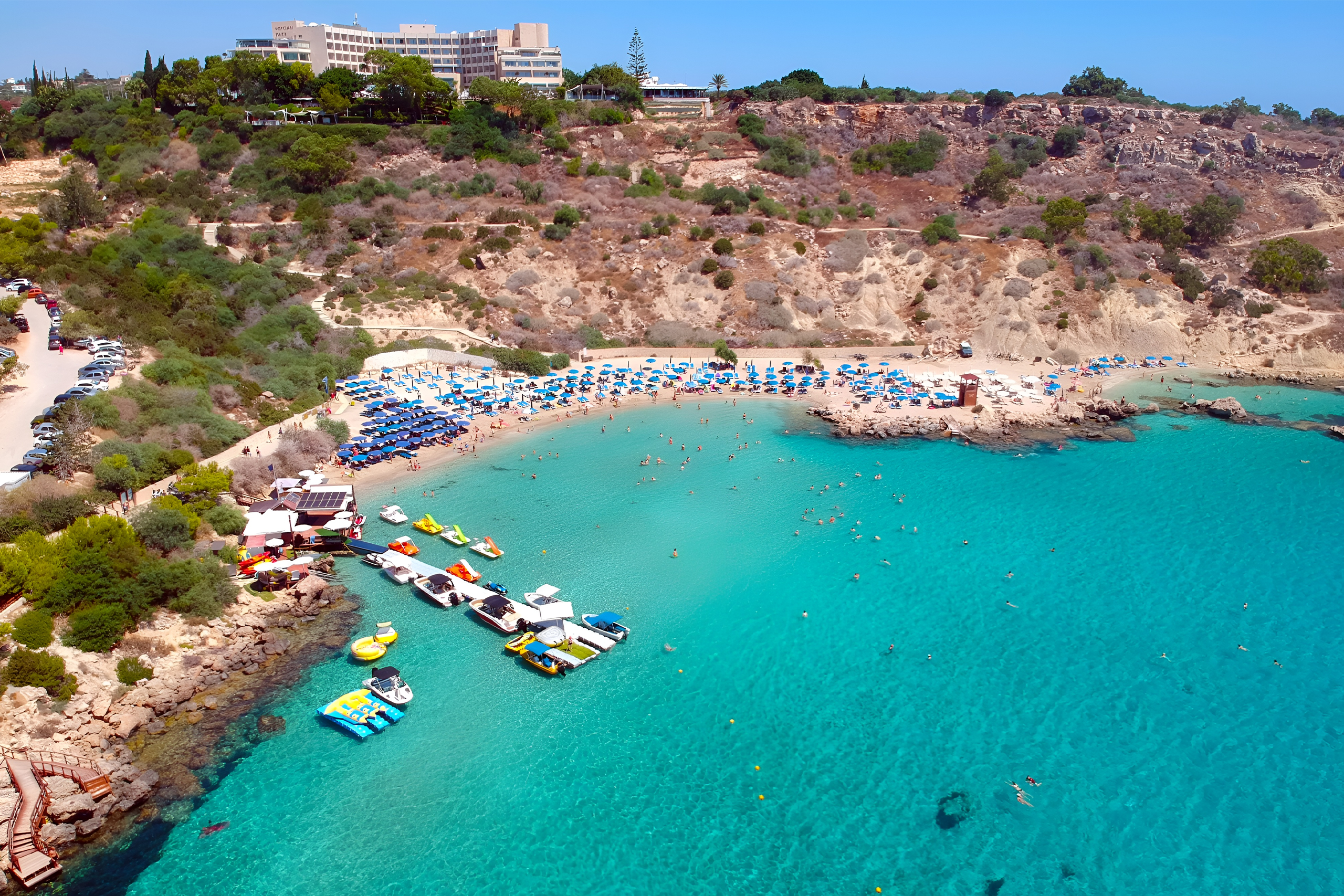
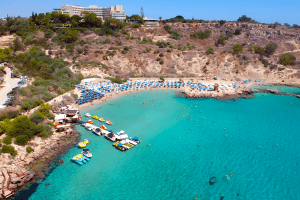
Konnos Bay sits in the north of Cape Greco National Forest Park approximately two kilometers from the cape itself. The scenic beach is known for calm waters providing safe swimming conditions for beginners and children. The water maintains such clarity that visitors can see the seabed and starfish in the sand at the bottom. Fine golden sands line the beach, which earned Blue Flag status for its quality.
Lined by steep hills, Konnos Beach remains sheltered from heavy winds, keeping the water practically wave-free and easily swimmable. Though secluded and requiring a rocky climb to reach, the beach provides basic facilities and remains extremely popular with locals happy to bypass the busier tourist beaches.
Paphos Region Coastal Attractions
Coral Bay near Paphos offers a large horseshoe-shaped beach of soft sand that gets very busy during peak months but maintains its appeal for families and swimmers. The beach provides sun loungers, umbrellas, and various water activities including pedal boats, banana boats, and parasailing. Multiple bars and restaurants serve delicious local and international cuisine. Its proximity to Paphos makes it convenient for tourists staying in the city, with ample parking and public transport links.
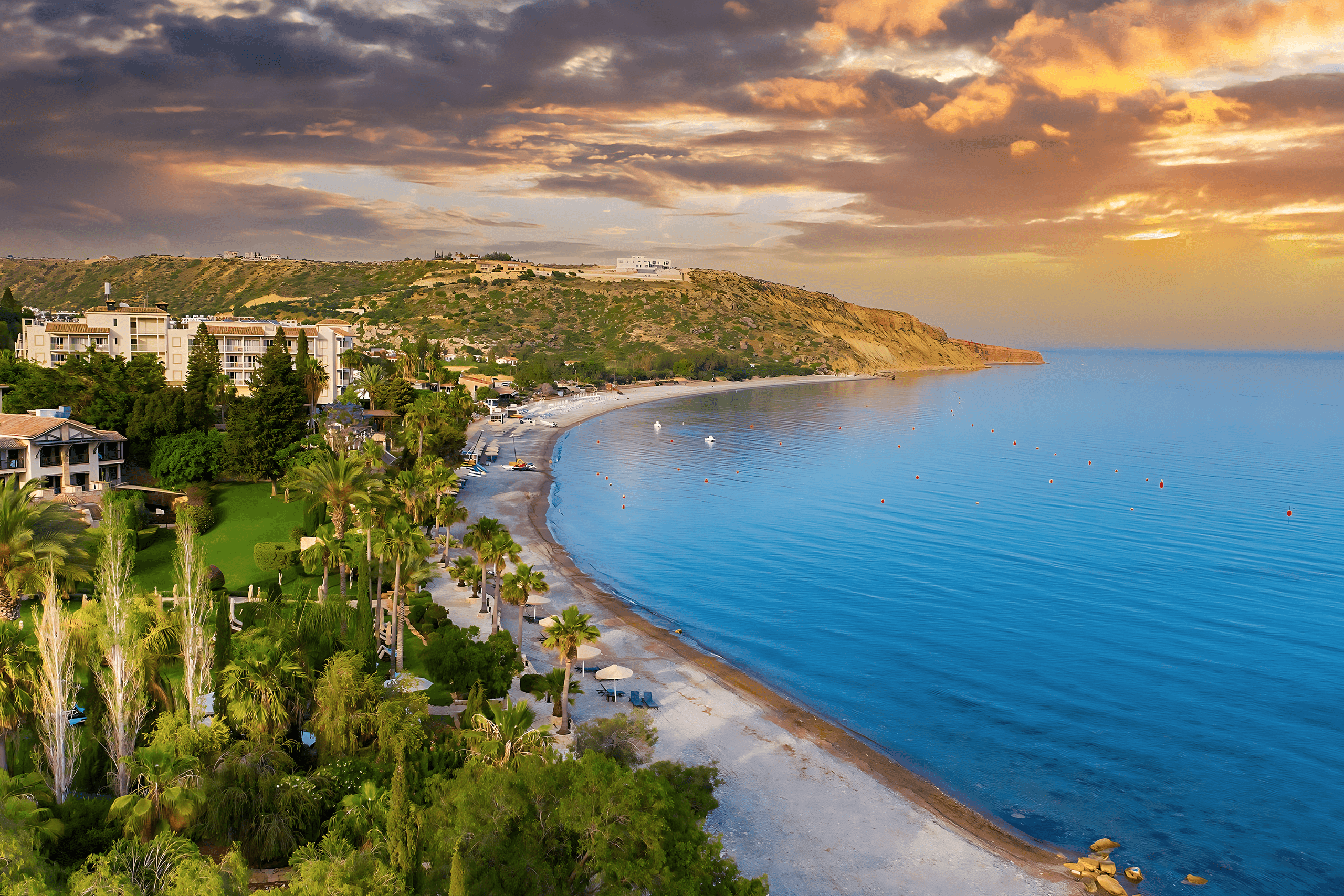
The beach sits close to several attractions including the Paphos Archaeological Park and the Tombs of the Kings, making it a great base for exploring the region. Controlled development of the area means the resort has maintained most of its charm despite popularity with tourists.
Lara Beach on the Akamas Peninsula represents one of Cyprus’s most remote and pristine coastal areas. The beach hosts protected turtle nesting sites where loggerhead and green sea turtles come to lay eggs from May through August. Access requires 4×4 vehicles due to rough unpaved roads, ensuring the beach maintains its unspoiled character with minimal facilities.
The Blue Lagoon’s Magical Waters
The Blue Lagoon in the Akamas Peninsula offers water that ranks among the most magical many travelers have seen. Every possible shade of blue appears in the enticing waters of the lagoon. The Blue Lagoon and Akamas Peninsula deserve their spot among the best beaches in Cyprus according to numerous visitors.
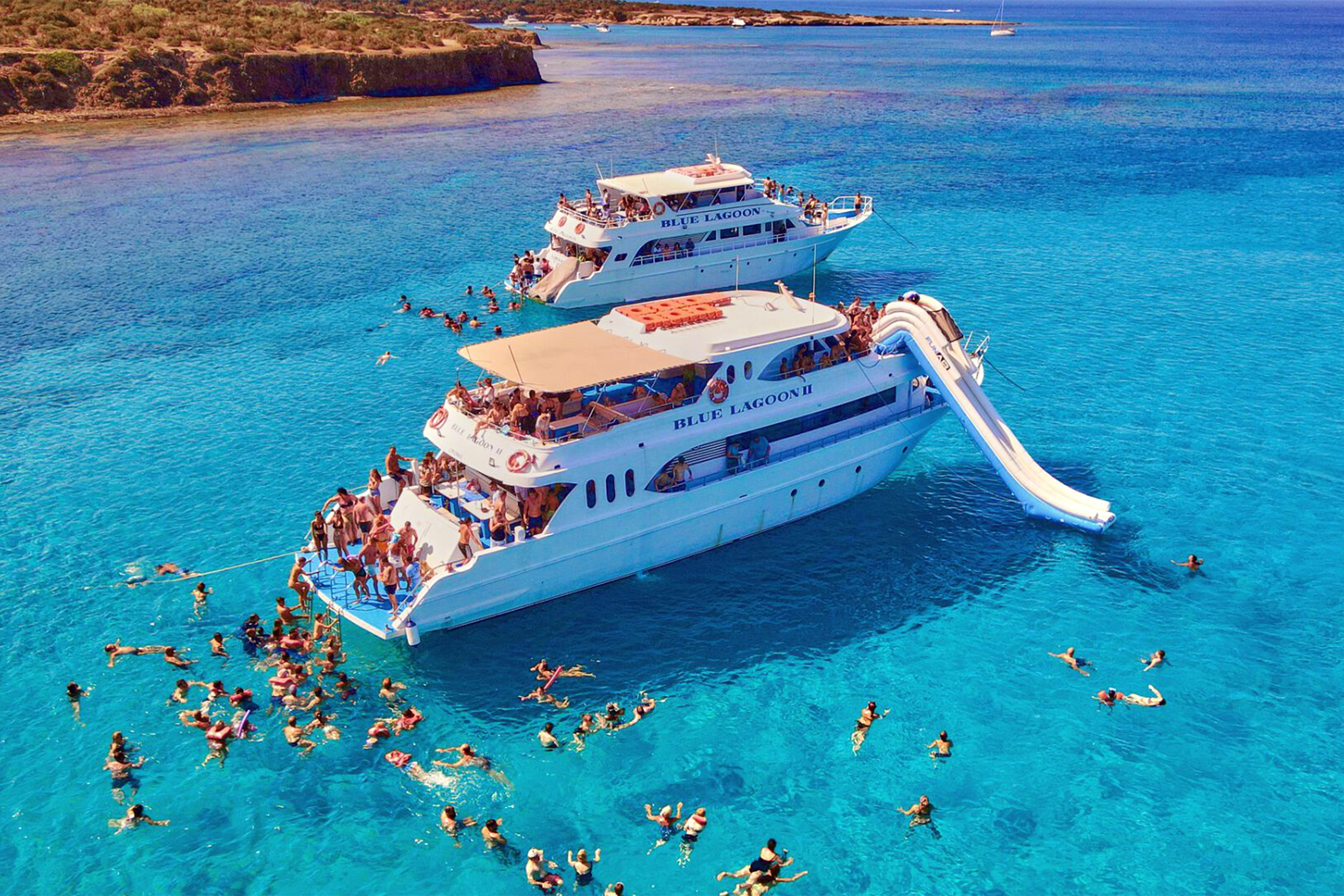
Reaching the Blue Lagoon requires either 4×4 vehicles or boat access from Latchi. The remote location ensures a more secluded and unspoiled beach experience away from resort development. The area falls within Cape Greco National Forest Park, providing environmental protection alongside stunning natural beauty.
Water Sports Across Cyprus Shores
Cyprus beaches offer extensive water sports options suited to all skill levels and interests. Jet skiing operates at most major beaches including Nissi Beach, Fig Tree Bay, and Coral Bay. Parasailing provides breathtaking views of the coastline from above. Flyboarding caters to adrenaline junkies wanting to hover above water using jet-powered boards.
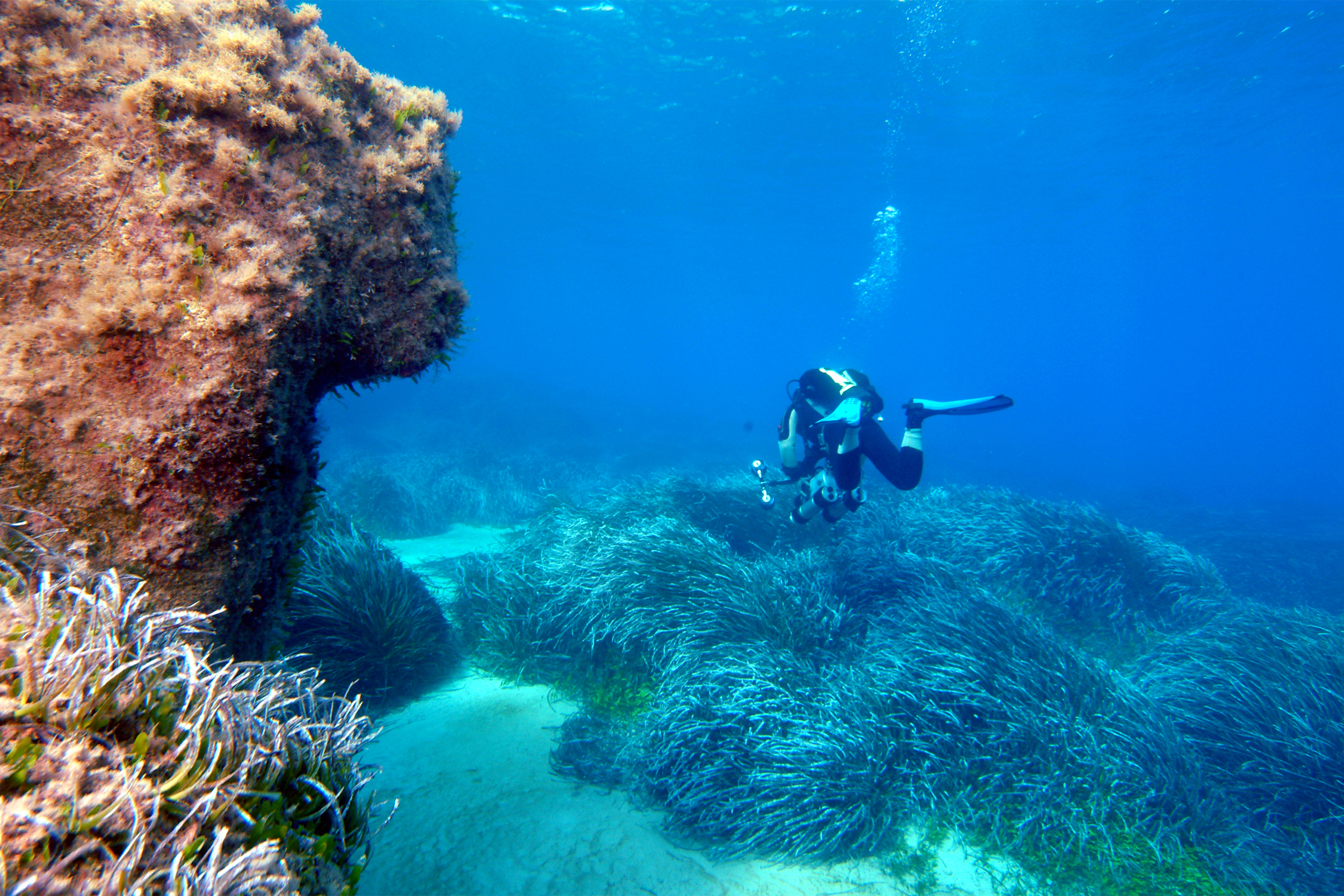
Scuba diving and snorkeling allow exploration of underwater caves, shipwrecks including the famous Zenobia wreck, and diverse marine life. Green Bay Beach between Fig Tree Bay and Konnos Beach is particularly favored for its scenic seascape and clean waters ideal for scuba diving and snorkeling. Several companies near Green Bay provide scuba gear and classes for all skill levels.
Windsurfing and kitesurfing find best conditions at Lady’s Mile Beach, Paramali Beach, and Mackenzie Beach. Stand-up paddleboarding offers relaxing ways to explore coastlines, available at quieter beaches. Kayaking and canoeing enable paddling through hidden sea caves at Cape Greco or exploring calm waters at Konnos Bay.