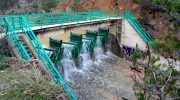
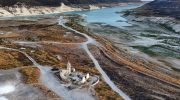
Riparian River Ecosystems in Cyprus consist of seasonal rivers that support freshwater fish, amphibians, and riparian vegetation along valleys. These ecosystems, characterized by intermittent flows, create dynamic habitats where water-dependent species thrive during wet seasons and adapt during dry periods.
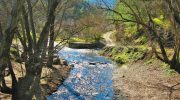
They play a vital role in the island’s biodiversity, linking upland mountains to coastal plains and highlighting nature’s resilience in a Mediterranean climate.
- A Timeless Riparian Ecosystem
- The Historical Formation and Evolution
- Features of Seasonal Rivers and Vegetation
- Notable Aspects That Highlight Its Uniqueness
- Deeper Ecological and Cultural Impacts for Cyprus’s Biodiversity
- Riparian River Ecosystems in Cyprus Today
- Opportunities for Exploration
- An Ecosystem of Seasonal Flow
A Timeless Riparian Ecosystem
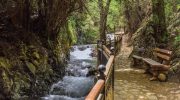
Riparian river ecosystems form the lifelines of Cyprus’s valleys, where seasonal streams carve through landscapes, nourishing narrow bands of vegetation and wildlife. These rivers, like the Pedieos and Kargotis, flow mainly in winter and spring, fed by Troodos rains, creating lush corridors amid arid surroundings. Riparian zones – the interfaces between land and water – support dense vegetation like oleanders and willows, providing shade and habitat for amphibians such as green toads and freshwater fish like the Cyprus minnow. This ecosystem’s temporary nature fosters specialized adaptations, where species endure dry summers through estivation or migration, making it a model of resilience in the eastern Mediterranean.
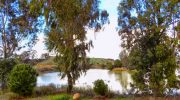
The Pedieos River, Cyprus’s longest at 98 kilometers, originates in the Troodos and flows through Nicosia to the Famagusta Bay, its riparian belt hosting over 200 plant species and serving as a green corridor in urban areas. Similarly, the Kargotis in the Morphou Valley supports dense tamarisk groves, stabilizing banks against erosion. These zones cover about 5% of the island but harbor 30% of its freshwater biodiversity, acting as natural filters that purify water and mitigate floods. Their dynamic flow – peaking at 1-2 meters depth in wet seasons and drying to cracks in summer – creates boom-and-bust cycles that select for hardy species, underscoring the ecosystem’s role in maintaining ecological balance on an island with limited permanent water bodies.
The Historical Formation and Evolution
These ecosystems formed during the Holocene epoch around 10,000 years ago, as post-glacial melting and tectonic activity shaped valleys, per geological studies by the Cyprus Geological Survey. Historical records from ancient times, like Strabo’s Geography (1st century BC), describe seasonal “torrents” supporting fish. Neolithic settlers at Kalavasos (7000 BC) used rivers for water, as excavations show.
Bronze Age (2500 BC) communities at Ayia Paraskevi built near streams for irrigation, with pottery depicting fish. Byzantine era (4th-15th centuries AD) texts like the 12th-century “Life of Saint Spyridon” note rivers as “divine gifts” for amphibians. Lusignan rule (1192-1489) dammed them for mills, as chronicles note. Venetian (1489-1571) engineers channeled for defense, while Ottoman (1571-1878) farmers used for rice, as Ali Bey noted in 1806.
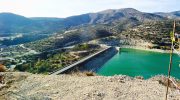
British colonial rule (1878-1960) built dams like Germasogeia in 1968, altering flows. Post-1960, data shows 20% flow reduction from climate change.
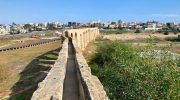
The Diarizos River in Paphos, 42 kilometers long, exemplifies evolution – ancient dams from Roman times (1st century AD) modified flows for mills, as uncovered in 1980s digs by the Department of Antiquities. Ottoman aqueducts, like those at Ezousa Valley, directed winter waters for summer use, preserving riparian vegetation despite aridity.
Features of Seasonal Rivers and Vegetation
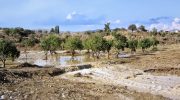
Seasonal rivers flow 4-6 months yearly, with depths to 1 meter in winter, supporting vegetation like tamarisk for bank stability. Amphibians like tree frogs breed in pools, with tadpoles developing fast before dry-up. Freshwater fish such as eels migrate from sea, adapted to low oxygen.
Vegetation includes reeds for nesting, willows for shade. Temperature fluctuations – winters 10°C, summers 35°C – create boom-bust cycles, with algae blooms feeding food chains.
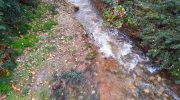
The Garyllis River in Famagusta, 24 kilometers, hosts dense oleander thickets that flower pink in spring, providing nectar for pollinators. Vegetation like plane trees (Platanus orientalis) line banks, their roots preventing erosion on silty soils.
Notable Aspects That Highlight Its Uniqueness
One captivating feature is winter “frog concerts” – amphibian calls echoing in valleys. Kargotis holds Cyprus’s fish diversity record with 8 species. Rare amphibians like the painted frog estivate in mud. And legends claim rivers were nymph homes, tying to myths in ancient texts like Nonnos’s Dionysiaca (5th century AD).
Fauna adaptations include minnow’s drought-resistant eggs, studied by Inland Fisheries. Rains create temporary habitats for 10 amphibian species.
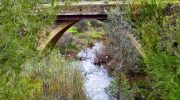
The Yialias River in Larnaca, 88 kilometers, features unique gravel beds that filter water, supporting endemic cyprinid fish like the Cyprus chub, with populations at 5,000 per 2015 surveys by the Fisheries Department.
Deeper Ecological and Cultural Impacts for Cyprus’s Biodiversity
These ecosystems conserve biodiversity, with rivers acting as corridors for amphibians dispersing, reducing extinction risk by 40% per reports. They support waterfowl like ducks, with 50 migratory species. This fosters food webs: vegetation feeds herbivores, amphibians predators.
Culturally, rivers influenced myths like water spirits, and festivals like Kataklysmos celebrating floods. Socially, they provided fishing – Ottoman taxes on catches – and medicine from plants like mint. The climate’s balance has sustained habitats, with 100 bird species wintering, but climate change risks drying, per EU reports predicting 30% loss by 2100. Human impacts include ancient dams at Kalavasos for irrigation, as studied in geoarchaeology by Ian A. Todd.
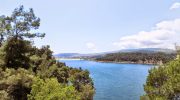
Rivers like the Ezousas in Paphos host riparian galleries that cool air by 5°C, creating microclimates for butterflies like the Cyprus meadow brown, with 20 species documented.
Riparian River Ecosystems in Cyprus Today
Riparian river ecosystems continue to define Cyprus’s valleys, with winter flows supporting tourism – over 50,000 visitors annually for birdwatching at Pedieos. Climate change alters patterns, with summers 2°C hotter since 1960, leading to 20% shorter flow seasons. Biodiversity faces threats, with conservation by the Environment Department protecting frogs through parks since 2010.
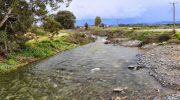
Fauna like eels benefit from anti-poaching, increasing populations by 25%. Modern adaptations include river restoration for flood control, reducing damage by 30%. This ecosystem shapes identity, with festivals like “River Day” in Nicosia celebrating wetlands, blending ancient rites with contemporary eco-tourism.
Opportunities for Exploration
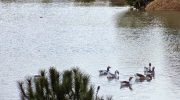
Pedieos River trails offer amphibian spotting, open year-round with free entry. Guided wildlife tours by the Cyprus Tourism Organization cost €15-20 to see waterfowl. Winter visits to Kargotis include eco-walks in January, no fee. Spring frog hikes in April pair with village stays for insights. Many sites have online cams for remote viewing.
An Ecosystem of Seasonal Flow
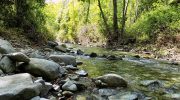
Riparian River Ecosystems, seasonal rivers supporting freshwater fish, amphibians, and riparian vegetation along valleys, define Cyprus’s ecological diversity. This pattern’s balance has fostered unique habitats and human ingenuity, from ancient myths to modern challenges. Knowing it deepens appreciation for Cyprus as a resilient river haven. Engagement with its flows or species evokes wonder at nature’s seasons. In a changing climate, it reminds of the need to safeguard this delicate balance.